
A pickle ball raquet blends core, face, weight, and grip to match your game.
If you want the right pickle ball raquet for your style, you are in the right place. I test gear, coach new players, and learn from top rec matches. I will help you pick a pickle ball raquet with clear steps, real tips, and simple words.
How to Choose the Right Pickle Ball Raquet
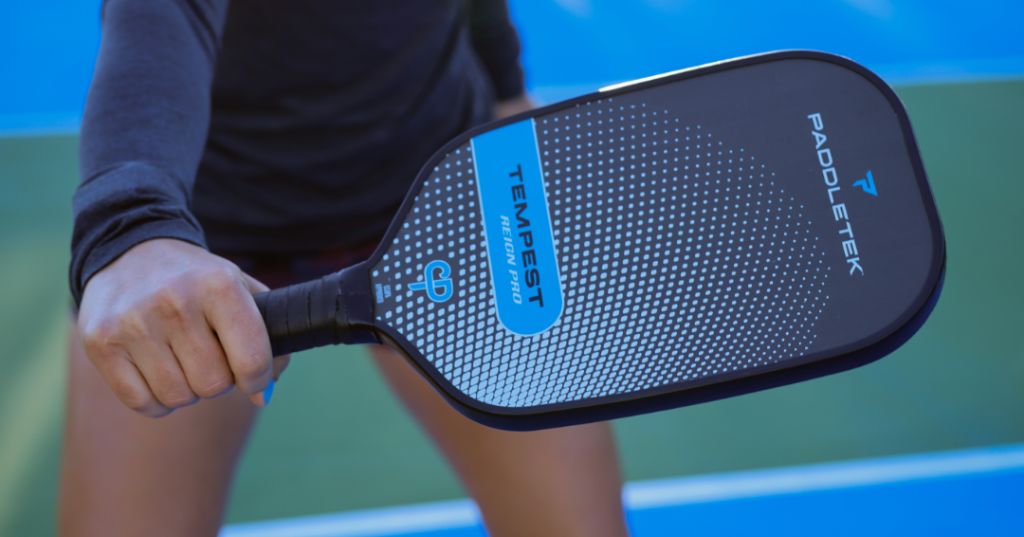
Good gear should feel like an old friend. A pickle ball raquet should fit your hand, swing smooth, and help your shots. Start with weight, grip size, face type, and core.
Here is a simple plan you can use today:
- Set your goal. Control, power, or both.
- Pick a weight range. Light, mid, or heavy.
- Match the grip size to your hand.
- Choose a face and core that suit your game.
- Test before you buy, if you can.
Weight is a key call. Lighter paddles (about 7.2–7.8 oz) help quick hands and soft shots. Midweight (about 7.8–8.3 oz) is a safe pick for most. Heavier (about 8.3–8.8 oz+) adds power but can tax your arm.
Grip size matters a lot. If the handle is too big, you lose control. If it is too small, your wrist can strain. Many players choose a 4.125–4.375 inch grip. Add an overgrip to fine tune.
The face and core shape how the paddles play. Fiberglass faces add pop. Carbon or graphite faces add feel and control. A thicker core can add a soft touch. A thinner core can add some speed.
A smart pickle ball raquet choice saves your elbow and boosts your fun. If you play doubles, favor control. If you love drives, favor power. The right pickle ball raquet makes every rally feel better.

Parts of a Pickle Ball Raquet Explained
Knowing the parts helps you pick fast and well. Here is the gear map I give my students.
Core materials
- Polymer (PP) core: The most common. Soft feel. Good control and lower noise.
- Nomex core: Firm and loud. Big pop. Less dwell time on the ball.
- Aluminum core: Light and soft. Nice touch. Not as common in new models.
Core thickness
- Thicker core (around 16 mm): More control and sweet spot. Softer sound.
- Thinner core (around 13 mm): More pop and a faster swing.
Face materials
- Fiberglass: More power and “trampoline.” Great for drives and serves.
- Carbon fiber or graphite: More control and spin hold. Dinks feel clean.
Surface texture
- Subtle texture helps spin. There are limits set by the rules to keep it fair.
- Do not pick a face that looks too rough to be legal.
Shape and size
- Standard/wide body: Big sweet spot. Great for most players.
- Elongated: More reach and power. A smaller sweet spot near the tip.
- Handle length: Shorter handles help two-hand backhands less. Longer handles help two-hand backhands more.
Edge guard and build
- Edge guards protect the rim. Check that it is tight and even.
- Some paddles have sealed edges. These can feel solid but can be hard to fix.
A clear view of these parts makes your next pickle ball raquet choice simple. Use these facts to match what you feel on court.
Match Your Raquet to Your Play Style
I see three common styles in rec play. Pick what fits you best.
Control first
You live at the kitchen line. You like dinks, drops, and resets. Look for:
- Midweight or light weight.
- 16 mm core.
- Carbon or graphite face.
- Standard shape for a bigger sweet spot.
Power first
You love drives and swing speed. You press on serves and 3rds. Choose:
- Mid to heavy weight.
- 13 mm core.
- Fiberglass or a lively carbon face.
- Elongated shape for reach.
All-court
You switch styles by the point. You need balance. Go for:
- Midweight.
- 14–16 mm core, based on feel.
- A blended face with light texture.
- Standard shape.
My tip from the court: I once used a heavy, poppy paddle for weeks. My drives were hot. My resets were not. I moved to a midweight pickle ball raquet with a thicker core. My soft game jumped at once.
Testing and Tuning Your Pickle Ball Raquet
Try before you buy. Two short sessions can tell you more than specs.
Use this quick test plan:
- Warm up with dinks. Note how easy it is to hit targets.
- Try drops from mid court. Watch for height control.
- Hit 10 drives and 10 blocks. Check for power and twist on off-center hits.
- Play a short game. Feel the swing late in the set.
You can tune a pickle ball raquet too:
- Add an overgrip to increase size and comfort.
- Use lead tape on the rim for more stability and power. Start small.
- Add a thin edge tape to protect the frame.
Keep your changes light. If you compete, make sure your paddle stays within the rules. Use your test notes to pick the best pickle ball raquet for your needs.
Rules, Ratings, and Approved Lists
Most clubs use the main rule book. Paddles must meet set limits for surface and bounce. Many makers list “approved” in their specs. Check the maker site or the public lists.
Some towns care about noise. A few places prefer “quiet” paddles. If your courts have noise rules, ask before you buy. Pick a softer core and carbon face if noise is a worry.
Spin is also watched. Faces cannot be too rough. Choose a legal texture. A legal pickle ball raquet keeps you safe at events and leagues.

Care, Durability, and Common Mistakes
Good care makes your paddle last longer and play better.
Do this often:
- Wipe the face with a damp cloth. Remove dust and ball marks.
- Store in a cool, dry place. Do not leave it in a hot car.
- Check the edge guard and grip. Fix small lifts before they grow.
Watch for:
- Dead spots that mute the sound on hits.
- Loose edges or odd buzz sounds on contact.
- Face wear that feels smooth and slick.
Common mistakes to avoid:
- Buying a very heavy pickle ball raquet too soon. Your arm may suffer.
- Chasing “spin” hype and ignoring control.
- Skipping a grip fit. A wrong grip size hurts both comfort and skill.
I learned this the hard way. I kept a worn grip too long. I squeezed harder and my touch fell off. A fresh overgrip fixed it in minutes.

Budget and Value Guide
You can get a fine pickle ball raquet at many price points. Price does not equal joy. Fit does.
General ranges:
- Starter: About $40–$70. Great to try the game. Focus on comfort and grip.
- Mid-range: About $70–$130. Strong value. Many balanced choices.
- Premium: About $130–$250+. New builds and faces. Stable feel and better sweet spot.
Buy for your needs, not for hype. If you play once a week, mid-range is great. If you play daily, a premium pickle ball raquet can pay off in control and comfort.
Best Picks by Scenario
Use these quick matches to guide your pick. Try to test one from each group.
- New to the game: Light to midweight. 16 mm core. Standard shape.
- Tennis convert: Longer handle. Elongated face. Midweight.
- Soft game focus: Carbon face. 16 mm core. Wide body.
- Power server: Fiberglass face. 13–14 mm core. Mid to heavy weight.
- Arm care priority: Light to midweight. Polymer core. Soft grip.
Each path leads to a pickle ball raquet that fits a clear goal. The best pickle ball raquet is the one that helps you play more and hurt less.
Frequently Asked Questions of pickle ball raquet
What is the difference between a pickle ball raquet and a paddle?
Both terms point to the same thing in this sport. The common term is pickleball paddle, but many people say pickle ball raquet.
What weight should I pick for my first pickle ball raquet?
Start with a midweight build. It gives a nice blend of power and control for most players.
How do I find the right grip size for a pickle ball raquet?
Wrap your hand around the handle. You should slip a finger between your palm and fingers. If not, add an overgrip or try a size up or down.
Does a more expensive pickle ball raquet give me more spin?
Price alone does not add spin. Face texture, ball hold, and your stroke shape matter more.
How long does a pickle ball raquet last?
With steady play, many last 6–12 months before feel starts to fade. Care, storage, and how hard you hit all change this timeline.
Can I use lead tape on my pickle ball raquet?
Yes, in small amounts it is common. It can add stability and power, but do not overdo it.
Are elongated pickle ball raquets better?
They are better for reach and power. Wide body shapes are better for a larger sweet spot and control.
Conclusion
A great pickle ball raquet should fit your hand, your swing, and your goals. Know the parts. Test with a plan. Tune with small changes. Buy for fit, not for hype.
Pick one clear goal today. Control, power, or balance. Use the steps above to lock in a paddle that helps you win more points and have more fun.
Want more guides like this? Subscribe, share this with a friend, or drop your questions in the comments.