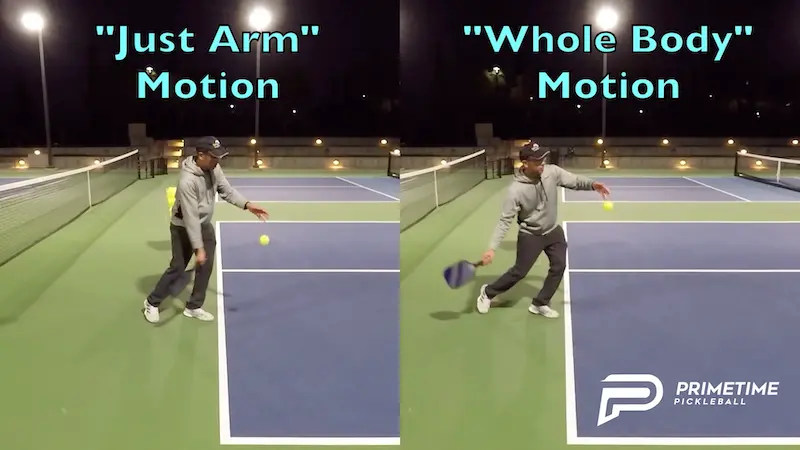
A legal pickle ball serve is underhand, below your waist, and lands deep cross-court.
If you want more free points, master the pickle ball serve. I coach new and league players, and I know what works. This guide gives clear rules, easy form cues, real drills, and smart targets. Read on to build a trusted pickle ball serve you can use under pressure.
What Makes a Legal Pickle Ball Serve Today
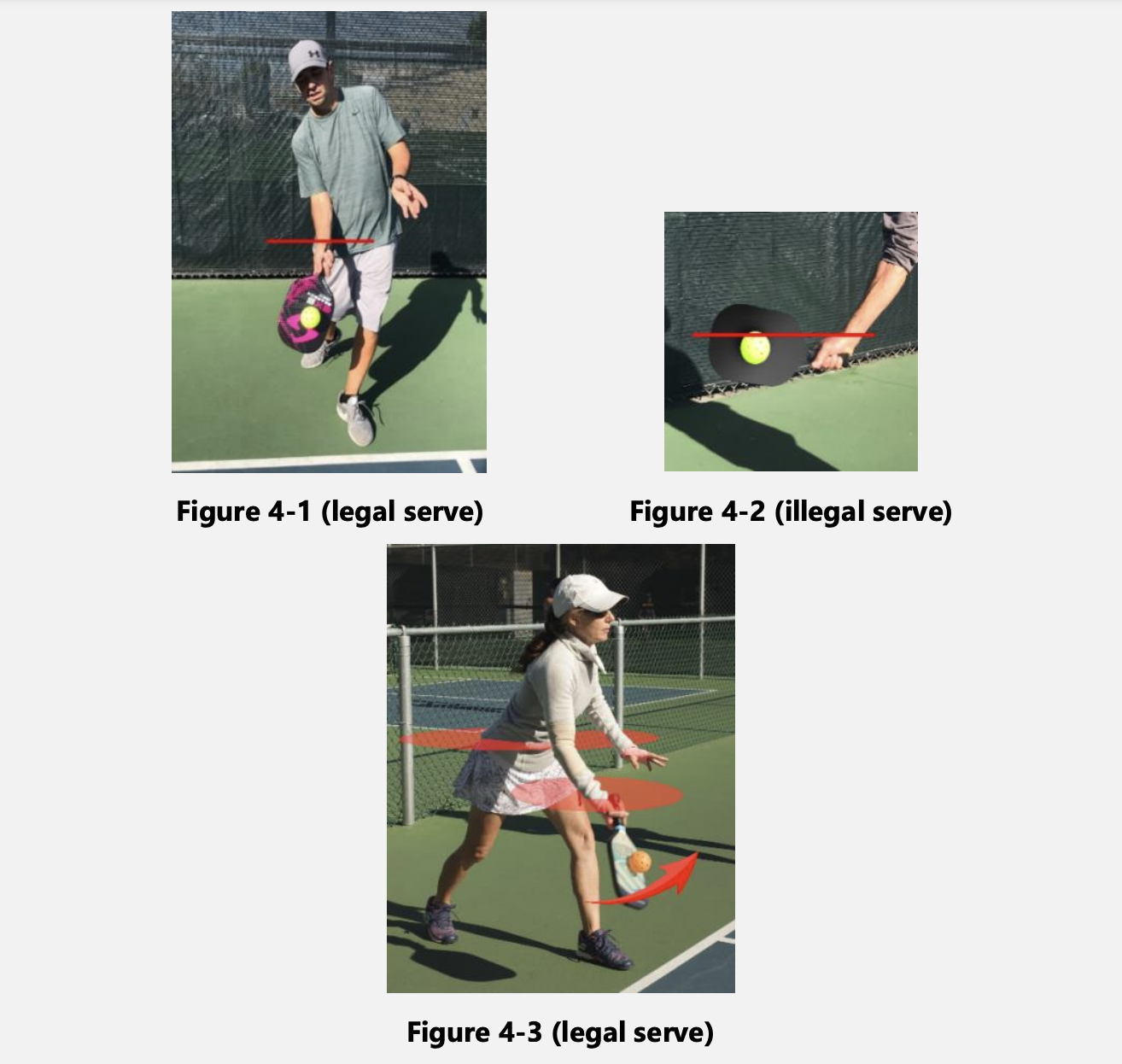
Know the rules first. Hit an underhand serve. Your paddle head must be below your wrist at contact. The ball must be hit below your waist, which means at your navel or lower.
Aim to the diagonal box. The pickle ball serve must land past the non-volley zone line. That kitchen line is not in. The baseline, centerline, and sideline are in. If your serve clips the net and still lands in, keep playing. There are no let serves now.
Your feet matter. At contact, at least one foot must be on the ground behind the baseline. Do not touch the court or the baseline. Call the score before you start your motion, or it can be a fault.
You have two legal methods. Use a volley serve: drop the ball from your hand and hit it out of the air. Do not add spin with your hand as you release. Or use a drop serve: let the ball fall from your hand or paddle face. Let it bounce, then hit. Do not toss or throw it down.
Rules can update each year. Recent updates banned the old chainsaw spin serve. Check the latest rulebook for any change near you. The core idea stays the same: simple, underhand, and cross-court.
Simple Mechanics: Build a Reliable Pickle Ball Serve
Think of a calm, smooth swing. Picture a pendulum. That is your model. The pickle ball serve should feel light and repeatable.
Setup
- Use a relaxed continental or slight eastern grip. Hold like a hammer, not a fist.
- Stand at least two feet behind the line. Face the target corner at a slight angle.
- Stance can be square or semi open. Pick what feels stable.
Ball release
- For a volley serve, let the ball drop from your hand. No added spin on release.
- For a drop serve, let the ball fall. Do not propel it. Hit after the bounce.
Swing keys
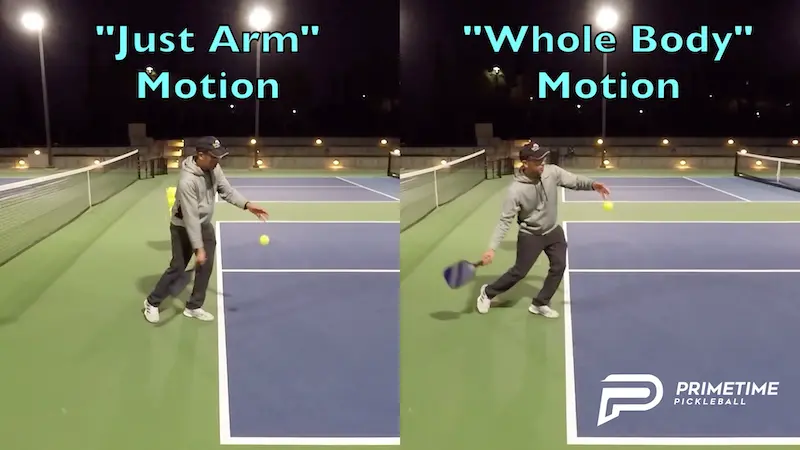
- Keep your wrist quiet. Lead with the shoulder and core.
- Brush through the ball. Contact in front of your hip, below your waist.
- Finish your arm to the target. Hold the finish for one count.
Contact height and arc
- Low contact creates a safe arc. Aim a foot over the net tape.
- Add depth with a longer follow-through, not more muscle.
A simple cue I use: slow back, smooth through. When I rush, I miss. When I breathe out on contact, I hit deep. That one breath fixed my pickle ball serve under stress.
Serve Types You Can Use Right Away
You do not need many tricks. Two or three serve types cover most needs. Each one boosts your pickle ball serve.
Deep neutral serve
- Goal: land three to five feet from the baseline.
- Use it as your default. It sets up a weak return.
Body serve
- Aim at the returner’s chest or hip.
- Jams their swing. Great on fast courts.
Backhand target serve
- Aim at the returner’s backhand corner.
- Most players float that return. Attack the next ball.
High soft serve
- Add height and depth. Use in wind or vs power hitters.
- Makes footwork hard for them.
Topspin and slice serve
- Topspin jumps up on the returner. Slice skids and stays low.
- Add spin with your paddle path. Do not try to snap the wrist.
Do not use the Nasty Nelson except as a joke with friends. It can hit the receiver and cause bad blood. Keep your pickle ball serve fair and smart.
Smart Serve Strategy for Singles and Doubles
Strategy is where your pickle ball serve earns points. Think chess, not darts. Use patterns and reads.
Singles
- Hit deep to corners. Make them move first.
- Serve wide, then aim down the line on the next ball.
- Mix pace. Hard, then soft. Keep them guessing.
Doubles
- Serve to set up your partner at the line.
- Target the weaker backhand in the ad court.
- Body serves force pop-ups. Your team closes in.
Read the wind and sun. Into the wind, add height. With the wind, aim lower and use slice. On bright days, a high soft pickle ball serve can blind a returner.
A note from league play: I win more when I plan the next shot before I serve. Pick your target now. Then your feet move fast for ball three.

Common Pickle Ball Serve Mistakes and Fixes
Small fixes make big gains. Use these checks to clean your pickle ball serve.
Foot faults
- Problem: toe on the line at contact.
- Fix: start a full shoe length back. Say “back-back-hit.”
High contact
- Problem: hit above the waist.
- Fix: bend your knees and reach forward. Keep the ball lower on release.
Short serves
- Problem: ball lands near the service line.
- Fix: slow down the backswing. Lengthen the finish to the target.
Wristy hits
- Problem: too much flick. Ball sprays.
- Fix: keep the wrist quiet. Lead with the shoulder.
Aim drift
- Problem: misses wide on wide serves.
- Fix: aim a ball’s width inside the line. Allow for curve and wind.
Nerves
- Problem: tight arm in matches.
- Fix: one breath in, one breath out on contact. Keep your routine.

Fast Drills and a 20 Minute Practice Plan
You build a strong pickle ball serve with short, sharp reps. Keep it fun and clear. Here is a plan I use.
Warm up, 3 minutes
- Ten easy serves cross-court. Focus on arc and feel.
- Two shoulder rolls each way. Light leg swings.
Depth ladder, 6 minutes
- Place three targets: just past the kitchen, mid court, deep near baseline.
- Hit three serves to each. Then five to the deep target only.
Corner plus body, 6 minutes
- Five serves to the backhand corner.
- Five to the body. Repeat twice. Track makes on a notepad.
Spin and pace mix, 3 minutes
- Three topspin, three slice, three flat.
- Keep the same toss or drop. Change only the swing path.
Pressure set, 2 minutes
- Make five deep serves in a row. Miss and you reset.
- This builds match focus fast.
Bonus habits
- Film from behind once a week. Check contact and feet.
- Use two cones near the baseline. Land beyond them. That is a winning pickle ball serve.

Gear Tips To Upgrade Your Pickle Ball Serve
Your tools shape your feel. Small gear tweaks help the pickle ball serve.
Paddle traits
- A midweight paddle feels stable on serves. It smooths your swing.
- A textured face can help you grab the ball for spin at contact.
Grip and overgrip
- Add an overgrip for tack. Replace it when slick.
- A firm, light hold lets the paddle flow.
Balls and court
- Hard balls fly faster. Softer balls need more swing.
- On slick courts, use more topspin. On slow, hit through more.
Shoes
- Stable shoes help you push off the line.
- Good grip cuts skid on the first step.
I switched to a slightly heavier paddle last season. My depth jumped at once. The ball held its line, and my pickle ball serve felt calm.

Advanced Spin, Deception, and Routine
Once you land most serves, add layers. These small edges raise the ceiling of your pickle ball serve.
Topspin cue
- Low to high swing. Brush the back to the top of the ball.
- Aim a tad higher. The dip brings it down.
Slice cue
- High to low path. Brush the back outside of the ball.
- Start the face a bit open. The ball skids after the bounce.
Deception
- Keep the same stance and release. Change only swing path and pace.
- Show the body serve, then go wide late.
Pre-serve routine
- Wipe the paddle, bounce once, call the score, breathe out.
- A set routine lowers nerves. Your pickle ball serve stays steady.
Mindset
- Think “deep and safe” not “ace.” You want weak returns.
- One small goal per game. For me: hit 80% deep to the backhand.

Rules Myths, Updates, and What To Watch
Rules change. Keep your pickle ball serve legal and simple.
Common myths
- Myth: you get a second serve. Truth: you get one serve try per point.
- Myth: a serve that hits the net is a let. Truth: play it if it lands in.
Updates to track
- Pre-spun volley serves are banned. Release with one hand, no added spin.
- The drop serve is legal. Let the ball fall on its own before you hit.
Local notes
- Some events post test balls or paddle rules. Check before you play.
- If unsure, ask a ref or host. A quick ask can save a key point.
When rules update, I keep my motion simple. That way, my pickle ball serve stays the same, and I do not risk a fault.
Frequently Asked Questions of pickle ball serve
What is the best grip for a pickle ball serve?
Use a relaxed continental grip. It gives easy control, simple spin, and less stress on the wrist.
Can I add spin with my hand before I hit the serve?
Do not add spin with your hand on a volley serve release. Focus on spin at paddle contact or use a legal drop serve.
Where should a pickle ball serve land to be legal?
It must land in the diagonal service box and beyond the kitchen line. Sideline, centerline, and baseline are all in.
How fast should I swing on the serve?
Use a smooth, medium swing at first. Add pace only when you can land eight of ten deep.
Is the drop serve better than the volley serve?
Both can work. The drop serve helps timing for new players, while the volley serve offers more reach and speed.
How do I get more depth on my serve?
Aim higher over the net and finish toward the target. Use your legs and core, not just your arm.
What is the most reliable pickle ball serve for doubles?
A deep neutral serve to the backhand is steady and safe. It sets your team for the next ball.
How do I stop double faults under pressure?
Use a short routine and one breath on contact. Pick a big target and swing smooth, not hard.
Conclusion
A great pickle ball serve is simple, deep, and repeatable. Learn the rules, lock the form, and train with small, clear targets. Then add smart aims, spin, and a calm routine.
Set a goal this week: 15 minutes, three times, with the depth ladder drill. Track your makes, and your pickle ball serve will start winning points right away. Want more? Save this guide, share it with a partner, and drop your questions or results in the comments.