
A standard pickleball court is 20×44 feet with 7-foot kitchens; California corners are 45-degree clipped fence corners, and California sides are stepped-height side fences for better flow.
If you want the clearest, friendliest guide to pickleball court dimensions with California corners and sides, you are in the right place. I have laid out and consulted on dozens of builds, from backyard conversions to club complexes. In this guide, I break down the exact court dimensions, how California corners and sides work, and how to design them together for safe play, clean sightlines, and a pro look. Let’s build it right the first time.

Standard pickleball court dimensions, explained
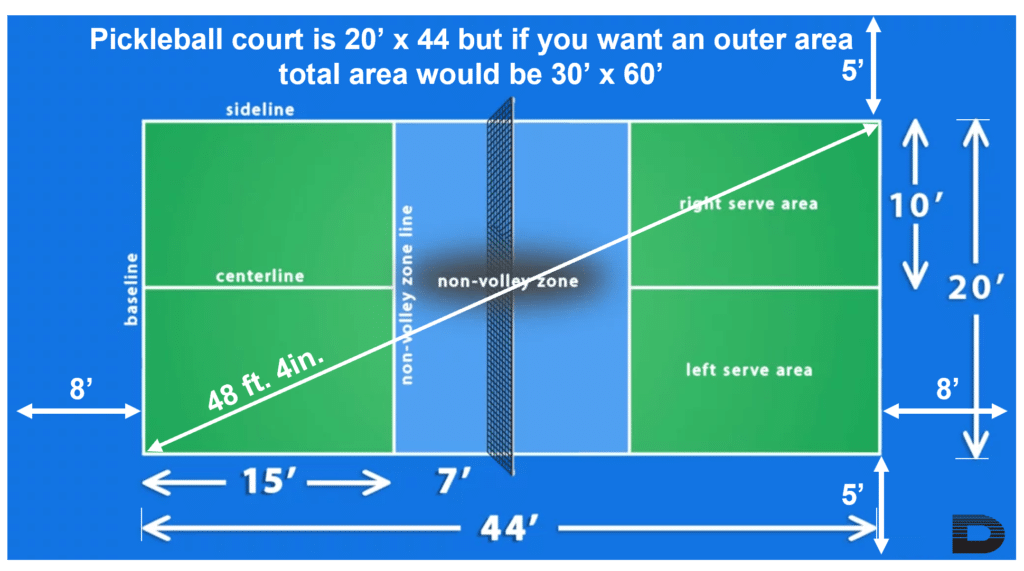
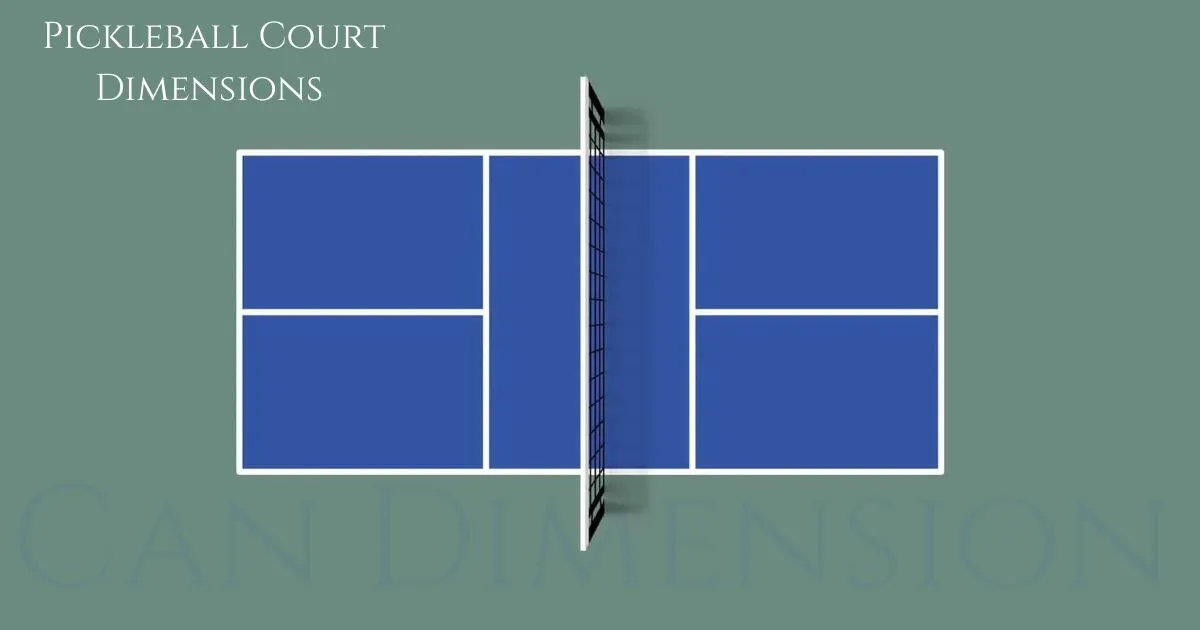
A regulation pickleball court is 20 feet wide and 44 feet long. That is the inbounds playing area. Everything else you add is buffer and fencing. The non-volley zone, often called the kitchen, is 7 feet deep on each side of the net. Service courts are 10 by 15 feet, divided by a centerline.
Key line and net specs you should lock in:
- Sidelines and baselines outline 20×44 feet. Lines are 2 inches wide and typically white.
- Non-volley zone lines are 7 feet from the net on each side.
- Service boxes are 10 feet wide by 15 feet long, split by a centerline that stops at the NVZ line.
- Net height is 36 inches at the sidelines and 34 inches at the center. Net length is 22 feet.
- Court orientation is best north–south to manage sun.
For space around the court, aim for at least 30×60 feet. That is the minimum recommended play area. For events and best safety, 34×64 feet feels great. These are the base facts you will blend with California corners and sides.
What are California corners and California sides?
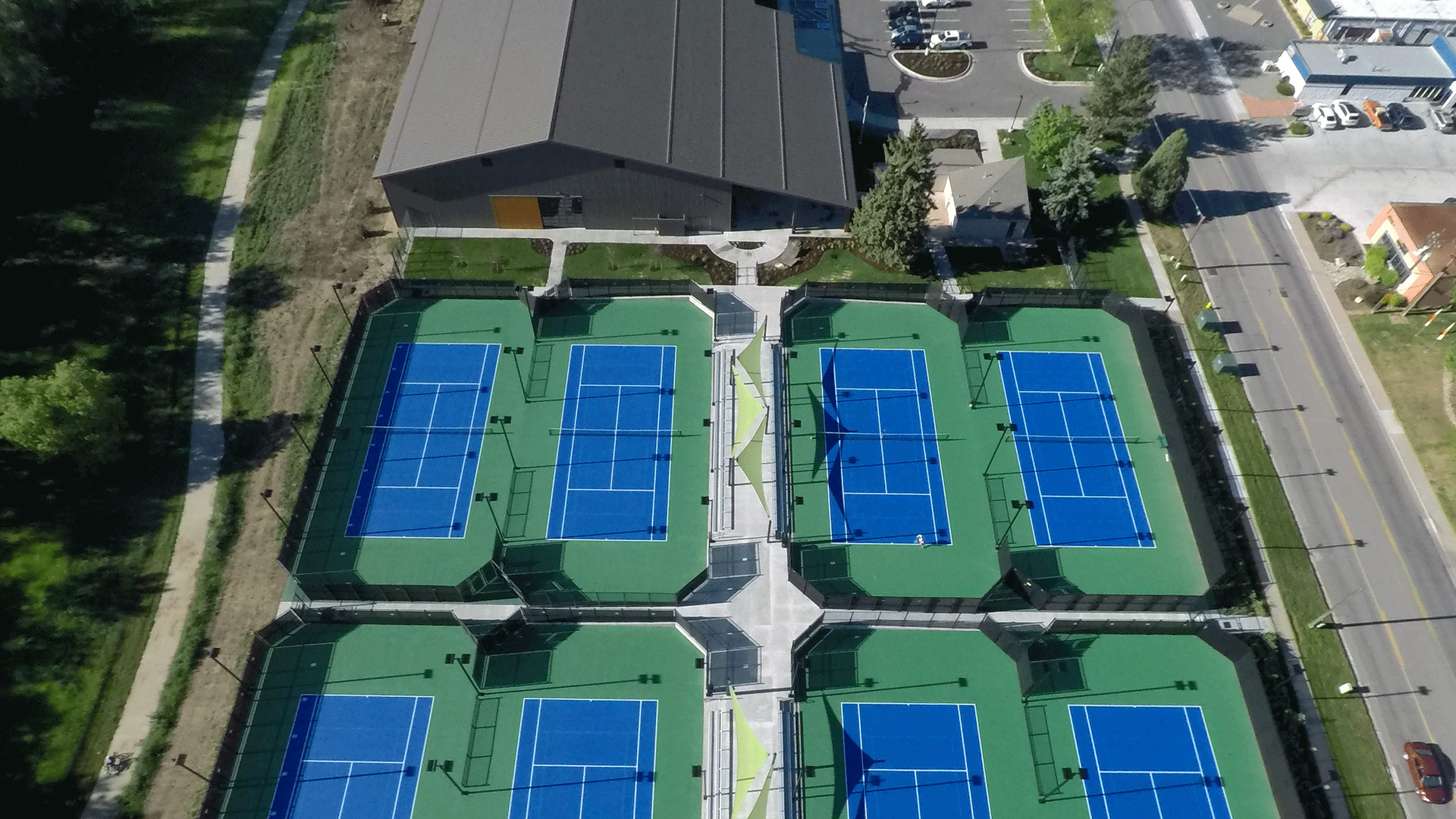
California corners and sides refer to fence layout choices, not the painted court lines. They change the shape and height of your fence to improve safety and flow. The playing dimensions stay the same at 20×44 feet.
Here is what each term means in practice:
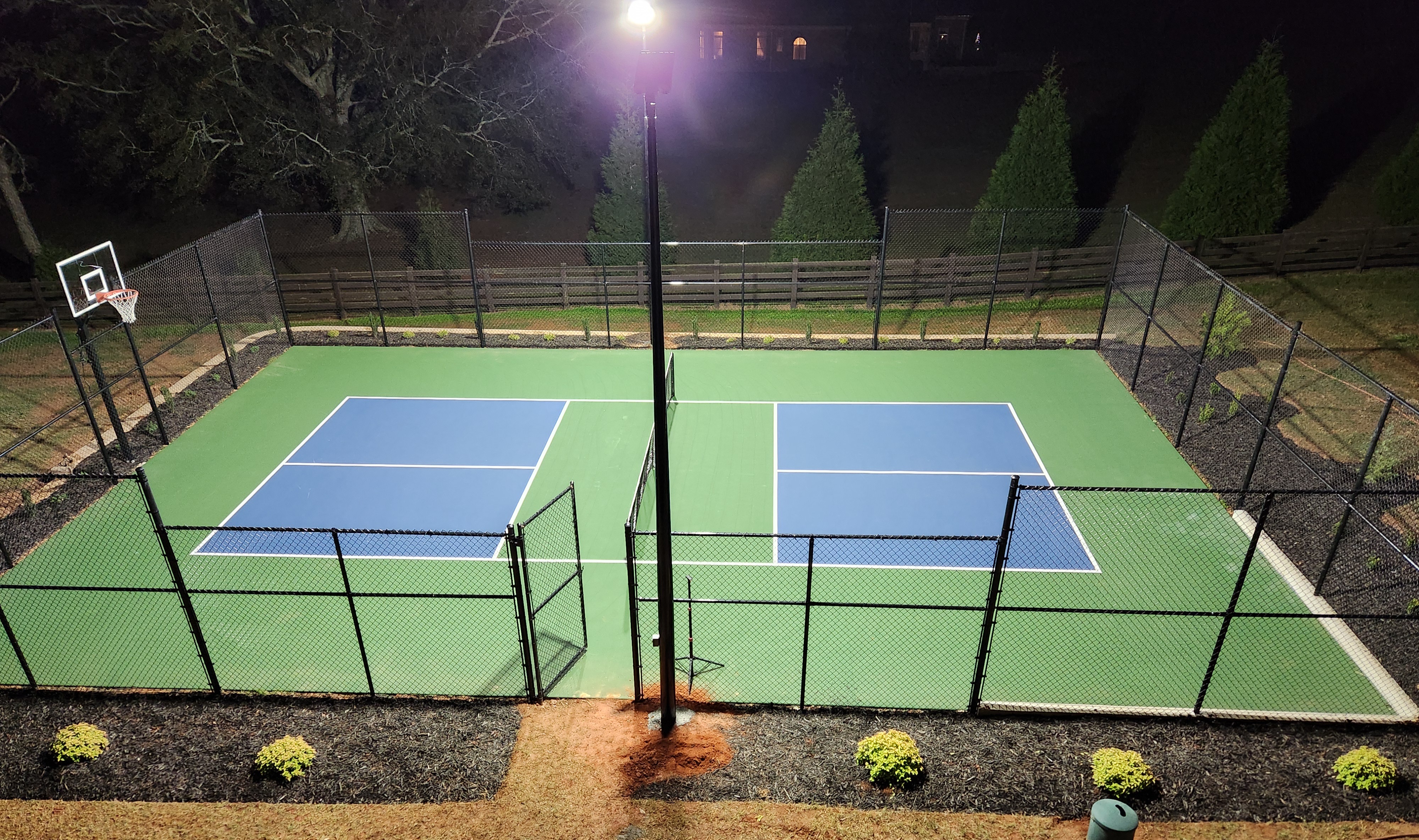
- California corners: The fence corners are clipped at a 45-degree angle instead of a tight 90-degree corner. This removes ball traps, softens blind spots, and improves traffic flow. It looks clean and plays better.
- California sides: Side fences step down in height near the net for viewing and easy entry, then step up again near the baselines to catch deep balls. This gives you both visibility and control.
These features are common in tennis and now popular in pickleball builds. They are not part of the rulebook, but they match real-world needs. If you want pickleball court dimensions with California corners and sides, you keep the 20×44 lines fixed and tailor the fence around them.
Full layout: pickleball court dimensions with California corners and sides
Start with the regulation 20×44-foot court. Add buffer space to reach a 30×60-foot minimum pad or a 34×64-foot preferred pad. That pad guides your fence and corners. Now add California corners and sides to the perimeter.
A clean, functional setup:
- Playing area: 20×44 feet, centered within your pad.
- Buffer space: 5–10 feet behind each baseline, 3–10 feet on each sideline. More is better.
- California corners: Clip each fence corner with a 45-degree panel. A common cut is 6–8 feet along each fence line before the diagonal begins. Adjust the clip to your site and gates.
- California sides: Use lower side fence panels near the net for viewing and access, then higher panels near the baselines to contain balls.
- Gates: Place gates on a side near the net for easy entry. Keep them clear of play lanes.
When people search for pickleball court dimensions with California corners and sides, they often want exact numbers. Use the core 20×44 court, then size your clipped corners and side heights to your space and budget. The fence can flex. The lines cannot.

Measurements and marking guide for accuracy
You can lay out a court in one day if you plan. Here is a simple method I use on fresh asphalt or concrete.
Step-by-step:
- Snap a baseline: Measure 44 feet for the length and 20 feet for the width. Mark all four corners.
- Square the rectangle: Check the diagonal. It should be about 48 feet 4 inches. Adjust until both diagonals match.
- Mark the net line: Center the net across the 20-foot width.
- Mark kitchens: Measure 7 feet from the net on both sides. Snap a line across.
- Mark service boxes: From the NVZ line to the baseline is 15 feet. Split that space with a centerline to form 10×15 service boxes.
- Paint lines: Use 2-inch line tape or a chalk line. Apply textured line paint for grip.
Pro tip from the field:
- I paint a thin reference coat first to confirm spacing. Then I lay the full-width lines. It saves headaches if anything is off by an inch.
This process locks in the pickleball court dimensions with California corners and sides. The corners and sides come later with the fence.
Fencing heights and gates for California sides
The best courts I see use mixed fence heights. This is the heart of California sides. You keep sightlines open where players and fans watch. You build taller backstops where balls fly most.
Suggested heights:
- Backstops: 10 to 12 feet behind each baseline.
- Side panels near the net: 3 to 4 feet for clear viewing and quick entry.
- Side panels near the baselines: 6 to 8 feet to hold deep balls.
- California corners: Use the same height as the nearest backstop. That keeps the look smooth.
Gate and safety details:
- Gate width: 42 to 48 inches is user-friendly and helps with ADA access.
- Threshold: Keep flush with the surface to avoid trips.
- Swing: Outward swing, away from play lanes.
- Hardware: Use padded posts or cap guards near entries.
With pickleball court dimensions with California corners and sides, think about how people move. Players change ends a lot. Make that flow easy and safe.
Surfacing, lines, and slope that last
A good surface makes a court feel pro. It also protects joints and extends life.
What works well:
- Base: Sound asphalt or concrete with a consistent slope for drainage. Aim for 1 percent fall in one direction.
- Coatings: Two or three acrylic color coats with silica texture for grip. Choose mid-tone colors to balance heat and ball contrast.
- Lines: 2 inches wide, bright white or approved contrast, textured to match the court.
- Net posts: Centered on the sidelines and anchored outside the 20×44 playing area.
Climate tip:
- In hot, sunny zones, like much of California, add UV-stable coatings. Use windscreen with 70 to 80 percent opacity on the tall fences to cut glare and wind without turning the fence into a sail.
Dial in the surface once. Then your pickleball court dimensions with California corners and sides will feel great for years.
Safety clearances and run-off zones
Even if space is tight, give players room to chase lobs and angle shots. It reduces collisions and ankle rolls. It also cuts fence wear.
Target clearances:
- Behind baselines: 8 to 10 feet is ideal. Do not go under 5 feet if you can help it.
- Along sidelines: 6 to 10 feet feels good. Do not go under 3 feet.
- Overhead: Keep lights and nets high enough to avoid contact.
- Fence posts: No protruding fittings in play zones. Use flush caps and padding.
California corners help here. Clipped corners reduce blind spots and trap zones. California sides make access easy near midcourt. Together, they make real play safer within the same footprint.
Cost and planning tips
Prices vary by region, base condition, and fence choices. Use these rough ranges to plan.
Typical costs:
- Overlay or conversion on existing slab: often 20,000 to 60,000 for one court with fencing and lights optional.
- New slab and full build: often 45,000 to 120,000 depending on site prep and drainage.
- California corners and sides: expect a 5 to 15 percent increase in fence cost for extra panels, bracing, and gates.
Ways to save without cutting quality:
- Build the base pad once to 34×64 feet. You can stripe more courts later.
- Use stepped side heights only where you need them.
- Choose durable coatings and good prep. Cheap paint fails fast in sun and water.
If your bid mentions pickleball court dimensions with California corners and sides, check the fence drawings. Make sure the dimensions and step-downs match your goals.
Real-world lessons and mistakes to avoid
I have learned more from punch lists than from perfect plans. These are the big ones.
What to do:
- Confirm the 48-foot 4-inch diagonal before any paint. It catches squaring errors.
- Keep gates near midcourt on the low side fence. Players move there most.
- Use a small chamfer or radius on slab edges under clipped corners to reduce cracking.
What to avoid:
- Tall side fences right at the net. They block views and feel cramped.
- Gates in the deep corners. People hit them, and balls pile up.
- Fence ties sticking into play. Use flush ties or sleeves.
You can have pickleball court dimensions with California corners and sides that look great and play even better. Small choices make a big difference over time.
Lighting and amenities that fit the layout
Great lighting makes evening play easy on the eyes. It also helps safety at gates and corners. Plan it with your fence heights.
Simple guidelines:
- Target 20 to 30 foot-candles for rec play with even coverage.
- Keep poles outside run-off zones and aligned with fence posts.
- Add benches and a water source near the low side fence. Keep clutter out of play.
Amenities round out your pickleball court dimensions with California corners and sides. They also help leagues and lessons run smooth.
Compliance, permits, and maintenance
Codes vary, so check before you dig. Good paperwork avoids delays.
What to confirm:
- Local fence height limits and setbacks.
- Drainage approvals for new slabs.
- Low-voltage runs for lighting and security.
- ADA paths to gates and clear areas inside.
Maintenance plan:
- Clean and blow the court weekly. Sand and grit eat coatings.
- Touch up lines each season. Keep contrast sharp.
- Inspect gates, hinges, and fence ties. Replace worn parts fast.
A little maintenance keeps your pickleball court dimensions with California corners and sides crisp and safe.
Frequently Asked Questions of pickleball court dimensions with california corners and sides
What are the official pickleball court dimensions?
The playing area is 20×44 feet with 7-foot non-volley zones on both sides. Lines are 2 inches wide, and the net is 36 inches at the sidelines and 34 inches at center.
Do California corners change the court size?
No. California corners change the fence shape, not the painted lines. The court still measures 20×44 feet.
How high should the fences be with California sides?
Use 10 to 12 feet behind baselines and 3 to 4 feet near the net along the sides. Step back up to 6 to 8 feet near the baselines to control deep balls.
What total space do I need for one court?
Aim for at least 30×60 feet of clear space. If you can, go to 34×64 feet for safer run-off and better play.
Can I convert a tennis court and add California corners?
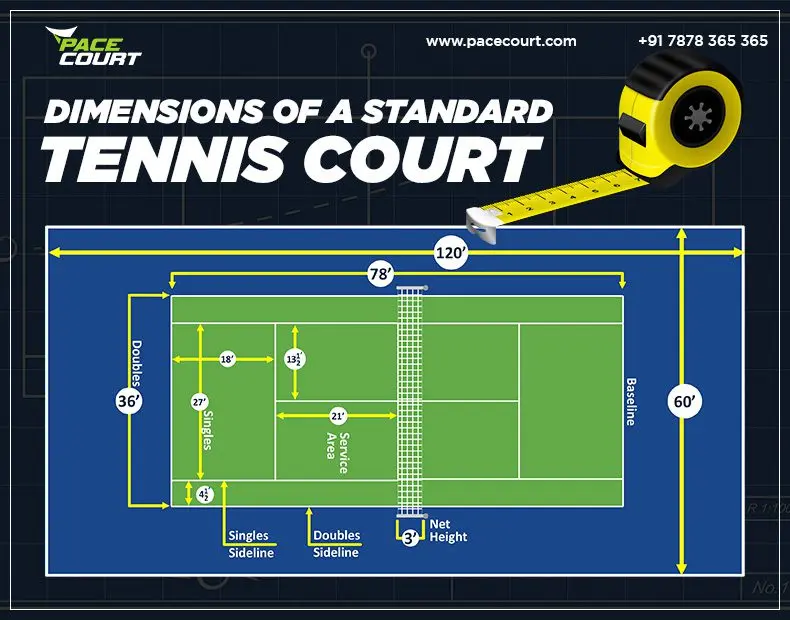
Yes. You can stripe pickleball lines and rework fencing at the corners and sides. Clipped corners and stepped sides improve access and viewing.
Are California corners required by the rules?
No. They are a design option. The official rules cover line dimensions and net height, not fence shape.
How do I check if my court is square?
Measure both diagonals of the 20×44 rectangle. They should match and be about 48 feet 4 inches.
What color should I use for lines and surface?
Use white or light lines with good contrast to the surface. Mid-tone acrylic colors keep heat down and visibility high.
Where should I place the gate on a California sides layout?
Put the main gate near midcourt on a low side fence panel. This keeps flow easy and out of the baseline run.
Does the clip size for California corners have a standard?
No single standard fits every site. Many builders clip 6 to 8 feet along each fence leg, but adjust to fit your pad and gates.
Conclusion
You now have the full picture of pickleball court dimensions with California corners and sides. Keep the 20×44 lines exact. Then shape the fence with clipped corners and stepped side heights to boost safety, flow, and viewing. It is a simple idea that makes a big difference on court.
Ready to plan your build or upgrade? Use this guide as your checklist, compare bids against it, and take the next step. Have a question or a photo of your layout? Drop a comment and let’s make your court the one everyone wants to play on.