
Pickleball DIY projects let you create courts, paddles, and training aids affordably using simple, accessible materials. The incredible boom of pickleball has everyone itching to play, but sometimes the cost of gear or access to a court can be a barrier. As someone who has spent countless hours on the court and even more time tinkering in my garage, I've discovered the immense satisfaction and savings that come with a little do-it-yourself spirit. This guide is your ultimate resource for all things pickleball DIY, walking you through everything from taping your first driveway court to crafting fun practice tools that will elevate your game without emptying your wallet.

Why Go the DIY Route for Pickleball?
Embracing the world of pickleball DIY is about more than just saving money; it's about making the game truly your own. When you build something with your own hands, you gain a deeper appreciation for the sport. The biggest draw, of course, is the cost-effectiveness. A dedicated court installation can cost thousands, but a temporary DIY court might only set you back the price of some painter's tape.
Beyond the savings, customization is a huge plus. You can tailor your projects to fit your specific space and needs. I remember my first DIY project was creating a small practice backboard for my garage. It wasn't pretty, but it allowed me to drill dinks for hours on rainy days, something I couldn't have done otherwise. This journey into pickleball DIY fosters creativity and provides a fun, rewarding activity for you, your family, and your friends.

Your First Project: Building a DIY Pickleball Court
Creating your own pickleball court is the most popular and impactful pickleball DIY project. It instantly transforms an unused space into a hub of activity. It might sound intimidating, but with a few basic supplies and a little patience, you can have a playable court in an afternoon.
Choosing Your Location
The first step is finding the right spot. The ideal surface is flat, smooth, and free of cracks or debris. A two-car driveway is often the perfect canvas, but a patio, cul-de-sac, or an old tennis court can also work beautifully. Before you start, sweep the area thoroughly to ensure your lines will stick and the ball will have a true bounce.
Gathering Your Supplies
You don't need a professional toolkit for this. Most of what you need can be found at a local hardware store.
- A measuring tape (at least 50 feet long)
- Chalk or a chalk line for initial markings
- Court line tape (painter's tape for very temporary use, or more durable court marking tape for longer-lasting lines)
- A portable pickleball net system
Measuring and Marking the Court
Accuracy is key, but don't stress about perfection. The official court size is 20 feet wide by 44 feet long. Start by marking your 44-foot sidelines. Then, measure the 20-foot baselines at each end to form a rectangle. The most important area is the Non-Volley Zone (NVZ), or "kitchen," which extends 7 feet from the net on both sides. Measure 7 feet from the center line (where the net will be) and mark your NVZ line across the 20-foot width.
Setting Up Your Net
Once your lines are down, the final piece is the net. Portable pickleball net systems are a fantastic investment because they are easy to set up and take down. Simply assemble it according to the manufacturer's instructions and place it on the center line of your newly created court. In my experience, these portable nets are surprisingly sturdy and provide a great playing experience for a fraction of the cost of a permanent installation.
Crafting Your Own Pickleball Paddles: A Creative Challenge
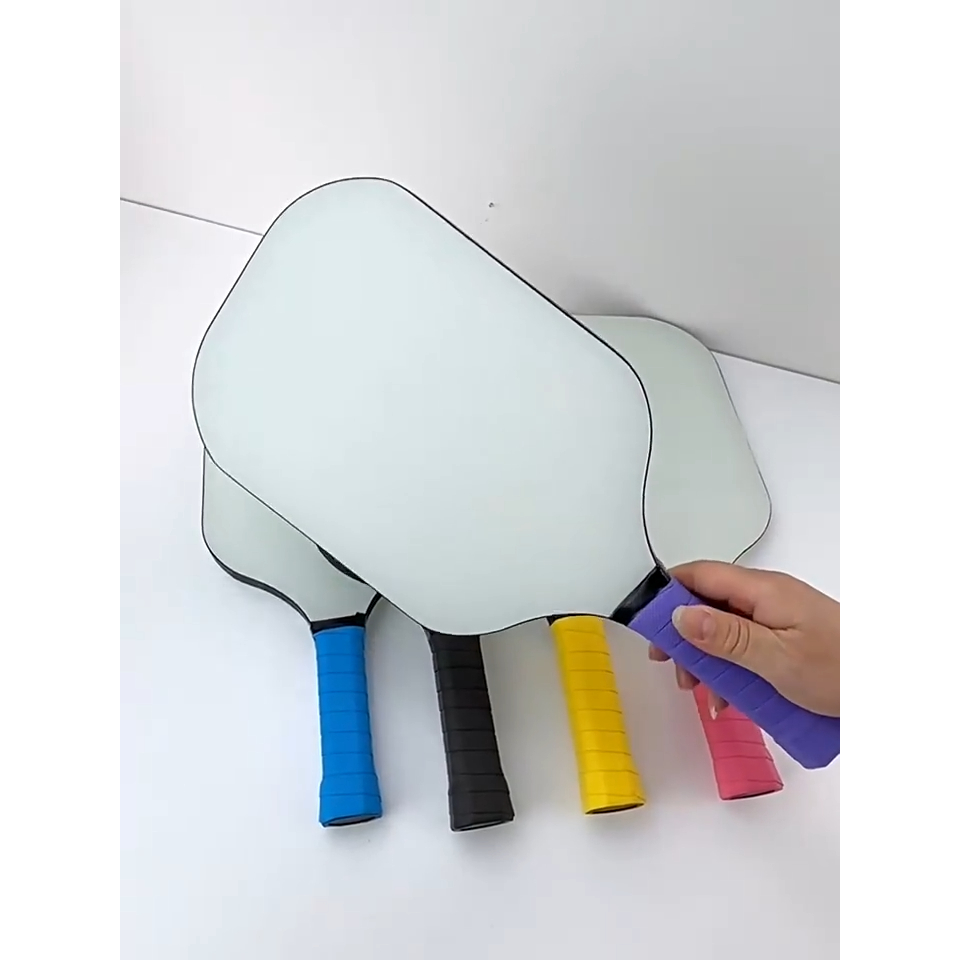
Making your own pickleball paddle is a more advanced pickleball DIY project, but it’s incredibly satisfying. While these homemade paddles won't be approved for tournament play, they are perfect for casual games with friends and family. It’s a fantastic way to understand the mechanics of a paddle and experiment with different shapes and weights.
What You'll Need
This project requires a few more tools, but the materials are straightforward.
- A piece of 1/2-inch or 3/4-inch plywood
- A jigsaw or band saw
- Sandpaper (medium and fine grit)
- Wood sealant or paint
- Grip tape (like that used for tennis rackets or hockey sticks)
Step-by-Step Paddle Creation
- Trace a paddle shape onto your plywood. You can use an existing paddle as a template or find a pattern online. The total length and width should not exceed 24 inches.
- Carefully cut out the shape using your jigsaw. Take your time, especially around the curves of the handle and paddle head.
- Sand all the edges until they are completely smooth. This is a crucial step for safety and comfort. Start with medium-grit sandpaper and finish with fine-grit for a polished feel.
- Apply a few coats of wood sealant or paint to protect the paddle from the elements and give it a personalized look. Let it dry completely.
- Wrap the handle tightly with grip tape, starting from the bottom and working your way up. This will provide comfort and prevent the paddle from slipping out of your hand.
My first DIY paddle was a bit clunky, but hitting a winning shot with something I made myself was an unbeatable feeling. It’s a great project for a weekend afternoon.
Essential Pickleball DIY Training Aids
You don't need expensive equipment to improve your skills. Some of the most effective training tools can be made with items you already have around the house. These simple pickleball DIY aids are perfect for solo practice and targeted drills.
DIY Rebound Wall or Backboard
A backboard is one of the best tools for practicing dinks, volleys, and reaction time. You can use a smooth garage door or a brick wall as a makeshift rebounder. If you want a dedicated space, you can build a simple backboard by mounting a 4×8-foot sheet of plywood to a wall or a sturdy frame. Angle it slightly to help the ball bounce back towards you.
Target Practice Tools
Improving your accuracy is all about repetition. Create simple targets to aim for during your drills.
- Use painter's tape to make an "X" or a square on your backboard or on the court.
- Place small cones or even empty plastic bottles on the court and practice hitting them with serves and dinks.
- Lay a hula hoop in the kitchen and try to land your dinks inside it consistently.
Agility Drills with DIY Markers
Footwork is fundamental in pickleball. You can create your own agility ladder using chalk on your driveway or by laying down strips of tape. Practice quick-footwork drills to improve your movement and court coverage. These simple exercises make a huge difference in your ability to get to the ball.

Mistakes to Avoid in Your Pickleball DIY Journey
While pickleball DIY is fun and rewarding, there are a few common pitfalls to watch out for. Learning from them will save you time, money, and frustration. My friend learned this the hard way when he used duct tape for his court lines; it left a sticky residue on his driveway that was a nightmare to clean up.
One of the biggest mistakes is inaccurate court measurements. Double-check your dimensions before laying down permanent tape. Another common error is skimping on surface preparation. Always clean the area thoroughly so your lines adhere properly and you get a consistent bounce.
When making paddles, ensure you sand the edges completely to avoid splinters. Also, understand that a DIY wooden paddle will be heavier and have a smaller sweet spot than a modern composite paddle. Set realistic expectations and focus on the fun of the creation process, and your pickleball DIY experience will be a resounding success.

Frequently Asked Questions of pickleball diy
Can I make a tournament-legal DIY paddle?
It is highly unlikely. Tournament-legal paddles must be approved by USA Pickleball and meet strict material and construction standards, which are difficult to replicate in a DIY setting.
What's the cheapest way to make a pickleball court?
The cheapest method is using chalk and a portable net on a driveway or other existing hard surface. This allows you to set up a court for under a hundred dollars.
How long does a DIY pickleball court last?
The longevity depends on the materials used. Chalk or painter's tape may only last for a day or a weekend, while specialized court-marking tape can last for several months, depending on weather and usage.
Is it hard to build a pickleball backboard?
Building a simple plywood backboard is a relatively easy project for someone with basic woodworking skills. The most important part is ensuring it is securely mounted to a wall or a stable frame.
What kind of tape is best for a temporary court?
For a court lasting a few weeks or months, look for vinyl court-marking tape. For a very short-term court (like a single afternoon), a wide, high-quality painter's tape works well and is easy to remove.
Conclusion
The journey into pickleball DIY is a rewarding one that blends creativity, practicality, and a love for the game. From laying down the lines of your very first court to hitting a ball with a paddle you crafted yourself, these projects deepen your connection to the sport. They make pickleball more accessible, more personal, and a lot more fun.
Don't be afraid to start small. Grab some tape, find an open space, and see how easy it is to bring pickleball to your own backyard. You'll not only save money but also create lasting memories with every game you play.
Now it's your turn! What pickleball DIY projects have you tried? Share your creations and tips in the comments below