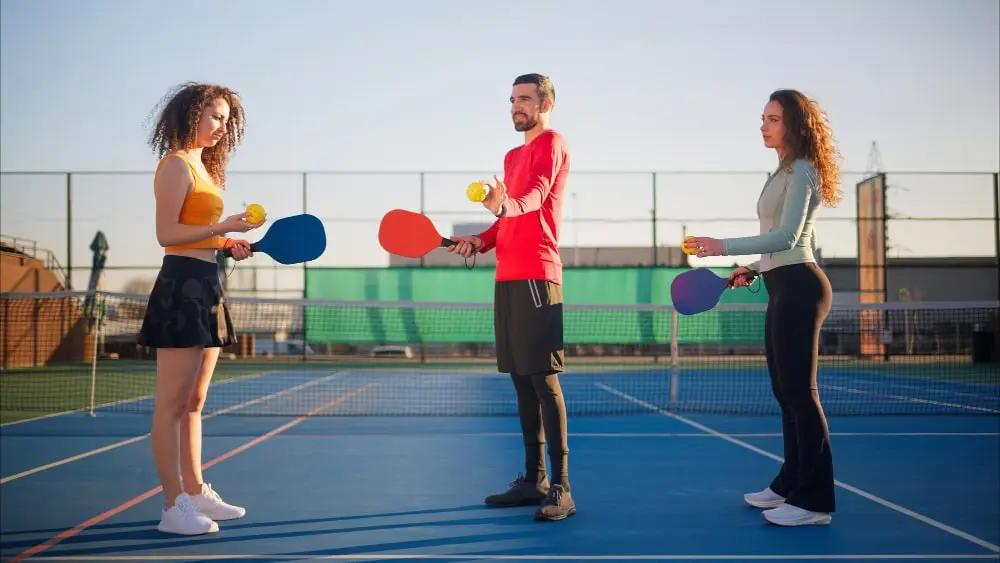
Pickleball for beginners is a fun, low-impact paddle sport with easy-to-learn rules.
If you’re curious about pickleball for beginners, you’re in the right place. I’ve helped brand-new players go from nervous first games to confident rallies in weeks. In this guide, I’ll show you the gear you need, the rules you’ll use, and the simple drills that build real skill. Stick with me, and you’ll step onto the court with a plan and a smile.
What Is Pickleball and Why It’s Booming
Pickleball blends parts of tennis, badminton, and ping-pong. The court is small, which means less running and more fun. Most games are doubles, so the game is social and fast. That is why pickleball for beginners feels welcoming from day one.
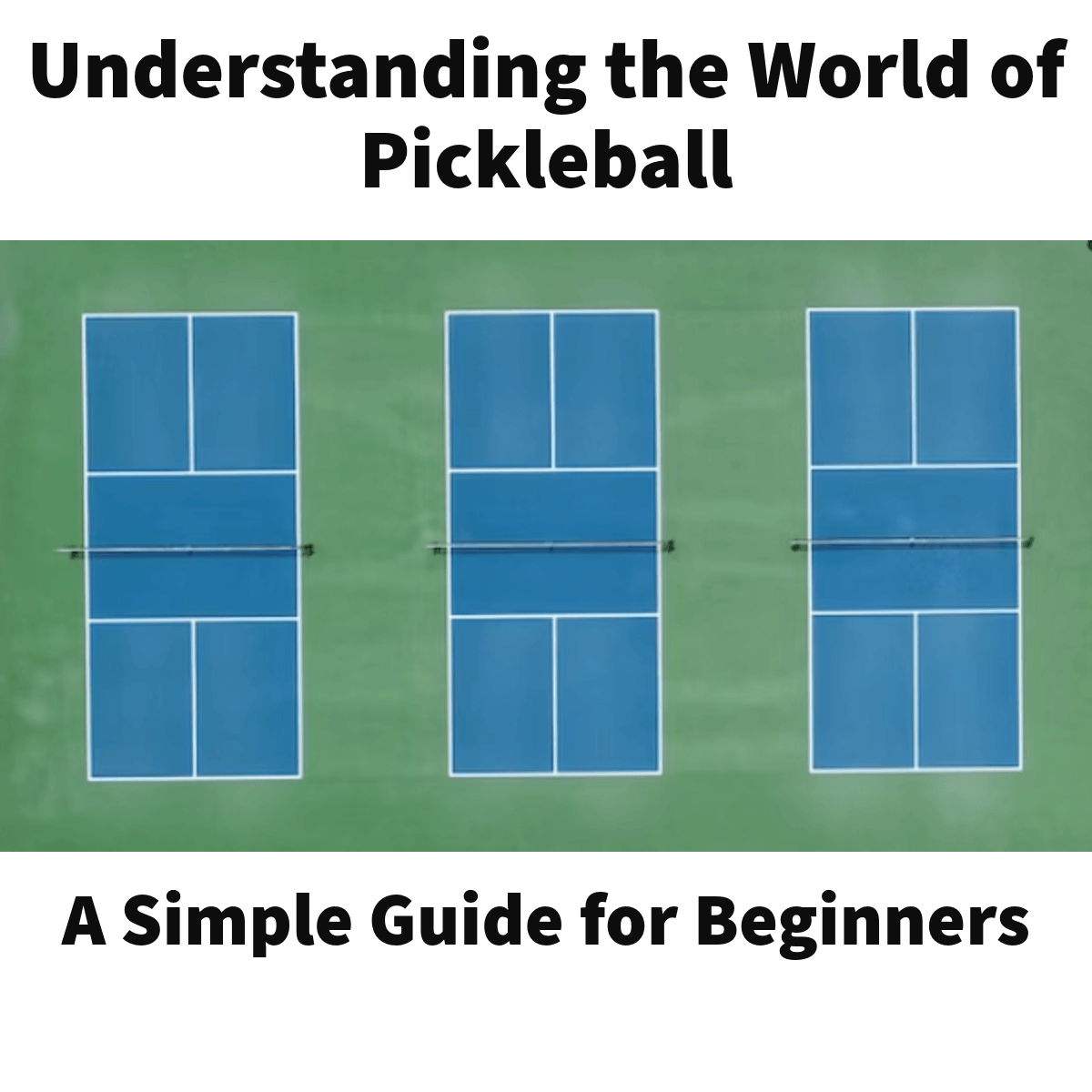
A standard court is 20 by 44 feet. The net is 36 inches at the sides and 34 inches in the middle. You play with a paddle and a plastic ball with holes. The ball flies slower than a tennis ball, so you have more time to react.
Based on the official rules, you serve underhand and must let the ball bounce once on each side to start a rally. This slower start keeps points fair and long. It also gives new players time to learn control.
Essential Gear for New Players
When it comes to pickleball for beginners, start simple. You do not need a pro setup to enjoy the game.
- Paddle: Choose a midweight paddle, about 7.5 to 8.5 ounces. Lighter paddles help control, heavier paddles add power. Try a grip size that feels snug, not tight.
- Balls: Outdoor balls have smaller holes and are firmer. Indoor balls have larger holes and are softer. Check your local courts to match the ball to the surface.
- Shoes: Wear court shoes with good grip and lateral support. Running shoes are not ideal since they are built for forward motion.
- Extras: A hat, sunscreen, a water bottle, and eye protection are smart. A small towel helps in heat or humidity.
Personal tip: When I started, I used a cheap paddle that was too light. My shots floated. I switched to a midweight paddle, and my control improved fast.

The Court, Lines, and Basic Rules
Pickleball for beginners gets easier once you know the court. The non-volley zone, also called the kitchen, is a 7-foot area on both sides of the net. You can step in it, but you cannot hit a volley while standing in it.
Key rules to remember:
- Serve underhand with one foot behind the baseline.
- The ball must land in the diagonal service box.
- No lets on serve. If the serve clips the net and lands in, play on.
- The double-bounce rule: the return must bounce, then the next shot must bounce. After those two bounces, you may volley.
- Lines on the serve: the baseline and sidelines are in. The kitchen line is out on the serve.
- Faults include hitting out, into the net, or volleying in the kitchen.
These simple rules keep rallies fair and make the game easy to pick up.

How to Serve, Return, and Rally
Pickleball for beginners starts with a clean serve and a deep return. Keep it simple and steady. Aim for 80 percent in, not aces.
Serving basics:
- Use an underhand motion. Contact the ball below your waist with a low-to-high swing.
- For the drop serve, let the ball fall from your hand. Then hit it after it bounces.
- Aim deep to the backhand if you can. Depth beats speed.
Returning basics:
- Step forward and hit deep down the middle. Depth buys time to reach the kitchen line.
- Keep your paddle up and ready. Short strokes beat big swings.
Rally habits:
- After the return, move to the kitchen line fast.
- Use soft hands at the net. Think “catch and guide,” not “slam.”
- When in doubt, hit middle. Two players can watch it and may freeze.

Scoring Made Simple
Most rec games use side-out scoring to 11, win by 2. Only the serving team can score. That is standard pickleball for beginners in parks and clubs.
How to call the score in doubles:
- Say three numbers: server’s score, receiver’s score, and server number (1 or 2).
- At the start of a game, the score is 0-0-2. That limits the first serving team to one serve turn.
Example:
- You win a point serving first. Now call 1-0-2 and serve again.
- You lose the rally. Serve passes to the other team.
Tournaments may use games to 15 or 21. Ask before you start.
Day-One Strategy and Footwork
Strategy for pickleball for beginners is simple. Get to the kitchen line and hold it. Shots get easier when you are close to the net.
Core ideas:
- Split step before each hit. Land on the balls of your feet and stay light.
- Keep the paddle up like a shield. Many balls come fast at the net.
- Aim cross-court on dinks. The net is lower in the middle and gives you margin.
- Communicate every ball. Say “mine” or “yours” early.
Footwork tips I learned the hard way:
- Do not cross your feet on short moves. Use small side steps.
- Stay low with bent knees. Low hips mean quick changes and fewer mishits.
Beginner Drills You Can Do Anywhere
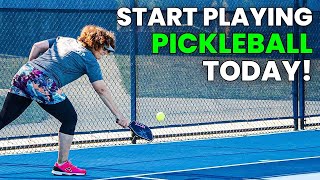
Drills help pickleball for beginners build muscle memory fast. Ten minutes a day works wonders.
Try these simple drills:
- Wall rally: Stand 10 feet from a wall. Tap the ball gently and keep a rally of 20.
- Dink ladder: At the kitchen, aim five dinks cross-court, then five down the line. Repeat.
- Serve to zones: Place two targets in the back corners. Hit 20 serves, score 1 point per target.
- Return deep: Have a friend feed serves. Aim past the kitchen and call “deep” out loud.
- Third shot drop: From the baseline, hit a soft arc that lands in the kitchen. Focus on height, not speed.
- Shadow steps: Without a ball, practice split step, side step, and recover. Do 2 sets of 30 seconds.

Common Mistakes and How to Fix Them
I see the same errors in pickleball for beginners every week. The good news: they are easy to fix with small tweaks.
Frequent mistakes and fixes:
- Death grip on the paddle: Loosen to a 3 or 4 out of 10. Soft grip = soft hands.
- Standing back: Sprint to the kitchen after your return. Own the net.
- Smashing every ball: Use dinks to set up the attack. Wait for a high sitter.
- Kitchen foot faults: Call out “kitchen” with your partner. Learn to lean, not step.
- Wild serves: Aim for deep and safe. Power comes later.
- Late preparation: Get the paddle up early. A ready paddle wins net battles.

Safety, Etiquette, and Court Culture
Pickleball for beginners should be safe and kind. A little care keeps play smooth and fun.
Safety:
- Warm up for five minutes. Loosen the ankles, knees, and shoulders.
- Do not backpedal for lobs. Turn and run with small steps.
- Watch for wet or dusty spots. Wipe sweat from the court if needed.
Etiquette:
- Call “ball on” and stop play if a ball rolls in.
- The receiving team makes line calls on their side. If it is close and you did not see it, call it good.
- Rotate fairly in open play. Use paddle stacking to track who is next.
- Thank your partners and opponents. A good vibe brings better games.
This culture is why pickleball for beginners keeps coming back the next day.
How to Find Places to Play and Join Games
You can find courts at parks, community centers, and gyms. Many cities have open-play times. Search a court locator app, local clubs, or social groups. Ask about beginner blocks or clinics. That is a fast path for pickleball for beginners.
When you arrive:
- Look for a paddle rack or stacking spot.
- Ask what level is playing. Beginners are often called 2.0 to 3.0.
- Start with warm-up dinks, then baseline hits. It calms nerves and builds control.
- Offer to rotate and learn names. A friendly ask gets you invited back.
A 30-Day Plan: From First Swing to Confident Player
Here is a simple month plan that works for pickleball for beginners. Keep sessions short and steady. Small wins stack fast.
Week 1: Build control
- Day 1–2: Grip, ready position, and dinks. Ten minutes of wall work.
- Day 3–4: Serve to big targets. Focus on height and depth.
- Day 5–7: Learn kitchen rules and the double-bounce rule. Play short games to 7.
Week 2: Footwork and returns
- Day 8–9: Return deep, then rush the kitchen. Shadow footwork for 5 minutes.
- Day 10–11: Third shot drop form. High arc over the net strap.
- Day 12–14: Two open-play sessions. Track unforced errors on a small note.
Week 3: Net play and resets
- Day 15–16: Dink cross-court ladders. Aim 20 in a row.
- Day 17–18: Reset drill. Block fast balls softly into the kitchen.
- Day 19–21: Play two sessions. Focus on calling “mine” early.
Week 4: Serve plus one and game sense
- Day 22–23: Serve, then first shot to the middle. Simple patterns win.
- Day 24–25: Return deep, then hold the line. Practice split steps.
- Day 26–30: Mix drills and matches. Ask one better player for a tip each day.
By day 30, you will feel calm at the kitchen and sure of the basics.
Frequently Asked Questions of pickleball for beginners
What is the best paddle weight for beginners?
Most new players like midweight paddles between 7.5 and 8.5 ounces. It offers a good mix of control and power without straining the arm.
How long does a typical pickleball game last?
A casual game to 11 points takes 10 to 20 minutes. Time varies with rally length, player level, and court rotation.
Can I volley in the kitchen?
You cannot volley while standing in the kitchen or on its line. You may volley from outside the kitchen and step in only after the ball is dead.
What shoes should I wear for indoor or outdoor courts?
Use court shoes with good lateral support and non-marking soles. They protect your ankles and give better grip than running shoes.
Is pickleball good exercise for older adults?
Yes. It is low impact, social, and improves balance and cardio. Check with your doctor if you have concerns, then start slow and warm up well.
Conclusion
Now you know what to buy, how to score, and how to move with purpose. Use the drills, fix the common mistakes, and follow the 30-day plan. Keep the focus simple: get to the kitchen, control the ball, and have fun.
Ready to try your first session this week? Share your questions below, subscribe for more beginner-friendly tips, and invite a friend to start learning with you.