Pickleball grip tape is a simple accessory that provides better paddle control, comfort, and sweat absorption. As a long-time pickleball player, I've seen countless games won and lost based on something as small as a player's grip. A slippery handle at a crucial moment can send a perfect dink into the net or turn a powerful drive into an uncontrolled flyer. This guide is your complete resource for understanding everything about pickleball grip tape, from choosing the right type for your playing style to applying it like a pro. We'll explore why this small strip of material is one of the most important, yet overlooked, pieces of your equipment.
What Exactly is Pickleball Grip Tape and Why Does It Matter?
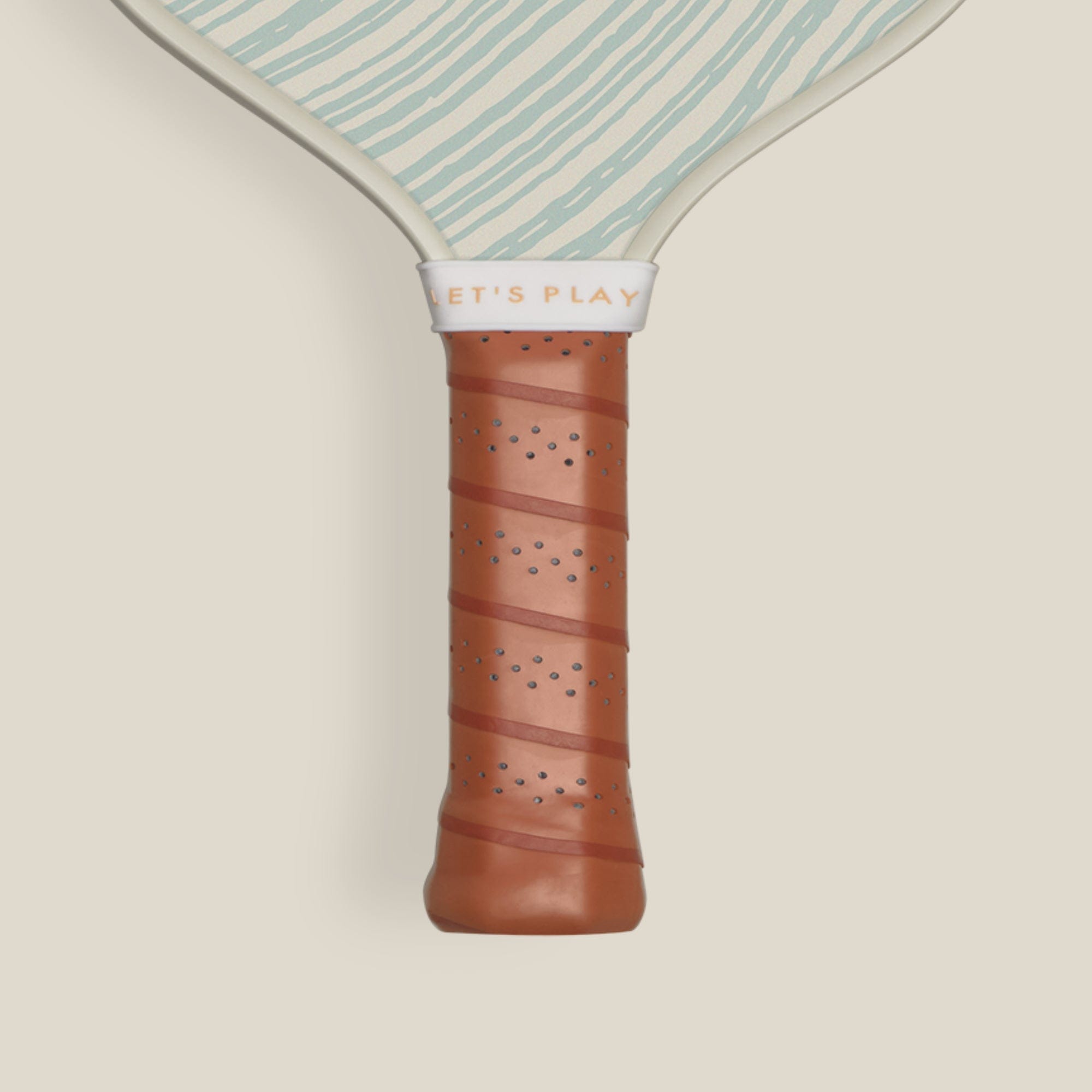
At its core, pickleball grip tape is a specially designed material you wrap around your paddle handle. Its main job is to give you a secure connection to your paddle. Think of it as the tires on a car; without good traction, all the power under the hood is useless. This connection is vital for control, feel, and confidence in every single shot you make, from gentle kitchen dinks to powerful overhead slams.
There are two main categories you’ll encounter: replacement grips and overgrips. A replacement grip is the base layer that comes on the paddle from the factory. An overgrip is a thinner tape that you wrap over the existing replacement grip. Most players add an overgrip to customize the feel, absorb sweat, or slightly increase the handle size. I learned this the hard way during a humid summer tournament. My original grip became so slick with sweat that my paddle nearly flew out of my hand on a backhand swing. That night, I bought my first absorbent overgrip, and it completely changed my game in hot weather.
The Different Types of Pickleball Grip Tape Explained
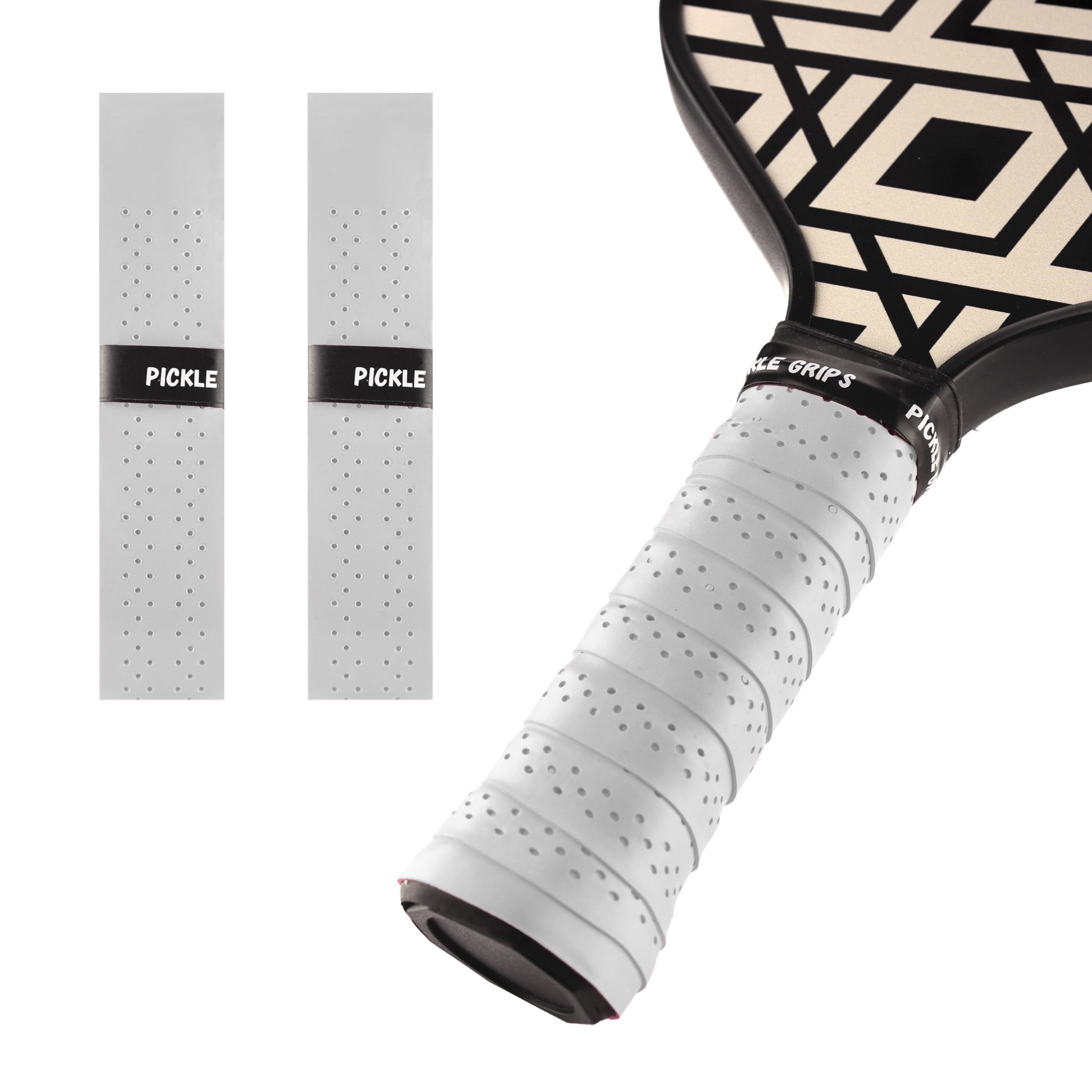
Choosing a pickleball grip tape isn't a one-size-fits-all situation. The right grip for you depends heavily on your personal preference and what you need on the court. They are generally categorized by the feel and function they provide. Let's break down the most common types.
Cushioned Grips
Cushioned grips are all about comfort. They are typically thicker and have a soft, padded feel. This extra padding helps absorb the vibrations that travel up your arm when you strike the ball. If you've ever felt a little soreness in your elbow or wrist after a long day of playing, a cushioned grip might be a great choice. They provide a comfortable hold that can reduce fatigue and strain on your joints.
Tacky Grips
Tacky grips have a slightly sticky or adhesive feel to them. This creates an incredibly secure connection between your hand and the paddle. You feel locked in, which gives you amazing confidence when swinging hard. I personally use a tacky overgrip because it gives me the feeling that the paddle is an extension of my arm. This type of pickleball grip tape is perfect for players who want maximum control and a no-slip experience.
Absorbent (Dry) Grips
If you have sweaty hands or often play in humid conditions, an absorbent grip is your best friend. These grips are designed with materials that wick moisture away from your skin, keeping your hand dry and your grip firm. Unlike tacky grips that can become slippery when wet, absorbent grips maintain their performance. They often have a softer, fabric-like texture and ensure your paddle stays put, even during the most intense rallies.

How to Choose the Right Pickleball Grip Tape for Your Game
Finding the perfect pickleball grip tape is a bit like finding the right pair of shoes. It needs to fit your style and the conditions you play in. Your decision should come down to a few key factors: your playing environment, your personal feel preference, and how much you sweat.
Here are a few things to consider:
- Your Climate: Do you play in a hot, humid area? If so, an absorbent or dry-feel grip is almost essential. If you play in cooler, drier conditions, a tacky grip will likely perform great.
- Sweat Level: Be honest with yourself. If your hands get sweaty, don't fight it. Embrace an absorbent overgrip. A tacky grip will only become a slippery mess and work against you.
- Desired Feel: Do you prefer a soft, padded feel or a firm, direct connection to the paddle? A cushioned grip will provide comfort, while a thinner overgrip will let you feel the bevels of the handle more clearly.
- Grip Size: Adding an overgrip will slightly increase the circumference of your handle. For many players, this is a good thing, leading to a more relaxed grip. But if your handle is already the perfect size, look for the thinnest overgrip you can find.
A Step-by-Step Guide to Applying Your New Grip Tape
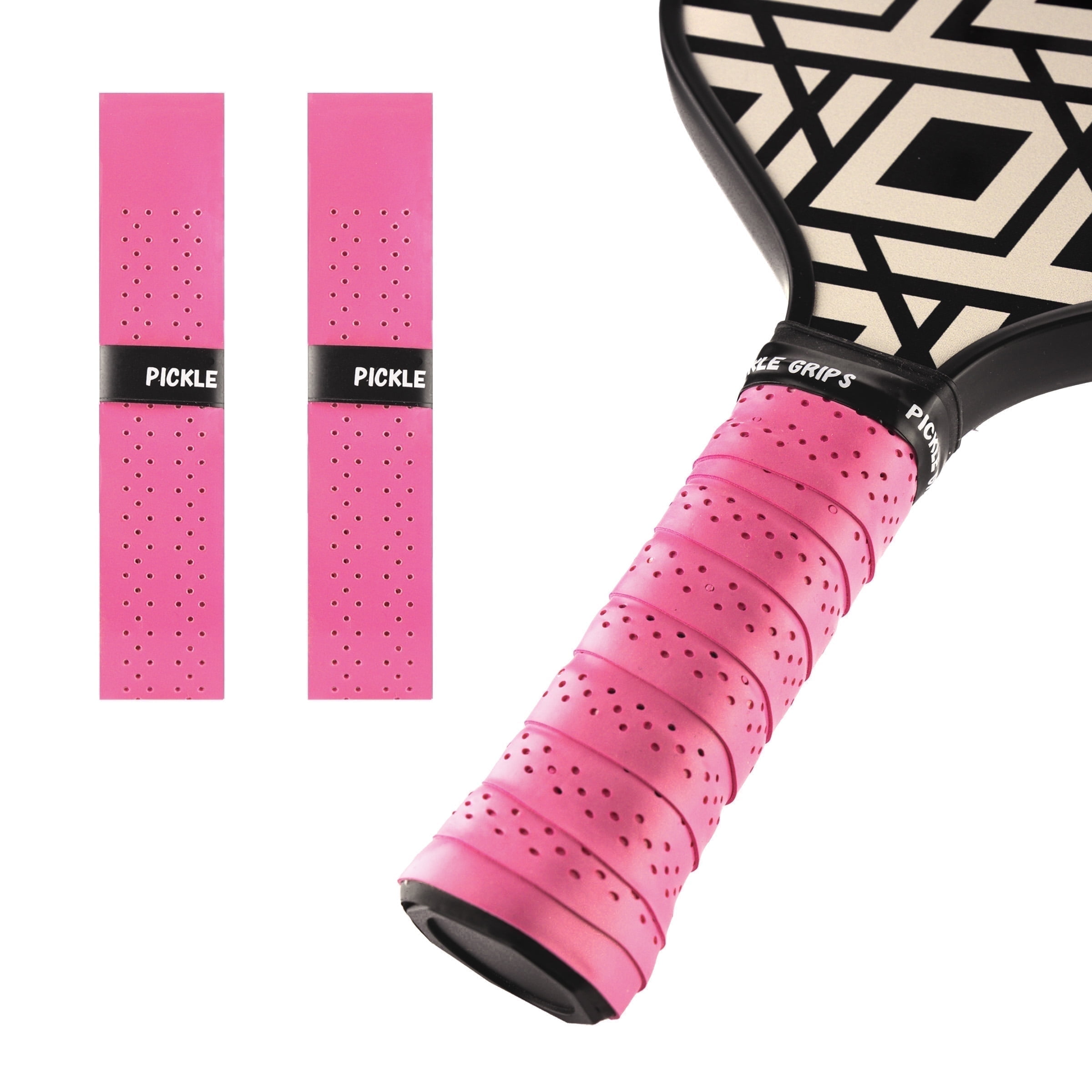
Changing your pickleball grip tape might seem intimidating at first, but it's a simple skill that every player should learn. It only takes a few minutes, and doing it yourself ensures you get the perfect wrap every time. Here is a simple guide to get you started.
- Remove the Old Grip: Start by peeling off the old, worn-out overgrip. If you are applying a new replacement grip, you'll need to remove the old one down to the bare paddle handle. Most grips have a small piece of finishing tape at the top; remove that first.
- Prepare the Handle: If you removed a replacement grip, make sure the handle is clean and free of any old adhesive residue. A little rubbing alcohol on a cloth can help with this.
- Start at the Bottom: Every new pickleball grip tape has a tapered end, often with a small piece of adhesive. Peel the backing off and attach this end to the bottom of the paddle handle, also known as the butt cap.
- Wrap Upwards: Begin wrapping the tape around the handle, moving upwards toward the neck of the paddle. Overlap each layer by about a quarter of an inch. Keep a gentle, consistent tension on the tape as you wrap to avoid any bumps or loose spots.
- Finish it Off: Once you reach the top of the handle, you'll likely have some extra tape. You can wrap it a few more times or trim it at an angle for a clean finish. Use the finishing tape that came with your grip to secure the end. A pro tip is to stretch the finishing tape slightly as you apply it for a super secure hold.
When Should You Replace Your Pickleball Grip Tape?
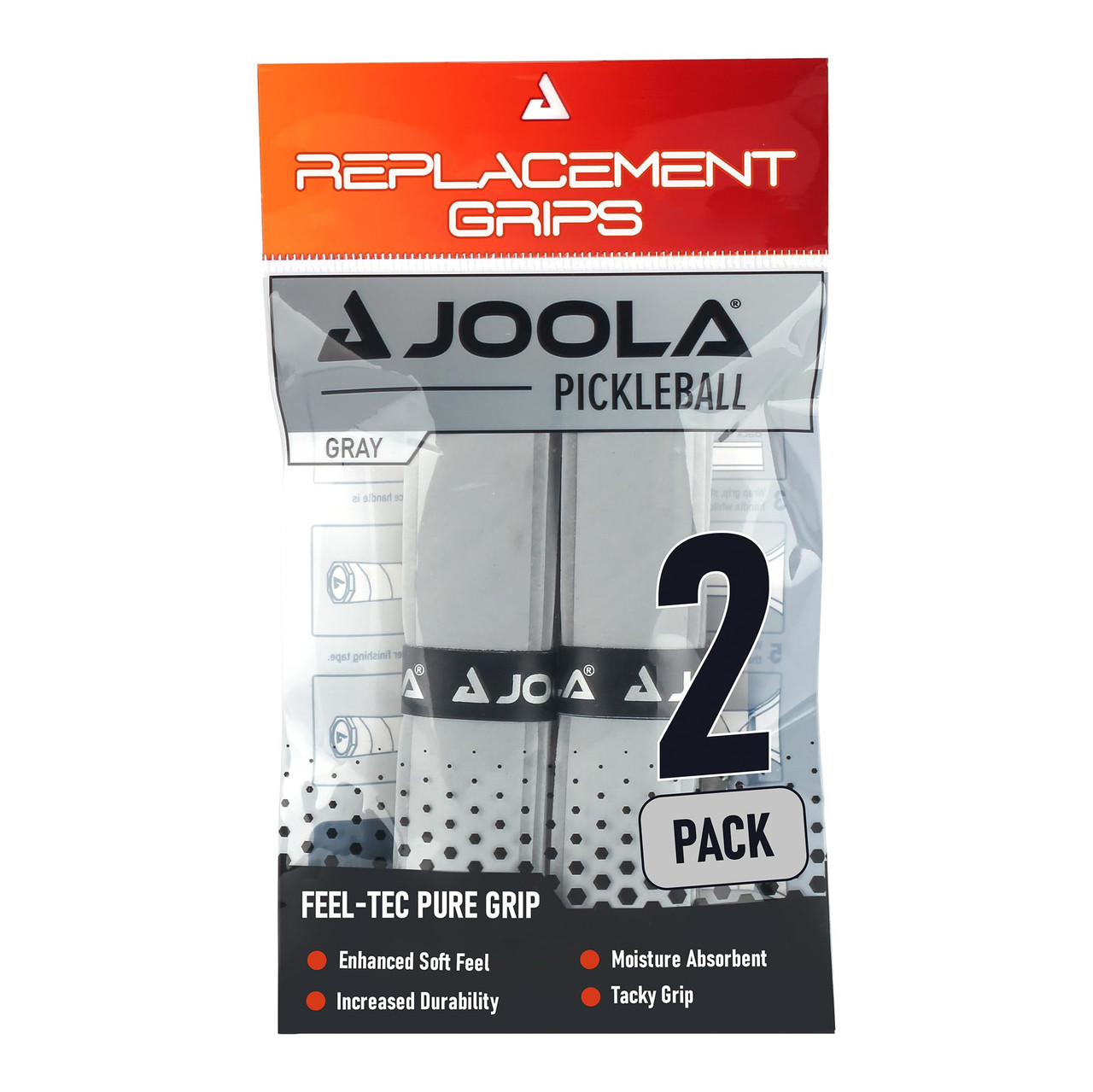
Your grip is the only point of contact with your paddle, so it needs to be in good shape. Playing with a worn-out grip can lead to poor performance and even cause you to hold the paddle too tightly, which can lead to injury. A fresh pickleball grip tape feels great and can instantly boost your confidence.
Look for these clear signs that it’s time for a change:
- It Looks Dirty: Over time, grips collect dirt and oil from your hands. If your grip looks grimy, it's time for a new one.
- It Feels Slippery: The most important sign is a loss of tackiness or texture. If your hand starts to slip during play, replace the grip immediately.
- There Are Visible Tears: Check for any peeling, fraying, or smooth, worn-down spots. These are areas where the grip has lost its effectiveness.
- It Feels Hard: As a grip ages, the material can compress and harden, losing its comfortable and absorbent qualities. If it feels less cushioned than before, a new grip will restore that comfort.
The frequency of replacement depends on how often you play. A casual player might only need to change their grip a few times a year, while a tournament player might put on a fresh pickleball grip tape before every event.
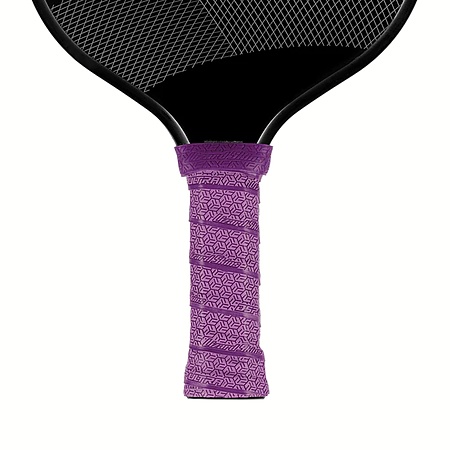
Frequently Asked Questions of pickleball grip tape
Can I use tennis grip tape for pickleball?
Yes, you absolutely can. Most tennis overgrips work perfectly for pickleball paddles, as the handle lengths are similar. You'll have plenty of grip tape to cover the handle with some left over to trim.
What's the difference between a replacement grip and an overgrip?
A replacement grip is the thicker, cushioned base grip that is applied directly to the paddle handle. An overgrip is a much thinner tape that is wrapped on top of the replacement grip to add tackiness, absorption, or a bit of thickness.
How does grip thickness affect my play?
A thicker grip can provide more comfort and stability, preventing the paddle from twisting in your hand on off-center hits. A thinner grip allows for more wrist action and a better feel for the paddle, which can be beneficial for spin and control.
How do I clean my pickleball grip tape?
You can gently wipe down some grips with a damp cloth and a very mild soap solution to remove surface dirt. However, once a grip loses its tackiness or absorbent properties, no amount of cleaning will bring it back, and it's best to replace it.
Will a new grip make my handle bigger?
Adding an overgrip will slightly increase the circumference of your handle, typically by about 1/16 of an inch. A new replacement grip will generally keep the handle at its original factory size.
Conclusion
Your connection to your paddle is everything in pickleball, and the right grip tape is the key to unlocking that connection. It’s a small, inexpensive upgrade that can have a massive impact on your comfort, control, and overall confidence on the court. By understanding the different types of grips and knowing when and how to replace your old one, you are taking a simple step toward becoming a better, more consistent player.
Now that you're armed with this knowledge, take a look at your paddle. Is it time for a refresh? Experiment with a new type of pickleball grip tape and feel the difference for yourself. Let us know in the comments which type of grip is your favorite