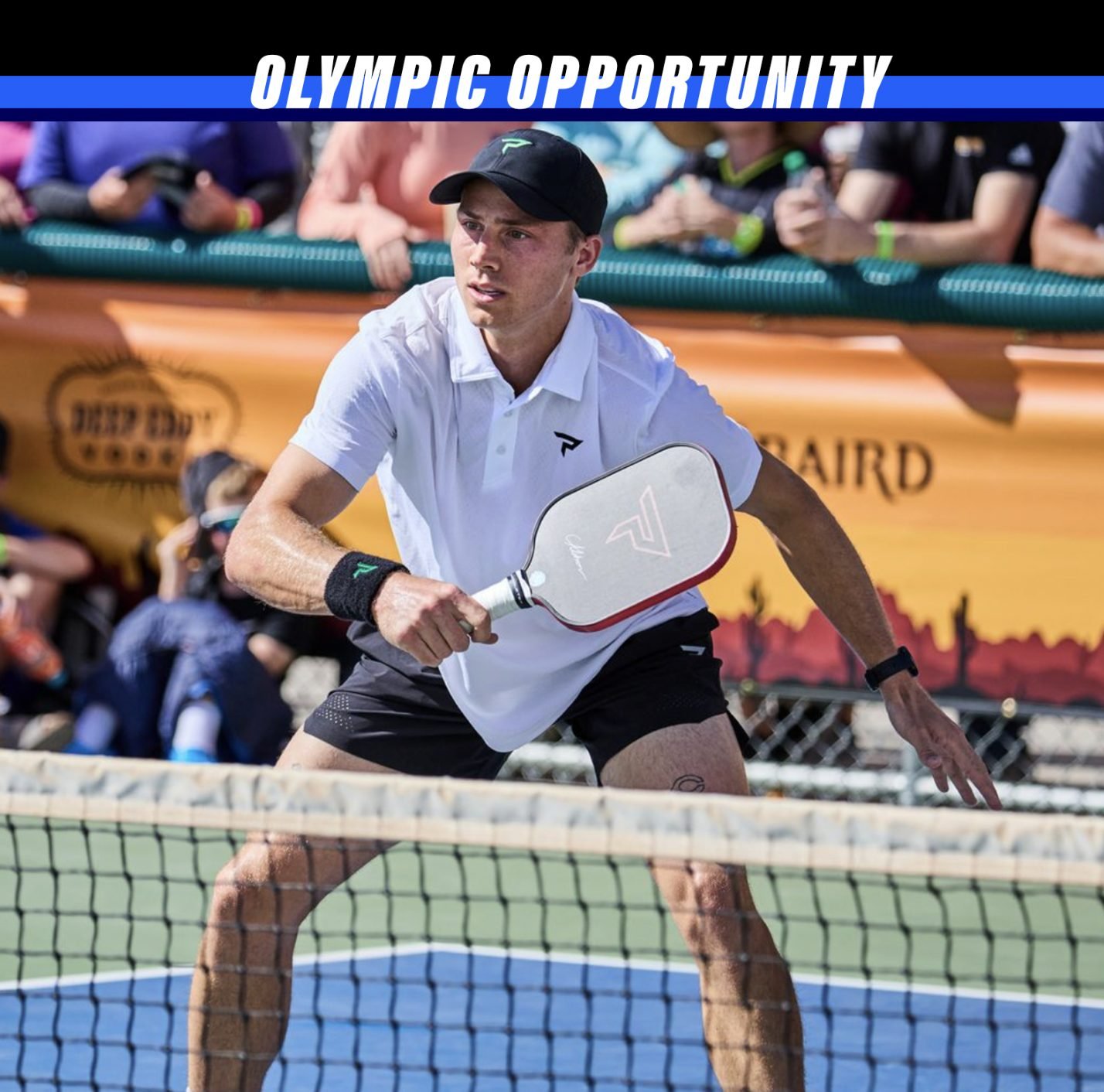
No — pickleball is not currently an Olympic sport, but it’s moving toward potential future inclusion.
As someone who has played, coached, and followed pickleball for years, I know why fans keep asking "pickleball included in the olympics?" The sport’s explosive growth, clear international organizing body, and broad grassroots appeal make the question urgent. This article breaks down the reality, the Olympic pathway, the hurdles, and practical steps players and federations can take to help pickleball included in the olympics? Read on for a clear, experience-driven guide that blends facts, timelines, and actionable advice.
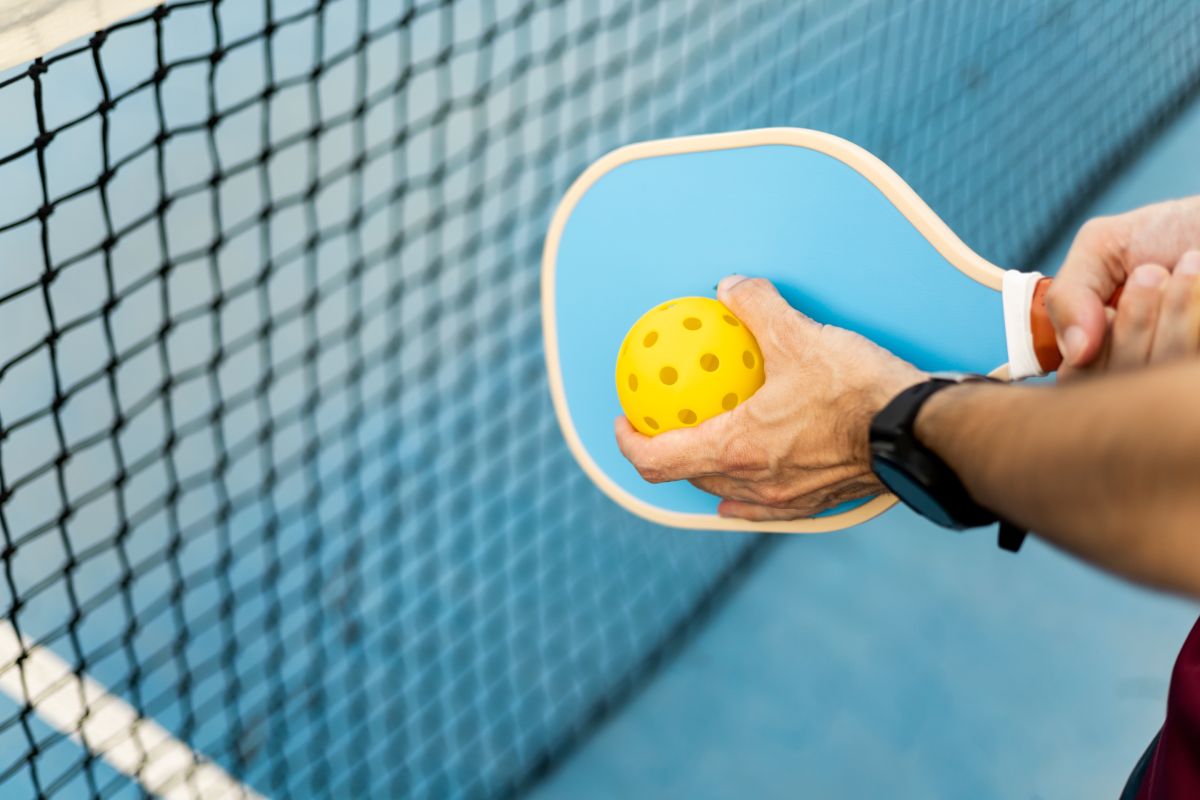
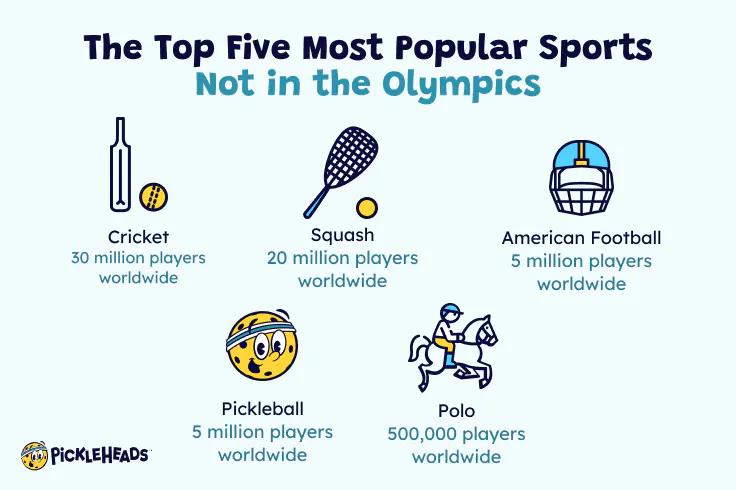
Why pickleball is a strong candidate for Olympic consideration
Pickleball’s fast growth gives it momentum. The game is easy to learn, low-cost, and appeals to all ages. That helps answer why many wonder if pickleball included in the olympics?
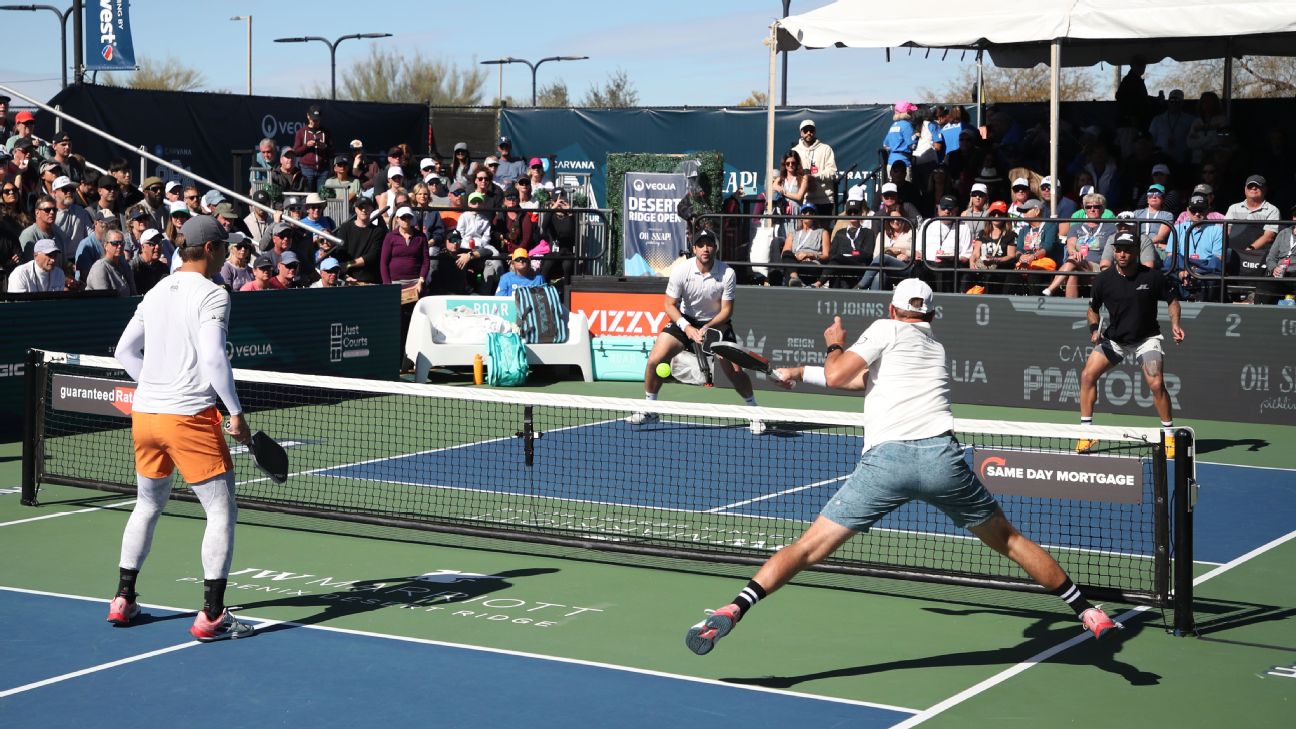
From my experience at community clubs and pro events, pickleball creates exciting spectator moments. Those visuals matter to Olympic programmers. Popular demand, TV interest, and youth participation all strengthen the case for pickleball included in the olympics?
Key points that favor inclusion:
- Broad appeal across ages and skill levels, making it a spectator-friendly sport.
- Rapid club and court growth in many countries.
- A single, relatively simple ruleset that makes standardization easier.
- Strong professional tours that raise the sport’s profile.
These strengths don’t guarantee inclusion, but they explain why many stakeholders push for pickleball included in the olympics?
Current Olympic status and the formal pathway
Today, pickleball has growing international structures. However, it has not yet been added to the Olympic program. People often ask "pickleball included in the olympics?" because national federations and the international community are actively pursuing recognition.
How a sport gets added:
- Establish an international federation that follows Olympic governance standards.
- Demonstrate widespread participation across required numbers of countries and continents.
- Meet anti-doping, athlete protection, and event integrity rules.
- Receive recommendation from the Olympic Programme Commission and approval from the IOC.
A crucial statistic to keep in mind: the IOC generally requires broad global practice and established governance before a sport is considered. That is why the question "pickleball included in the olympics?" often surfaces during major milestones for the sport.
Benefits and challenges of pickleball included in the olympics?
Adding pickleball to the Olympics would bring major benefits. It would boost funding, global visibility, and youth programs. Yet challenges remain before pickleball included in the olympics? becomes a reality.
Benefits:
- Increased funding for grassroots and elite programs.
- Greater global exposure leading to more players and courts.
- Clear development pathways for athletes and coaches.
Challenges:
- Demonstrating participation numbers across continents to IOC standards.
- Aligning rule variations and professional tour interests under one international structure.
- Ensuring strict compliance with anti-doping and athlete safeguarding protocols.
From coaching clinics I’ve run, the organizational gap is often local. If national bodies coordinate better, the timeline for pickleball included in the olympics? could shorten substantially.
How Olympic inclusion might work: events, formats, and rules
If pickleball included in the olympics? the likely Olympic format would be compact and spectator-friendly. Organizers prefer formats that fit short schedules and TV windows.
Possible Olympic features:
- Event types: Singles and doubles for men and women; mixed doubles to promote gender balance.
- Court and equipment: Current standard courts and paddles with uniform rules.
- Match format: Short sets or best-of format to keep sessions engaging for viewers.
- Athlete quotas: A limited number of players per country to maintain global representation.
Standardized rules and a clear anti-doping stance are essential. From tournament organizing, I’ve seen that consistent officiating makes the sport easier to sell to big-stage committees. That consistency helps answer the persistent question: pickleball included in the olympics?
What Olympic inclusion would mean for players, clubs, and federations
Olympic status changes the ecosystem. For athletes, it can mean full-time careers and national funding. For clubs, it means more youth programs and improved facilities. For federations, it means stricter governance and reporting.
Practical impacts:
- Players: Greater access to funding and coaching; more competitive events.
- Clubs: Increased demand for courts and coaching staff.
- Federations: Need to meet governance, anti-doping, and reporting requirements.
From my own experience running clinics, Olympic recognition usually raises the skill bar and professionalizes coaching. That professionalization is precisely why many ask, "pickleball included in the olympics?"

Roadmap and realistic timeline for inclusion
Predicting exact timelines is risky. But a practical roadmap helps stakeholders know what to do next. Many people keep asking "pickleball included in the olympics?" so a clear plan boosts focus.
Steps toward inclusion:
- Expand national federations and formalize membership in underrepresented regions.
- Build consistent international competitions and youth development programs.
- Meet and document anti-doping and athlete protection standards.
- Gain recommendations from global sport bodies and apply for IOC consideration.
Realistic timeline:
- Short term (2–5 years): Strengthen governance and global growth.
- Medium term (5–10 years): Secure broader international recognition and continental presence.
- Long term (10+ years): Possible Olympic inclusion if criteria are met and slots are available.
Be realistic: Olympic calendars are tight. The question "pickleball included in the olympics?" will depend on how quickly the sport meets these steps.

My personal lessons and practical tips
I’ve coached players who moved from local courts to international events. That path taught me what works and what doesn’t.
Lessons learned:
- Focus on youth programs. Young players create long-term growth.
- Standardize coaching and referee training early.
- Build relationships with national Olympic committees. They are key advocates.
- Document everything: participation numbers, governance actions, anti-doping efforts.
If you want to help the cause, start locally. Host tournaments that follow international rules. Collect participant data. Ask your national federation about international outreach. Doing this directly helps answer the question "pickleball included in the olympics?" by moving the sport closer to the criteria.

Frequently Asked Questions of pickleball included in the olympics?
Is pickleball currently an Olympic sport?
No. Pickleball is not currently part of the Olympic program as of the latest updates. The sport is still working toward the criteria needed for inclusion.
What must happen for pickleball included in the olympics?
Pickleball needs wider international participation, stronger governance, and full compliance with anti-doping and athlete protection rules to qualify for IOC consideration.
How long might it take for pickleball included in the olympics?
Timelines vary, but realistic progress often takes several Olympic cycles; meaningful global development in 5–10 years improves chances.
Will Olympic inclusion change the rules of pickleball?
If pickleball included in the olympics? organizers may prefer compact formats for scheduling, but the core rules would likely remain consistent with international standards.
How can local clubs support Olympic ambitions?
Clubs can standardize rules, run sanctioned events, register players with national bodies, and promote youth participation to strengthen the sport’s global footprint.
Conclusion
Pickleball has the momentum, community passion, and accessibility that make the question "pickleball included in the olympics?" meaningful. The path to Olympic status is clear: expand global play, tighten governance, and meet Olympic standards. That takes coordination, patience, and sustained effort.
Takeaway: support standardized local programs, document growth, and engage your national federation. Small, consistent steps by players and clubs make the biggest difference. If you care about the future of pickleball, get involved, host a sanctioned event, and share data—your actions help move pickleball included in the olympics? from possibility to reality. Leave a comment with your experience or subscribe to track progress and next steps.