
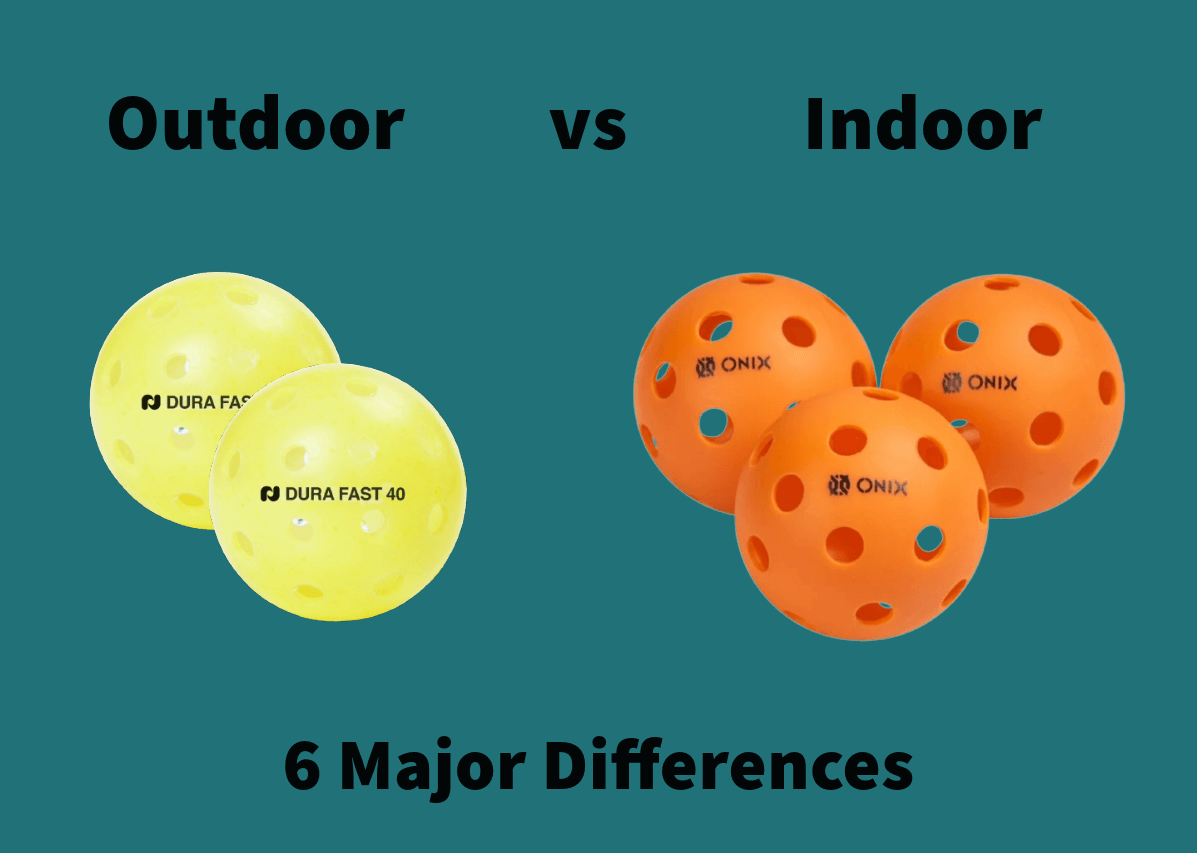
Outdoor pickleballs have smaller holes and harder plastic to handle wind and rough surfaces, while indoor balls are softer with larger holes for control. As a long-time player and coach, I've seen countless games won or lost not because of skill, but because of a simple equipment mismatch. The subtle differences between pickleball indoor vs outdoor balls can drastically change how the game is played, affecting everything from your dinks to your drives. Understanding this crucial distinction is the first step to elevating your game, whether you're playing in a quiet gym or on a breezy park court.
A Closer Look at the Anatomy of a Pickleball
At first glance, all pickleballs might seem the same. They are lightweight, perforated plastic spheres designed for fun. However, the magic is in the details. The specific type of plastic, the number of holes, and the overall weight are all carefully engineered for a specific playing environment. These are not random choices; they are the key factors that separate pickleball indoor vs outdoor balls.
Think of it like choosing tires for a car. You wouldn't use slick racing tires for off-roading, and you wouldn't use rugged, knobby tires for a smooth racetrack. In the same way, the ball you use must match the court you play on. Let's break down exactly what makes each type unique.
The Outdoor Pickleball: Built for Battle
When you're playing under the open sky, you're not just competing against your opponent; you're also facing the elements. Outdoor pickleballs are specifically designed to stand up to sun, wind, and rough court surfaces. They are the workhorses of the pickleball world.
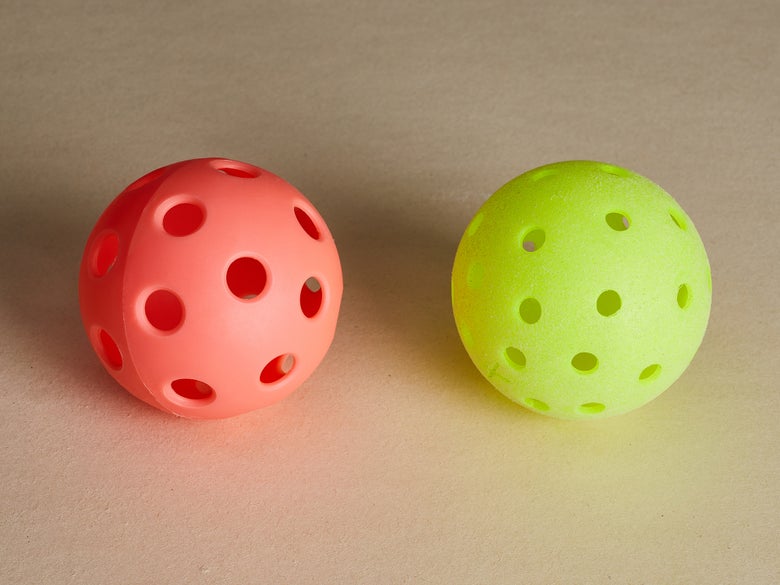
The most noticeable feature is the number of holes. An outdoor ball typically has 40 smaller, strategically drilled holes. This design helps the ball fly straighter and more predictably in windy conditions, cutting through gusts of air rather than being carried away by them. From my experience, using an indoor ball on a breezy day is a recipe for frustration, as even a gentle wind can send it sailing off course.
Outdoor balls are also made from a harder, heavier, and more durable plastic. This robust construction allows them to withstand the abrasive texture of concrete or asphalt courts. The harder material means they come off the paddle faster and have a lower, more powerful bounce. While this speed adds an exciting element to the game, it also makes the ball a bit harder to control, requiring a more refined touch for dinks and drop shots.

The Indoor Pickleball: The Finesse Specialist
Playing indoors is all about control, precision, and strategy. The environment is predictable, with no wind or sun to worry about. Indoor pickleballs are engineered to complement this controlled setting, promoting longer rallies and a more strategic "soft game."
An indoor ball usually has 26 larger holes. This design allows the ball to travel slower through the air, giving players more time to react and set up their shots. The larger holes also contribute to a higher, more consistent bounce on smooth surfaces like wood or polyurethane gym floors. This predictability is fantastic for beginners who are still developing their timing and footwork.
The plastic used for indoor balls is softer and more flexible. This results in a much softer feel off the paddle, making it easier to execute delicate dink shots and controlled volleys. I often tell new players that starting indoors is a great way to build confidence. The slower pace and forgiving nature of the indoor ball allow them to focus on technique without feeling overwhelmed by the speed of the game. Another bonus is that indoor balls are significantly quieter, which is a big plus for shared community spaces.

Side-by-Side Comparison: Indoor vs. Outdoor Pickleball Balls
To truly understand the difference between pickleball indoor vs outdoor balls, it helps to see their characteristics side by side. Each feature is tailored to its intended environment, directly impacting how the game is played.
- Hole Count: Outdoor balls feature around 40 small holes for better aerodynamics in the wind. Indoor balls have about 26 larger holes for a slower, more controlled flight.
- Material and Durability: Outdoor balls are made of hard, smooth plastic to endure rough courts but can crack in cold weather. Indoor balls use a softer plastic that lasts longer on smooth surfaces but can be damaged easily on asphalt.
- Weight and Speed: Outdoor balls are heavier, leading to a faster game with harder-hitting shots. Indoor balls are lighter, which slows the game down and allows for more strategic, drawn-out rallies.
- Bounce: An outdoor ball has a lower, faster bounce. An indoor ball has a higher, more predictable bounce on gym floors.
- Control: The soft composition of an indoor ball provides players with superior control, especially for the soft game near the net. The hardness of an outdoor ball makes it more challenging to control.

Can You Use an Indoor Ball Outside (and Vice Versa)?
This is one of the most common questions I hear on the courts. The simple answer is yes, you can, but you probably shouldn't. Using the wrong ball for the court surface drastically changes the game and can lead to bad habits or a frustrating experience.
Using an indoor ball outdoors is particularly problematic. The light weight and large holes make it extremely susceptible to wind, turning a precise shot into a lottery. Furthermore, the soft plastic will get chewed up quickly by the abrasive outdoor court surface, destroying the ball in just a game or two.
Bringing an outdoor ball to an indoor court is more manageable but still not ideal. The hard plastic will make the ball play incredibly fast on a smooth gym floor, often leading to shorter, less strategic rallies. The loud, sharp "crack" sound it produces can also be disruptive in an enclosed space. While it won't damage the ball, it fundamentally alters the feel and pace of the indoor game.

How to Choose the Right Ball for Your Game
Choosing between pickleball indoor vs outdoor balls ultimately comes down to where you play most often. For most players, the decision is straightforward.
First and foremost, consider your primary playing location. If you're playing at a park or a dedicated outdoor facility, you need an outdoor ball. If you play at a community center or gym, an indoor ball is the way to go. It's a good idea to have both types in your bag if you play in different locations.
Next, think about the conditions. On a perfectly calm day, you could technically practice serves outside with an indoor ball, but an outdoor ball will always provide a more consistent experience. For sanctioned tournaments, you will be required to use a specific, USA Pickleball-approved ball, so it's wise to practice with the same model you'll be competing with.
Finally, don't be afraid to experiment. Different brands have slightly different feels. Trying out a few can help you find the one that best suits your personal playing style, whether you're a power player who loves hard drives or a finesse player who dominates at the kitchen line.

Frequently Asked Questions of pickleball indoor vs outdoor balls
How can I tell the difference between an indoor and outdoor pickleball just by looking at it?
The easiest way to tell the difference is by looking at the holes. Outdoor balls have more holes (around 40) that are smaller in diameter, while indoor balls have fewer holes (around 26) that are much larger.
Why do outdoor pickleballs have more holes?
The greater number of smaller holes helps make the ball more aerodynamic. This design minimizes the effect of wind, allowing the ball to fly truer and more predictably when playing outside.
Do professional players use different balls for indoor and outdoor play?
Yes, absolutely. Professionals always use a ball that is designed for the specific environment they are playing in. Tournament rules also dictate which certified balls are to be used for indoor and outdoor events.
How long does a pickleball last?
An outdoor pickleball's lifespan is shorter due to the hard plastic becoming brittle and cracking, especially in cold weather. An indoor ball can last longer but may become soft or out-of-round over time.
Are there hybrid pickleballs for both indoor and outdoor use?
While some brands have attempted to create a hybrid or "all-court" ball, they are generally not recommended. These balls tend to be a compromise and don't perform as well as a specialized indoor or outdoor ball in their respective environments.
Conclusion
Choosing the right equipment is a simple yet powerful way to improve your pickleball game. The distinction between pickleball indoor vs outdoor balls isn't just a minor detail; it's fundamental to the sport. An outdoor ball is engineered for durability and wind resistance, while an indoor ball is designed for control and finesse. Using the correct ball for the court ensures a more consistent, enjoyable, and competitive experience for everyone.
The next time you pack your bag for a match, take a second to make sure you have the right ball. This small step will allow you to play the game as it was meant to be played, helping you focus on your strategy, your shots, and, most importantly, having fun.
What is your go-to pickleball, and where do you play most often? Let us know in the comments below