Pickleball instructor training shows you how to teach, coach, and run safe, fun lessons.
If you want to coach with skill and confidence, pickleball instructor training is your launchpad. I have trained new and seasoned coaches on busy courts and in quiet gyms. In this guide, I break down the full path, from first class to advanced certification. You will get practical drills, clear checklists, real stories, and pro tips you can use today.
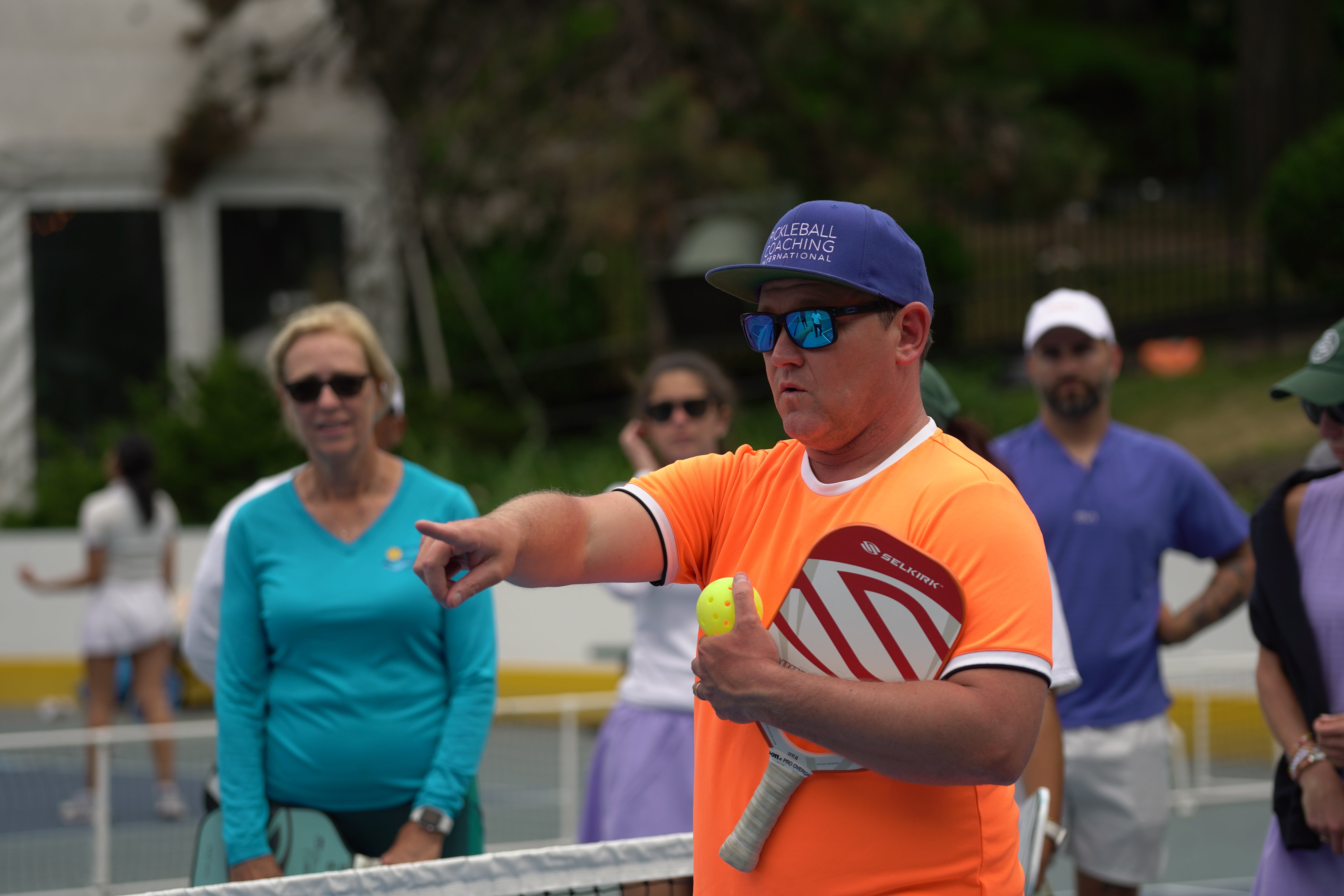
What pickleball instructor training covers
Pickleball instructor training builds your teaching toolbox. You learn how to teach strokes, footwork, and game sense. You also learn safety, risk checks, and how to plan lessons for all ages. Good programs add ethics, rules, and how to adapt for injuries or special needs.
You will practice clear demos and simple cues. You will learn to spot errors fast. You will give feedback that sticks. You will run groups with ease, from two players to twenty.
The best pickleball instructor training also teaches you how to market, price, and fill classes. It shows you how to manage gear, courts, and weather plans. It helps you keep records, track progress, and build long-term programs.

Certification pathways and providers
Most pickleball instructor training offers levels. Level 1 often focuses on safety, basics, and small group play. Level 2 and beyond go into tactics, advanced drills, and match coaching. Many programs require a background check, CPR and first aid, and liability insurance.
Expect a written test and an on-court skills review. Some programs use a live evaluator. Others use video. Many include a short practicum where you teach a real mini-lesson. You will often submit a plan and show how you adjust it.
What to look for in pickleball instructor training:
- Clear standards and assessment rubrics
- A mix of online study and live court time
- Strong mentor support and feedback
- CEUs and a path for ongoing growth
- Insurance options and business tools
Core skills every new coach must master
These skills make pickleball instructor training pay off fast:
- Simple communication Use clear words, short cues, and one point at a time.
- Demo skills Show the skill at a slow speed and at game speed.
- Error detection Spot the root cause and not just the bad shot.
- Feedback timing Give one fix, then let them try and feel it.
- Group flow Keep lines short, reps high, and energy up.
- Safety and risk checks Manage court spacing, weather, and hydration.
- Lesson design Use goals, progressions, and clear time blocks.
- Player care Build rapport and tailor drills to each player.
The training curriculum, step by step
Most pickleball instructor training follows a simple arc. You learn the core, practice on court, then apply and reflect. Here is a common path.
Pre-course prep
- Review rules, scoring, and court lines.
- Watch short videos on grip, dink, volley, serve, and return.
- Read a sample lesson plan and try it with a friend.
- Complete a short safety module and first aid basics.
Day 1: Foundations
- Coaching mindset and ethics.
- Court safety walk-through and heat plan.
- Stroke demos with simple cues.
- Beginner progressions and error fixes.
Day 2: Groups and games
- Group class flow and station work.
- Live ball drills and game-based learning.
- Feedback scripts and praise-to-fix ratio.
- Assessment practice and mini-lesson teach-back.
Post-course practicum
- Coach five to ten hours with a mentor.
- Log plans and player notes.
- Submit a short video for review.
- Meet for feedback and next steps.
On-court drills and sample lesson plans
Use these drill ideas from my sessions. They keep reps high and form solid.
Beginner drills
- Box dinks Four cones near the kitchen. Dink cross-court into the box. Focus on soft hands.
- Serve and hold Serve deep, freeze at finish, count to two. Build a stable base.
- Bounce then volley Feed a light ball that bounces, then a volley. Train eye tracking.
Intermediate drills
- Third-shot ladder Start at baseline. Drop to kitchen, then play out. Track drop depth.
- Transition shuffle Move from mid-court to the line using split steps. Add pressure feeds.
- Targeted volleys Aim at dots on the court. Mix forehand and backhand with quick feet.
Sample 30-minute intro lesson
- Warm-up five minutes Easy rally, footwork, and paddle taps.
- Skills ten minutes Grip, ready stance, and dink form. One cue at a time.
- Games ten minutes Cooperative dinks to ten, then mini-rally play.
- Wrap-up five minutes One win, one work-on, and a simple at-home drill.
Business, marketing, and pricing for instructors
Pickleball instructor training should also cover the business side. Set a clear offer, price with confidence, and keep clients coming back. Start simple, then grow.
Pricing ideas
- Private lessons by the hour with a package discount
- Semi-privates at a lower per-person rate
- Group clinics with clear caps for quality
- Starter clinics for new players each month
Marketing basics
- Clean profile on local court apps and maps
- Short videos that show your style and safety
- Quick reply times and easy online booking
- Reviews and testimonials on your page
Operations to set now
- Insurance and waivers
- Rain and refund policy
- Gear kit with balls, cones, and tape
- A simple CRM or spreadsheet for notes
Costs, timeline, and ROI
Most entry pickleball instructor training costs a few hundred dollars. Add fees for background checks, CPR, and insurance. Court rentals and balls add a bit more. Many coaches finish the process in four to eight weeks.
Think about payback. A few private lessons can cover your course fee. Full groups can add steady income each week. Track hours, expenses, and re-book rates. Use this data to raise your rates with proof of value.
Online vs in-person pickleball instructor training
Online pickleball instructor training is flexible and low cost. You can watch and rewatch key demos. You learn rules and theory fast. But you miss live feedback and court feel.
In-person pickleball instructor training gives you reps and real-time fixes. You learn court voice, group flow, and demo skills. Travel and time can cost more. A blended plan often works best.
How to blend
- Learn theory online
- Drill with a local mentor
- Film your lessons
- Get feedback and retest skills
Common mistakes and how to avoid them
I see these pitfalls often in pickleball instructor training. Avoid them and you will stand out.
- Too much talk Limit cues to one point. Let players move and feel.
- Long lines Use stations and small groups. Keep reps high.
- Fixing symptoms Look for footwork and contact, not just the miss.
- Ignoring safety Use spacing rules and heat checks every session.
- No plan B Have wind, rain, and ball break backups ready.
- Skipping notes Track wins and needs. Tailor the next class.
Assessment and certification exam tips
Treat the exam like a lesson with friends. Set a clear plan. Use one cue per skill. Show how you scale drills up or down. Keep the group moving and safe.
For video exams, use a stable camera. Capture the whole court. Speak up so cues are clear. Add a short voice note on goals and outcomes. Show player progress in real time.
What evaluators want to see
- Safety checks and court control
- Simple demos and clear cues
- Error detection and fast fixes
- Positive tone and time control
- Evidence of learning and next steps
Safety, inclusivity, and adaptive coaching
Great pickleball instructor training makes space for all players. Start with risk checks. Look at court wear, lines, and net height. Plan heat and cold steps. Offer breaks and water cues.
Use inclusive language. Ask for goals and limits at the start. Offer chair or low-impact options. Use softer balls or larger targets when needed. Celebrate small wins.
Keep a light first aid kit. Know local emergency steps. Share safety notes before play. Make every player feel safe, seen, and ready to learn.
Continuing education and career growth
Your growth does not stop with one course. Keep building after pickleball instructor training. Add topics like doubles tactics, junior coaching, and league play. Shadow top coaches and swap drills.
Join pro networks. Attend workshops and webinars. Log CEUs to keep your status active. Try running mixers, ladders, and beginner leagues. This builds your brand and steady income.
Map your next steps
- Set two skills to master each quarter
- Film one lesson a month for review
- Add one new offer each season
- Track player results and share success stories
Frequently Asked Questions of pickleball instructor training
How long does pickleball instructor training take?
Most new coaches can complete training in four to eight weeks. This includes study time, on-court practice, and the assessment.
Do I need to be a high-level player to coach?
You do not need pro skills. Solid fundamentals, clear demos, and good teaching habits matter more for pickleball instructor training.
What gear do I need for my first lessons?
Bring a reliable paddle, indoor and outdoor balls, cones, tape, and a first aid kit. A phone tripod helps with filming and feedback.
Can I teach without certification?
Some clubs allow it, but many prefer certified coaches. Formal pickleball instructor training shows you meet safety and quality standards.
How much can new instructors charge?
Rates vary by region. Many start with group clinics and a modest private rate, then raise prices as demand grows.
Is online pickleball instructor training accepted?
Many programs accept blended paths. You can study online and complete a live or video evaluation to prove your skills.
Conclusion
Pickleball instructor training gives you a clear, safe, and proven way to teach. You learn how to plan lessons, manage groups, and create progress fast. You also gain tools to build a steady coaching business and serve your local courts.
Start with one course, one mentor, and one well-run clinic. Track results, refine your plans, and keep learning. Ready to coach with confidence? Save this guide, share it with a fellow player, and subscribe for more step-by-step playbooks.