Pickleball equipment is made from materials like polypropylene, graphite, and fiberglass for optimal performance and durability.
Have you ever wondered what gives a pickleball paddle its satisfying "pop" or why some pickleballs fly faster than others? As someone who has spent countless hours on the court, I can tell you it all comes down to the science behind the sport. The secret is in the specific pickleball material used for every piece of gear. Understanding these materials is the key to unlocking your full potential, whether you're a beginner learning to dink or a seasoned pro executing a perfect third-shot drop. This guide will demystify the world of pickleball material, helping you choose the right equipment to elevate your game.

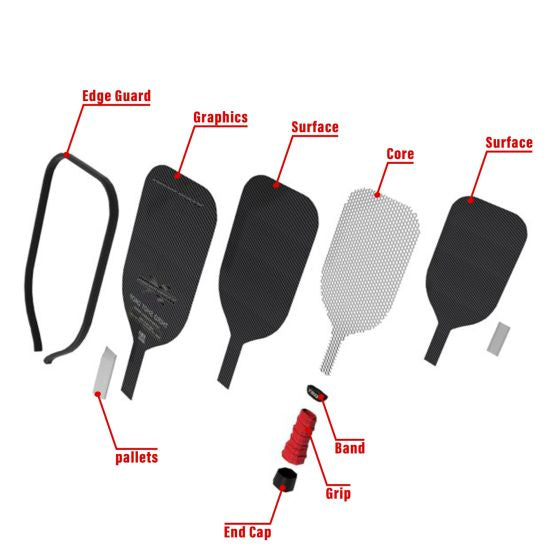
The Heart of the Paddle: Core Materials Explained
The core is the engine of your paddle. It’s the thick, inner layer that determines how the paddle feels, sounds, and responds to the ball. The choice of core pickleball material is arguably the most important decision in a paddle's design, directly influencing control, power, and even the noise level on the court.
Polypropylene Honeycomb
This is the most popular core material on the market today, and for good reason. Imagine a honeycomb made of a soft, flexible plastic—that's a polypropylene (PP) core. The cells trap air, which helps absorb impact and deaden sound, making it the quietest core available.
From my experience, switching to a polypropylene core paddle was a game-changer for my short game. The soft feel gave me incredible touch and control for dinks and drops right at the net. If you're looking for a forgiving paddle that helps you place the ball exactly where you want it, a PP core is your best friend.
Nomex Honeycomb
Nomex is a much harder, denser, and more rigid material. It was one of the first materials used in pickleball paddles, and it’s known for producing a loud, distinctive "pop" sound that some players love. This stiffness translates directly into power.
Paddles with Nomex cores are built for players who want to drive the ball hard from the baseline. While they offer less touch and feel for the delicate net game, they provide an unmatched level of power. If you have an aggressive style and love to hit hard, a Nomex core will give you the feedback and force you’re looking for.
Aluminum Honeycomb
While less common these days, aluminum cores were once a popular choice. These cores offer a good amount of control but tend to be heavier and less durable than their modern counterparts. Over time, the aluminum cells can dent or break down, creating dead spots on the paddle face. Most manufacturers have since shifted to polypropylene for its superior durability and performance, but you might still find aluminum in some older or budget-friendly models.

The Face of Victory: Surface Materials and Their Impact
The paddle's face, or hitting surface, is the thin layer that makes direct contact with the ball. This pickleball material is crucial for generating spin, adding finesse, and complementing the power from the core. Think of the core as the engine and the face as the tires—it’s where the rubber meets the road.
Graphite
Graphite faces are incredibly thin, lightweight, and stiff. This combination provides an exceptional sense of touch and control. Because the material is so rigid, it distributes the ball's impact evenly across the paddle, creating a large, consistent sweet spot.
I often recommend graphite paddles to players who are working on their precision. You feel very connected to the ball, which makes it easier to execute shots like angled dinks and precise serves. It’s a fantastic material for players who rely on strategy and placement over raw power.
Fiberglass (Composite)
Fiberglass is a more flexible material than graphite. When the ball hits a fiberglass face, the surface flexes slightly, creating a "trampoline effect" that sends the ball flying off with more speed. This flexibility also allows the face to "grip" the ball for a split second longer, which is perfect for generating spin.
I remember borrowing a friend's fiberglass paddle and being amazed at how much more action I could get on my serves. If you want to add more power to your shots or develop a wicked spin, a fiberglass face is an excellent choice. It's a very common pickleball material in mid-range paddles because it offers great all-around performance.
Carbon Fiber
Often found in high-end paddles, carbon fiber offers the best of both worlds. It's incredibly strong and stiff like graphite, providing excellent control and a large sweet spot, but it's also extremely durable and can be engineered to enhance spin. Many premium paddles now use raw carbon fiber faces with a slightly textured surface to maximize ball grip.
This is the go-to pickleball material for serious players looking for a competitive edge. It provides a fantastic blend of power, control, and spin potential, making it one of the most versatile options available.
Understanding the Pickleball Itself: What Are Those Balls Made Of?
It's not just about the paddle! The ball itself is a critical piece of equipment, and its material directly affects how the game is played. Pickleballs are made from a durable, hard plastic through a process called rotational molding, which creates a seamless, one-piece ball. However, not all pickleballs are the same.
The primary difference lies in their design for indoor versus outdoor play, which comes down to the type of plastic and the number of holes.
- Indoor Balls: These are made from a softer plastic blend and have fewer, larger holes (typically 26). This design makes them easier to control, slower, and less bouncy, which is ideal for smooth indoor court surfaces like gym floors.
- Outdoor Balls: These are constructed from a harder, more brittle plastic and feature more, smaller holes (usually 40). This makes them heavier and more aerodynamic, allowing them to fly faster and resist the wind better on outdoor surfaces like asphalt or concrete.
A personal tip: I've learned the hard way that outdoor balls can become very brittle and crack easily in cold weather. Always bring a few extras if you're playing on a chilly day! The specific pickleball material of the ball is designed for certain conditions.

Beyond the Paddle and Ball: Net and Court Materials
While the paddle and ball get most of the attention, the court and net are also made of specific materials designed for durability and consistent play. Understanding this can help you appreciate the full environment of the game.
Pickleball nets are built to withstand the elements. They typically feature a steel frame, a vinyl headband across the top, and polyester or nylon netting. These materials resist stretching, sagging, and damage from sun and rain, ensuring the net remains at the regulation height of 34 inches in the center.
The court surface itself is most often asphalt or concrete coated with layers of acrylic paint. This acrylic surface provides the ideal texture—it's smooth enough for a consistent ball bounce but has just enough grit to offer good footing without being too sticky. The quality of the court surface can significantly affect gameplay, influencing ball speed and bounce height.

How to Choose the Right Pickleball Material for Your Game
With so many options, choosing the right pickleball material can feel overwhelming. The best approach is to match the equipment to your playing style and skill level. Here’s a simple breakdown to guide you.
- For the Beginner (Focus on Control): I always suggest a mid-weight paddle (7.5-8.2 oz) with a polypropylene core and a fiberglass face. This combination is forgiving, offers a large sweet spot for off-center hits, and provides a nice balance of control and power as you learn the game.
- For the Intermediate Player (Balancing Power and Finesse): As your skills develop, you might want more precision. A paddle with a polypropylene core and a graphite or carbon fiber face is a great next step. This will give you the enhanced touch and feel needed for more advanced shots.
- For the Advanced Player (Maximizing Performance): At this level, it's all about personal preference and maximizing your strengths. If you're a power player, a Nomex core or a power-focused carbon fiber paddle might be your fit. If you rely on spin and control, a raw carbon fiber face will give you the ultimate edge.
Ultimately, the best way to find the right pickleball material for you is to try out different paddles. Ask friends at the court if you can hit with their paddles for a few minutes. You’ll quickly feel the difference between core types and face materials and discover what works best for your style of play.

Frequently Asked Questions of pickleball material
What is the most common pickleball material for paddles?
The most common combination today is a polypropylene honeycomb core with a fiberglass or graphite face. This setup offers a fantastic blend of control, power, and feel that suits a wide range of players.
Does the pickleball material really affect my game?
Absolutely. The core material impacts power and control, while the face material influences spin and touch. Choosing the right pickleball material for your style can make a significant difference in your performance and consistency.
Is a carbon fiber or graphite paddle better?
Both are excellent for control, but carbon fiber is generally stronger and more durable. Many modern carbon fiber paddles also feature a raw, textured surface that provides superior spin potential compared to the smoother finish of graphite.
Why do outdoor and indoor pickleballs have different materials?
Outdoor balls are made of a harder, heavier plastic to resist wind and provide a consistent bounce on rough surfaces. Indoor balls use a softer plastic, which is better suited for smooth gym floors and offers more control.
What is the most durable pickleball material for a paddle?
Carbon fiber is widely considered the most durable face material due to its incredible strength-to-weight ratio. For cores, polypropylene is very resilient and less prone to developing dead spots compared to older materials like Nomex or aluminum.
Conclusion
Choosing the right equipment is about more than just picking a brand; it's about understanding the pickleball material that powers your game. From the soft touch of a polypropylene core to the spin-generating grip of a carbon fiber face, every element is designed with a purpose. By knowing how these materials work, you can make an informed decision that aligns perfectly with your skills and aspirations on the court.
Now that you're armed with this knowledge, don't be afraid to experiment. The perfect paddle is out there waiting for you. Head to your local court, try a few different options, and feel the difference for yourself.
What's your favorite paddle material combination? Share your experiences in the comments below