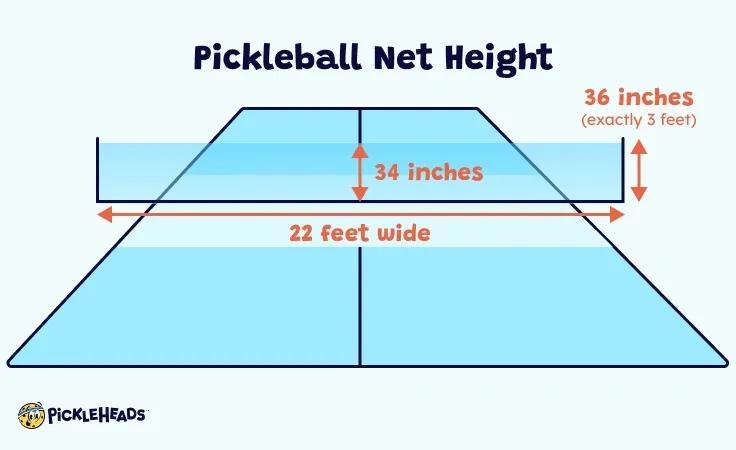
A standard pickleball net is 36 inches high at the sidelines and droops to a height of 34 inches in the center. As a passionate pickleball player and coach, I've seen firsthand how this seemingly small detail—the specific pickleball net size—can dramatically influence a game's pace, strategy, and overall fairness. It’s more than just a barrier; it's a precisely engineered element that shapes every dink, drive, and drop shot. In this guide, we’ll dive deep into the official regulations, explore why the net sags in the middle, and give you practical tips to ensure your net is set up perfectly every single time, whether you're playing on a permanent court or with a portable system.
Official Pickleball Net Size Regulations
When you step onto a pickleball court, the net is the centerpiece. To ensure a fair and consistent game, its dimensions are strictly regulated. Understanding the official pickleball net size is the first step toward mastering the game's nuances.
According to the official rules, a regulation pickleball net has the following dimensions:
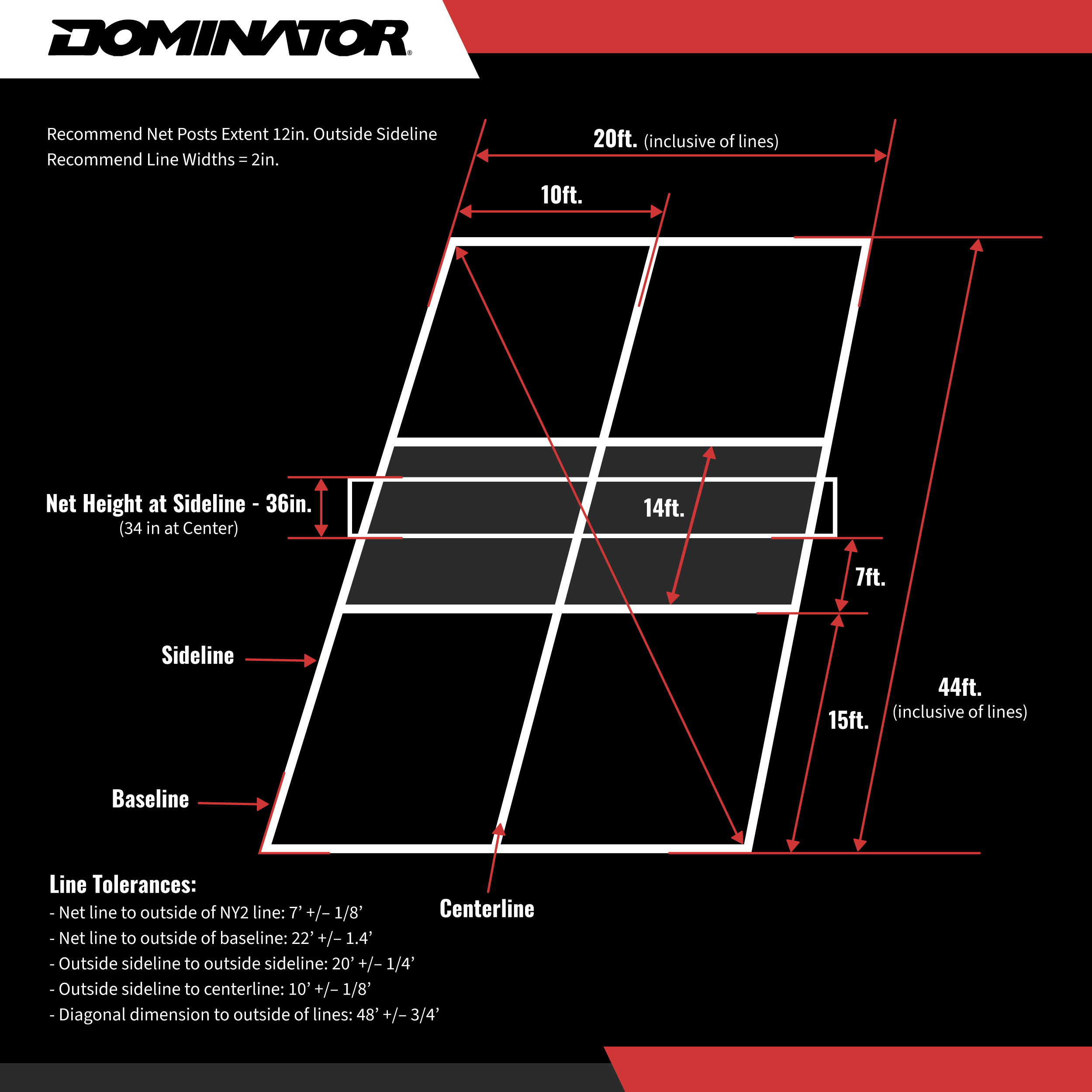
- Height at the Sidelines: The net must be 36 inches (91.44 cm) high at the posts, which are positioned at the sidelines. This height provides a consistent boundary for shots played near the edges of the court.
- Height at the Center: The most unique feature of the pickleball net is its height at the center. It must be 34 inches (86.36 cm) high. This two-inch drop is intentional and is typically achieved with a center strap that pulls the middle of the net down.
- Length: The net should measure 22 feet (6.71 m) from one post to the other. Since a pickleball court is 20 feet wide, this length ensures the net extends one foot beyond each sideline, covering the entire width of the court.
- Net Mesh: The mesh material should be small enough so a pickleball cannot pass through it. This prevents any disputes about whether a ball went through or over the net.
These precise measurements are what make the game consistent everywhere you play. A net that is too high or too low can completely change the dynamics of a rally.

Why the Sag in the Middle? The Science and Strategy
Many new players I’ve coached are surprised by the 2-inch sag in the center of the net. I remember my first time setting up a portable net; I thought it was faulty because I couldn’t get it perfectly level! But this sag is a brilliant piece of game design, not a flaw. The lower center height is a strategic element that defines pickleball.
This 34-inch sweet spot in the middle encourages one of the game's most important shots: the dink. By creating a slightly lower barrier in the center, the game’s design naturally guides players to engage in soft, controlled dink rallies over the lowest part of the net. This makes cross-court dinking a more viable and strategic play.
Think of it as a subtle invitation. The net is telling you, "Aim here for your safest shot." It rewards precision and patience, forcing players to develop a soft touch rather than relying solely on power. This intentional design is a key reason why pickleball is such a unique and strategic sport, accessible to all ages but with a high skill ceiling.

Types of Pickleball Nets: Which One is Right for You?
Not all pickleball nets are created equal. The type you use often depends on where you play and how serious you are about the game. Each has its pros and cons, but all should adhere to the official pickleball net size when set up.
Permanent Nets
These are the heavy-duty nets you find on dedicated, permanent pickleball courts. They are mounted on in-ground metal posts and are designed to withstand the elements and constant use. The nets themselves are typically made of durable, weather-resistant materials. Because they are professionally installed, you can almost always trust that they are set to the correct regulation height.
Portable Pickleball Nets
For most recreational players, the portable pickleball net is the go-to choice. My first net was a portable one, and it was a total game-changer, allowing me to set up a court on any flat surface, like a tennis court or even my driveway. These systems consist of a lightweight metal frame that is easy to assemble and a nylon net. The best portable nets come with a center rod or strap to help achieve the 34-inch center height and a sturdy base to prevent tipping. When shopping for one, look for a system that is easy to assemble and includes a carrying case for convenience.
Roller or Wheel-Based Nets
A fantastic hybrid option, wheel-based nets offer the sturdiness of a permanent system with the mobility of a portable one. These are often used at multi-sport facilities or community centers where courts need to be set up and taken down frequently. They have a heavy base with wheels, making them easy to roll into position and store away. They provide excellent net tension and stability, closely mimicking the feel of a permanent net.

How to Measure and Set Up Your Pickleball Net Correctly
Setting up your net to the precise pickleball net size is crucial for a fair game. It only takes a minute, and doing it right can make a world of difference. I keep a small tape measure in my pickleball bag just for this purpose.
Here is a simple step-by-step guide:
- Assemble and Position: If you are using a portable net, assemble the frame according to the manufacturer's instructions. For permanent nets, ensure the posts are secure.
- Attach and Tension the Net: Secure the net to both posts. Pull it taut enough to be straight and stable, but don't overtighten it. A little give is necessary to achieve the center sag.
- Measure the Sidelines: Use a tape measure to check the height of the net right next to each post. The distance from the top of the net tape to the court surface should be exactly 36 inches. Adjust the net straps on the posts as needed.
- Measure the Center: Go to the exact center of the net. Measure the height from the court surface to the top of the net. It should be 34 inches.
- Adjust the Center Strap: Most portable and permanent nets have a center strap. If your net is higher than 34 inches in the middle, tighten this strap to pull it down to the correct height. If it’s too low, you may need to increase the tension at the posts.
Checking these three points—both sidelines and the center—before you start playing ensures you're playing by the official rules.
Common Mistakes to Avoid with Your Pickleball Net
Over the years, I've seen a few common mistakes that players make when it comes to their nets. Avoiding these will improve your playing experience and ensure you're practicing under real game conditions.
- Forgetting the Center Strap: This is the most common error. Without using the center strap, the net will be too high in the middle, making dinking much more difficult and altering the game's strategy.
- Using a Tennis Net Without Adjustment: Many players start on tennis courts. A tennis net is 36 inches high in the center, a full two inches higher than a pickleball net. This makes a huge difference and will cause you to hit many shots into the net. Always lower the tennis net's center strap to 34 inches.
- Over-Tensioning the Net: If you pull the net as tight as a guitar string, you'll eliminate the natural sag. This makes the net uniformly high and removes the strategic element of the lower center.
- Assuming the Net is Correct: Never assume a net is at the right height, especially on a public court. It takes just a few seconds to measure and can save you from practicing with incorrect dimensions.

Frequently Asked Questions of pickleball net size
What is the official pickleball net size?
A regulation pickleball net is 36 inches high at the sidelines and 34 inches high at the center. The net must be 22 feet long, extending one foot past each sideline of the 20-foot wide court.
Can I use a tennis net for pickleball?
Yes, but you must adjust it. A tennis net's center height is 36 inches, so you will need to lower the center strap until it measures 34 inches from the court surface.
How wide is a standard pickleball net?
A standard pickleball net is 22 feet wide. This allows it to span the 20-foot court width with one foot of overhang on each side, ensuring full coverage.
Why is the pickleball net lower in the middle?
The net is intentionally lower in the middle to encourage dinking and strategic play. This two-inch drop creates a target area that rewards soft, controlled shots and adds a unique dimension to the game.
What is the best way to measure the net height?
The best way is with a simple tape measure. Check the height at both sidelines to ensure they are 36 inches, then measure the exact center to confirm it is 34 inches.
Conclusion
Mastering the correct pickleball net size is a fundamental part of the game that affects every shot you take. The 36-34-36 inch measurement isn’t just a rule; it’s a core component of pickleball’s unique strategy, encouraging finesse over force. By understanding these dimensions and ensuring your net is always set up correctly, you guarantee a fair, consistent, and more enjoyable game for everyone.
The next time you head out to play, take an extra 30 seconds to measure your net. This simple habit will sharpen your skills and deepen your appreciation for the thoughtful design of this amazing sport. Do you have any tips for setting up a portable net? Share them in the comments below