The pickleball no bounce rule requires the serve and its return to each bounce once before any volleys. As a long-time player and coach, I've seen countless new players get tripped up by this fundamental concept. It’s one of the first things that feels a bit "weird" about pickleball, but trust me, it’s the secret sauce that makes the game so strategic and fun. This guide will break down everything you need to know about the pickleball no bounce rule, transforming it from a point of confusion into a key part of your winning strategy.

What Exactly is the Pickleball No Bounce Rule?
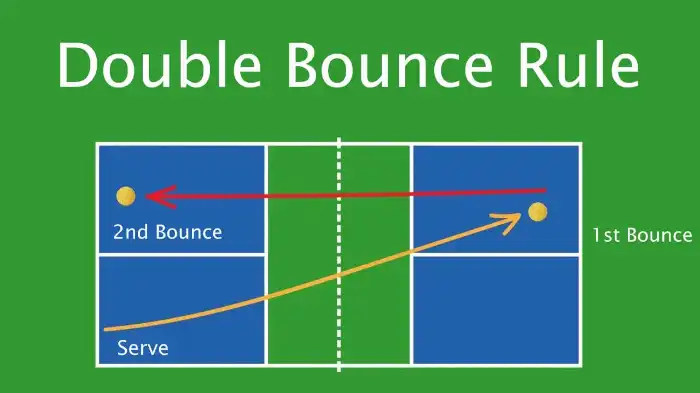
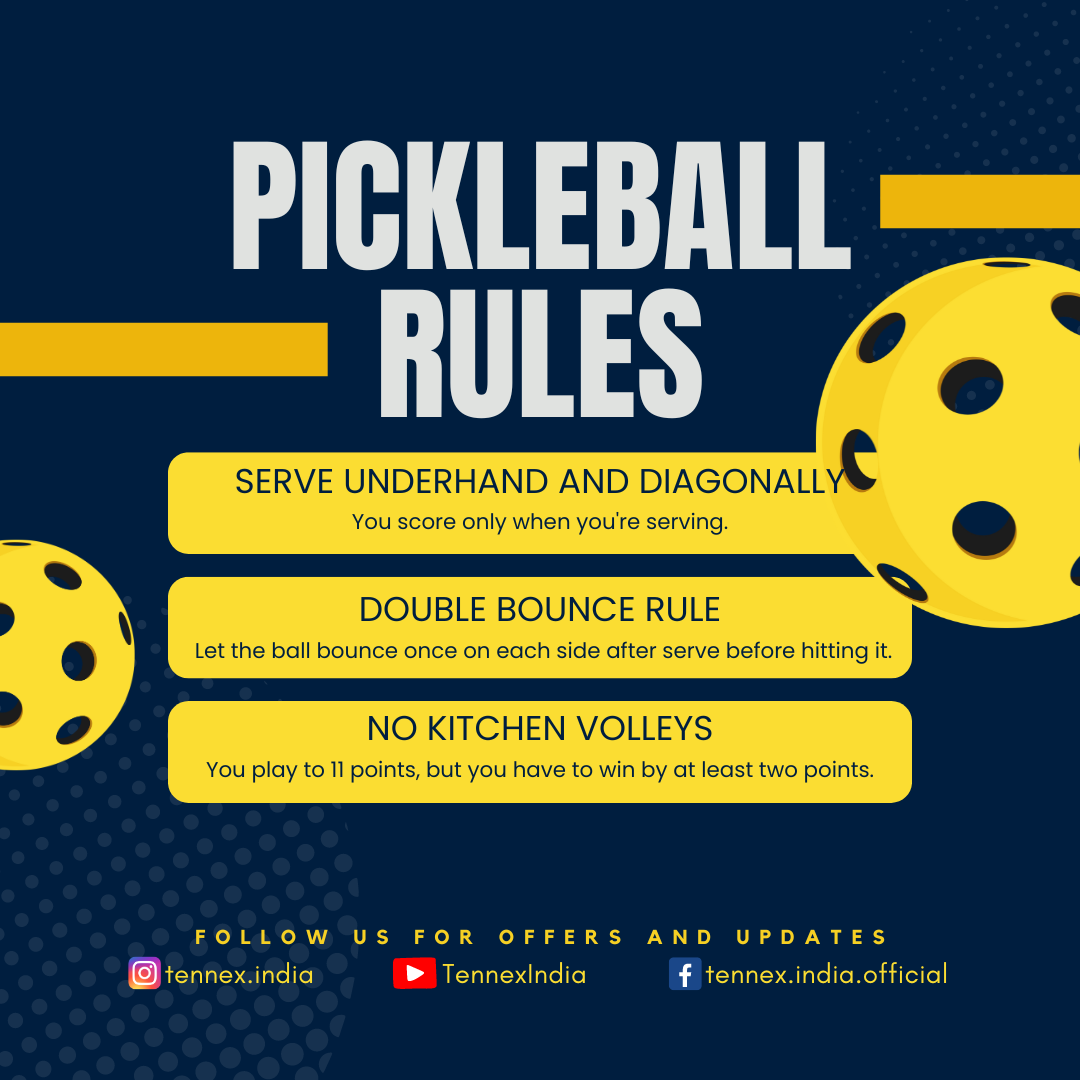
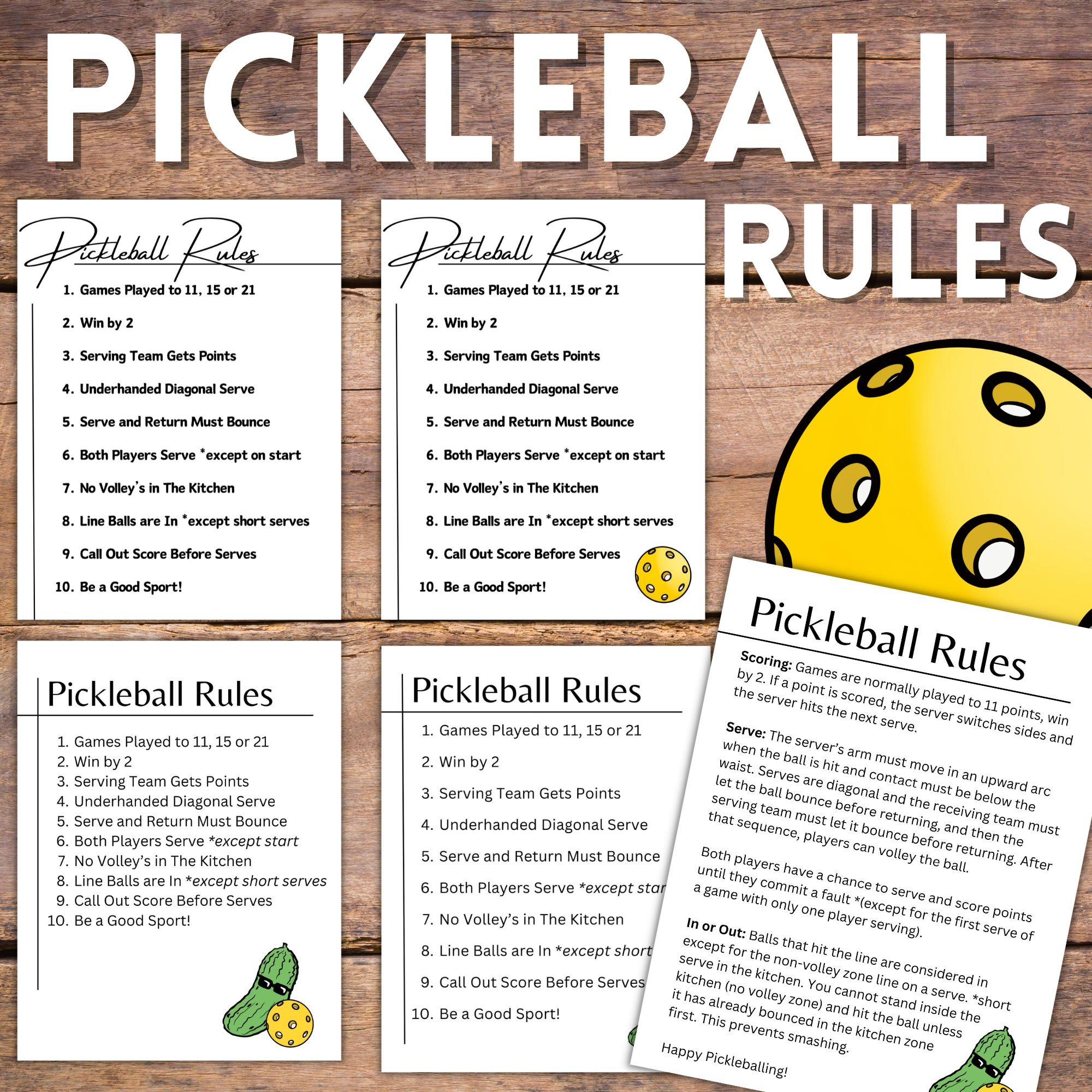
At its core, the pickleball no bounce rule is quite simple, but it governs the very start of every single point. It's often called the "two-bounce rule" or "double-bounce rule," which might be a more descriptive name. This rule states that after the serve, the receiving team must let the ball bounce once on their side before returning it. Then, after that return, the serving team must also let the ball bounce once on their side before hitting it.
So, the sequence looks like this:
- Bounce 1: The serve lands on the receiver's side and bounces.
- Bounce 2: The return of serve lands on the server's side and bounces.
After these two bounces have occurred, the rule is no longer in effect for the rest of the rally. From this point on, players are free to either volley the ball (hit it out of the air) or play it off the bounce, as long as they are not in the non-volley zone for a volley. Understanding this sequence is the first step to mastering the pickleball no bounce rule.
Why Does This Rule Exist? The Strategy Behind the Bounce
When I first started playing, the pickleball no bounce rule felt a little arbitrary. Why force these bounces? It wasn't until I played more competitive matches that its genius became clear. The rule was specifically designed to eliminate the massive advantage the serving team would otherwise have. Without it, a powerful server could just rush the net after their serve and smash an easy volley, ending the point immediately.
This rule levels the playing field right from the start. It forces both teams to stay back near the baseline for the first two shots, preventing a "serve-and-volley" strategy that dominates games like tennis. By ensuring these initial bounces, the rule encourages longer, more strategic rallies that often end in exciting dinks and volleys at the net. It's the foundation of pickleball's unique rhythm, which is built on patience and placement rather than just overwhelming power. The pickleball no bounce rule is what makes the game what it is.
Common Mistakes and How to Avoid Them
Even seasoned players can sometimes have a brain-freeze and forget the pickleball no bounce rule in the heat of a fast rally. For beginners, it's one of the most common ways to lose a point without the opponent even doing much. Here are the most frequent slip-ups and how you can train yourself to avoid them.
The Serve Return Volley
This is mistake number one for new players. The server hits a great serve, and your instinct as the returner is to step forward and hit it out of the air. This is a fault. The serve must bounce before you can return it. My best advice is to consciously take a step or two behind the baseline as you prepare to receive the serve. This physical distance creates a mental reminder to wait for the bounce.
The Third Shot Volley
This mistake happens on the other side of the net. You've just served, the opponent has correctly let it bounce and returned it. Now the ball is coming back to your side. It's tempting to rush forward and volley the return, but this is a violation of the pickleball no bounce rule. The return of serve must also bounce. As the server, discipline yourself to stay back after you serve. Wait for that return to bounce before you hit your third shot, which is arguably the most important shot in the game.
Losing Track of the Bounces
When the action gets fast, it’s easy to lose track. Was that the return or the fourth shot? To avoid confusion, I tell my students to use a simple mental chant for the start of every point: "serve, bounce, return, bounce." Repeating this in your head reinforces the sequence. It keeps you honest and ensures you are always correctly following the pickleball no bounce rule.

Mastering the Pickleball No Bounce Rule for a Strategic Advantage
Once you stop seeing the rule as a limitation, you can start using it as a weapon. The pickleball no bounce rule is not just a formality; it dictates the strategy for the entire point. Because you know the serving team has to let your return bounce, you can hit a deep, thoughtful return that pushes them back from the net. This gives you and your partner precious time to advance to the non-volley zone line.
This is where the famous "third shot drop" comes into play. The serving team, forced back by the pickleball no bounce rule, must now hit a difficult third shot. A perfect third shot is a soft drop that lands in the opponent's kitchen, making it hard for them to attack. By mastering your returns and third shots, you are using the rule to set yourself up for success and gain control of the net, which is where most points in pickleball are won.
The Difference Between the No Bounce Rule and the Non-Volley Zone (NVZ)
For newcomers, it's easy to mix up the pickleball no bounce rule with the non-volley zone (or "kitchen") rule. They both involve where you can stand and how you can hit the ball, but they are completely separate rules that apply at different times.
Let's break it down simply:
- The Pickleball No Bounce Rule (Two-Bounce Rule): This rule is only active for the first two shots of any rally—the serve and the return. It dictates that these shots must bounce. After the second bounce, this rule is "turned off" for the rest of the point.
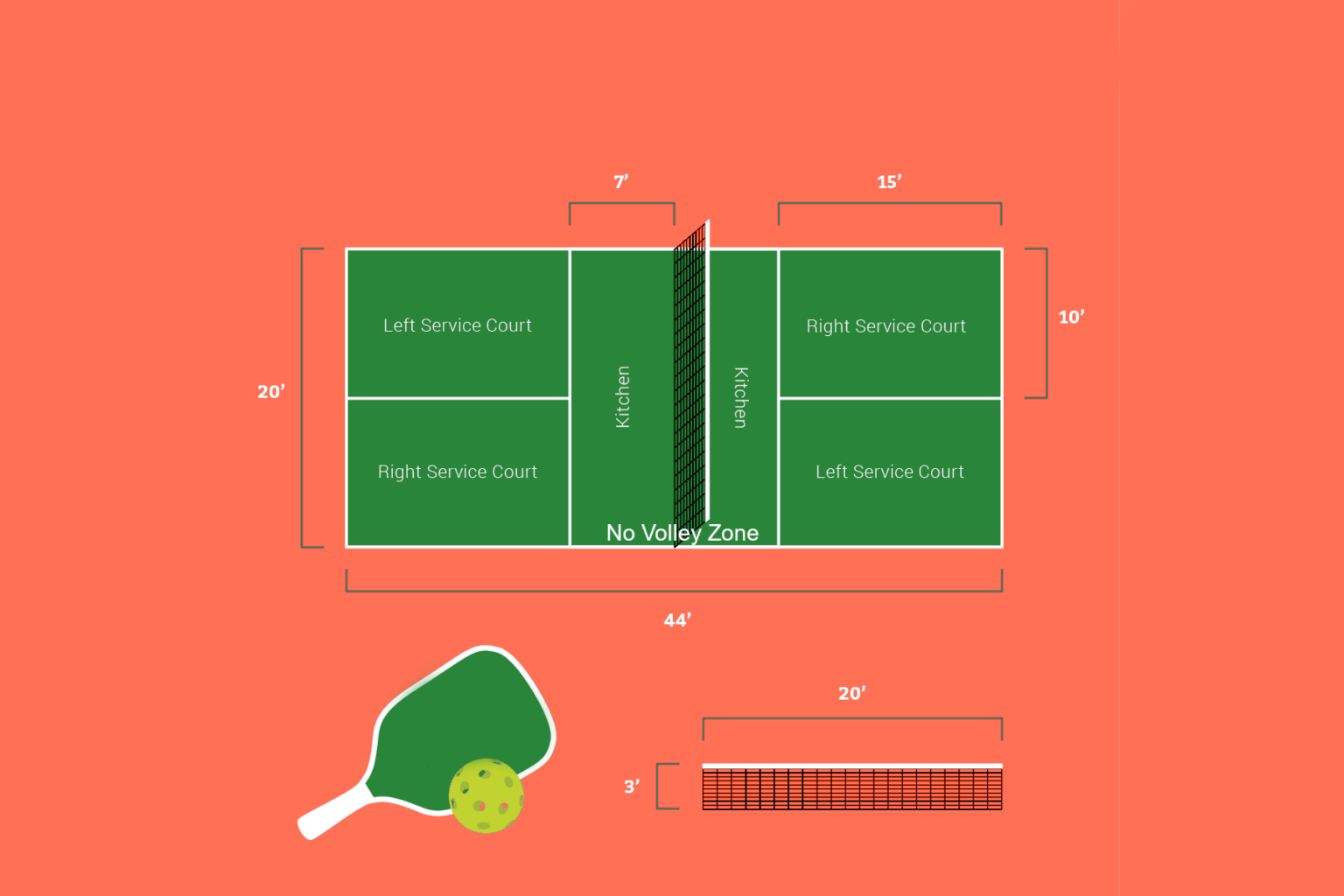
- The Non-Volley Zone (Kitchen) Rule: This rule is always active for the entire rally. It states that a player cannot hit a volley (a shot out of the air) while any part of their body is touching the non-volley zone. You can go into the kitchen anytime, but you can only hit the ball from in there if it has already bounced.
Think of it like this: the no bounce rule gets the point started fairly, while the kitchen rule governs play at the net for the whole rally.
Frequently Asked Questions of pickleball no bounce rule
What happens if you violate the pickleball no bounce rule?
If you violate the rule by volleying a ball that should have bounced, it is a fault. Your team loses the rally, and the opposing team wins the point.
Does the two-bounce rule apply in doubles and singles?
Yes, the pickleball no bounce rule applies equally to both doubles and singles play. The sequence of serve-bounce-return-bounce is mandatory in all forms of the game.
Can the ball bounce more than once on each side?
Yes, the ball can bounce multiple times on one side. However, you must hit it before it bounces a second time on your side, as that would be a fault.
After the first two shots, can I volley the ball?
Absolutely. Once the serve has bounced and the return of serve has bounced, the pickleball no bounce rule is complete for that rally. Players can then volley the ball or play it off the bounce.
What is the official name for the pickleball no bounce rule?
The official USA Pickleball rulebook refers to it as the "Two-Bounce Rule." However, it is commonly called the "double-bounce rule" or the "pickleball no bounce rule" in casual play.
Conclusion
The pickleball no bounce rule is more than just a quirky regulation; it is the strategic heart of the game. It ensures fair play, encourages longer rallies, and places a premium on patience and shot selection over brute force. By understanding its purpose and practicing the discipline it requires, you will not only avoid simple faults but also unlock a deeper, more strategic level of play.
So, the next time you step onto the court, embrace the bounce. See it as your opportunity to set up the point for success. Practice your deep returns and your thoughtful third shots, and watch as your confidence and your game improve. Now go out there and put this knowledge into action! We'd love to hear about your progress in the comments below.