
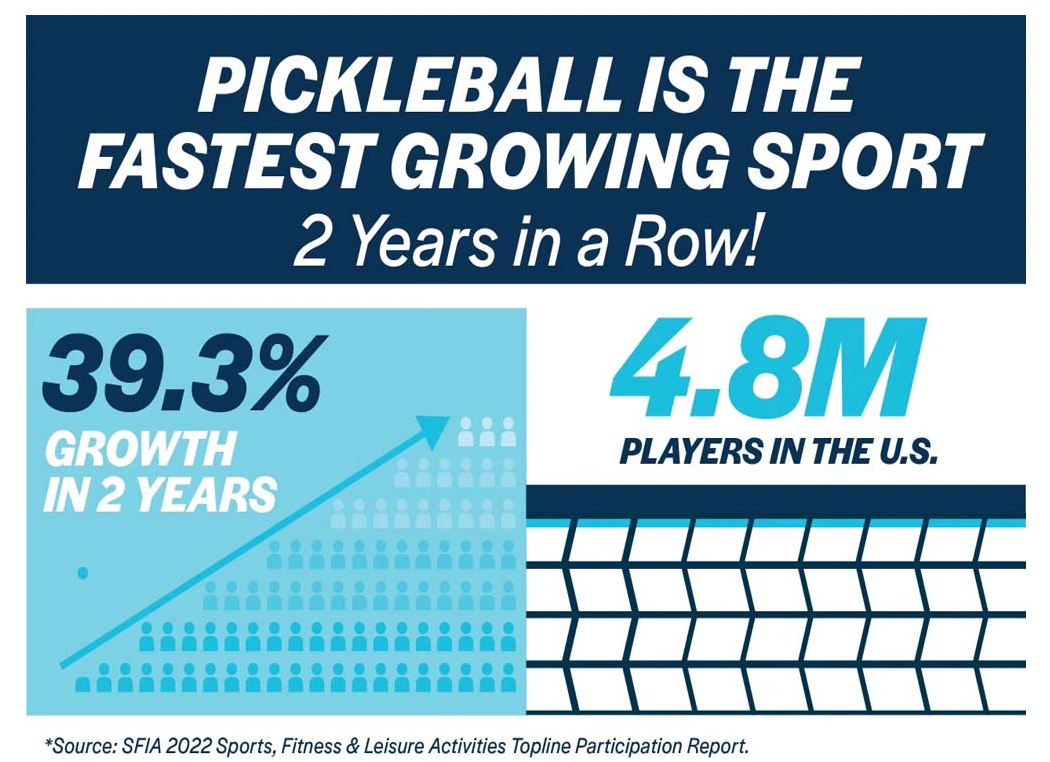
Approximately 4.8 million Americans played pickleball in 2023, with participation surging annually.
I’ve studied participation reports, run community programs, and coached players of all ages. This article breaks down the latest pickleball numbers in USA with clear data, trends, and practical takeaways. Read on for state-by-state patterns, demographic shifts, court supply, economic impacts, and what these numbers mean for players, clubs, and businesses.

Overview: Where the pickleball numbers in USA stand today
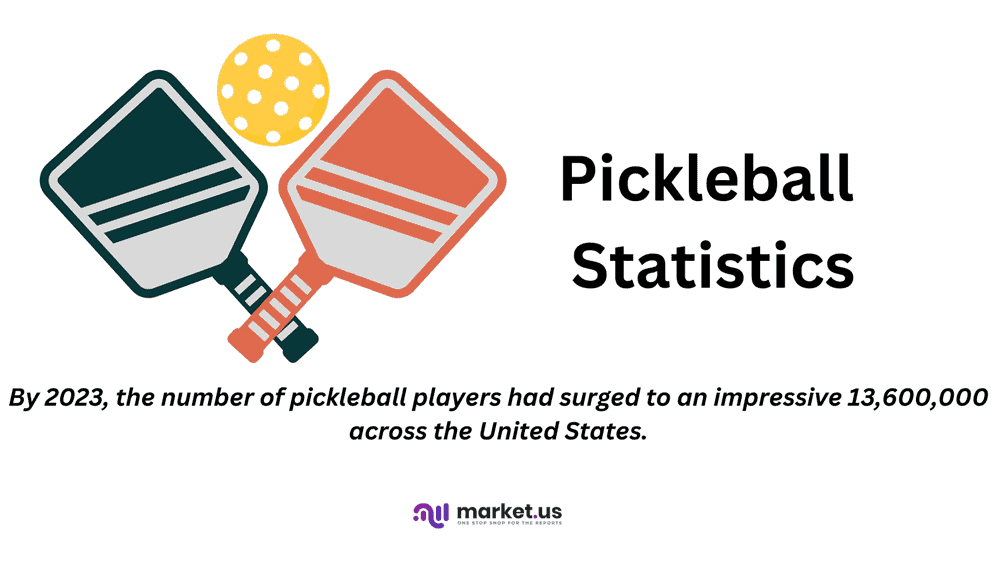
Pickleball has moved fast from niche pastime to mainstream sport. Recent estimates put active players at roughly 4.5–5 million Americans. That growth shows up in park bookings, club memberships, equipment sales, and youth programs.
Key snapshot points:
- Estimated active players: about 4.8 million in recent reports.
- Rapid year-over-year growth since 2019.
- Strong clubhouse and municipal interest in new courts.
The headline is clear: the pickleball numbers in USA reflect rapid adoption across ages and regions. This growth is reshaping public recreation and private club priorities.

Growth trends and timeline for pickleball numbers in USA
Pickleball began as a backyard and community sport in the 1960s. The modern boom started in the 2010s and accelerated during the pandemic. More people discovered the game for its social play, low barrier to entry, and fun competition.
Notable trend drivers:
- Pandemic rebound: outdoor play and safe social exercise accelerated interest.
- Media and pro events: televised matches and pro tours raised awareness.
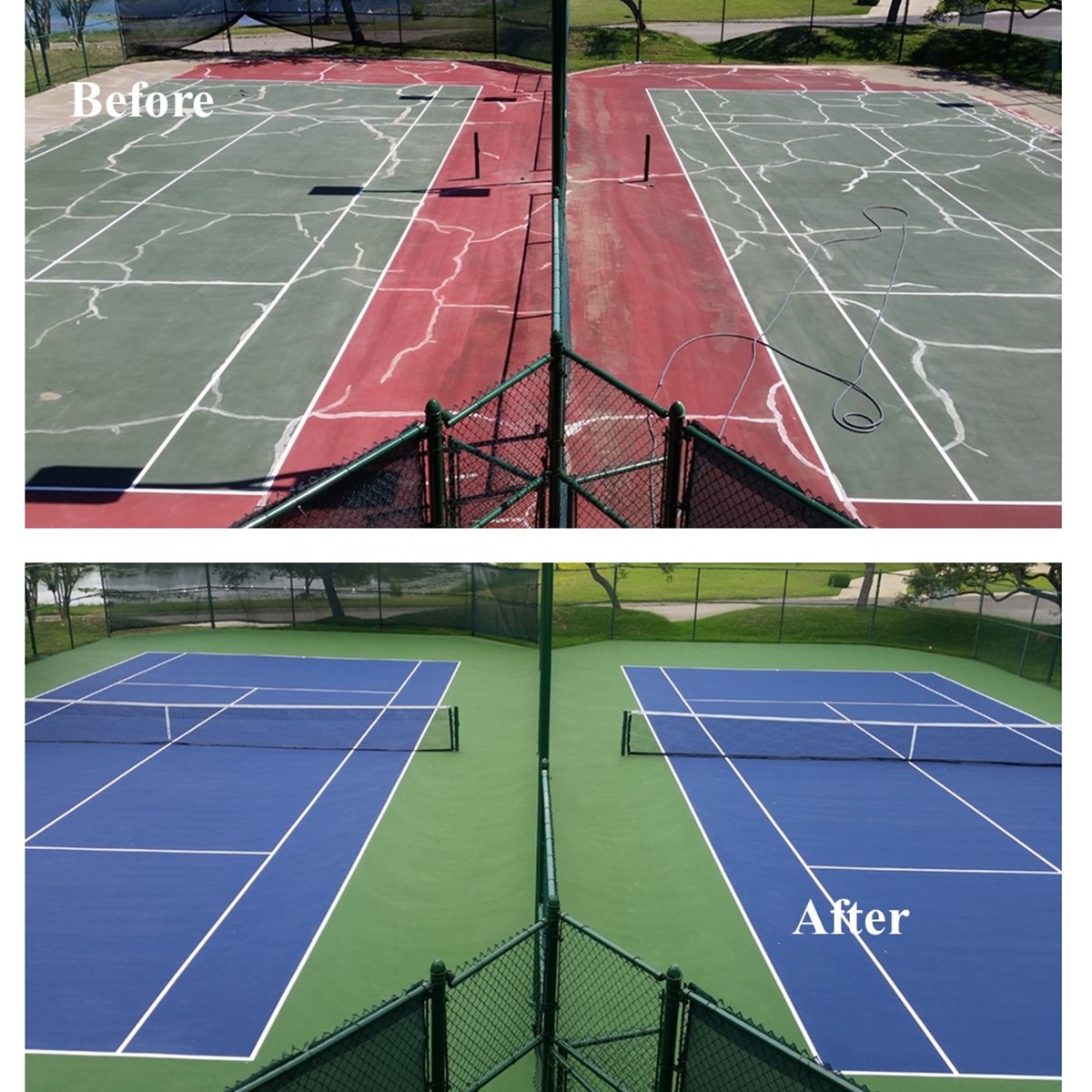
- Multi-use courts: many tennis and basketball courts converted to pickleball lines.
Yearly growth varies by source, but the steady trend is upward. Expect more players and more facility investment in the near term.
Who is playing? Demographics behind the pickleball numbers in USA
Pickleball attracts diverse age groups. Historically the sport drew older adults. Now, youth and middle-aged players are increasing fast.
Demographic highlights:
- Older adults: large share of current players are 50-plus, often for social play.
- Younger growth: players under 35 are the fastest-growing segment.
- Gender balance: the sport is moving toward parity, with more women joining leagues.
- Casual vs. competitive: many play casually; tournament participation is growing.
These demographic shifts mean clubs should offer mixed times and skill-level programs to serve a wider base as the pickleball numbers in USA broaden.
Geographic spread: states and regions shaping pickleball numbers in USA
Growth is nationwide, but some places lead the way. Sun Belt states show strong adoption because of weather and senior communities. Urban areas show rapid court conversions and indoor facilities.
Top geographic themes:
- Strong states include Florida, Arizona, Texas, and California.
- Midwest and Northeast show steady club formation and indoor growth.
- Smaller towns embrace public-court builds tied to parks and rec budgets.
If you watch municipal parks data, you’ll see local demand reflect the larger national trends in the pickleball numbers in USA.

Courts, facilities, and access: supply versus demand
Court supply struggles to keep up with demand. Municipal systems are adding lines, and private clubs push for dedicated courts. Indoor courts are growing in colder regions.
Facility notes:
- Many tennis courts now host pickleball lines during certain hours.
- Dedicated indoor and outdoor courts increase organized play.
- Booking demand often exceeds supply during peak hours.
When planning facilities, compare local player counts to court supply. That gap explains much of the pressure in the pickleball numbers in USA.
Economic impact: business, equipment, and tournaments
Pickleball drives significant spending. Players buy paddles, balls, gear, and apparel. Clubs and tournaments attract tourism and local spending.
Economic highlights:
- Equipment sales rose sharply in recent years.
- Local tournaments bring hotel and restaurant revenue.
- New businesses include indoor clubs, coaching schools, and pro events.
These shifts show how the pickleball numbers in USA translate into real dollars for communities and entrepreneurs.
Participation, leagues, and competition levels
Organized play grew with more leagues and rating systems. Social players still form the base. Competitive circuits are expanding with youth ladders and pro events.
Participation patterns:
- Recreational play remains the largest segment.
- League play and ratings help structure competition.
- Youth programs help secure long-term growth.
Tracking local registration trends gives a good read on how the pickleball numbers in USA will evolve regionally.
Future projections and challenges tied to pickleball numbers in USA
Growth will likely continue, but there are limits and challenges. Court access, noise complaints, and safety concerns can slow expansion if not managed.
Future opportunities and risks:
- Continued growth but slower pace as markets mature.
- Need for more courts, coaches, and youth outreach.
- Managing community impact and injury prevention.
Plan for steady growth and thoughtful management if you’re a facility leader or entrepreneur watching the pickleball numbers in USA.
My experience and practical tips from working with the numbers
I helped start a community pickleball program. We began with two temporary courts and a waitlist of beginners. Within a year, demand outpaced supply and we added dedicated courts.
What I learned:
- Run beginner clinics to convert curious people into regular players.
- Track signups and peak hours to justify more courts.
- Offer mixed-age sessions to grow membership fast.
If you want to use the pickleball numbers in USA to make decisions, collect local data and test small programs before big builds.
Data sources, reliability, and how to interpret pickleball numbers in USA
Not all figures align. Participation estimates come from surveys, retail data, and municipal records. Each method has limits.
How to read the data:
- Surveys capture self-reported play, which can over- or under-count.
- Facility bookings and sales show real demand signals.
- Combine sources to get a balanced view.
Be transparent about data limits when you use the pickleball numbers in USA for planning or investment.
Frequently Asked Questions of pickleball numbers in usa
What is the current estimated number of pickleball players in the USA?
Recent estimates put active players around 4.5–4.8 million Americans, reflecting strong growth since 2019.
Are pickleball players mostly older adults?
Older adults make up a large share, but the fastest growth is among younger players under 35, shifting the age mix.
Which states have the most pickleball courts and players?
Sun Belt states like Florida, Arizona, Texas, and California show high participation, though growth is nationwide.
How fast are pickleball numbers in USA growing yearly?
Growth rates vary by source, but many areas saw double-digit annual increases during the pandemic years and steady growth afterward.
Will demand for courts outpace supply?
In many communities, yes. Booking demand often exceeds available court time during peak hours, leading to new court builds.
How can a park system measure local pickleball demand?
Track reservations, waitlists, clinic signup rates, and equipment sales to gauge interest and prioritize court builds.
Do tournaments significantly affect local economies?
Yes. Tournaments can bring visitors who spend on hotels, food, and retail, creating measurable local revenue.
Conclusion
Pickleball’s rise is real, measurable, and reshaping recreation across the country. The pickleball numbers in USA show strong participation, changing demographics, and clear economic opportunity. Use local data, test programs, and plan courts wisely to meet demand. If you run a club, start a beginner clinic this month; if you’re a planner, review your court booking data; if you’re a player, invite a friend to double the fun. Share your local numbers below, subscribe for updates, or leave a comment to start a conversation.