
Pickleball open play is drop-in, social court time for all skill levels.
If you want easy games, new friends, and faster growth on the court, pickleball open play is your best door in. I’ve coached and hosted sessions for years, and I’ve seen how a good open play can turn a beginner into a regular in one month. This guide breaks down how pickleball open play works, how to find it, and how to thrive in it—without stress.

What is pickleball open play?
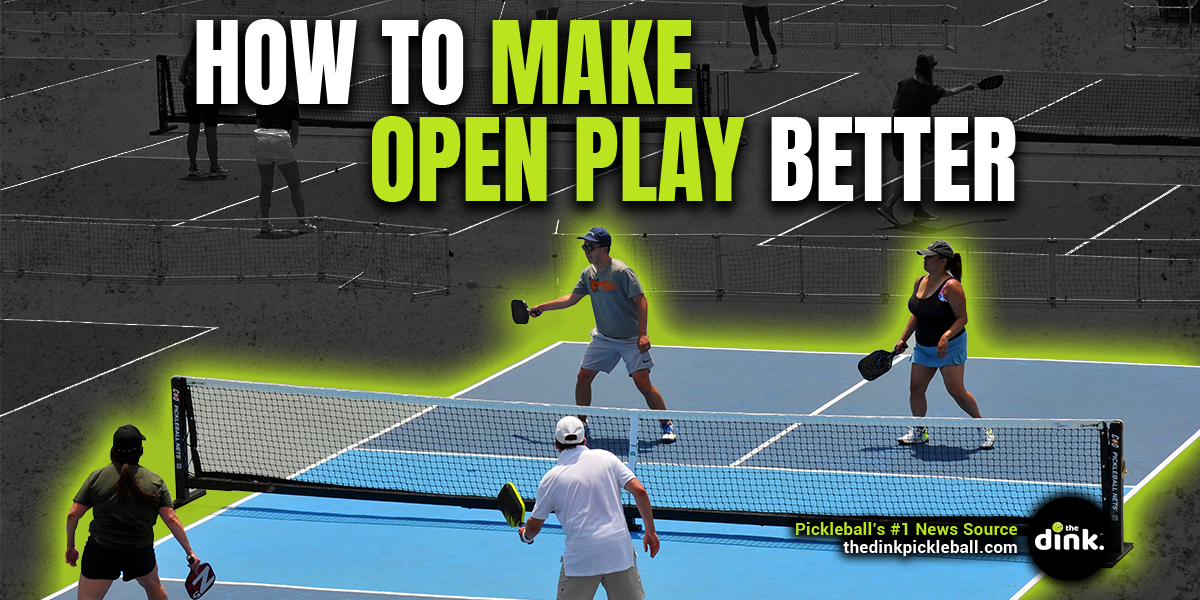
Pickleball open play is a drop-in block of court time. Players show up, mix in, and rotate games. You do not need a set partner. You do not need a booked court.
Most clubs and parks run a daily or weekly schedule. Many split by skill level. You play short games, then paddle stack, and rotate again. It is low cost, social, and great for fast reps.
Pickleball open play helps you learn the flow of the game. You meet local players and learn house rules. If you want quick fun and fair matches, this is your place.

How pickleball open play works
Sessions often run two to three hours. Courts fill, then rotate. Games to 9 or 11 keep things moving.
Here is a common flow:
- Arrive and sign in. Set your paddle on the rack.
- Wait for the next open court. Four paddles go in.
- Play one game. Winners or all four rotate off.
- Return paddles to the end of the line.
Pickleball open play may use wristbands for skill groups. Some sites use challenge courts. Always ask a host about their system. Clear rules make open play fair and fun.

Open play etiquette and unwritten rules
Etiquette keeps the vibe friendly. It also keeps games fast.
Key points I teach new players:
- Greet your court. Learn names fast. It eases tension.
- Call the score loud and clear. It avoids disputes.
- Close calls go to your opponent’s favor. Honor comes first.
- Keep warm-ups short. Others are waiting.
- Step off after one game if there is a line. Share the court.
Pickleball open play runs on respect. If someone looks lost, help them. A 10-second tip can make their day.

Skill levels, rotation systems, and fair matches
Pickleball open play works best with level groups. Many parks use beginner, intermediate, and advanced. Some use 2.5 to 4.5+ ratings.
Common rotation systems:
- Stack-and-play. First four paddles go on court.
- Winners stay one. Winners split after two wins to keep it fair.
- Challenge court. Winners stay, challengers rotate in.
If you are new, join lower courts first. In my first month, I misread my level. I learned to ask a host where to start. Fair matches boost fun and skill.
Gear, court setup, and formats
You only need a paddle, indoor or outdoor ball, and court shoes. Wear light layers and bring water. A small towel helps in heat.
Popular open play formats:
- Standard doubles to 11, win by 2.
- Quick-fire games to 9, cap at 9.
- King of the court for advanced groups.
Bring two balls in case one cracks. Outdoor balls play faster and bounce more. Indoor balls are softer. Ask which ball the group uses. These small steps make pickleball open play smoother.
Strategy tips for pickleball open play
Open play is a lab. Use it to test simple plans. Keep the focus on high-percentage shots.
Try these tips:
- Serve deep and safe. Aim middle for fewer errors.
- Third shot drop more than drive. Mix speeds.
- Dink cross-court to target the longer distance.
- Attack up the middle. Many teams misread who takes it.
- Reset when in trouble. Soft block to the kitchen.
In pickleball open play, you face many styles. Take quick notes after tough games. One note a day can change your next week.
How to find pickleball open play near you
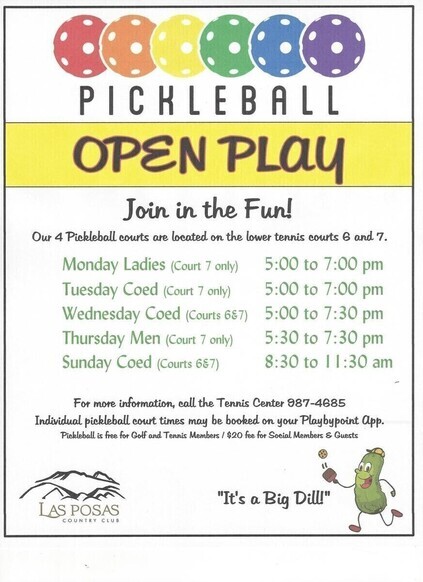
You can find sessions in many ways. City parks post schedules online. Clubs share calendars on apps and social pages.
Search tips:
- Use terms like “pickleball open play near me.”
- Check park and rec calendars for drop-in times.
- Ask at local gyms, YMCAs, or tennis clubs.
- Join regional pickleball groups and message boards.
- Use mapping apps with filters for pickleball courts.
Call ahead if you are not sure about level fit. Many hosts love helping new people. Clear info helps you pick the right pickleball open play the first time.

Safety, warm-up, and injury prevention
Most injuries happen in the first 10 minutes. Warm up before you play. Keep it simple.
Do this quick set:
- March and side steps for one minute.
- Ankle circles and knee bends for one minute.
- Hip opens and arm swings for one minute.
- Light shadow swings and split-steps for one minute.
Hydrate and rest between games. If the court is slick, slow down. In pickleball open play, you may stop and start a lot. Protect your body so you can play more days.

How to host or improve your local pickleball open play
Good hosting turns chaos into flow. I run sessions with a short welcome, clear rules, and quick rotations.
Use this checklist:
- Post start and end times. Share the rotation system.
- Label courts by level or format.
- Keep a spare ball box and hand wipes.
- Use a paddle rack and a whiteboard for notes.
- Remind players to step off after one game if crowded.
Track turnout over time. Adjust levels and formats as your group grows. A smooth pickleball open play keeps players coming back.
Common mistakes and how to avoid them
Avoid these errors:
- Skipping warm-ups. This raises injury risk.
- Playing out of level. It hurts fun for all.
- Hogging courts. Rotate out fast when busy.
- Over-hitting. Control wins more points.
- Ignoring lines and calls. Clear calls keep peace.
I once stayed on a hot court after two wins. The line grew and patience fell. Now I split after one win when it is packed. That small change lifts the mood of the whole pickleball open play.
Frequently Asked Questions of pickleball open play
What is pickleball open play?
It is a drop-in session where players rotate into games. You do not need a partner or a reservation.
How long are games during open play?
Most games go to 9 or 11 and are win by 2. Busy sites cap games to keep rotations fast.
Do I need a rating to join pickleball open play?
Not always. Many sites welcome all levels and will guide you to the right court.
What should I bring to my first session?
Bring a paddle, the right ball, water, and court shoes. A small towel and a spare ball help too.
Can beginners join pickleball open play?
Yes. Many parks run beginner blocks or courts. Ask a host and start at the right level for fair play.
How do rotations work if there are many players?
Most use paddle racks in first-in, first-out order. Winners may stay one game or all rotate off.
What is good etiquette in open play?
Be friendly, call the score loud, and share courts. Keep warm-ups short and honor close calls.
Conclusion
Pickleball open play blends fast games, new friends, and steady growth. Show up with a plan, follow simple etiquette, and seek fair matches. Use every game to test one small skill, and you will improve fast.
Find a session this week and try two tips from this guide. Ask a host for the best court for your level. Want more? Subscribe for updates, drills, and local pickleball open play tools you can use right away.