Pickleball began in 1965 on Bainbridge Island, Washington, created by three dads.
Curious how a backyard game became America’s fastest-growing sport? You’re in the right place. I’ve spent years studying the pickleball origin, talking with veteran players, and visiting courts where the game’s story still echoes. Stick with me for a clear, friendly guide to the pickleball origin—from the first whiffle ball to today’s booming pro scene.
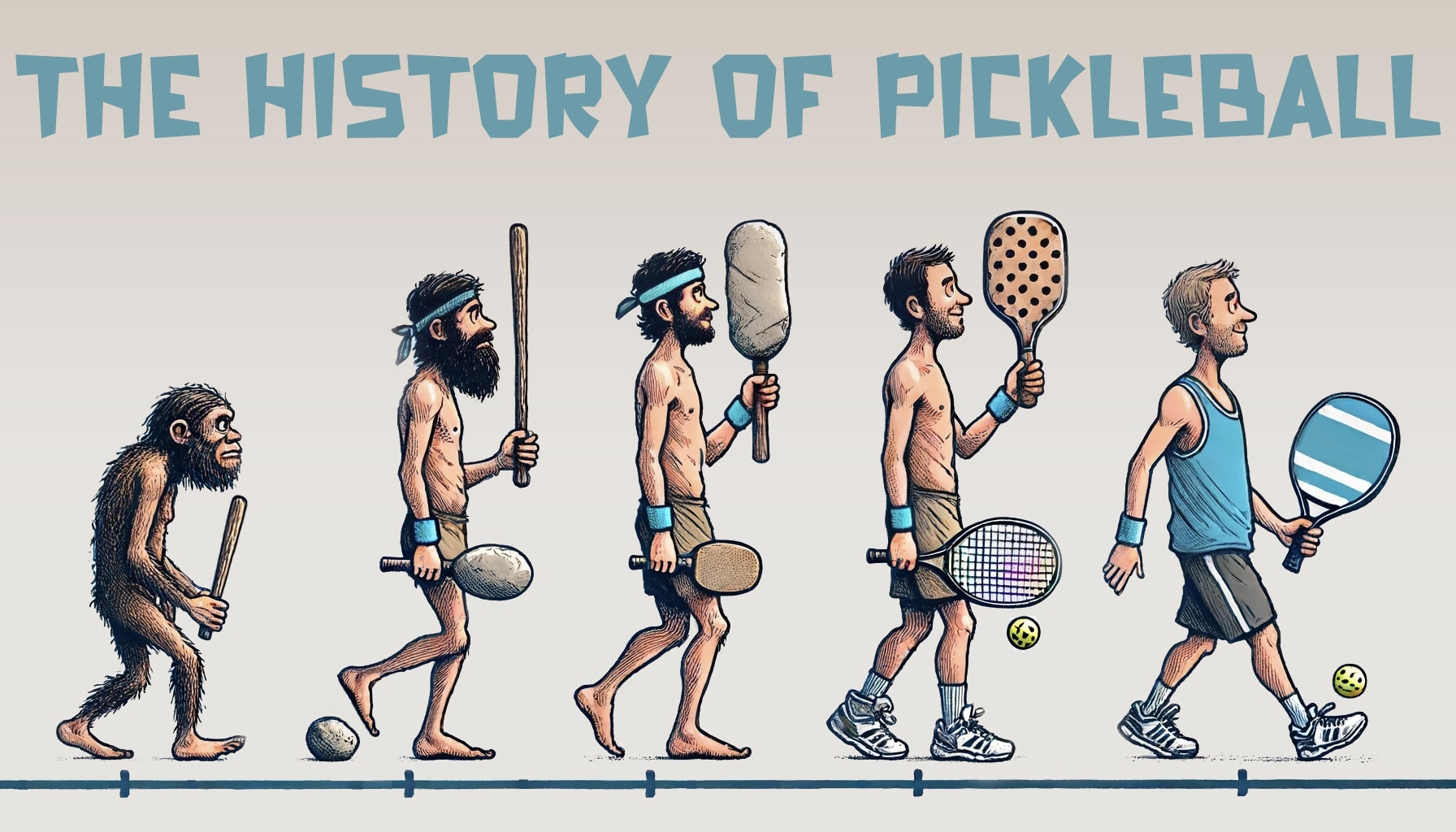
The real story of the pickleball origin
Pickleball started as a summer fix for bored kids. Three neighbors—Joel Pritchard, Bill Bell, and Barney McCallum—stood on a badminton court in 1965 on Bainbridge Island. They had a plastic ball, some plywood paddles, and an idea: make a game anyone could play right away. The net dropped, the rules were simple, and the laughs were instant.
Here’s the heart of the pickleball origin. The founders blended parts of tennis, badminton, and ping-pong. They used a perforated plastic ball, kept the court small, and added a no-volley zone near the net (the kitchen). That one rule kept rallies going and made the game easy to learn. It also set pickleball apart from any other paddle sport.
When I first visited community courts near Seattle, I met players who knew the founders. Their stories were simple and warm. The game’s early culture was open-door and neighborly. That spirit is still the engine behind pickleball’s growth today.
The name: Pickles the dog or “pickle boat”?
The most debated piece of the pickleball origin is the name. Two stories live side by side.
- Some family members say it came from “pickle boat,” a term in rowing for a crew made up of leftover oarsmen, which fit the sport’s mash-up style.
- Others recall a family dog named Pickles who kept chasing the ball, so “Pickle’s ball” stuck as a nickname that became official.
Both versions come from people who were there. Many historians treat them as part of the same charming lore, and the dual origin has become part of pickleball’s identity. The takeaway is simple: the name reflects a playful, homemade start.
Why a backyard game took off
The pickleball origin also explains its wildfire growth.
- The court is smaller, so it fits anywhere.
- The rules are simple. You can play in minutes and improve for years.
- The plastic ball slows things down. That creates longer rallies and more fun.
- It’s social. You talk between points and rotate partners easily.
That mix made the game perfect for families, schools, parks, and now large clubs. The early founders wanted something inclusive, and that design choice changed everything.

A simple timeline of the pickleball origin
The pickleball origin unfolds through a few key moments. Here’s a quick path from backyard to mainstream.
- 1965: The game is invented on Bainbridge Island, Washington.
- 1967: A first permanent court appears on the island as the backyard scene grows.
- 1970s: Local leagues form, and the first recorded tournament takes place in 1976 in Washington State.
- 1980s: A formal ruleset emerges and a national group supports the sport’s spread.
- 2000s: A modern rulebook, national tournaments, and improved gear speed up growth.
- 2010s: The game enters schools, city parks, and clubs across the US.
- 2020s: Pro tours, major sponsors, and millions of new players arrive.
If you track major events, you see the same theme: keep it simple, keep it social. The pickleball origin shows how those choices fueled steady and then explosive growth.

How rules and gear evolved from the pickleball origin
The founders built the rules around fast learning and fair play. Most of what you see on courts today comes from those early tweaks.
Court and net
- Started on a badminton court, then moved to a tennis-style net height.
- Today’s net sits at 36 inches on the sides and 34 inches in the center.
- The court is 20 by 44 feet, the same size for singles and doubles.
The kitchen
- The non-volley zone, or kitchen, reaches 7 feet from each side of the net.
- It stops players from smashing at the net and keeps rallies lively.
- It also lets new players stand closer without feeling overpowered.
Serve and scoring
- The early serve was underhand for control and safety.
- The double-bounce rule (ball must bounce once on each side before volleys) slowed things down at the start of every rally.
- Games to 11, win by 2, made matches quick and casual.
Paddles and balls
- At first, paddles were cut from plywood in a garage.
- Composite and graphite paddles arrived later, boosting control and power.
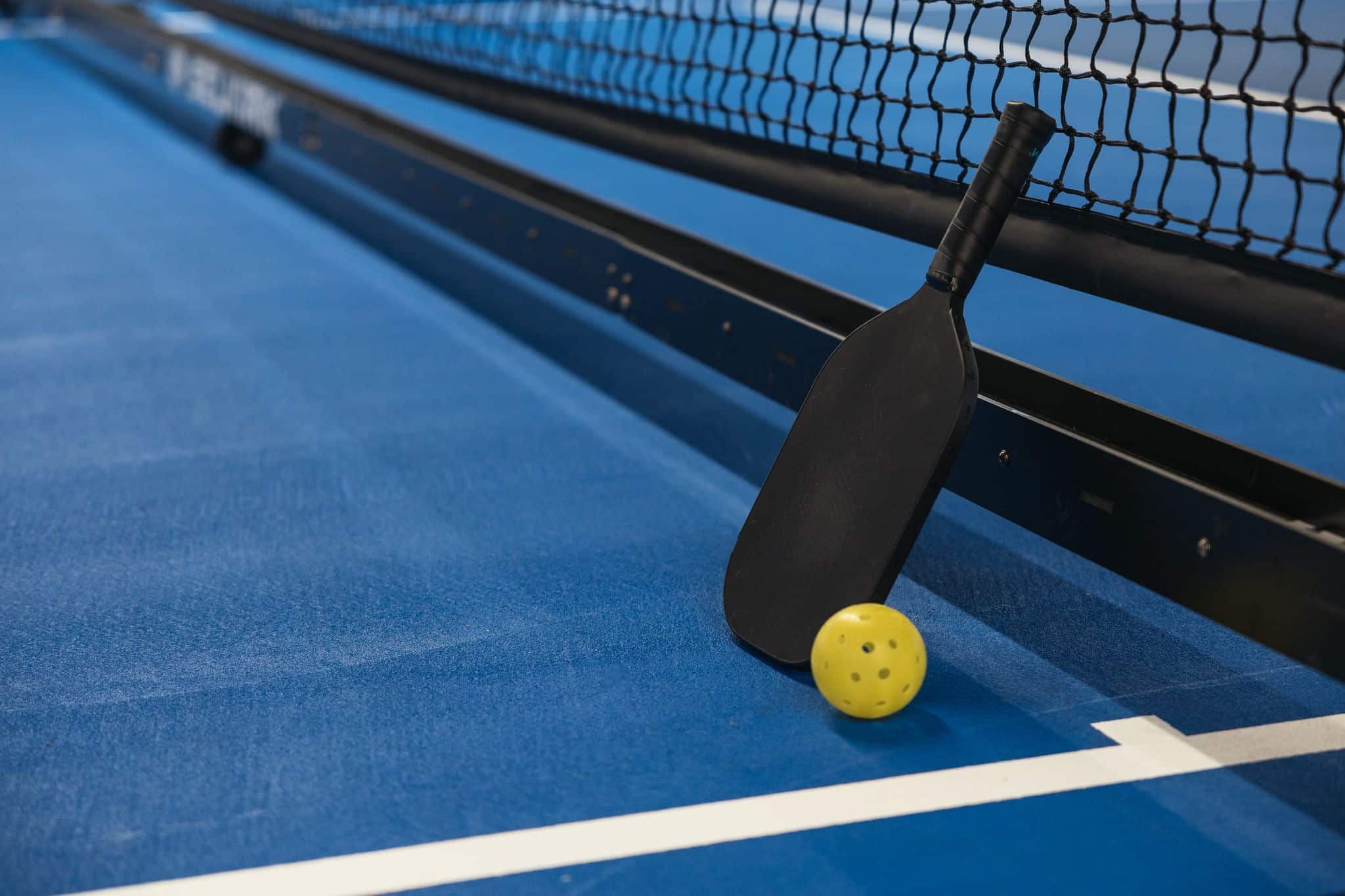
- The perforated plastic ball remains the heart of the game’s unique bounce and pace.
When I run beginner clinics, I show a simple drill: dink, drop, drive. That flow mirrors the original vision. Start soft, play smart, then pull the trigger. It is the living DNA of the pickleball origin.

Why the pickleball origin matters today
Knowing the pickleball origin helps explain today’s culture. Yes, the sport has pro tours, TV coverage, and brand deals. Yet the heart stays friendly and local.
- The founders built the game for all ages, and that value still wins.
- Community parks and school programs echo the backyard start.
- Open play, paddle racks, and quick rotations came from a spirit of sharing.
In my experience, this backstory helps solve modern tension too. When courts get busy, the best fix is the original fix: keep it simple, talk it out, and invite more people in. The pickleball origin gives us a roadmap for growth without losing our soul.

Lessons from the founders: practical tips for new players
If you want to learn the game the way it was meant to be played, try this.
- Start with a soft ball warm-up. Let your body fall into a rhythm.
- Focus on the kitchen line. Own that space with good footwork.
- Use the drop shot to move from baseline to kitchen.
- Keep your paddle up. React fast, but stay calm with short swings.
- Talk between points. Set a plan: dink cross-court, hit middle, move as a team.
- Rotate and play with new partners. You will learn faster and meet great people.
These simple habits match the pickleball origin: clear rules, smart control, and shared fun.
Common myths and facts about the pickleball origin
Let’s clear up a few common myths with short, friendly facts.
-
Myth: It came from tennis with a lighter ball.
Fact: The founders blended badminton, ping-pong, and tennis ideas on a small court. -
Myth: The name only came from the dog.
Fact: Both the dog story and the “pickle boat” story appear in early accounts. -
Myth: The kitchen is a new idea.
Fact: The non-volley zone began early to keep play fair and rallies long. -
Myth: Wood paddles are useless now.
Fact: Wood paddles still teach touch. Many schools and camps use them. -
Myth: Pro power killed the original game.
Fact: Modern power sits on top of original control. Soft skills still win.
Understanding these points adds context to the pickleball origin and helps players respect the game’s roots.

Visiting the birthplace: Bainbridge Island travel tips
Want to feel the pickleball origin under your feet? Plan a day on Bainbridge Island.
- Ride the ferry from Seattle and enjoy the views.
- Stop by local courts and chat with regulars. You will hear stories that do not show up online.
- Explore small museums and park displays that honor early players.
- Bring a wood paddle if you have one and try a “retro” game.
When I visited, a local player handed me a scuffed ball and said, “This game started so we could laugh together.” That line is still my favorite summary of the pickleball origin.
Frequently Asked Questions of pickleball origin
Who invented pickleball?
Three neighbors—Joel Pritchard, Bill Bell, and Barney McCallum—created the game in 1965. They started on a backyard badminton court on Bainbridge Island.
Why is it called pickleball?
Two stories exist. One points to a family dog named Pickles, and the other to a “pickle boat” term from rowing.
Where did the first games happen?
The first games took place on Bainbridge Island near Seattle. Courts soon appeared in nearby backyards and local clubs.
What equipment did they use at first?
They used plywood paddles and a plastic ball with holes. The setup was simple so anyone could join.
How did the rules take shape?
Rules grew from trial and error on a small court. The kitchen, underhand serve, and double-bounce rule kept play fair and fun.
When did pickleball become a national sport?
The sport spread across the US in the 1970s and 1980s with formal rules. National events in the 2000s pushed it into the mainstream.
What part of the origin still matters most?
The focus on inclusion and simple rules matters most. It keeps new players welcome and rallies exciting.
Conclusion
The pickleball origin is a story of neighbors, summer light, and a smart set of simple rules. That mix made a friendly backyard game that now fills parks and arenas across the country. The more you learn about the founders’ choices, the more your own game—soft or hard—starts to click.
If this inspired you, try a retro session this week: wood paddles, soft shots, and big smiles. Share this guide with a friend, subscribe for more insights, or leave a comment with your favorite local story from the pickleball origin.