A pickleball round robin is a social format where every player or team gets to play everyone else.
I’ve spent countless weekends organizing and playing in pickleball events. I know the chaos of a poorly run tournament and the pure joy of a smooth, fun-filled day. This guide will walk you through everything you need to know about pickleball round robin play, from understanding the rules to hosting your own successful event. We'll make sure your next game day is a huge hit.
What Exactly is Pickleball Round Robin Play?
At its heart, pickleball round robin play is a tournament format designed for fairness and fun. Unlike a single-elimination tournament where one loss sends you home, a round robin ensures everyone gets plenty of time on the court. Each player or team is scheduled to play against every other participant. It’s the ultimate social mixer for pickleball players.
This format is perfect for clubs, community groups, or just a large gathering of friends. It removes the high-pressure feeling of a traditional bracket. The goal is less about a single victory and more about playing a variety of opponents and enjoying the game. This approach makes it a fantastic choice for players of all skill levels, from beginners to advanced competitors.
There are different ways to structure it. You might play with a fixed partner the entire time. Or, you could have a rotating partner format where you team up with someone new for each game. Both styles create a dynamic and engaging experience that focuses on community and court time, which is why pickleball round robin play is so popular.
How Does a Pickleball Round Robin Work?
Setting up a pickleball round robin might sound complicated, but it follows a simple, logical flow. The key is good organization from the start. Once you get the hang of it, you can run an event smoothly for any number of players.
Here is a step-by-step look at how a typical event unfolds:
-
Count Your Players and Courts. The first step is to know your numbers. How many people are playing? How many courts do you have available? This information determines how long the event will take and how you’ll structure the games.
-
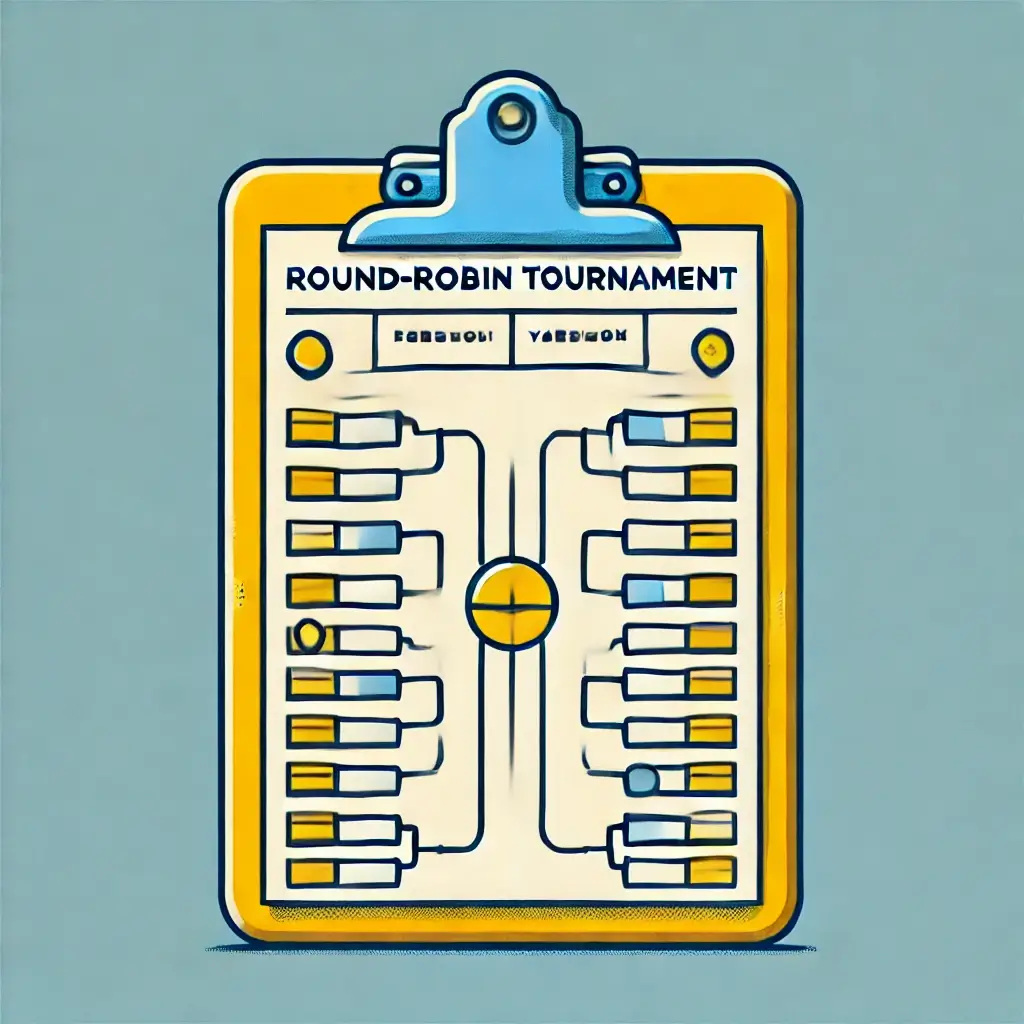
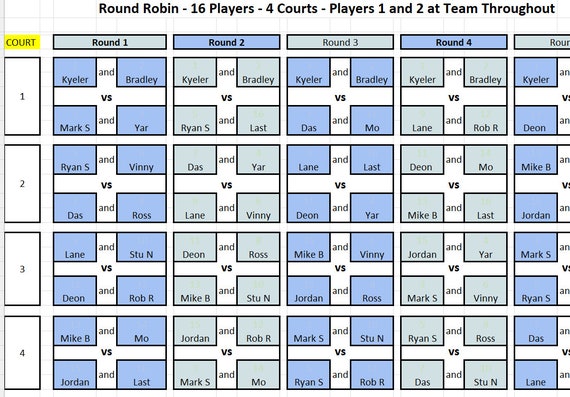
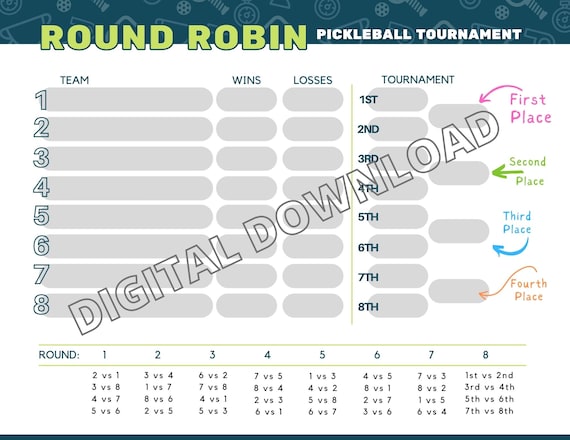
Create a Schedule. This is the core of the event. For a small number of teams (say, 6), you can easily draw a chart. Each team is listed, and you match them up for each round, making sure everyone plays each other once. For larger groups, many people use simple online tools or apps to generate the schedule automatically.
-
Assign Courts and Start Play. With your schedule in hand, you can assign the first-round matches to specific courts. Announce the matchups clearly. As games finish, players report their scores, and you can send the next round of players onto the courts. A central whiteboard is a great tool for keeping everyone informed.
-
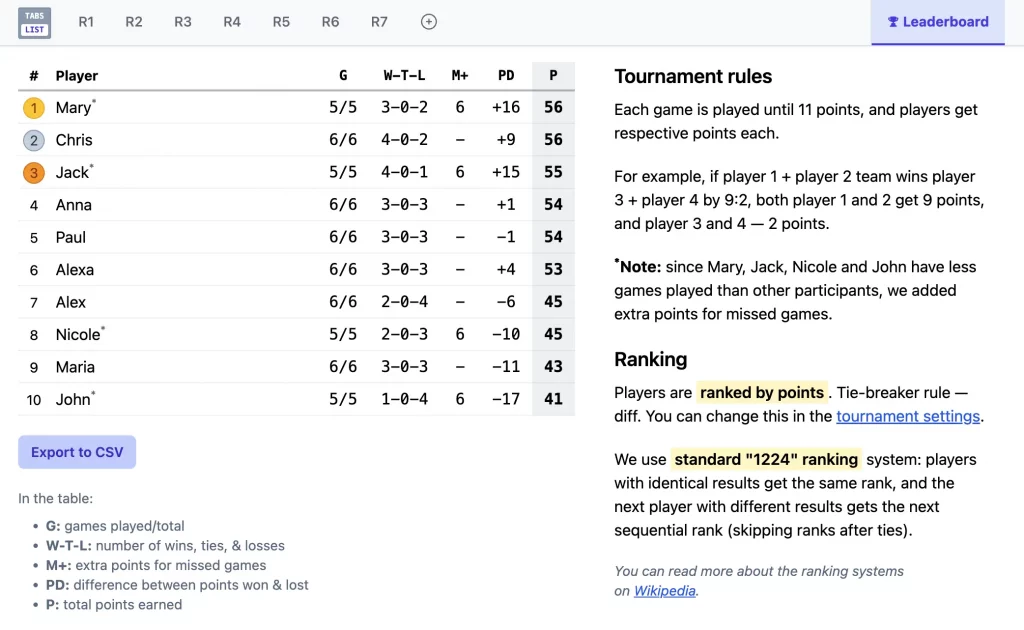
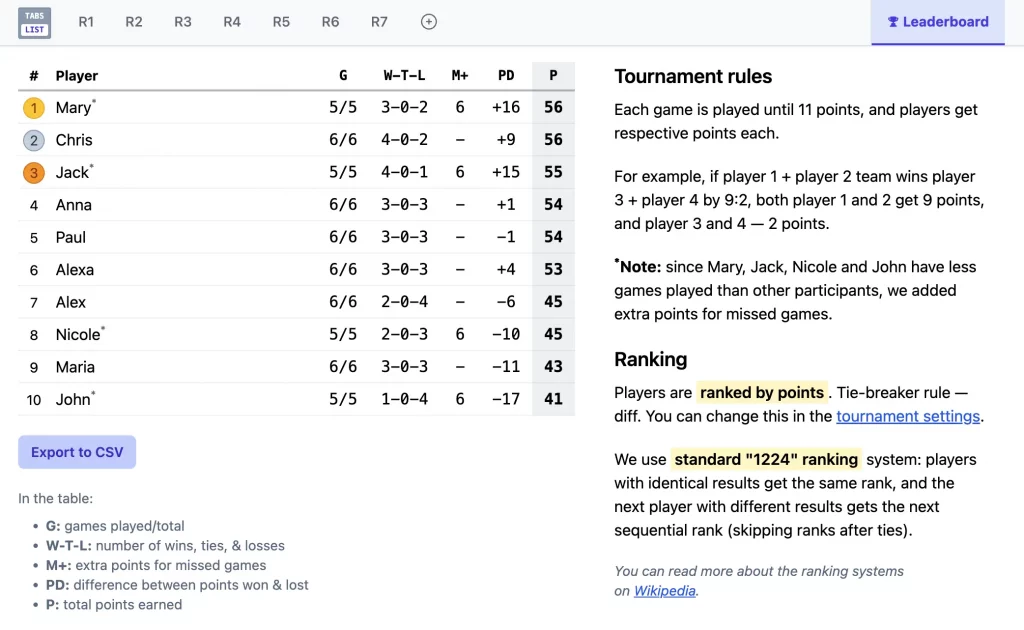
Track Scores and Determine a Winner. Players usually play games to a set score, like 11 points. The winner is the player or team with the most total wins at the end. If there's a tie in wins, the winner is often decided by point differential, which is the total points scored minus the total points conceded.
The Big Wins of the Round Robin Format
So, why choose this format over others? The benefits of pickleball round robin play are clear, especially for social and recreational events. It creates an environment that prioritizes participation and enjoyment for everyone involved.
Here are some of the top reasons players love it:
- Guaranteed Playtime. This is the biggest advantage. No one signs up for a tournament just to play one game and go home. A round robin guarantees multiple matches for every single participant.
- A More Social Atmosphere. Because you play against so many different people, it’s a great way to meet new players and build friendships. The format is naturally less intense, which encourages friendly conversation and camaraderie.
- Fair and Accurate Results. A single-elimination tournament can be decided by one bad game or a lucky shot. In a round robin, the winner is determined over a series of matches, providing a more accurate reflection of skill.
- Excellent for Skill Development. Playing against a variety of styles is one of the best ways to improve. You’ll face different serves, strategies, and skill levels, forcing you to adapt and grow as a player. A good session of pickleball round robin play can teach you a lot.
Hosting Your Own Pickleball Round Robin: A Simple Guide
Organizing your first pickleball round robin can feel like a big task, but it doesn't have to be. I learned by starting small with a group of eight friends. The most important lesson was to keep it simple and communicate clearly. A well-planned event is a fun event.
First, figure out your numbers. Knowing exactly how many players and courts you have is critical. I once planned for 16 players and 30 showed up; it was pure chaos. Always have a clear sign-up deadline to avoid last-minute surprises.
Next, decide on the specific format. Will players sign up with a partner, or will it be a rotating partner event? For social gatherings, I love rotating partners. It helps everyone mix and mingle. For more competitive play, fixed partners work best.
Then, create the schedule before anyone arrives. Don't try to make it up on the fly. For a small group, you can use a simple "round the clock" method on paper. Write numbers on a circle and rotate them one spot each round to create new pairings. For larger groups, a free online round robin generator will save you a huge headache. Finally, have a central place like a whiteboard to display the schedule, court assignments, and rules. It will answer 90% of the questions people have and keep the day running smoothly.
Key Strategies for Success in Round Robin Play
Winning in pickleball round robin play requires a different mindset than a standard tournament. It’s less about short-term intensity and more about consistency and endurance. You are in it for the long haul, playing multiple games against a variety of opponents.
Your first priority should be to conserve energy. Don't go for every powerful "put away" shot in your first game. Pace yourself, play smart, and focus on steady, reliable shots. Think of it as a marathon, not a sprint. You want to have enough gas left in the tank for your final matches.
Adaptability is also crucial. Each opponent will have different strengths and weaknesses. Use the first few points of every game to scout them out. Do they struggle with dinks? Are they weak on their backhand side? Adjust your strategy for each match instead of playing the same way every time.
Finally, maintain a positive attitude. You will likely lose a game or two, and that's perfectly fine. In pickleball round robin play, one loss doesn't eliminate you. Shake it off, learn from it, and focus on the next match. Your overall record is what matters, so staying mentally strong is just as important as your physical game.
Frequently Asked Questions of pickleball round robin play
How do you determine the winner in a round robin?
The winner is usually the player or team with the most wins. If there's a tie, point differential, which is points scored minus points against, is the most common tiebreaker.
How long does a pickleball round robin take?
The duration depends on the number of players, courts, and the game format. A small round robin with 8 players on 2 courts playing games to 11 will typically take about 2-3 hours.
Is a round robin good for beginners?
Yes, it's a fantastic format for beginners. It guarantees lots of playing time against different people, which is perfect for learning and having fun in a low-pressure environment.
What is a "ladder" format versus a round robin?
A ladder is an ongoing ranking system where players challenge those ranked above them to move up. A round robin is a single-event format where everyone plays each other over a set period.
Do I need a special app to run a pickleball round robin?
While apps can help, they are not necessary for a small event. You can easily create a schedule with a simple pen and paper chart for your pickleball round robin play.
Conclusion
The round robin format truly captures the spirit of pickleball. It emphasizes community, guarantees plenty of play for everyone, and offers a fair way to determine a winner. It’s a versatile system that works just as well for a casual weekend get-together as it does for a more structured club event. The focus always remains on having fun and enjoying the game.
Don't be afraid to organize your own event. Start small with a group of friends, keep it simple, and focus on clear communication. You now have the knowledge to successfully run or compete in your next pickleball round robin play day.
Get out on the courts, give it a try, and let us know how it goes in the comments below