Aim deep, clear the net, obey the rules, and mix spin and targets.
If you want more easy points and weaker returns, you need strong pickleball serve tips. I coach players of all levels and test every serve on real courts. Below, I share practical pickleball serve tips backed by rules, data, and experience. Follow them to build a clean, legal motion, hit deeper serves, and control the rally from ball one.
Why your serve sets the tone
A good serve does more than start play. It shapes the whole point. When you hit deep and accurate, you push the returner back and buy time for your next shot.
I teach players to think of the serve as a setup. Your serve should make the first return weaker. These pickleball serve tips focus on depth, arc, and placement. That is how you win the first four shots.
A simple goal helps. Aim three to six feet from the baseline. Clear the net by a foot or more. Repeat it under pressure.
Know the rules: legal serve basics
Clear rules make your serve reliable. These pickleball serve tips stay inside USA Pickleball guidelines, which protect fairness and safety.
Key rules in simple terms:
- Announce the score before you start the motion.
- Serve crosscourt into the correct service box.
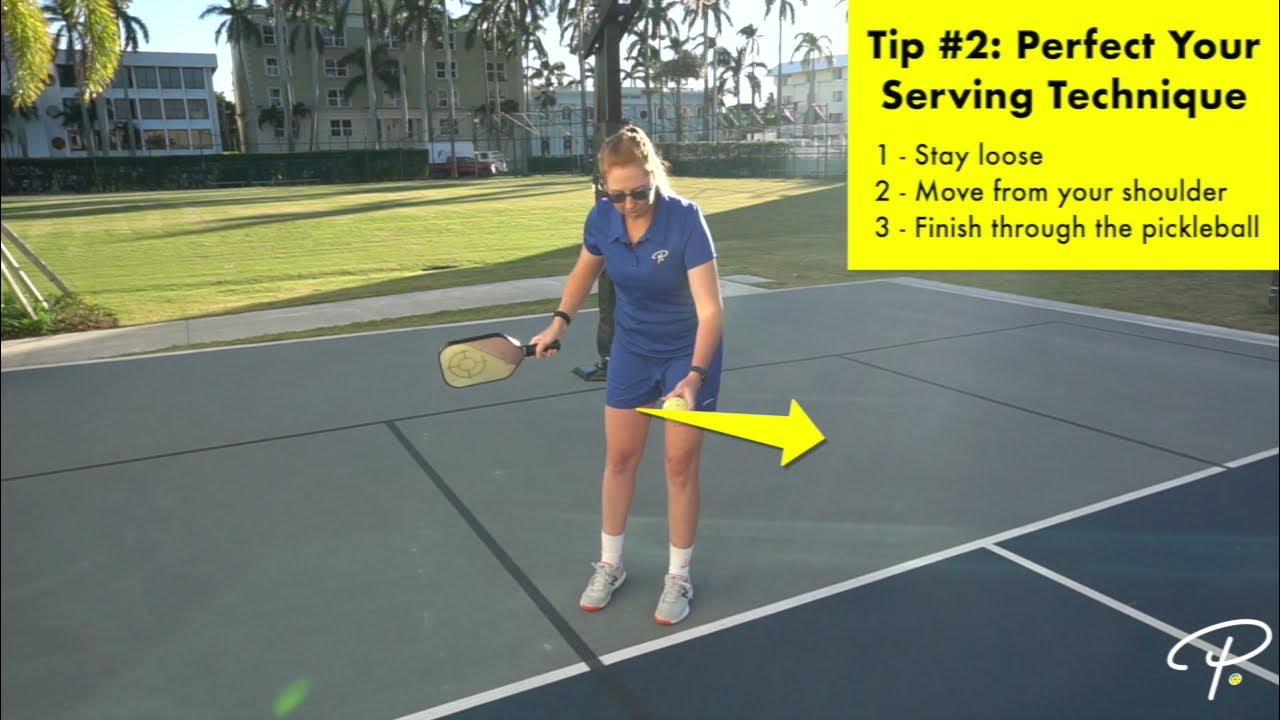
- On a volley serve, hit with an upward arc. Make contact below your waist. Keep the paddle head below your wrist at contact.
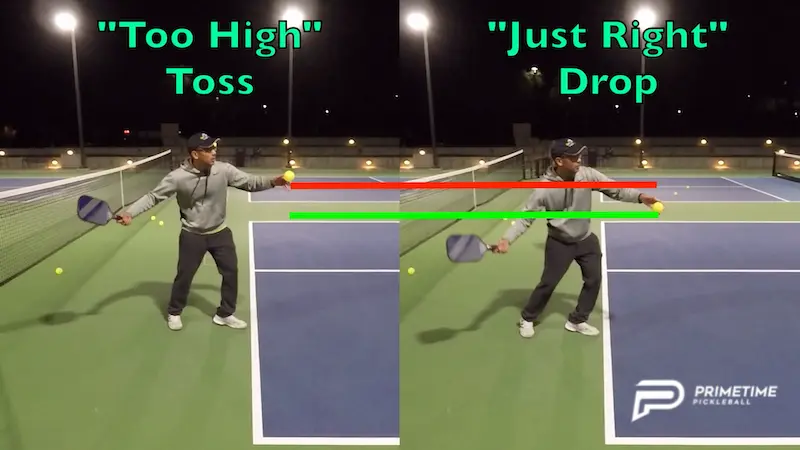
- On a drop serve, let the ball fall on its own. Do not toss, spin with your hand, or push it down.
- Both feet must be behind the baseline at contact. Do not touch the court or baseline until after you hit.
- The serve must land past the non-volley zone. If it hits the kitchen line, it is a fault.
- Respect the two-bounce rule. The return must bounce, and your next shot must bounce.
When in doubt, slow down and reset. A legal, deep serve is worth more than a risky trick.
Build a reliable motion: stance, grip, drop, contact
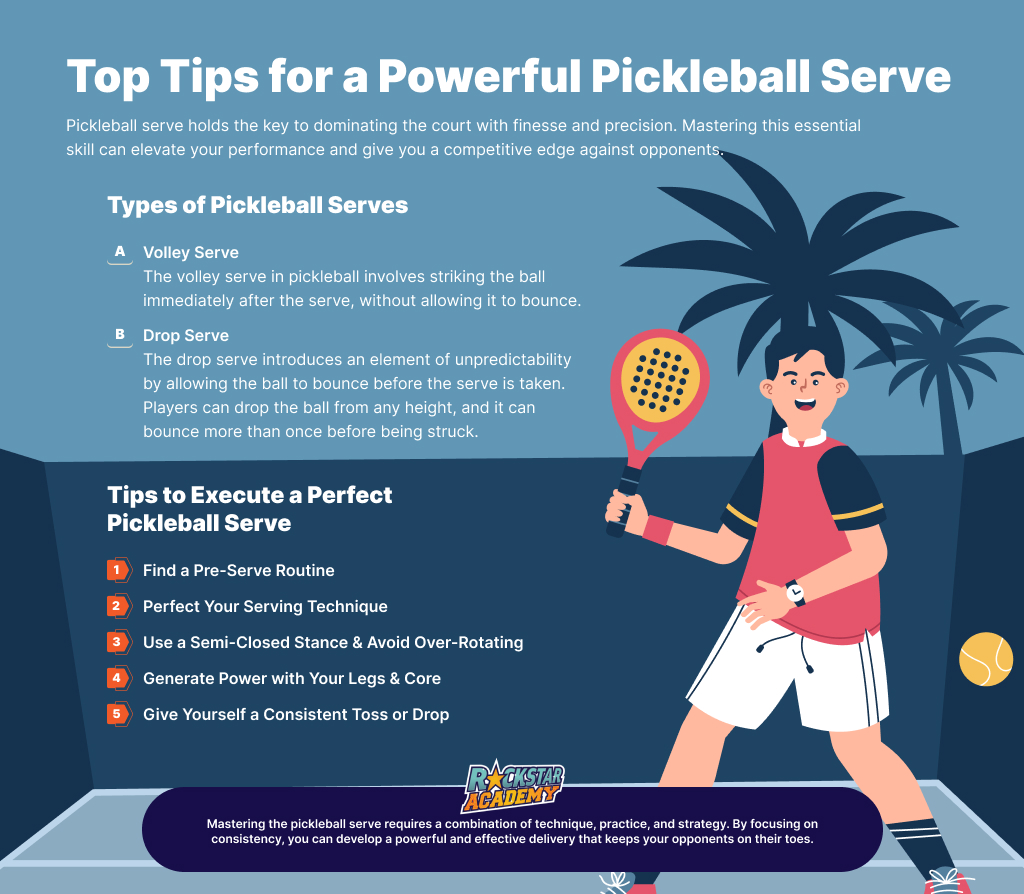
Simple moves create solid serves. These pickleball serve tips keep the motion repeatable and calm.
Stance and setup:
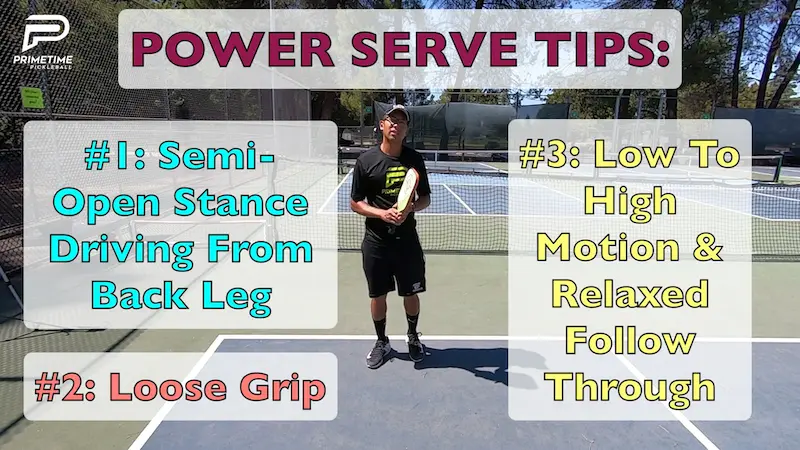
- Stand sideways to the target. Front foot points at the right sideline if you serve from the right. Reverse on the left.
- Hold a loose ready posture. Shoulders relaxed. Eyes on the target.
- Use a continental grip. It makes spin and height control easier.
Ball release:
- For a volley serve, release from chest height. Let it fall lightly before you hit.
- For a drop serve, drop from any height. No force. Let it bounce once.
Contact and follow-through:
- Swing with a smooth rise. Brush the back or side of the ball for spin.
- Finish toward your target. Keep your head still through contact.
- Set a net clearance target. I like 18 to 24 inches above the net tape.
One small cue changed my game: quiet hands, active legs. Bend the knees, then lift up through the hit. The ball comes off clean and deep.

Spin, power, and height: create heavy, deep serves
Depth is king. Spin and height protect depth. These pickleball serve tips show how to get all three without swinging wild.
Easy power:
- Use legs and core. Think ground-up power, not arm-only.
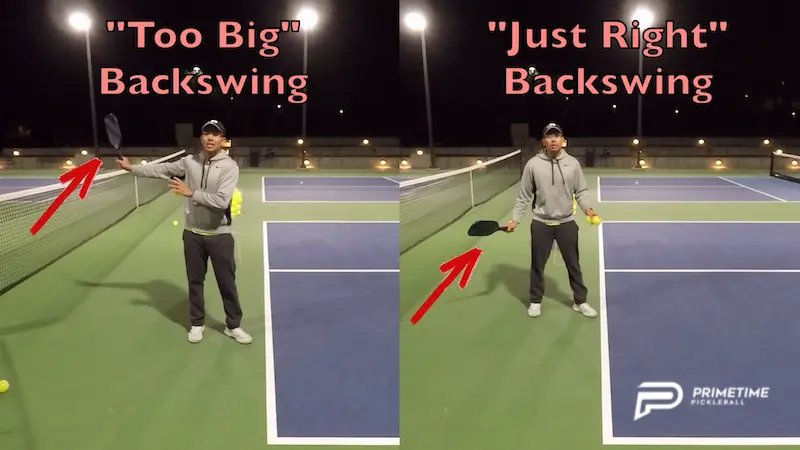
- Shorten your backswing. Smooth beats fast when you want accuracy.
Topspin:
- Brush up the back of the ball. The ball dives late and lands deep.
- Aim higher over the net. The spin pulls it down.
Slice:
- Brush the outside of the ball. Righties can swing from 2 to 8 o’clock to the right corner. Lefties mirror it.
- The ball skids and stays low. Many returns pop up.
Arc control:
- Add height on windy days. Higher arc forgives slight mishits.
- Lower the arc indoors for speed and precision.
Data goal I give students: average serve depth of three to six feet from the baseline, with a miss short less than 10%. That number alone raises your win rate.
Placement and patterns: make returns weak
Smart targets beat raw pace. These pickleball serve tips make the returner late and off-balance.
High-value targets:
- Backhand corner. Most players return weaker backhands.
- Into the body. Jam the hips to slow their swing.
- Deep middle. Create confusion in doubles. Who takes it?
Patterns I use:
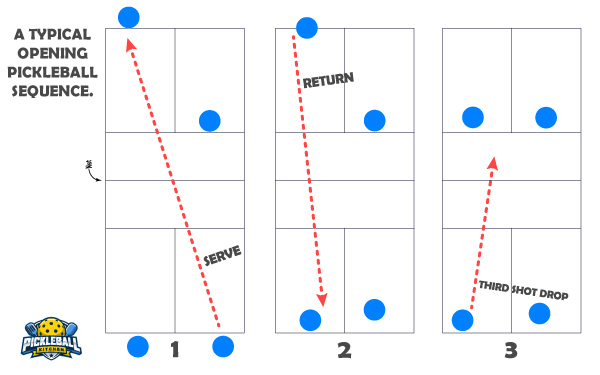
- Deep backhand, then third shot to the open space.
- Body serve, then soft third to the kitchen on their backhand side.
- Two deep to one spot, then one surprise slice wide.
Scouting notes:
- If they stand far back, use a short, high-kicker to the backhand.
- If they crowd the line, send a heavy, deep drive at the body.
- If they chip returns, slice at them. Make them lift.

Source: youtube.com
Practice plans and drills for faster gains
Reps build trust. These pickleball serve tips turn practice into progress.
Daily 10-minute plan:
- 20 warm-up serves with extra net clearance.
- 20 deep serves to the backhand corner. Track depth with cones.
- 20 spin serves, 10 topspin, 10 slice.
- 10 pressure serves. If you miss, start the set over.
Target ladder drill:
- Place four cones: safe deep, deep corner, body, short-angle.
- Serve five balls to each. Do two rounds. Record misses.
Serve plus one:
- Serve to a target. Partner returns crosscourt.
- You hit a planned third shot: drop, drive, or lob.
- This creates a match-like rhythm.
Stats to track:
- First-serve in rate over 95%.
- Net-clearance average near 18 to 24 inches.
- Depth average three to six feet from baseline.
Small tip from my notebook: when nerves hit, breathe out as you swing. It keeps the arm loose.
Common mistakes and easy fixes
Even strong players leak points on the line. These pickleball serve tips patch the usual holes fast.
Frequent faults:
- Hitting too flat. Fix by raising your contact and brushing up.
- Overcooking for aces. Fix by aiming deeper, not faster.
- Foot faults. Fix by drawing a chalk line and practicing behind it.
- Short serves in wind. Fix by aiming higher with more topspin.
When your rhythm breaks:
- Do three slow-motion shadow swings.
- Hit two high-arc, safe serves.
- Return to your main pattern. Save fancy for later.
Coach rule I share often: drop the speed by 10%, add 20% more net clearance. Your serve quality improves right away.
Gear, balls, and conditions
Small gear tweaks change outcomes. These pickleball serve tips help you match the setup to the day.
Paddle notes:
- A textured face helps grip the ball for spin.
- A balanced paddle (not too head-heavy) improves control on long sets.
Balls:
- Outdoor balls are firmer and faster. Add arc.
- Indoor balls are softer. Add pace or slice to avoid sitters.
Weather:
- Headwind needs more height and topspin.
- Tailwind needs lower arc and more slice.
- Cold air slows the ball. Aim deeper. Warm air jumps. Add spin control.
Shoes and stability matter too. A stable base gives you a clean swing and a calm head.
Mindset and match strategy on the line
Serving is a confidence script. These pickleball serve tips keep your head clear.
Simple routine:
- Breathe, call the score, set one target cue.
- See the flight path before you hit.
- Swing through the ball, then watch the bounce.
Score-smart choices:
- Up in the game? Test new spots.
- Down or tight? Go to your safest deep target.
- In doubles, serve to the weaker returner until they adjust.
I tell players to think cause and effect. Every serve should cause a weaker return. If not, change depth, spin, or target.
Advanced pickleball serve tips for competitive play
Once you are solid, add layers. These pickleball serve tips offer safe pressure without breaking rules.
Deception without trickery:
- Hide spin by keeping the same toss or drop and the same swing path.
- Change the contact point slightly in front or to the side.
Tempo shifts:
- Two quick serves, one slow, high-arc serve.
- Use a fast routine when you lead. Slow down when you need a reset.
Left-right pairing in doubles:
- Righty-lefty teams can serve slice into the middle seam.
- This pulls returns into your partner’s forehand.
Charting:
- Track where you win the first four shots after each serve type.
- Keep what pays. Drop what costs. That is how pros tune patterns.
Frequently Asked Questions of pickleball serve tips
What is the easiest legal serve for beginners?
Start with the drop serve. Let the ball fall, bounce, and swing up with a smooth arc. Aim deep middle for safety.
How do I add spin without breaking rules?
Do not pre-spin the ball with your hand. Create spin with your paddle by brushing up for topspin or across for slice.
Where should I aim most of my serves?
Aim three to six feet from the baseline and toward the backhand corner. Mix in body serves to keep them honest.
How can I serve better under pressure?
Use a short routine: breath, target, swing. Drop speed a little and raise net clearance. Trust your main pattern.
What is a good serve practice plan?
Hit 60 serves in 10 minutes: warm-up, deep targets, spin reps, and pressure serves. Track depth and misses with cones.
Conclusion
You now have a playbook to build a steady, dangerous serve. Keep it legal, aim deep, and add spin and smart targets. With these pickleball serve tips, you can shape returns, own the first four shots, and set up easier points.
Pick one drill, practice it for a week, and measure results. Your serve will become a calm weapon, not a guess. If you found this helpful, share it with a partner, subscribe for more guides, or drop a question so I can help you fine-tune your plan.