
Pickleball solo involves practicing drills and techniques by yourself to improve your skills without a partner.
I remember the frustration of wanting to improve my dinks, but my friends' schedules never lined up with mine. That feeling of being stuck is what led me to discover the power of practicing alone. This guide is born from that experience, packed with the drills, tips, and strategies I used to transform my game. We will explore everything you need to know about a successful pickleball solo session, turning that empty court time into your biggest advantage.

Why Practice Pickleball Solo? The Surprising Benefits
Pickleball is a wonderfully social game, but some of the most significant improvements happen when you are alone on the court. A dedicated pickleball solo practice allows you to focus entirely on your own mechanics without the pressure of a live game. It is your personal lab for skill development.
One of the biggest advantages is muscle memory. Repetition is key to making complex movements feel natural. Hitting a dink against a wall 100 times in a row builds a level of consistency that you just can't achieve in a fast-paced match. You can slow down, analyze your form, and make small adjustments until it feels perfect. This focused practice is essential for building a reliable game.
Furthermore, practicing pickleball solo gives you the freedom to work on your weaknesses. We all have that one shot we avoid in a game. Solo sessions are the perfect time to tackle it head-on. Whether it’s your backhand serve or a third-shot drop, you can drill it relentlessly until it becomes a strength.

Essential Gear for Your Pickleball Solo Session
You do not need a lot of fancy equipment to have a productive pickleball solo practice. In fact, you can get started with just the basics. The goal is to be efficient and effective with what you have.
Here is a simple list of what you will need:
- A Paddle. This one is obvious, but make sure you are practicing with the same paddle you use in games. You want to build a consistent feel for how the ball comes off the face.
- Pickleballs. Bring more than one. I suggest having at least a dozen balls so you can get into a rhythm without constantly stopping to retrieve a single ball.
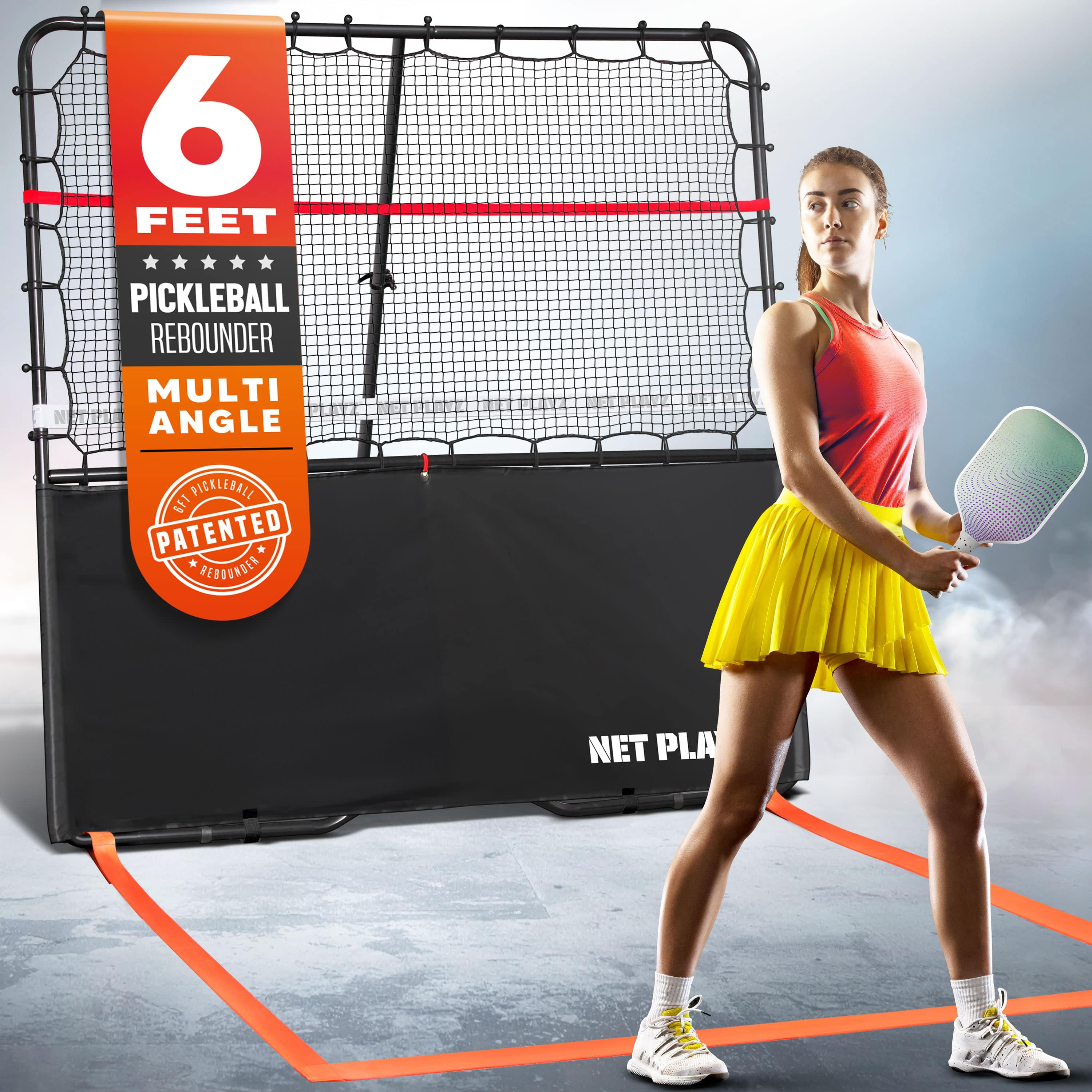
- A Wall or Rebounder. A flat, sturdy wall is your best friend for pickleball solo drills. Look for a tennis practice wall, a handball court, or even the side of a building. A rebounder net is a great alternative if you do not have access to a wall.
- Water and a Towel. Staying hydrated is crucial, especially when you are the only one on the court doing all the work. Keep water close by to stay fresh and focused.

The Best Pickleball Solo Drills to Master Your Game
This is where the real work begins. A structured pickleball solo session with specific drills will accelerate your progress much faster than just hitting balls randomly. The key is to practice with a purpose.
Wall Drills: Your 24/7 Practice Partner
The wall is the most valuable tool for any pickleball solo player. It never gets tired and always sends the ball back. Start close to the wall to work on your soft game and move back to practice more powerful shots.
Here are a few essential wall drills:
- Dink Drills. Stand near the non-volley zone line and practice soft dinks against the wall. Focus on control and hitting a specific spot every time. Try to get 50 in a row.
- Volley Drills. Take a step back and hit volleys without letting the ball bounce. This drill improves your reaction time and hand-eye coordination.
- Groundstroke Drills. Move back to the baseline and practice your forehand and backhand groundstrokes. Let the ball bounce once before you hit it. This helps build power and consistency from the back of the court.
Serving Practice: Finding Your Sweet Spot
A consistent serve can set the tone for the entire point. A pickleball solo session is the perfect time to fine-tune this crucial skill. Grab a bucket of balls and head to the baseline.
Instead of just hitting serves across the court, set up targets. You can use cones, water bottles, or even a towel. Practice hitting serves to different locations in the service box. Aim for deep corners and then practice hitting short serves. This intentional practice makes your serve a weapon, not just a way to start the point.
Footwork and Agility Drills
Great pickleball players seem to glide around the court. This is not by accident; it is the result of excellent footwork. You can improve your movement without even hitting a ball.
Try drills like shadow swinging, where you move through the motions of hitting different shots without a ball. This helps your body learn the proper footwork for each stroke. You can also do simple agility drills like side shuffles along the baseline or split-stepping to mimic game situations. Good footwork makes every part of your pickleball solo practice more effective.

Creating Your Perfect Pickleball Solo Practice Plan
Going to the court without a plan can lead to wasted time. A simple, structured routine ensures you work on all aspects of your game. You do not need hours; even a focused 30-minute pickleball solo session can make a huge difference.
Here is a sample 30-minute plan you can try:
- Minutes 1-5: Warm-up. Start with light jogging and dynamic stretches. Follow this with soft dinks against the wall to get a feel for the ball.
- Minutes 5-15: Skill Focus. Choose one or two skills to work on. For example, spend ten minutes on backhand volleys against the wall.
- Minutes 15-25: Serving Practice. Work on serving to different targets as described above. Hit at least 20-30 serves with a clear goal for each one.
- Minutes 25-30: Cool-down. End with some light groundstrokes and static stretching.
This simple structure keeps your pickleball solo practice focused and productive. Adjust the times and drills based on what you need to work on the most.
Common Mistakes to Avoid in Pickleball Solo Practice
Practicing alone is incredibly beneficial, but it is easy to fall into bad habits if you are not careful. I made many of these mistakes when I first started my pickleball solo journey. Avoiding them will help you get the most out of your time.
One common mistake is practicing with poor form. Since there is no coach to correct you, you might be reinforcing bad habits. Try to video yourself occasionally to check your technique. Watch videos of pro players to see how they move and swing.
Another mistake is a lack of focus. It can be tempting to just hit balls against a wall without a clear goal. Always go into your pickleball solo session with a purpose. Tell yourself, "Today, I am going to improve my backhand dink." This mental focus makes your practice ten times more effective. Finally, do not get discouraged. Improvement takes time. Celebrate small victories and trust the process.

Frequently Asked Questions of pickleball solo
Can you really get better at pickleball by practicing alone?
Absolutely. Pickleball solo practice is one of the fastest ways to improve your mechanics, consistency, and muscle memory without the pressure of a game.
What is the best surface for pickleball solo wall drills?
A smooth, flat concrete or brick wall is ideal. Many parks have tennis or handball courts with practice walls that work perfectly for pickleball.
How often should I practice pickleball solo?
Even one or two focused 30-minute sessions per week can lead to significant improvements. Consistency is more important than the length of each session.
Do I need expensive equipment for pickleball solo practice?
No, all you truly need is your paddle, some balls, and a wall. More advanced tools like rebounders are helpful but not necessary to get started.
Is a pickleball rebounder worth it for solo practice?
A rebounder can be a great investment if you do not have access to a good wall. It provides a more consistent and game-like return, which is excellent for drilling.
Conclusion
Embracing pickleball solo practice is like giving yourself a superpower. It is the secret to building the kind of consistency and confidence that wins games. The drills and strategies we have covered are your roadmap to becoming a stronger, more reliable player. You have the tools to turn any empty court or suitable wall into your personal training ground.
Your journey to a better pickleball game starts now. Grab your paddle, a few balls, and find a spot to practice. The next time you step on the court with friends, you will feel the difference, and they will see it too.
What are your favorite pickleball solo drills? Share your tips and experiences in the comments below