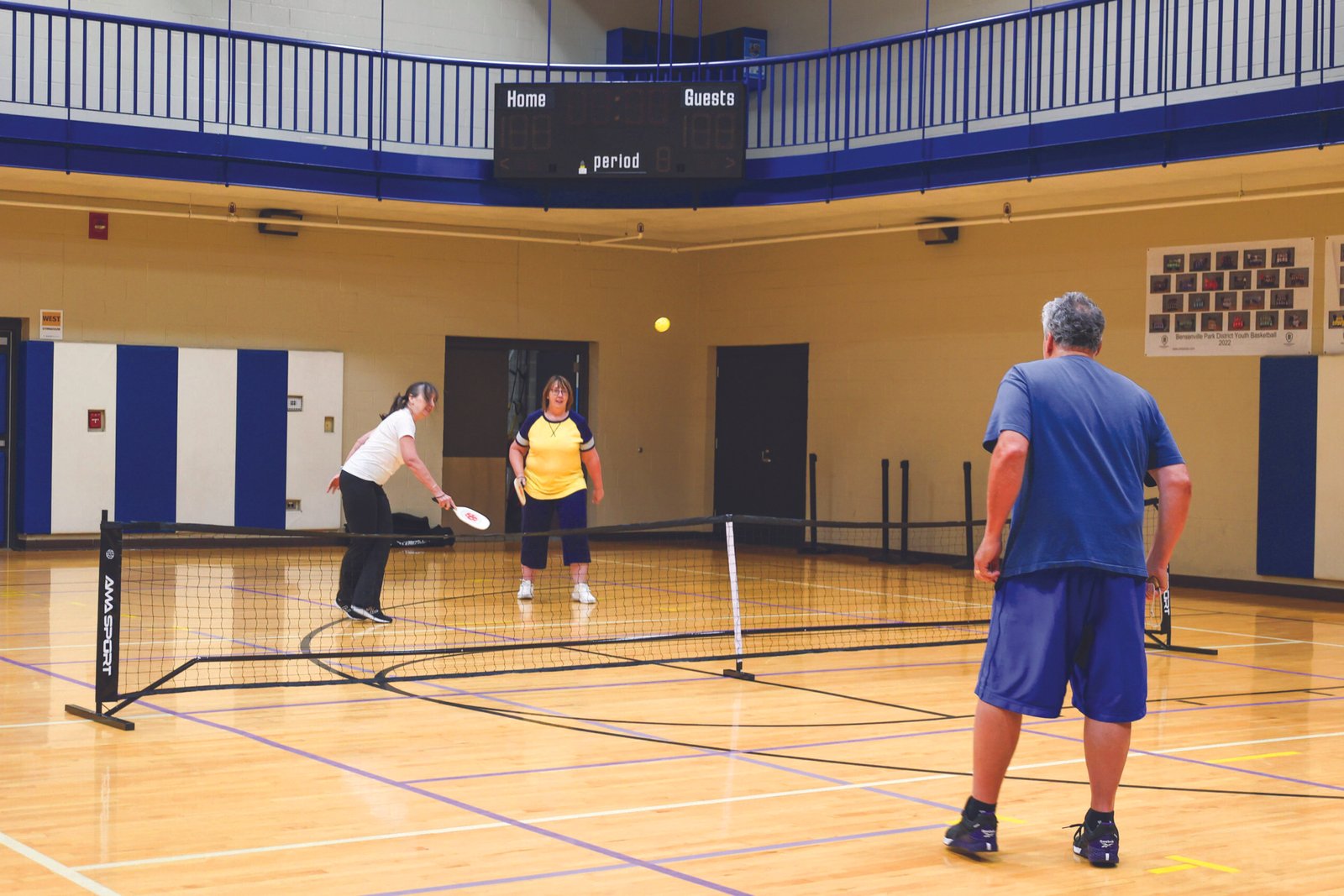
A pickleball tournament set includes paddles, balls, nets, and all match ready gear.
I have run and played in many events, and I know what makes a pickleball tournament set truly tournament-ready. This guide explains the parts, standards, setup steps, and smart tips for players and organizers. Read on to learn how to choose, set up, and manage a pickleball tournament set like a pro.

What is a pickleball tournament set?
A pickleball tournament set is a bundle of equipment and supplies built for competitive play. It covers the gear needed for an entire match day. Typical items include approved paddles, tournament balls, a regulation net and posts, court line markers, scoreboards, and backup supplies.
A true tournament set meets official sizing and material rules. It also includes items that ease running an event. Think spare balls, extra nets, clipboards, and player wristbands. I learned early that a solid set cuts delay and keeps players happy. When every part is ready, matches run on time and feel fair.
Core components of a tournament set
A reliable tournament set focuses on durability and officials’ rules. Below are the key parts to include.
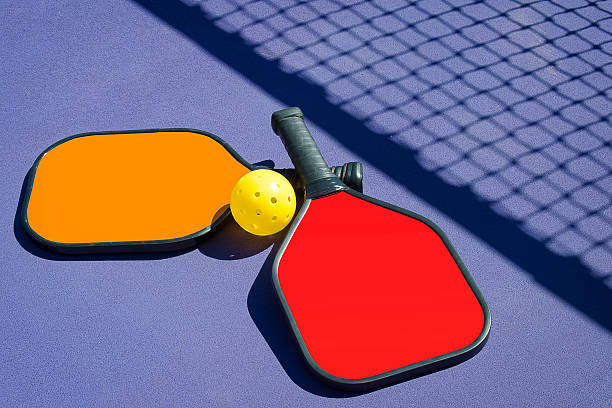
- Paddles and paddle storage
- Tournament paddles must meet material and size limits for sanctioned events.
- Have extra paddles for demos, repairs, or loaners.
- Tournament balls
- Use approved balls for tournament play. Indoor and outdoor balls differ in feel and flight.
- Keep plenty of extras. Balls wear quickly with heavy play.
- Regulation net and posts
- Net height and tension must match official specs.
- Bring extra net straps and post padding.
- Court lines and mats
- Lines must be visible and meet size rules.
- Portable court mats help if the surface is uneven.
- Scoring and timing gear
- Scoreboards, clipboards, and timing devices speed up matches.
- A digital bracket system helps with large draws.
- Safety and comfort items
- First aid kit, water coolers, shade tents, and benches for players.
- Tape and tools for quick repairs.
From my event experience, the most forgotten items are extra balls and net straps. Keep spares in a labeled box. That small habit prevents early match delays.

Standards and rules to follow
Tournament play needs consistent rules. Meeting standards keeps results valid and players satisfied.
- Net height and court size
- Net should be 36 inches at the sideline and 34 inches at center.
- Court size is 20 feet by 44 feet for doubles and singles.
- Ball specifications
- Approved balls have specific size, weight, and hardness ratings.
- Indoor and outdoor balls are tested for bounce and flight.
- Paddle rules
- Surface roughness and overall shape must meet guideline limits.
- Composite, wood, or polymer paddles are common, but check allowed materials.
- Line and surface rules
- Lines must be clear and 2 inches wide.
- Surface should be free of hazards and debris.
I always run a pre-event checklist with a referee. We check net height, ball type, and court lines. That small check saves disputes later.

How to choose the right tournament set
Choosing the right set depends on event level, budget, and venue. Follow this process.
- Define event scale
- Small club event needs fewer backup items.
- Large regional tournaments need multiple spare nets and many balls.
- Match equipment to venue surface
- Outdoor hard courts favor tougher balls and weather-resistant nets.
- Indoor gyms can use lightweight nets and indoor balls.
- Balance cost and quality
- Spend more on net systems and balls.
- Save on non-essential items but keep quality for core gear.
- Look for warranty and service
- Choose vendors that offer replacement parts.
- Modular systems save money over time.
When I first bought a set, I prioritized cheap paddles. That was a mistake. Investing in a solid net and approved balls improved the player experience more than cheap paddles did.
Setting up a tournament: step-by-step checklist
A smooth setup saves time on match day. Follow this checklist.
- Plan the court layout
- Mark courts evenly with clear aisle space.
- Set up nets and verify height.
- Prepare equipment stations
- Place spare balls, paddles, and tape near courts.
- Set a central check-in and information desk.
- Test scoring and bracket systems
- Run a trial on your digital bracket tool.
- Prepare printed brackets as backup.
- Safety and comfort setup
- Place first aid kits and hydration stations.
- Set shade tents or indoor rest areas.
- Staff and volunteer briefing
- Review rules with referees and volunteers.
- Assign roles for scoring, court maintenance, and check-in.
I once ran a 24-court event with a single volunteer shortage. Clear role lists and training cut confusion fast. Give volunteers a 1-page cheat sheet.

Tournament formats and scheduling tips
Pick the right format to match goals and player numbers. Common formats include:
- Single elimination
- Fast and simple. One loss and a team is out.
- Double elimination
- Gives players a second chance through the losers' bracket.
- Round robin
- Ensures each team plays multiple matches. Good for smaller events.
- Consolation brackets
- Keeps players engaged after an early loss.
Scheduling tips:
- Use set match times and strict warm-up limits to stay on schedule.
- Stagger start times across courts to reduce bottlenecks at check-in.
- Offer a clear play schedule and notify players of any delays.
In a past tournament, switching to 11-point games shortened match time without hurting competition. Think about format changes for time control.

Player and organizer tips for success
Good habits make events run well. Here are practical tips.
- For players
- Bring at least three approved tournament balls per match.
- Wear court-appropriate shoes and bring a towel.
- Communicate with partners about serve strategy before the match.
- For organizers
- Create a visible lost-and-found and a gear loan station.
- Keep a rulebook or referee cheat sheet at each court.
- Have a system for dispute resolution and appeals.
I always advise players to label their paddles. It saves time when gear gets mixed up in busy courts.
.jpg?width=1320&height=528&optimizer=image)
Budget and buying guide
Costs vary by quality and scale. Here’s a rough budget plan.
- Small local set
- Estimated cost: low to moderate.
- Includes one net, a dozen balls, and a few spare paddles.
- Mid-size event set
- Estimated cost: moderate.
- Multiple nets, 50+ balls, scoring gear, and tents.
- Large tournament set
- Estimated cost: higher.
- Backup nets, hundreds of balls, pro scoreboard systems, and staff radios.
Buying tips:
- Buy balls in bulk for savings.
- Invest in a sturdy, adjustable net system.
- Rent larger items like line striping machines if needed.
I tracked spending across three events. Bulk ball purchases reduced cost per match by about 30%. Small savings add up fast.
Maintenance and storage best practices
Caring for gear extends life and reduces cost.
- Clean balls and paddles after heavy use
- Wipe paddle faces and check handles for wear.
- Store nets and posts dry
- Moisture shortens fabric life.
- Label and inventory
- Keep a simple list of items and replacement parts.
- Plan replacements
- Replace balls and nets yearly if used often in tournaments.
I keep a labeled plastic bin with repair tools and spare net straps. It is small but crucial on event day.
Advanced organizer tips: crowd control and tech
Add small upgrades for a pro feel.
- Use wireless scoreboards and timers
- They speed management and look professional.
- Offer live brackets online
- Players and fans love real-time updates.
- Provide clear player pathways
- Reduce congestion near courts.
- Use QR codes for schedules and rules
- Saves printed pages and gives instant updates.
At one event I added QR-based brackets. Players appreciated immediate score checks. It reduced questions at the desk.
Frequently Asked Questions of pickleball tournament set
What does a basic pickleball tournament set include?
A basic set includes a regulation net, approved balls, spare paddles, court tape, and scorekeeping tools. It also helps to have a first aid kit and water station.
How many balls are needed for a tournament?
Bring at least 6 to 12 balls per court for a day event, and more for high-level play. Balls wear out quickly, so extras are wise.
Are there specific nets approved for tournaments?
Nets should meet official height and tension standards. Pick nets with adjustable posts and sturdy bases for consistent play.
Can I use indoor balls outdoors?
Indoor balls are softer and not ideal for wind or rough surfaces. Use outdoor tournament balls designed for durability and flight stability.
How often should tournament balls be replaced?
Replace balls frequently when they show scuffs or reduced bounce. For heavy use, plan to rotate balls after each set of matches or daily for large events.
Do I need a referee for each court?
Not always. For smaller events, one referee can manage multiple courts. Large or high-level tournaments benefit from dedicated referees per court.
Conclusion
A well-chosen pickleball tournament set saves time, boosts fairness, and improves player experience. Focus on approved balls, a solid net system, backups, and clear rules. Use checklists and train volunteers to avoid last-minute problems. Start small, learn from each event, and scale your set as your tournaments grow. Ready to host a better event? Gather your kit, run a dry setup, and invite players to your next tournament. Leave a comment or subscribe for more tips and checklists for running great tournaments.