A pickleball wall is a practice backboard used for solo drills to improve shots, consistency, and reaction time.
As a passionate pickleball player and coach, I've spent countless hours on the court, and I can confidently say that one of the most underrated tools for rapid improvement is the humble pickleball wall. It’s your ever-ready partner that never gets tired, never misses a shot, and is always available for a practice session. This guide will walk you through everything you need to know about using a pickleball wall to transform your game, from choosing the right type to mastering game-changing drills.

What Exactly is a Pickleball Wall?
A pickleball wall, often called a backboard or rebounder, is simply a flat, solid surface used to practice hitting a pickleball by yourself. Think of it as the pickleball equivalent of a tennis practice wall. When you hit the ball against it, it rebounds back, allowing you to hit continuous shots without needing a partner. It’s an incredibly effective training aid for players of all levels.
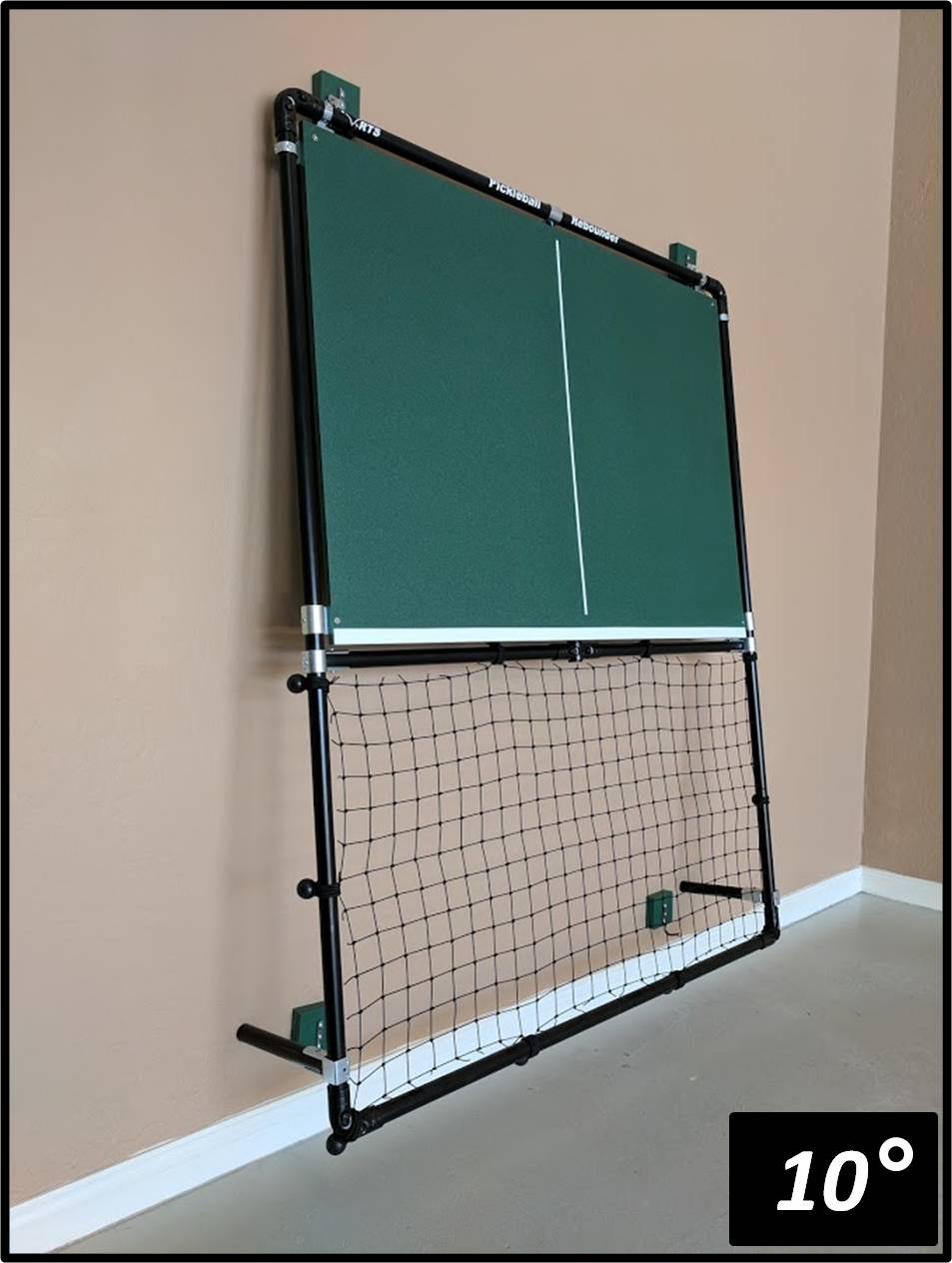
These walls come in a few different forms. You might find a dedicated concrete or wooden wall at a local park or tennis facility. Alternatively, many players use portable rebounders, which are essentially large, tilted nets or boards that can be set up anywhere. And for a simple at-home solution, even a sturdy garage door can serve as a makeshift pickleball wall for basic drills. The goal is the same: to provide a consistent surface for repetitive practice.
Why Every Pickleball Player Needs a Practice Wall
Integrating a pickleball wall into your training routine is one of the fastest ways to see tangible results in your game. The benefits go far beyond just getting some exercise; it’s about targeted, focused improvement. In my experience, players who dedicate even 20-30 minutes a week to wall drills see a noticeable difference in their control and confidence.
Here are the key advantages:
- Builds Unshakeable Consistency: The core of a solid pickleball game is consistency. Hitting against a wall allows for hundreds of repetitions in a short amount of time, engraving the proper form and muscle memory for dinks, volleys, and drives. It forces you to get your paddle ready and be balanced for the next shot.
- Master a Variety of Shots: A pickleball wall is your personal laboratory for shot development. You can work on the soft touch of your dinks, the quick reflexes of your volleys, and the power and placement of your groundstrokes, all in a single session.
- Ultimate Convenience: Can't find a partner? Courts are all booked? No problem. A pickleball wall is ready whenever you are. This accessibility means you can squeeze in a quality practice session before work, during your lunch break, or whenever you have a spare moment.
- Isolates and Fixes Weaknesses: We all have that one shot that breaks down under pressure. For me, it was my backhand volley. By spending hours on the wall just hitting backhand volleys, I was able to diagnose my own mistakes—I was dropping my paddle head—and correct my form without the pressure of a live game.

Choosing the Right Pickleball Wall for You
Not all practice walls are created equal. The best option for you depends on your budget, space, and how you plan to practice. Let’s break down the most common types so you can find your perfect training partner.
Permanent Court Walls
These are often concrete or specially treated wooden walls found at public parks or sports complexes. They are the gold standard for practice. The bounce is true and consistent, perfectly simulating a shot coming over the net. If you have access to one of these, consider yourself lucky. The only downside is that they aren't always available, and you can't take them with you.
Portable Pickleball Rebounders
For those who need flexibility, a portable rebounder is a fantastic investment. These usually consist of a net or a board attached to a frame that can be angled to control the ball's return. They are great for setting up in a driveway, backyard, or even a basement with enough space. While the bounce might be slightly less predictable than a solid wall, it’s still an excellent tool for developing reflexes and shot control.
DIY Pickleball Wall Solutions
You don't always need to buy special equipment. A solid, flat garage door can be a great substitute for a pickleball wall. Just be mindful of the noise and make sure you're not bothering any neighbors. Another option is to build your own backboard with a large sheet of plywood. You can mount it to a sturdy fence or build a simple frame to hold it up, giving you a dedicated practice spot right at home.

Top Drills to Do with a Pickleball Wall
Once you have access to a pickleball wall, it's time to get to work. Randomly hitting the ball is fine for a warm-up, but structured drills will accelerate your progress. Here are some of my favorite and most effective drills to get you started.
- Dinking Drills: Stand about seven feet from the wall, inside a makeshift kitchen line. Focus on hitting soft dinks, letting the ball bounce once before you hit it. Try to hit the same spot on the wall every time. Your goal is to develop a soft touch and control the height and depth of your shots. Aim for 50 consecutive dinks in a row.
- Volley Repetitions: Stand closer to the wall, about five to six feet away. Hit continuous volleys without letting the ball bounce. Start with forehand volleys, then switch to backhand. This drill is amazing for improving hand-eye coordination, paddle readiness, and quick reflexes at the net.
- Groundstroke Practice: Move back to where a baseline would be, about 20 feet from the wall. Practice your forehand and backhand groundstrokes. Focus on a full swing, good footwork, and hitting the ball with purpose. This is a great way to build muscle memory for your deeper shots.
- Alternating Shot Drills: This drill simulates a real rally. Start with a groundstroke, move in for a volley, then step back for another groundstroke. Mix in dinks and volleys to practice your transition game. This helps you get used to moving your feet and adjusting your shot selection on the fly.

Common Mistakes to Avoid When Using a Pickleball Wall
A pickleball wall is a powerful tool, but like any tool, it can be used improperly. I've seen many players develop bad habits by not being mindful during their solo practice. Avoiding these common mistakes will ensure your wall time translates directly to better performance on the court.
The most common error is focusing only on hitting the ball hard. A pickleball wall is perfect for developing control and finesse, so resist the urge to just slam every shot. Mix in soft dinks and placement shots to develop a more well-rounded game.
Another mistake is standing flat-footed. Always practice with active, game-ready footwork. Stay on the balls of your feet and use split steps as the ball comes off the wall, just as you would in a real match. Also, be sure you are practicing from realistic court positions, such as at the kitchen line or baseline, to make the drills more effective. Finally, don't forget that a wall can't replace a real opponent entirely. Use it to hone your skills, but make sure you are also playing games against other people to work on strategy and shot selection in a live environment.
Frequently Asked Questions about the Pickleball Wall
What is the best surface for a pickleball wall?
The best surface is a smooth, flat, and solid one, like finished concrete or a painted wooden board. These surfaces provide the most consistent and predictable bounce, closely mimicking a ball coming from an opponent's paddle.
How far should I stand from the pickleball wall?
Your distance should vary depending on the drill. For dinks and volleys, stand closer (5-7 feet), and for groundstrokes or drives, stand further back (15-20 feet) to simulate baseline distance.
Can a pickleball wall replace playing with a partner?
No, a pickleball wall is a supplement, not a replacement. It is excellent for building muscle memory and consistency, but playing with a partner is essential for developing strategy, shot selection, and court awareness.
Are portable pickleball rebounders worth it?
Yes, they are definitely worth it for players who lack access to a permanent wall. They offer the flexibility to practice anywhere and are highly effective for drills, though their bounce may be slightly less consistent than a solid wall.
Can I use a regular tennis wall for pickleball practice?
Absolutely! A tennis practice wall works perfectly for pickleball. Since a pickleball doesn't bounce as high or as fast as a tennis ball, the wall is an ideal tool for practicing all your shots.
Conclusion
The pickleball wall is more than just a place to hit balls; it's a dedicated space for growth, refinement, and building confidence. By incorporating consistent and focused solo practice into your routine, you can strengthen your weaknesses, perfect your shots, and develop the muscle memory needed to perform under pressure. It's one of the most efficient and accessible ways to elevate your game.
So, find a wall, grab your paddle, and start drilling. The next time you step onto the court for a real match, you’ll feel the difference. What are your go-to drills on the practice wall? Share your favorites in the comments below