A pickleballyard is a dedicated space or court designed specifically for playing the sport of pickleball. As a long-time pickleball enthusiast who has played on everything from makeshift driveway courts to professional facilities, I've learned what truly makes a great pickleballyard. This guide will walk you through everything you need to know, from understanding the court essentials to finding or even building your own perfect pickleballyard.

What Makes a Pickleball Court a True "Pickleballyard"?
When you first start playing, any flat surface with a net might seem good enough. But there is a huge difference between a temporary setup and a dedicated pickleballyard. A true pickleballyard is designed with the sport in mind, optimizing everything for the best possible playing experience. It’s about more than just lines on the ground; it’s about the quality of play.
The core components are precise. A standard pickleball court measures 20 feet wide by 44 feet long, the same size as a badminton court. The net is hung at 36 inches on the ends and 34 inches in the middle. The most critical area is the 7-foot non-volley zone on either side of the net, famously known as "the kitchen." Playing on a purpose-built pickleballyard ensures these dimensions are perfect, which directly impacts the fairness and flow of the game.
I remember my first game on a proper court after months on painted asphalt. The consistent bounce of the ball and the grip under my feet made a world of difference. My movements felt more confident, and the rallies were longer and more exciting. That was the moment I truly understood the value of a well-made pickleballyard. It elevates the sport from a fun pastime to a genuinely competitive and enjoyable activity.

The Anatomy of the Perfect Pickleball Yard
Creating the ultimate pickleballyard involves careful consideration of several key elements. Each component contributes to safety, playability, and overall enjoyment. Think of it as building the perfect workshop for your favorite hobby; every detail matters.
The Court Surface: More Than Just Paint
The surface is arguably the most important feature of any pickleballyard. While you can play on basic concrete or asphalt, a specialized acrylic surface is the gold standard. These surfaces are designed to provide the right balance of grip and give, reducing the risk of slips and falls. They also offer a cushioned layer that is much kinder on the joints during long matches.
A proper surface ensures a consistent and predictable ball bounce, which is essential for a fair game. The texture is designed specifically for plastic pickleballs, unlike a tennis court surface which is designed for felt balls. Investing in a quality surface turns a simple court into a premium pickleballyard.
Fencing and Lighting: Playing Anytime
Proper fencing is a practical necessity. A fence of at least 10 feet high keeps the ball contained, so you spend more time playing and less time chasing it. It also provides a clear boundary for the playing area, which is helpful in busy parks or multi-court facilities.
Good lighting is what transforms a daytime court into a 24/7 pickleballyard. LED lights are the best choice because they provide bright, even illumination without creating harsh shadows or glare. This allows you to play safely and comfortably in the evening, opening up more opportunities to get a game in.
Essential Amenities for a Great Experience
The little things are what elevate a good pickleballyard to a great one. Benches for players to rest between games, shaded areas to escape the sun, and a water fountain for hydration are crucial. Other thoughtful additions like paddle racks to organize paddles for open play and nearby restrooms make the entire experience more convenient and enjoyable. These amenities help build a sense of community, turning the court into a social hub.

How to Find a Pickleball Yard Near You
Finding a place to play is easier than ever, as the sport's popularity continues to soar. New courts are popping up everywhere, from public parks to dedicated indoor facilities. The key is knowing where to look to find the best local pickleballyard.
One of the best resources is the internet. Websites and apps like Places2Play are dedicated to helping players find courts. You can filter by location, court type, and even whether the courts are public or private. These tools are incredibly helpful for finding a game whether you're at home or traveling.
Don't forget to check with your local community resources. Parks and recreation departments often list public courts on their websites. Community centers, YMCAs, and even some schools are converting old tennis courts into pickleball courts. I've found some of my favorite hidden gem courts by joining local pickleball Facebook groups. Players are always happy to share tips on the best spots, times for open play, and local tournaments.

Building Your Own Backyard Pickleball Yard
For the truly dedicated player, the ultimate dream is a private pickleballyard right in your own backyard. It’s a significant project, but the reward of being able to play whenever you want is unbeatable. Here’s a simplified breakdown of the process.
Step 1: Checking Space and Zoning
First, you need to ensure you have enough space. The court itself is 20×44 feet, but you’ll want extra room around the perimeter. A total area of at least 30×60 feet is recommended for player safety and movement. Before you do anything, check with your local zoning office and homeowner’s association to understand any regulations or restrictions.
Step 2: Preparing the Surface
This is the most critical step. The area must be perfectly level before pouring a base of concrete or asphalt. A post-tensioned concrete slab is the ideal foundation for a long-lasting and crack-resistant pickleballyard. It’s best to hire a professional for this stage to ensure the base is sound.
Step 3: Surfacing and Painting the Lines
Once the base has cured, it's time to apply the acrylic surface. This multi-layer process typically includes a resurfacer, cushion coats, and a final color coat with a non-slip texture. After the surface is ready, you can paint the lines. You’ll need to be precise with your measurements for the sidelines, baselines, and the non-volley zone of your new pickleballyard.
Step 4: Installing the Net and Final Touches
The final step is installing the net posts and net. You can choose between permanent posts set in concrete or a high-quality portable net system. After that, you can add the finishing touches to your personal pickleballyard, such as fencing, lighting, and a seating area to relax after a great match.

Pickleball Yard Etiquette: Playing Fair and Fun
A great pickleballyard is defined by its community just as much as its physical features. Good court etiquette ensures everyone has a positive experience. It’s about more than just the rules of the game; it’s about respect for your fellow players.
Always announce the score clearly before each serve to avoid confusion. When it comes to line calls, be fair and give your opponents the benefit of the doubt. If you’re not sure if a ball was in or out, the call should favor them. In open play settings, use a paddle rack or paddle line-up system to ensure everyone gets a turn to play in an organized manner.
Most importantly, be a good sport. Compliment good shots from both your partner and your opponents. A friendly tap of the paddles at the end of the game is a great way to show sportsmanship. A welcoming and respectful pickleballyard is one where players of all skill levels feel comfortable and want to come back.
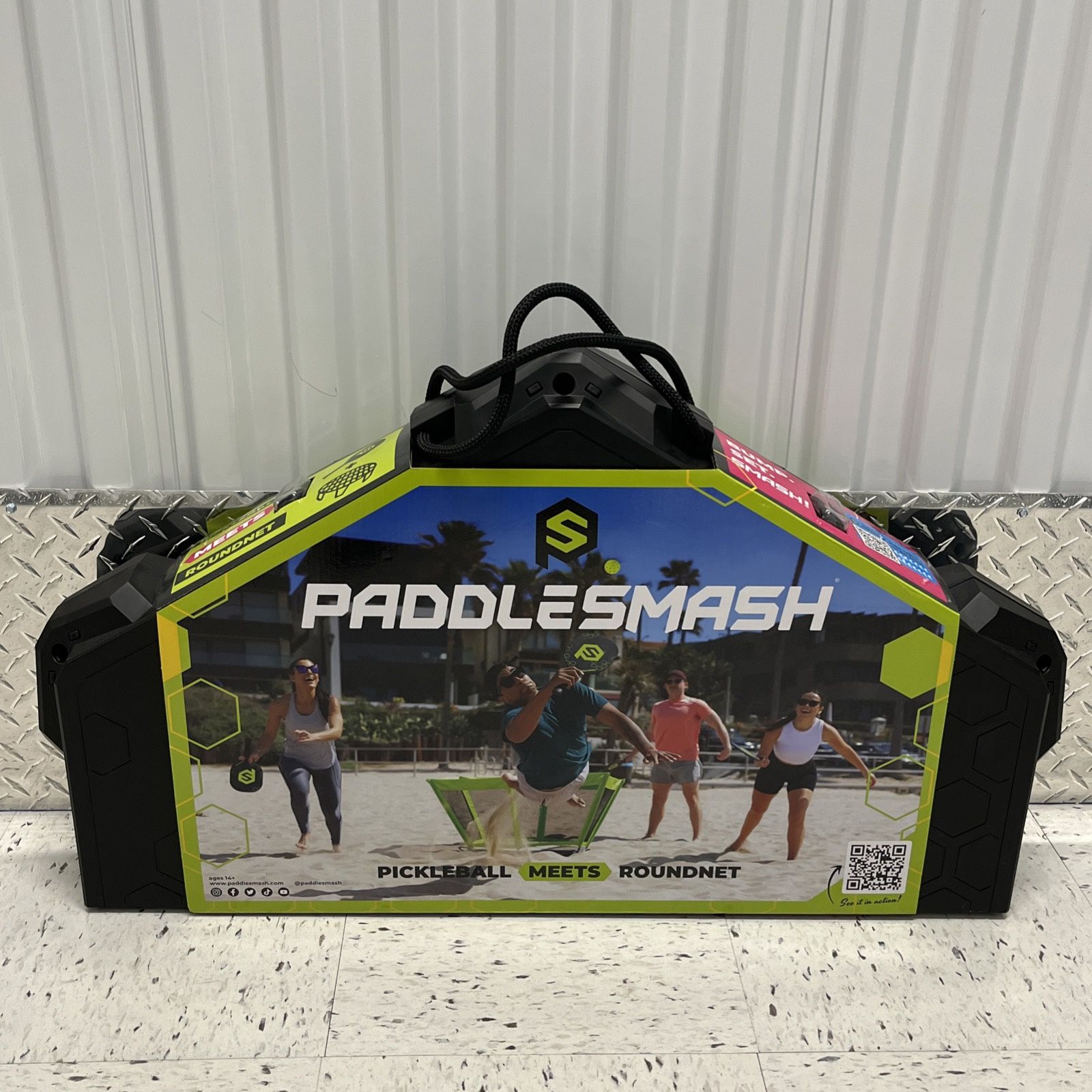
Frequently Asked Questions of pickleballyard
What are the official dimensions of a pickleballyard?
A standard pickleballyard is 20 feet wide and 44 feet long. The playing area should have a total recommended size of at least 30 by 60 feet to allow for safe player movement around the court.
How much does it cost to build a pickleballyard?
The cost can vary widely, from a few thousand dollars for a basic DIY court to over $40,000 for a professionally installed court with a post-tensioned concrete base, acrylic surfacing, fencing, and lighting.
What is the best surface for a pickleball court?
The best surface is a multi-layer cushioned acrylic system applied over a concrete or asphalt base. This type of surface provides excellent traction, consistent ball bounce, and is easier on players' joints.
Can I play pickleball on a tennis court?
Yes, you can. Many players use temporary lines and a lower net to play pickleball on a tennis court. However, a dedicated pickleballyard provides a better experience due to the correct surface texture and permanent lines.
What is the "kitchen" in a pickleballyard?
The "kitchen" is the common term for the non-volley zone, which is the 7-foot area on each side of the net. Players are not allowed to hit the ball out of the air (volley) while standing in this zone.
Conclusion
The ideal pickleballyard is more than just a place to play; it's the heart of the pickleball experience. It’s a space crafted for safety, performance, and community. Understanding what makes a great court, from the right surface to the friendly atmosphere, can completely change your appreciation for the game.
Whether you're finding a local park, joining a private club, or embarking on the journey of building your own, the perfect pickleballyard is out there. It’s the place where friendships are made and thrilling matches are played. Now that you know what to look for, go find your favorite court and enjoy the game.
We’d love to hear about your experiences! Share your favorite pickleballyard or any tips you have in the comments below.