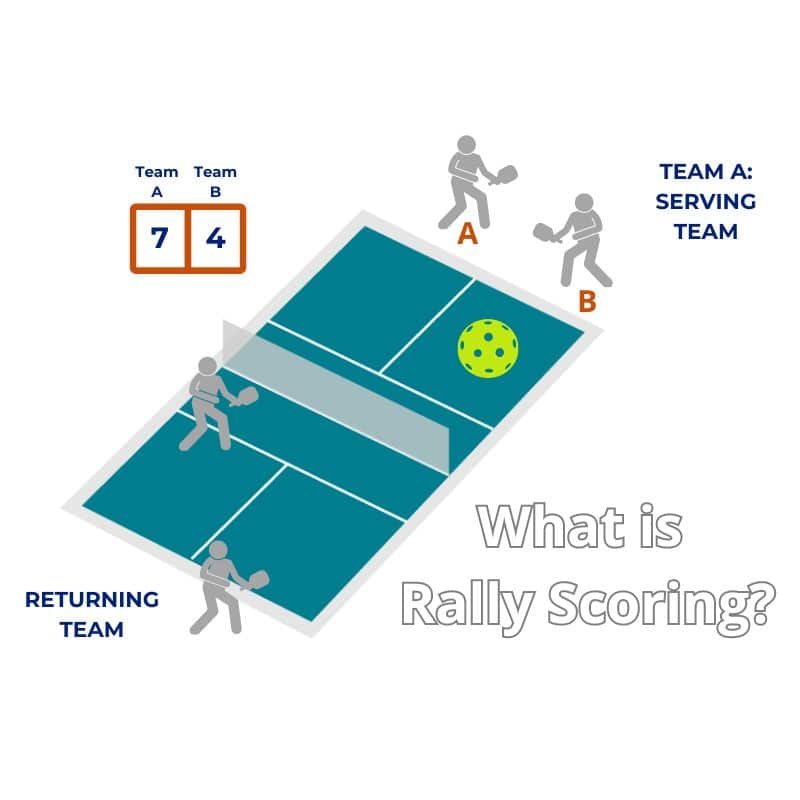
Rally scoring in pickleball means a point is awarded after every rally, regardless of who served the ball.
As a long-time pickleball player and coach, I've seen the game evolve in fascinating ways. Few changes have sparked as much debate and excitement as the introduction of rally scoring. Whether you are a seasoned pro or just stepping onto the court for the first time, understanding rally scoring in pickleball is becoming essential. This guide will walk you through everything you need to know, from the basic rules to the strategic shifts it demands, helping you master this fast-paced version of the game.
What Exactly is Rally Scoring in Pickleball?
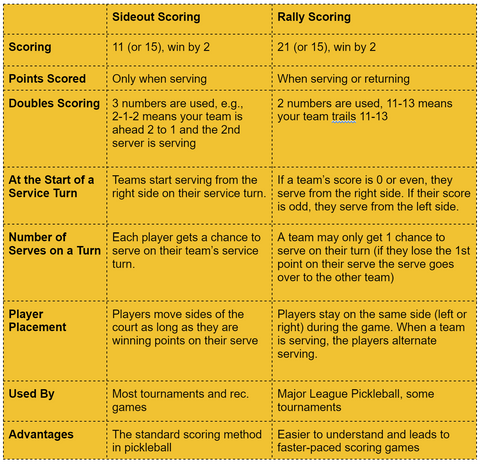
At its core, rally scoring is a simple concept. A point is scored on every single rally. If you win the rally, you get a point. It does not matter if your team served the ball or if you were the receiving team. This is a significant departure from traditional pickleball scoring.
In the classic side-out scoring system, only the serving team has the opportunity to score a point. If the serving team loses the rally, they do not lose a point; they simply lose the serve. This is called a "side-out." The game continues until one team reaches 11 points and is ahead by at least two.
Think of it like this: traditional scoring is like a conversation where only one person can make a point at a time. Rally scoring in pickleball is more like a debate where either side can score a point at any moment. This fundamental change dramatically alters the rhythm and feel of the game, making every single shot feel more impactful.

The Great Debate: Pros and Cons of Rally Scoring
The shift to rally scoring in pickleball has its passionate supporters and its firm traditionalists. Both sides have valid points, and understanding them can help you decide which format you prefer for your games. I have played countless matches using both systems, and the difference in energy is noticeable.
Advantages of Rally Scoring
- Predictable Game Length: This is a huge benefit for tournaments and television broadcasts. Games have a more consistent duration, making scheduling much easier. For recreational players, it means you can better estimate how many games you can fit into a specific time slot.
- Constant Engagement: Since a point is on the line in every rally, players remain highly focused. There are no "low-stakes" rallies where you can mentally check out. This continuous pressure can make the game more exciting for both players and spectators.
- Simpler for Newcomers: Explaining side-out scoring to a complete beginner can be confusing. The concept of "you can only score when you serve" sometimes takes a while to sink in. Rally scoring is intuitive and easy to grasp right away, making the sport more accessible.
Disadvantages and Criticisms
- Less Forgiving: A single unforced error on a return or a third shot drop immediately gives your opponent a point. In traditional scoring, that same mistake would just result in a side-out. This can feel punishing, especially for developing players.
- Alters Game Strategy: Traditional pickleball heavily emphasizes the serve and the third shot. Rally scoring in pickleball can sometimes reduce the strategic element of setting up points, rewarding aggressive play over patient, methodical dinking battles.
- Breaks from Tradition: Many players fell in love with pickleball because of its unique rules, including side-out scoring. For them, rally scoring feels like a departure from the classic identity of the sport.
How Rally Scoring Changes Your Pickleball Strategy
Switching to rally scoring in pickleball requires more than just a change in how you keep score; it demands a significant shift in your on-court strategy. The first time I played a competitive rally scoring match, I learned the hard way that my aggressive, high-risk returns were no longer a smart play. Every unforced error I made was a point gifted to my opponents.
Your primary focus must shift to consistency. Minimizing your own mistakes becomes the most important goal. This means making safer, higher-percentage shots instead of always going for the spectacular winner. The return of serve, for instance, is no longer a chance to hit a blistering passing shot. Instead, its main job is to get the ball back in play and neutralize the server's advantage.
Your serve strategy changes as well. While a powerful serve is still an asset, a fault is an instant point for the other team. This encourages players to prioritize getting the serve in over hitting an ace. The game becomes a battle of attrition, where the team that makes fewer errors often comes out on top. Managing momentum is also key, as point swings can happen much more quickly with rally scoring in pickleball.

Rally Scoring in Professional Pickleball: A Game Changer?
The professional pickleball tours have been at the forefront of experimenting with rally scoring. Major League Pickleball (MLP) adopted a rally scoring format to 21, which has created some of the most electrifying and fast-paced matches in the sport. The PPA Tour has also tested rally scoring in some of its events.
The main driver behind this change in the pro ranks is making the sport more broadcast-friendly. Predictable match times are crucial for television networks trying to fit pickleball into a programming schedule. The constant action of rally scoring in pickleball also keeps viewers engaged, as there is no downtime between points.
The reaction from pro players has been mixed. Some love the intensity and feel it better showcases athleticism, while others miss the strategic nuances of traditional side-out scoring. Regardless of personal preference, the adoption of rally scoring at the professional level shows that it is a serious and potentially permanent fixture in the future of the sport. This innovative approach to scoring is a key part of pickleball's growth.
Frequently Asked Questions of rally scoring in pickleball
Is rally scoring the official rule for pickleball?
No, the official rules of pickleball as defined by USA Pickleball still use traditional side-out scoring. Rally scoring is considered an alternative format often used in tournaments and leagues for specific reasons, like time management.
How long does a rally scoring game usually take?
A rally scoring game to 11 or 15 points is typically faster and more predictable than a traditional game. Most games will last between 10 to 15 minutes, whereas traditional games can sometimes stretch to 25 minutes or more.
What is the "freeze" rule in rally scoring?
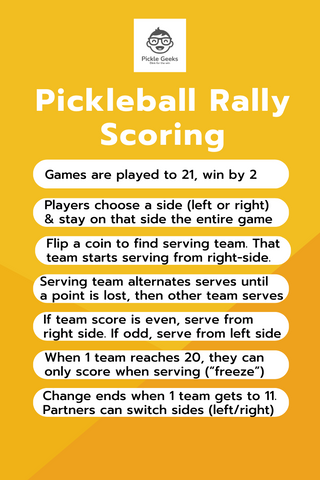
The freeze rule is often used when a team reaches game point. When a team is "frozen," they can only score points when they are serving. This rule adds a dramatic twist and brings back a small element of side-out scoring at the most critical moment of the match.
Can you still score a "pickle" (11-0) with rally scoring?
Yes, it is still possible to win a game 11-0, but it is much more difficult. Since the opponent can score points even when they are not serving, achieving a shutout requires an almost perfect performance with zero unforced errors.
Why do some people dislike rally scoring in pickleball?
Many traditional players feel that rally scoring in pickleball diminishes the strategic importance of the serve and the third shot. They argue it can lead to less patient play and reduces the unique comeback opportunities that are possible with side-out scoring.
Conclusion
The debate between traditional and rally scoring in pickleball is a healthy sign of a growing sport. While side-out scoring remains the official standard, the speed and excitement of rally scoring have undeniably carved out a significant place in the game, from recreational courts to professional arenas. It forces players to be more consistent, mentally tougher, and adaptable in their strategy.
The best way to form your own opinion is to get out there and try it for yourself. Grab your paddle, find three friends, and play a few games using rally scoring. You may find that the fast-paced, high-stakes nature of this format brings a new level of fun and intensity to your game.
Have you tried rally scoring in pickleball? Share your experience and which scoring system you prefer in the comments below