Stacking in pickleball lets partners position for court advantage, maximizing strengths and covering weaknesses.
I’ve played and coached pickleball for years, and stacking in pickleball is one of the clearest ways to gain a tactical edge. This guide explains what stacking in pickleball is, when it helps, how to do it legally, and practical drills to make it automatic. I’ll share real mistakes I made, clear step-by-step setup tips, and simple strategies you can use the next time you step on the court. Read on to turn stacking in pickleball from a confusing idea into a reliable part of your game.
What is stacking in pickleball?
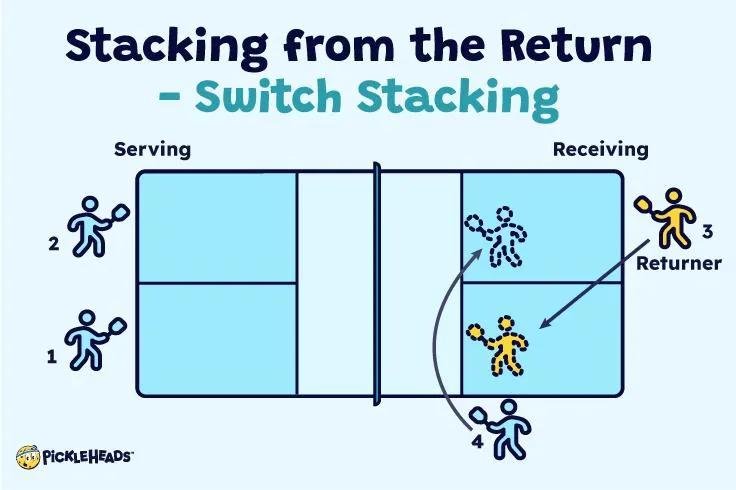
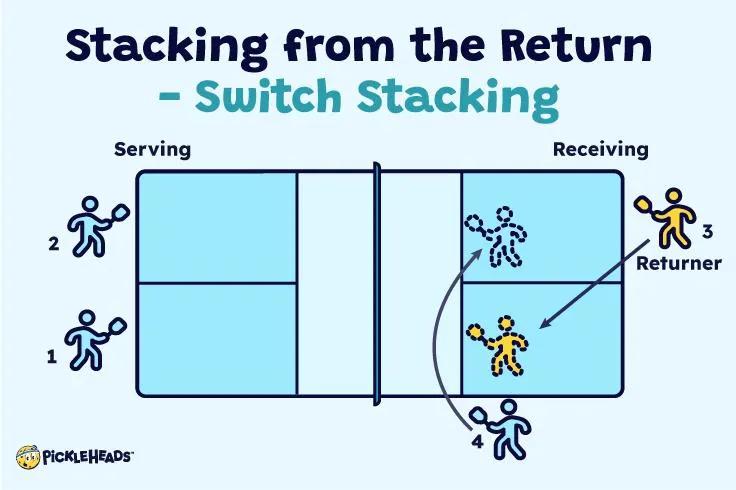
Stacking in pickleball is a doubles tactic. Partners start on the same side of the court to end up in a preferred formation after the serve.
Players use stacking in pickleball to keep a stronger player at the non-volley zone or to hide a dominant hand. It is legal when done within official rules and is widely used in recreational and competitive play. Stacking in pickleball can improve court coverage and increase chances to attack at the net.

Why players use stacking in pickleball
Stacking in pickleball gives tactical benefits that change point dynamics. Here are the main reasons players stack.
- Keeps your stronger player at the kitchen line where quick reflexes matter.
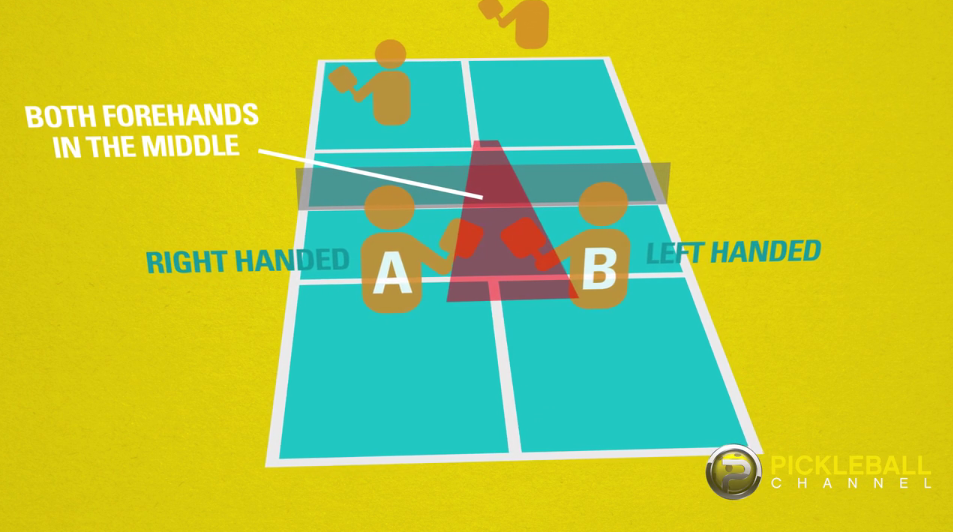
- Lets you present a preferred handedness on the forehand side more often.
- Masks player weaknesses by changing who takes middle balls.
- Creates favorable matchups against specific opponents.
From experience, the best time to use stacking in pickleball is when one partner has a clear edge at the net. I remember switching to stacking mid-match to keep our right-handed partner at the middle. We won several quick points because opponents struggled to target our weaker side.

Rules and etiquette for stacking in pickleball
Stacking in pickleball must follow the same positional and serving rules as any play. It is allowed, but you must respect serve order and player rotation.
- Serve rotation: Maintain correct server and receiver sequence when using stacking in pickleball.
- Call clarity: Communicate loudly to avoid confusion at the serve and return.
- Sportsmanship: Opponents may ask for clarification; answer clearly and fairly.
I once forgot to announce a stack and we lost a serve because we were out of order. That taught me to make stacking in pickleball obvious and consistent.

When to stack: deciding factors
Choosing to use stacking in pickleball depends on match context. Consider these factors before you stack.
- Opponent strengths: Stack if they have weak middle or weaker volleys.
- Partner skills: Stack when one partner excels at net play or poaching.
- Serving side: Stack after serves to ensure your strong player reaches the kitchen quickly.
- Match stage: Stack more in tight games to squeeze small edges.
Stacking in pickleball is not a magic fix. Use it when it complements your team plan, not as a default every point.

Step-by-step: how to set up a stack
Follow these steps to execute stacking in pickleball cleanly and consistently.
- Agree before the match on a stack plan and signals.
- Position both players on the same side of the court at the serve.
- Move quickly after the serve to your preferred formation.
- Keep the serve and return order correct to avoid faults.
- Communicate mid-point about who covers the middle.
Practice these steps until stacking in pickleball becomes automatic. I practiced with a partner using short drills and it became second nature in match play.
Common stacking patterns and when to use them
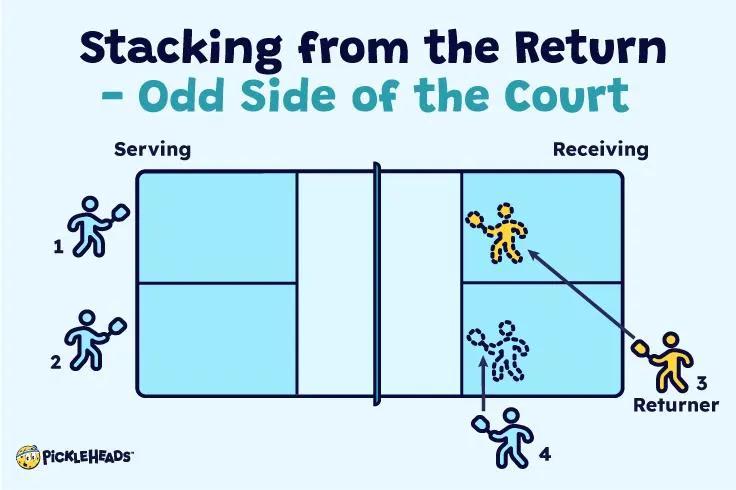
There are a few common ways to stack. Each pattern fits different team strengths.
- Right-side stack: Keeps a right-handed player at the forehand court for more forehand attacks.
- Left-side stack: Mirrors the right-side stack for left-handed players or unique matchups.
- Mid-stack: Both players start center-left or center-right to blind opponents on return placement.
- Reverse stack: Used rarely, but effective when you need to switch during rallies.
Knowing several stacking patterns helps you adapt during a match. I once switched to a mid-stack at 9-9, and it broke the opponent’s rhythm.

Drills to practice stacking in pickleball
Regular drills make stacking in pickleball smooth and legal. These simple drills create muscle memory.
- Serve-and-move drill: Practice serving from a stack and moving to the kitchen in one fluid motion.
- Middle coverage drill: Have a coach or partner hit middle balls to test who takes them after a stack.
- Transition drill: Start stacked, then simulate returns and step to preferred positions under pressure.
- Communication drill: Play points where only vocal signals count to force clear calls.
Start with low intensity. Gradually add pace so stacking in pickleball works at match speed.
Mistakes to avoid when stacking in pickleball
I learned several hard lessons about stacking in pickleball. Avoid these common errors.
- Failing to maintain correct server order, which leads to faults.
- Poor movement after serve, leaving the kitchen unguarded.
- Not communicating—causes confusion and missed middle shots.
- Overusing stack—opponents adapt if you never mix strategies.
A key tip: practice the timing of the move. Quick, crisp movement wins points more than clever positioning.

Tactical tips and in-match adjustments
Use these simple tips to get the most from stacking in pickleball.
- Mix it up to keep opponents guessing about your serve and formation.
- Signal discreetly but clearly to your partner before the serve.
- Watch opponents’ returns; adjust who takes the middle on the fly.
- Use stacking in pickleball to set up your partner for poaches and angle volleys.
When opponents counter a stack, switch to straight formation and target the weak player. Flexibility beats rigidity in match play.
Personal experience: lessons from matches and coaching
I’ve coached players of all levels on stacking in pickleball. Here are honest lessons I learned.
- Start simple with one stack pattern and master it before adding complexity.
- Stacking works best when both partners trust each other and the plan.
- The mental edge from a well-executed stack often wins tight points.
- Don’t rely on stacking alone; develop baseline and net skills too.
Once, my partner and I used stacking in pickleball to salvage a tournament. It wasn't fancy, but it was clear, practiced, and effective.
Equipment and positioning basics
Equipment doesn’t change stacking in pickleball, but good court awareness does. Here’s what helps.
- Shoes: Stable, low-profile shoes improve quick side steps needed in stacking.
- Paddles: Use a paddle you trust for quick net exchanges after a stack.
- Court lines: Always be mindful of the baseline and kitchen line when moving from a stack.
Practice your steps so stacking in pickleball becomes fluid and safe for both partners.
Measuring success: how to know stacking helps your team
Track simple stats to see if stacking in pickleball works for your duo.
- Win rate on points started from stacks versus regular starts.
- Number of forced errors from opponents after a stack.
- Frequency of communication errors or out-of-order faults.
Keep a short log after matches. Data shows when stacking in pickleball adds value or needs tweaks.
Frequently Asked Questions of stacking in pickleball
What exactly does stacking mean in pickleball?
Stacking in pickleball means both partners start on the same side to end in a favored formation. It is used to position a stronger player where they can be most effective.
Is stacking legal in official pickleball play?
Yes, stacking in pickleball is legal as long as service sequence and player order follow official rules. Make sure you keep server and receiver order correct during play.
How do you avoid faults when using stacking in pickleball?
Avoid faults by clearly maintaining serve order and moving quickly to your correct spots after the serve. Communicate with your partner to prevent mistakes.
When should beginners try stacking in pickleball?
Beginners should try stacking in pickleball after mastering basic serve, return, and kitchen movement. Start with slow drills and add stacking once it feels natural.
Will stacking in pickleball make opponents adjust quickly?
Good opponents will adjust, but stacking in pickleball still creates short-term advantages and forces opponents to change tactics. Mixing plays keeps stacking effective.
Can stacking backfire during play?
Yes, stacking in pickleball can backfire if communication fails or movement is slow. Overuse also lets opponents predict your formation and target weaknesses.
Conclusion
Stacking in pickleball is a simple idea with big potential when done right. It gives you tactical wins, lets your best player shine at the net, and improves court coverage with a little practice. Start with one stack pattern, practice the moves and communication, and track how it changes your match outcomes. Try stacking in pickleball in your next practice, share your experience, and tweak the plan until it fits your team. If you found these tips useful, leave a comment, subscribe for more guides, or try a stacking drill today.