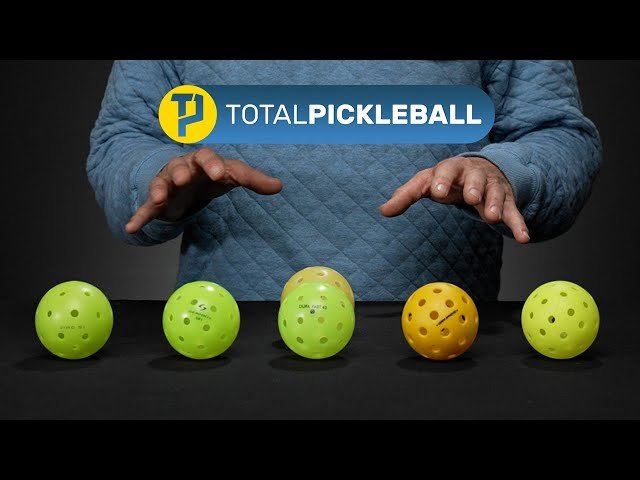
Indoor, outdoor, tournament-approved, recreational, practice, and soft beginner pickleball balls are the main types.
As a player, coach, and gear tester, I’ve spent years trying dozens of models to learn how types of pickleball balls change play. This guide breaks down the common types of pickleball balls, how they perform, when to use each, and what to look for when you buy. Read on for clear, practical advice you can use the next time you shop or step on court.
Common types of pickleball balls
Pickleball play uses several distinct types of balls. Knowing the options helps you pick the right ball for your skill and setting. Below are the core types of pickleball balls you’ll see most often.
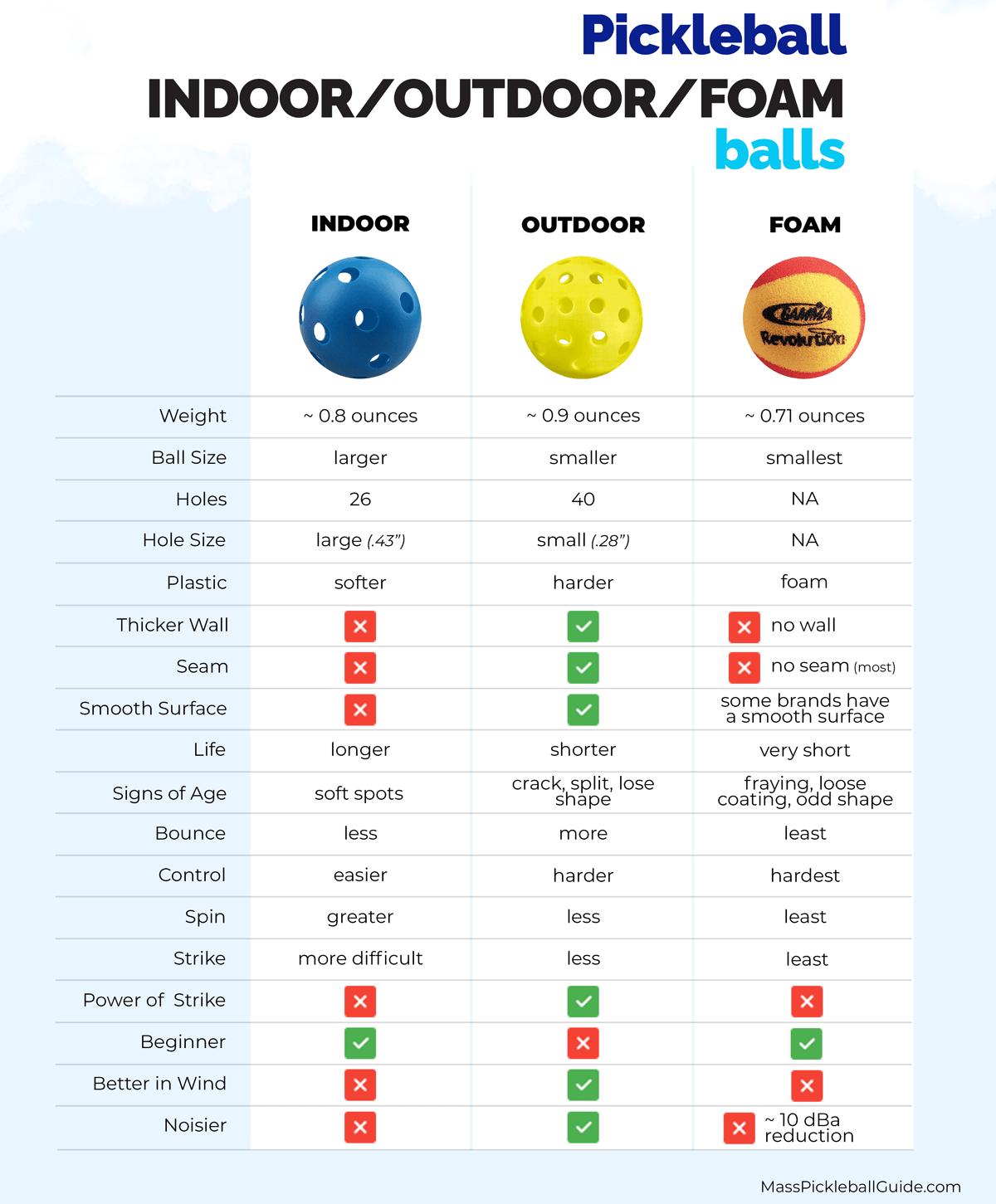
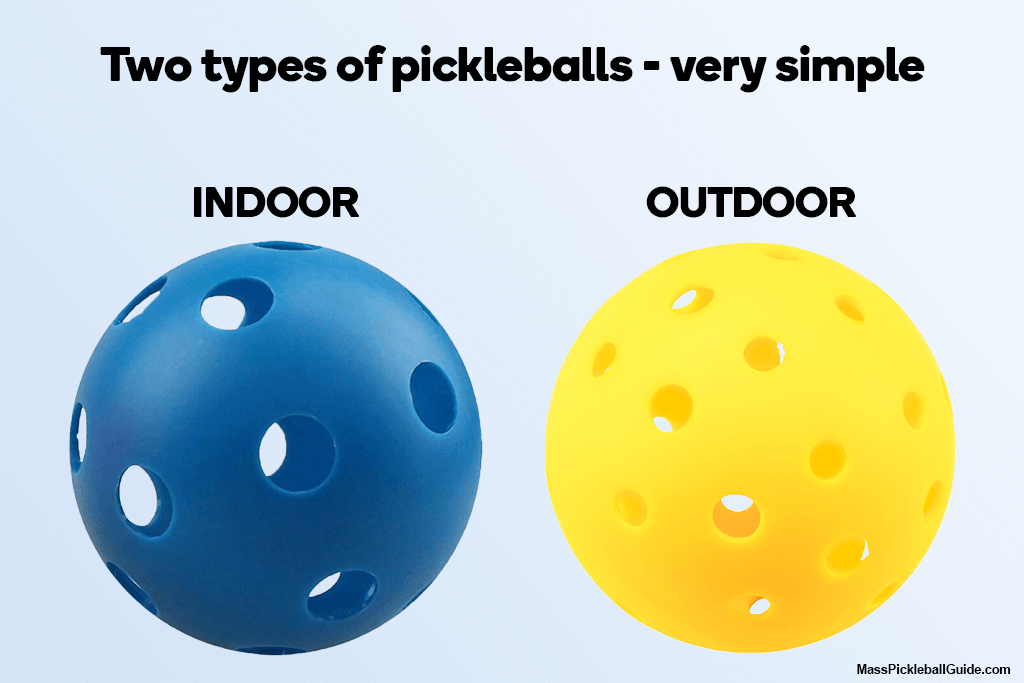
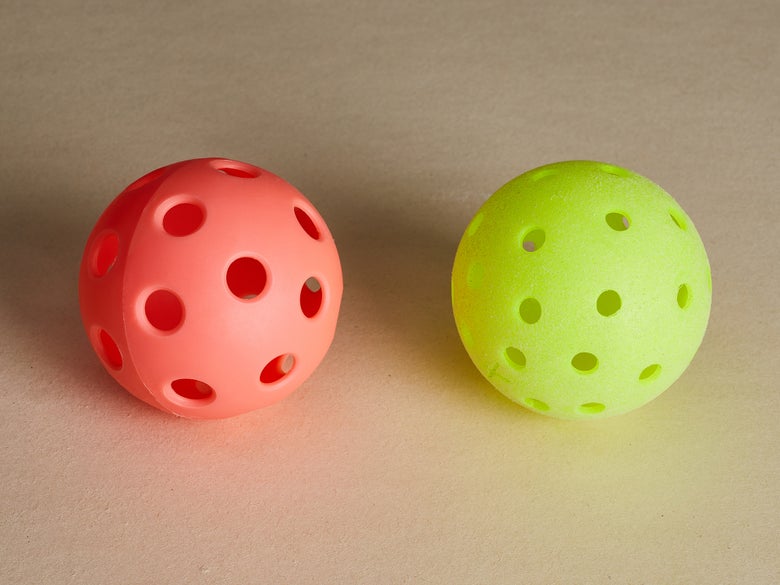
- Indoor pickleball balls — Made for gym and indoor surfaces. They have larger holes and a softer feel for better control and lower bounce.
- Outdoor pickleball balls — Harder and heavier. They have more, smaller holes to resist wind and provide a firmer, more consistent bounce on rough courts.
- Tournament-approved pickleball balls — Meet official size, weight, and bounce specs. Used in sanctioned play and often labeled “approved” by governing bodies.
- Recreational pickleball balls — Budget-friendly options for casual play and beginners. They may be less durable or slightly inconsistent in bounce.
- Practice and training pickleball balls — Designed for drills. These include cheaper polymer balls and specialized options like weighted or low-bounce practice balls.
- Soft or beginner pickleball balls — Softer, lower-impact balls for new players, kids, or those with joint concerns. They slow play and reduce sting.
Types of pickleball balls vary by feel, durability, and purpose. Choosing the right one makes games more fun and fair.

Indoor versus outdoor: key differences
Understanding the indoor vs outdoor split is essential when you compare types of pickleball balls. The design focus differs based on the playing conditions.
- Hole count and size — Indoor balls usually have fewer, larger holes. Outdoor balls commonly have around 40 smaller holes for wind stability.
- Material hardness — Indoor balls are softer. Outdoor balls are harder to resist wear and keep flight steady in wind.
- Bounce and control — Indoor balls tend to bounce less and allow more control and spin. Outdoor balls bounce higher and feel firmer.
- Durability — Outdoor balls are designed to survive abrasive outdoor courts. Indoor balls will wear quickly on rough surfaces.
From my experience, switching from an indoor ball to an outdoor ball will feel like moving up in speed and bounce. If you play on an indoor court, stick to indoor-specific types of pickleball balls for the best touch.

Materials, construction, and what that means for play
Types of pickleball balls look simple, but small changes in material and construction alter play in big ways.
- Polymer composition — Most balls are molded from polypropylene or similar plastics. The plastic grade affects stiffness and bounce.
- Wall thickness — Thicker walls yield firmer bounces and more durability. Thinner walls give softer feel and less bounce.
- Seam and molding quality — High-end balls have precise molding with even walls. Low-cost balls can be uneven and bounce oddly.
- Hole pattern and aerodynamics — The number and layout of holes affect air drag and spin. More holes help stability in wind.
When I tested different models, the best-performing outdoor types of pickleball balls had consistent wall thickness and tight, even holes. Those small manufacturing details changed my serve accuracy and volley timing.

Tournament-approved vs recreational vs practice balls
Not all types of pickleball balls are built to the same standard. Here’s how to pick a level that fits your needs.
- Tournament-approved balls — Meet strict size, weight, and rebound requirements. Use these for leagues and tournaments.
- Recreational balls — Good for backyard or casual park play. They prioritize cost and are fine for learning.
- Practice balls — Often cheaper and sold in bulk. Useful for repetitive drills where you may lose or wear out many balls.
If you are joining a league or competing, pick tournament-approved types of pickleball balls to avoid surprises. For daily drills or beginners, recreational or practice balls save money.
How to choose the right ball for your game
Choosing among types of pickleball balls depends on several simple factors. Ask these questions before you buy.
- Where do you play? — Indoor courts need indoor balls. Outdoor courts need outdoor balls to handle wind and rough surfaces.
- What is your skill level? — Beginners benefit from softer, lower-bounce balls. Advanced players often prefer firmer, faster balls.
- Do you compete? — Use tournament-approved types of pickleball balls if you plan to enter sanctioned events.
- How important is durability? — If you play often on abrasive courts, choose balls rated for outdoor durability.
- Budget and volume — If you need many balls for practice, buy bulk practice types of pickleball balls to save money.
From my lessons, beginner groups improve faster with softer balls. When I switched an intermediate player to tournament-approved outdoor balls, their reaction time and shot placement had to sharpen instantly.
Care, lifespan, and sustainability
How you use and store balls affects how long they last. Types of pickleball balls age differently, but smart care helps all types last longer.
- Store in shade and away from heat — Heat warps many plastics.
- Rotate and rest balls — Using the same ball nonstop wears it faster.
- Inspect for cracks and warping — Replace balls that show signs of damage.
- Consider recycled or longer-lasting models — Some brands now focus on sustainable plastics.
In practice, outdoor balls used daily may need replacing every few weeks. Indoor balls often last longer when used only indoors. Being mindful of storage and mix-and-match play saves money and keeps play consistent.
My top tips and common mistakes
A few practical tips from years of play and testing.
- Don’t mix indoor and outdoor balls in one match — This creates uneven bounces and hurts gameplay.
- Buy a mix for practice — Keep cheaper practice types of pickleball balls for drills and save better balls for games.
- Check approval labels if you compete — Tournament rules can be strict about the types of pickleball balls allowed.
- Watch for wind — On breezy days, use balls with more holes and a firmer feel.
- Try before you buy — If possible, test a ball to see how it feels on your court.
One mistake I made early on was using indoor balls outside. They shredded quickly and skewed my practice feel. After that, I always matched the ball to the court.

Frequently Asked Questions of types of pickleball balls
What is the difference between indoor and outdoor pickleball balls?
Indoor balls are softer, with larger holes and lower bounce for gym play. Outdoor balls are harder, have more or smaller holes, and resist wind and rough surfaces better.
Are tournament-approved balls the best choice for beginners?
Not always. Tournament-approved balls meet strict specs and can be faster and firmer. Beginners often find recreational or soft balls easier to learn with.
How long do pickleball balls last?
Lifespan varies by type and use. Outdoor balls played daily on rough courts can wear out in weeks; indoor balls used in a gym may last months if cared for.
Can I use the same ball for drills and matches?
You can, but it’s smart to reserve better-quality or tournament-approved balls for matches and use cheaper practice types of pickleball balls for drills to save money.
Do hole patterns affect play?
Yes. Hole count and placement change aerodynamics and stability. More holes often mean steadier flight in wind; larger holes give a softer feel indoors.
Conclusion
Types of pickleball balls shape how the game feels, from casual rallies to tournament play. Match the ball to your court, skill level, and goals to get the most from every session. Try a few types, note how each affects bounce and control, and pick the one that helps you play your best. If you found this guide helpful, try testing one new type of pickleball balls this week and share your experience or questions below — and consider subscribing for more gear tips and practical advice.