
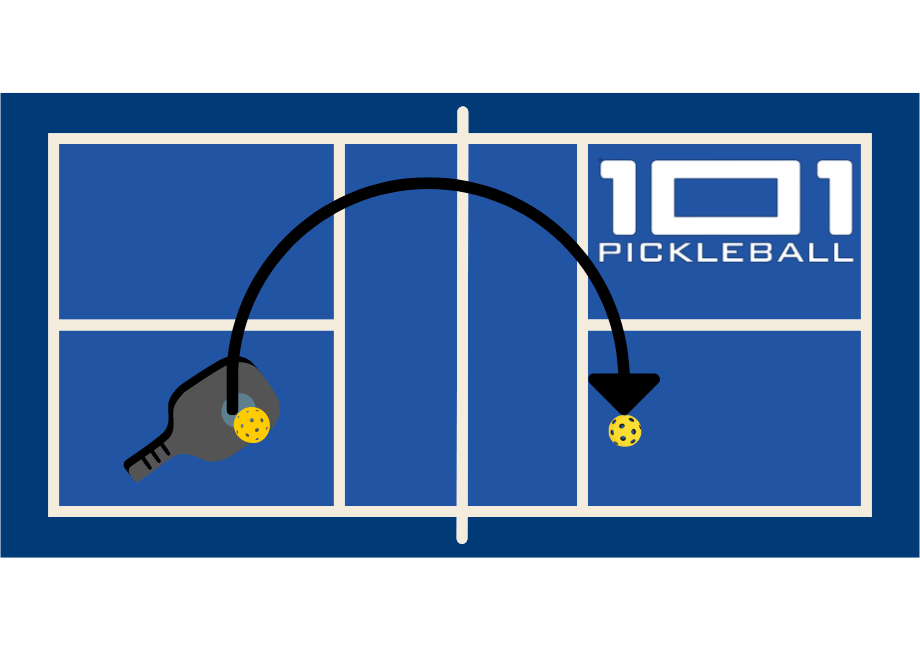
A volley in pickleball is a shot hit before the ball bounces at the net.
I’ve played and coached pickleball for years, and I’ll walk you through everything you need to know about the volley in pickleball. This guide covers technique, positioning, common errors, drills, gear, and match strategy. Read on for clear, practical tips you can use on court today.

What is the volley in pickleball and why it matters
A volley in pickleball is any shot struck before the ball hits the ground. It is most often played at or near the non-volley zone line. The volley in pickleball helps you control the pace of the point and put pressure on opponents. Mastering volley skills often separates casual players from consistent winners.
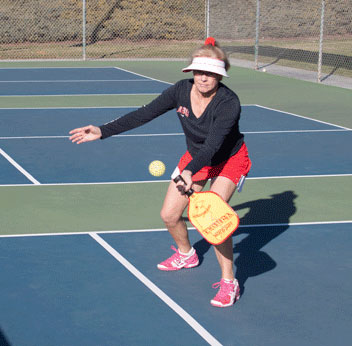
Basic volley technique: grip, stance, and motion
Start with a neutral continental grip. This grip makes it easy to block, punch, and redirect shots.
Stand with knees bent and weight on the balls of your feet. Keep feet shoulder-width apart and stay light on movement.
Use short compact swings. The volley in pickleball rarely needs big windups. Minute wrist adjustments and soft arms control pace and direction.
Keep the paddle up and in front of your chest. This ready position shortens reaction time and reduces errors.
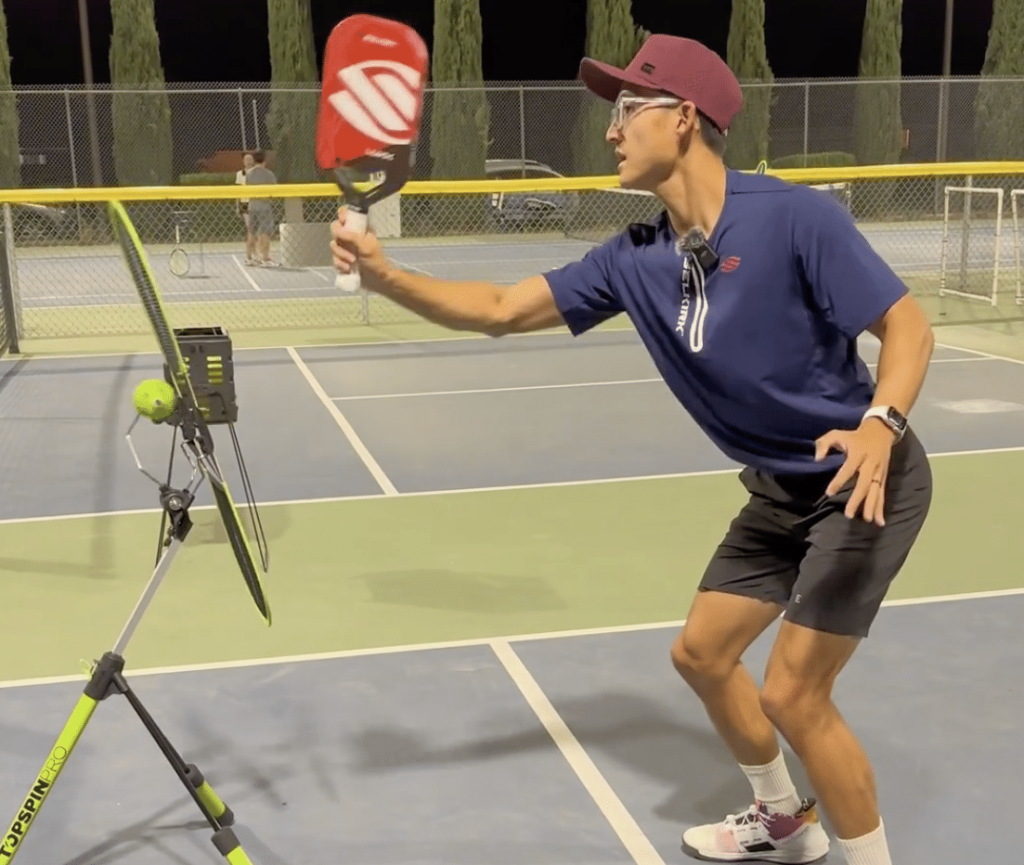
Types of volleys and when to use them
Punch volley
- Use to cut off a fast ball and create depth.
- Keep the wrist firm and push through with the forearm.
Block volley
- Use to absorb speed from a hard drive.
- Let the ball hit the paddle face and use soft hands.
Drop volley
- Use to bring the ball low into the opponent’s kitchen.
- Open the paddle face slightly and use a gentle forward motion.
Angle volley
- Use to create sharp sideline angles and finish points.
- Step to the side and redirect pace with the body.
The volley in pickleball is versatile. Choose the type based on opponent speed, court position, and match tempo.
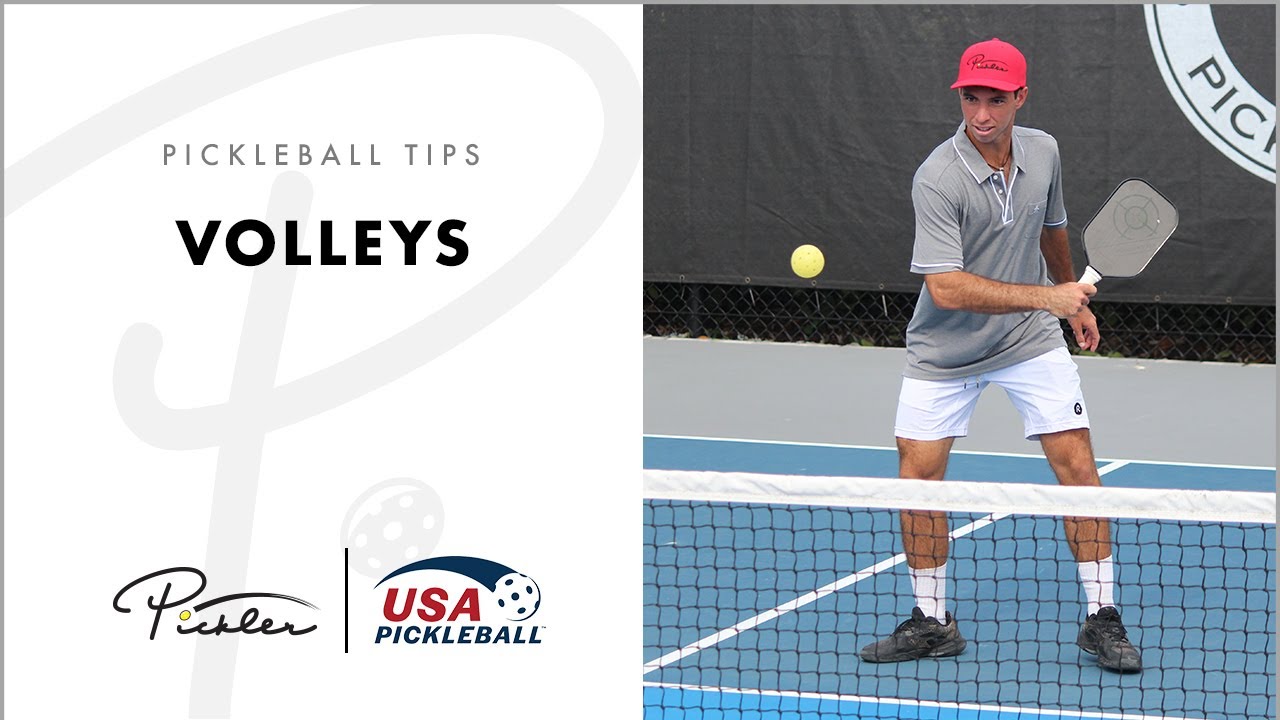
Step-by-step volley drill progression
Warm-up volleys
- Begin close to the net with a partner. Exchange easy volleys to build rhythm.
- Focus on footwork and keeping paddle high.
Punch-and-block drill
- One player hits hard shots; the other practices punch and block volleys.
- Rotate roles every five minutes.
Drop-and-angle drill
- Practice a sequence: deep return, short drop volley, angle finish.
- Add movement and recovery steps after each volley.
Third-shot volley progression
- Work on transitioning from third-shot drive to net volley.
- Emphasize split-step and quick paddle positioning.
These drills gradually build confidence with the volley in pickleball and improve decision-making.
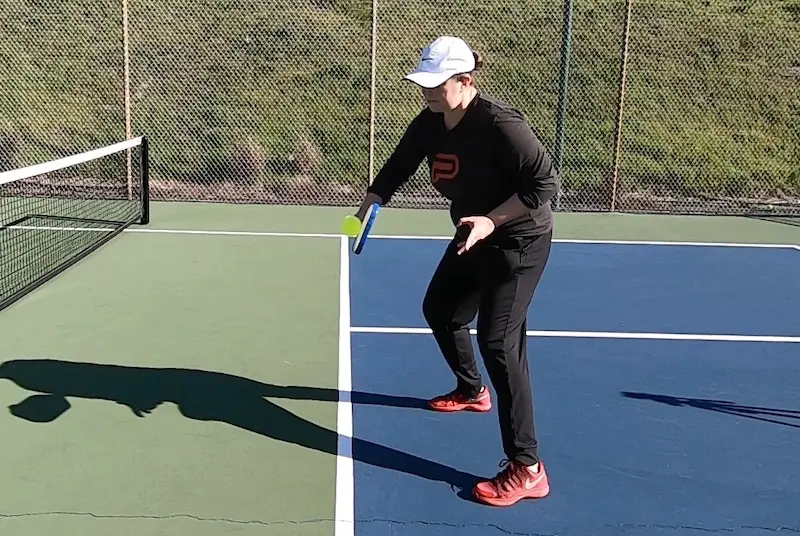
Positioning, court awareness, and team communication
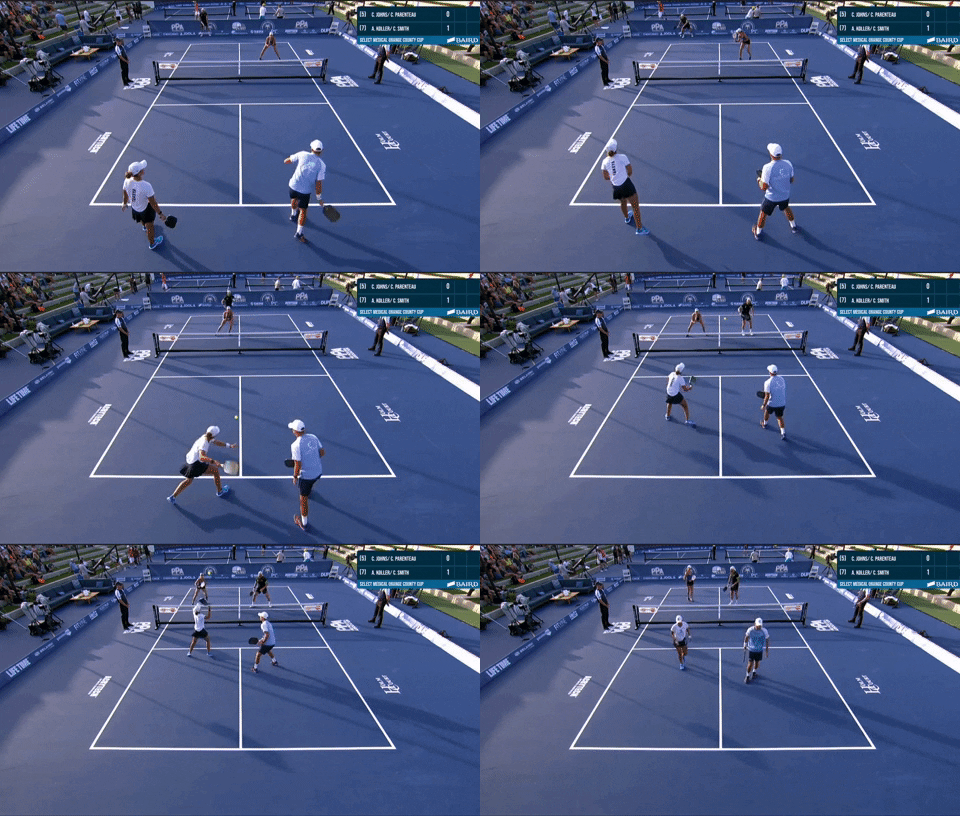
Stand a step behind the non-volley zone line until ready to attack. This reduces the risk of fault and gives you time to react.
Communicate with your partner. Call shots early and plan who takes lobs. A clear plan prevents collisions and missed volleys.
Watch opponent paddle angle and feet. Read their setup to anticipate where the volley will go. Good anticipation saves energy and wins points at the net.
Common volley mistakes and how to fix them
Hands too low
- Fix by holding paddle at chest height and practicing short blocks.
Over-swinging
- Fix with shadow swings and focus on compact motion.
Poor footwork
* Fix with ladder drills and split-step timing practice.
Rushing the net
- Fix by practicing patience. Move on strong balls only and work on balanced approaches.
Avoiding these mistakes will make your volley in pickleball steadier and more effective.
Equipment and grip choices that affect volleys
- Lighter paddles help with quick-wrist volleys and control.
- Heavier paddles add power but require stronger forearm muscles.
Paddle surface and shape
- A textured surface helps with spin on angle volleys.
- Wide-body paddles increase sweet spot for block volleys.
Shoes and traction
- Good court shoes improve lateral movement and balance.
- Grip on the shoes reduces slips during fast volley exchanges.
Choosing the right gear makes practicing the volley in pickleball more rewarding and reduces injury risk.

Strategy: using the volley to win points
Attack short balls with sharp drop volleys to force errors. Defend with low block volleys when under pressure.
Move opponents side to side using angle volleys. Combine depth and angles to open the court for putaways.
Stay patient and avoid unnecessary overheads. Winning with volleys in pickleball is often about building a sequence, not hitting winners every time.

My real-court lessons and personal tips
When I started, I used big swings and missed easy volleys. I learned to keep swings short and trust placement over power. Small wrist adjustments often turned losing points into wins.
Practice with a variety of partners. Playing with faster and slower players taught me to adapt volley pace and timing. One clear tip: film a few sessions. Watching your volley mechanics reveals small fixes you can make immediately.
How to train volley consistency under pressure
Simulate match pressure by keeping score during drills. Add time limits and forced volleys to build quick decision skills.
Practice transition points: third-shot drive, approach, and volley exchange. Repetition of these sequences trains muscle memory and reduces panic in real matches.
Include breathing drills. Calm breathing helps steady your hands and focus during critical volley exchanges.
Frequently Asked Questions of volley in pickleball
What counts as a volley in pickleball?
A volley in pickleball is any shot hit before the ball bounces. It usually happens near the net but can occur anywhere on the court.
Is it legal to volley in the non-volley zone?
You cannot volley while standing inside the non-volley zone. You may only volley when you are behind the non-volley zone line.
How can I improve volley control quickly?
Work on short compact swings and hand placement. Simple drills like partner exchange and block-punch practice help fast.
Should I use a continental grip for volleys?
Yes, the continental grip is the most versatile for volleys. It allows quick transitions between forehand and backhand angles.
How do I avoid faulting when volleying?
Use the split-step and stay behind the non-volley zone line until contact is complete. Practice footwork to prevent stepping into the kitchen during volleys.
Conclusion
Volleys in pickleball are central to winning at the net. Master the basic technique, practice targeted drills, and tune your positioning to see steady improvements. Start small, focus on compact motion, and play with partners who challenge you. Try one new volley drill this week and track your progress—then come back and share your wins.