
A fault in pickleball is any rule violation that ends the rally and awards the point or service change.
I’ve played and coached pickleball for years, and I’ll walk you through exactly what does a fault mean in pickleball, why faults happen, and how to avoid them. You’ll get clear rules, real-life tips, and practical drills you can try today to reduce mistakes and win more points.

What does a fault mean in pickleball: official definition
A fault is a rule breach during play that stops the rally. When a fault occurs, play halts and either a point is awarded or service changes hands. The term covers many actions, from serving errors to stepping into the non-volley zone during a volley.
Understanding what does a fault mean in pickleball helps players protect points and avoid simple losses. I’ll break faults into easy-to-follow categories and share tips I use with beginners and competitive players.
Common types of faults
Faults can be simple or subtle. Here are the common kinds you will see on courts.
- Serving faults: Bad toss, foot fault, or serve that lands out of bounds.
- Double-bounce faults: Failing to let the ball bounce once on each side after serve.
- Non-volley zone faults: Stepping into the kitchen while volleying the ball.
- Out-of-bounds faults: Hitting the ball outside the court limits.
- Carry or double-hit faults: Carrying or striking the ball twice on one hit.
- Hinder or distraction faults: Intentionally blocking or distracting play.
Knowing these categories makes it easier to spot why a point was lost and correct it in practice.
Serving faults explained
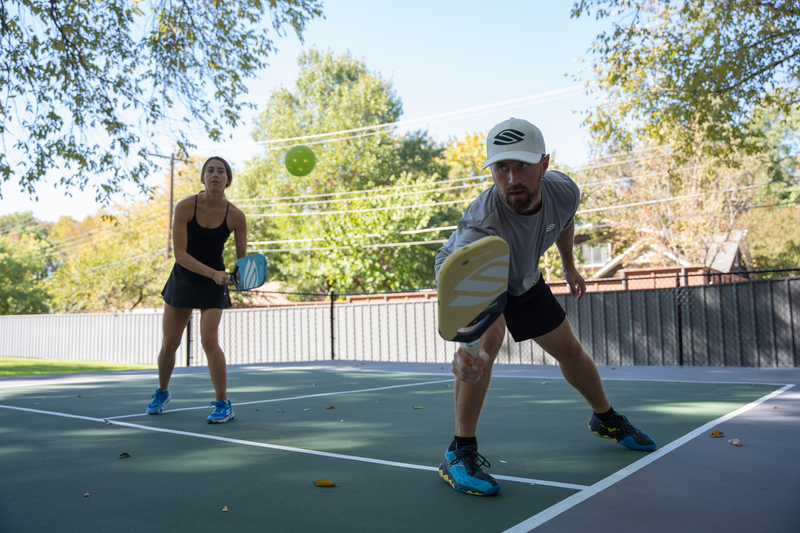
Serve rules cause many faults, especially for new players. The serve must be made underhand, paddle below the wrist, and contact with the ball must be below the server’s waist. The server must keep both feet behind the baseline until contact and the ball must clear the non-volley zone and land in the correct service court.
Common serving faults include:
- Foot fault: Stepping on or over the baseline before contact.
- High contact: Hitting the ball above waist level.
- Wrong serve direction: Serving to the wrong service box.
- Ball lands short or out: Not clearing the kitchen or landing outside.
Practice a consistent toss and a simple swing. I coach players to use a rhythm count: toss, one-two swing. That cuts down serving faults fast.

Return, volley, and non-volley zone faults
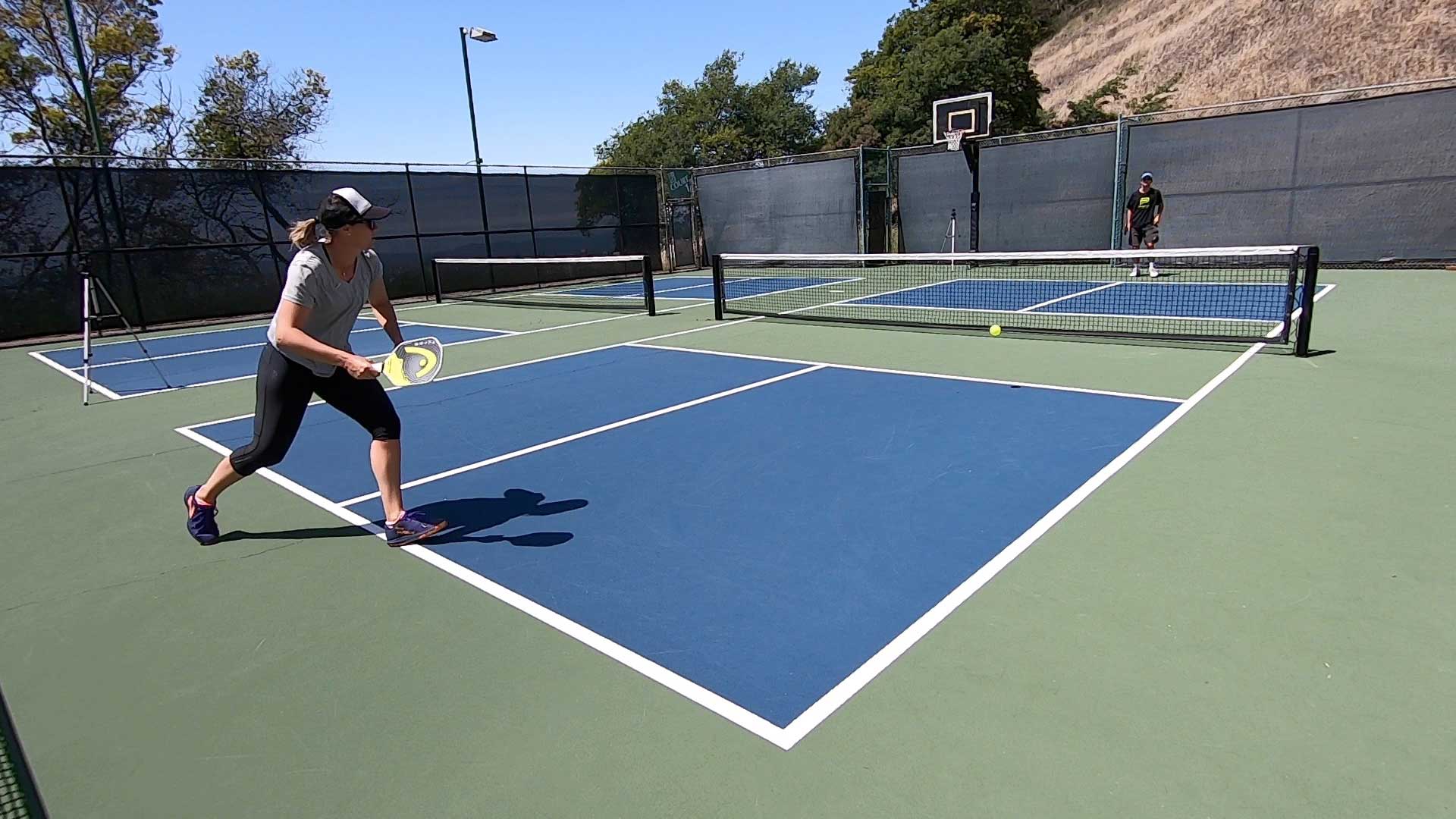
After the serve, the double-bounce rule requires each side to let the ball bounce once before volleying. Volleying before the two bounces is a fault. The non-volley zone (the kitchen) extends seven feet from the net. You cannot volley while standing in that zone.
Key things to watch for:
- Stepping into the kitchen while volleying is a fault.
- Touching the kitchen line while volleying is also a fault.
- Volleying too early (before double bounce) is a fault.
- Follow-through that lands you in the kitchen can be a fault.
I once lost a match because my follow-through landed me in the kitchen after a great block. Small habits like stepping back after a volley prevent these faults.
Fault consequences and scoring
When a fault happens, the rally stops immediately. The result depends on who committed the fault and whether the serving team was at fault.
- If the receiving side faults, the serving team scores a point.
- If the serving side faults on their first serve in doubles, service passes to partner or opponent depending on score.
- If a fault occurs during a rally, the opponent wins the rally or service based on who was at fault.
Knowing how faults affect scoring helps you make better strategic choices and recover after mistakes. Always call faults clearly and calmly to avoid disputes.

How to avoid faults: practical tips and drills
Reducing faults is mostly habit and practice. Here are drills and tips I use with students to cut errors.
- Serve practice: Repeat 50 controlled serves aiming for the service box. Count successful serves.
- Footwork drill: Shadow-step while serving to lock in foot placement.
- Double-bounce drill: Alternate serve and return rallies with coaches calling “bounce” to enforce the rule.
- Kitchen awareness: Volley-to-feet drill to practice stopping your forward momentum.
- Video review: Film matches and watch for common faults like foot faults or early volleys.
Nearly all players improve by focusing on one fault at a time. Pick the most frequent fault you make and drill it for a week. You’ll see big gains.
Common mistakes and how to fix them
Small habits create big faults. Here are common errors and quick fixes.
- Problem: Rushing the serve. Fix: Slow your toss and reset feet before every serve.
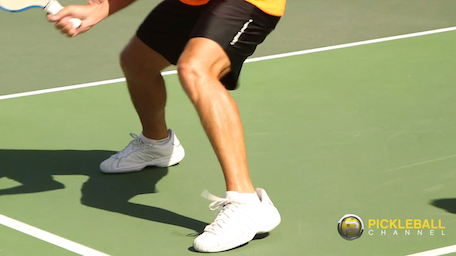
- Problem: Stepping into the kitchen after a volley. Fix: Practice short recovery steps backward.
- Problem: Hitting too hard and going out of bounds. Fix: Aim for controlled placement over power.
- Problem: Miscounting bounces. Fix: Communicate with partner and shout “one” or “two” as a habit.
I learned to call out bounces when I played doubles. That simple habit cut down our faults and improved teamwork.

Frequently Asked Questions of what does a fault mean in pickleball.
What is the most common fault in pickleball?
The most common fault is a serving error, like a foot fault or serving into the wrong box. New players often rush the serve and break simple rules.
Can you volley in the kitchen if you jump from behind the line?
No. If you land in the non-volley zone after volleying, that is a fault even if you jumped from behind the line. The landing matters.
What happens if both teams commit a fault at the same time?
If both teams fault simultaneously, replay the point if the rules allow a let; otherwise, the referee’s call determines the outcome. In casual play, many groups agree to replay the rally.
Is a ball that hits the net on a serve a fault?
If the served ball touches the net and still lands in the correct service court, it is a let and the serve is replayed. If it lands out or fails to clear, it’s a fault.
How strict are referees about foot faults?
Referees check foot faults closely at higher levels. In recreational play, calls are often more lenient, but consistent foot faults should be corrected by the player or coach.
Conclusion
A clear grasp of what does a fault mean in pickleball saves points and boosts confidence on court. Focus on one fault at a time, use short drills, and build habits like calling bounces and resetting for every serve. Get on-court practice, review your play on video, and you’ll see fewer faults and better results. Try one drill this week, track your progress, and share a tip or question in the comments to keep improving.