A reset in pickleball is a soft, controlled shot used to regain neutral court position.
As a long-time player and coach, I’ll walk you through what is a reset in pickleball, why it matters, and how to use it to win more points. This guide blends clear, practical steps and real-court tips to help you learn the reset fast and confidently. Read on to master one of the smartest shots in the game.
What is a reset in pickleball?
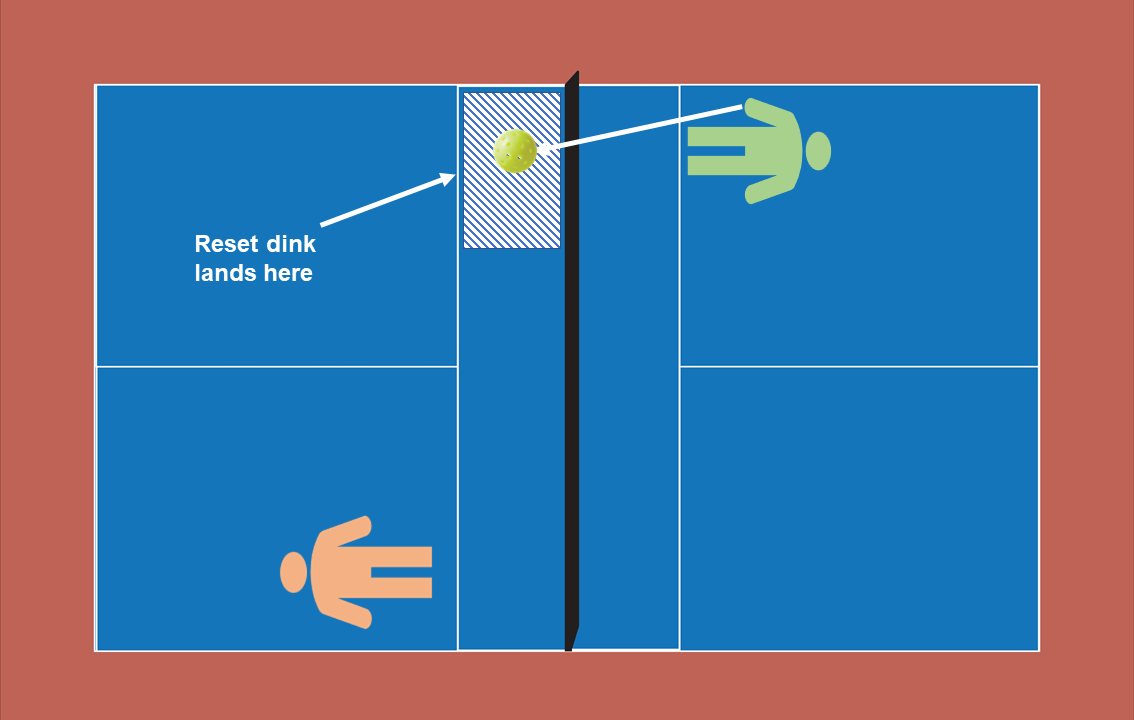
A reset in pickleball is a deliberate, soft shot that moves the ball safely back to the opponent’s mid-court or kitchen line. The goal is to remove pressure and give your team time to move up to the net. When someone asks what is a reset in pickleball, think of it as hitting the pause button on a fast exchange.
A good reset stops your opponent’s aggressive angle. It keeps the ball low and controlled. It also helps you and your partner recover to ideal court position. In matches I played and coached, the reset often turned defense into offense by stabilizing play and reducing mistakes.

Why use a reset and when to play it?
Using a reset in pickleball can change the tempo of a point. You use it when you or your partner are forced back, or when the opponent’s shot is too fast to attack. Play a reset when:
- You are out of position and need time to recover.
- Your opponent hits a deep, hard return that puts you on defense.
- You want to stop an opponent’s third-shot drive or aggressive volley.
A reset is also smart when the opponent is at the kitchen line and you cannot make a clean attacking shot. I remember a match where timely resets kept my team alive while we moved up. That shift in rhythm let us steal points later.

How to execute a reset in pickleball — step by step
Follow these simple steps to hit an effective reset in pickleball:
- Read the ball
- Move quickly and decide if you must block, dink, or reset. Keep weight on your toes.
- Use a soft grip and relaxed wrist
- Tight grips create pop. Loosen your wrist to absorb pace.
- Aim for the opponent’s mid-court or their kitchen line
- A low ball that lands near the non-volley zone forces opponents to lift or slow down.
- Use compact swing and control depth
- Short backswing, soft follow-through. Think placement over power.
- Recover to the kitchen line with your partner
- Move forward immediately after the shot to be ready for the next ball.
Practice these steps slowly at first. My early resets were too high or too deep. Then I focused on contact point and wrist softness, which improved my control.

Common mistakes when attempting a reset in pickleball
Avoid these errors to keep your resets effective:
- Hitting too high or too deep
- This gives the opponent an easy attack. Keep the ball low.
- Using too much power
- Power turns a reset into a return and loses the chance to neutralize play.
- Poor footwork and timing
- Being late causes mishits. Step to the ball and set your weight.
- Failing to recover
- If you don’t move up after the reset, you lose the chance to control the net.
- Predictable placement
- Vary left, right, and straight to avoid becoming easy to read.
From personal matches, I learned that a calm mind beats panic. When you panic, you swing hard and miss the reset’s purpose.
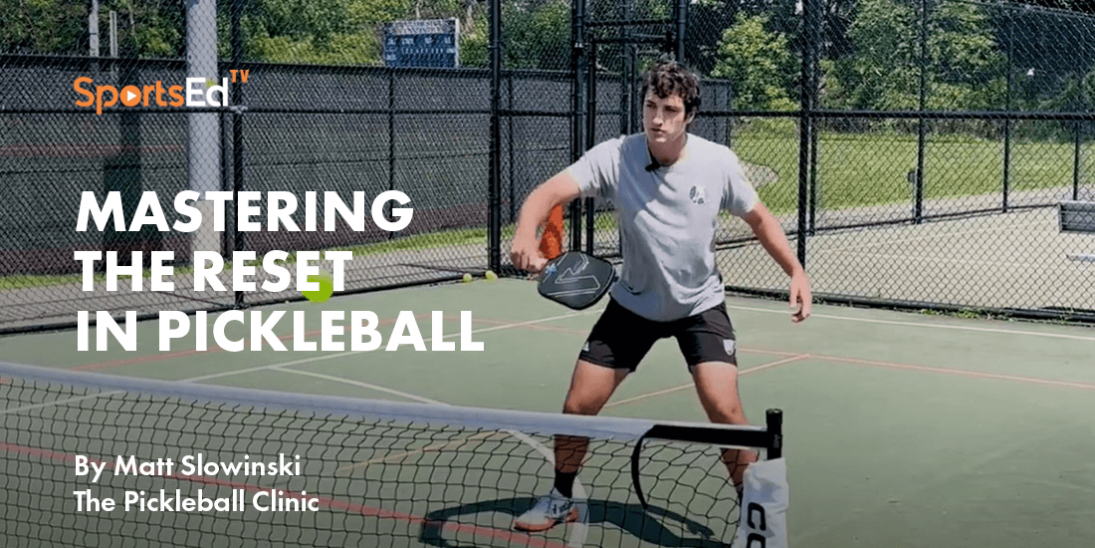
Drills to practice the reset in pickleball
Try these drills to build reliable resets:
- Partner soft-feed drill
- Partner feeds mid-court balls while you practice short, controlled resets back to the kitchen.
- Cross-court reset drill
- Alternate cross-court soft shots aiming for opponent’s kitchen corners to build accuracy.
- Target practice
- Place cones at the kitchen line and try to hit them consistently from different positions.
- Rally-to-reset drill
- Start with volleys at the kitchen and mix in resets when forced back. Focus on footwork and recovery.
I use short, focused drills in warm-ups. Ten minutes of reset practice improves match play quickly.
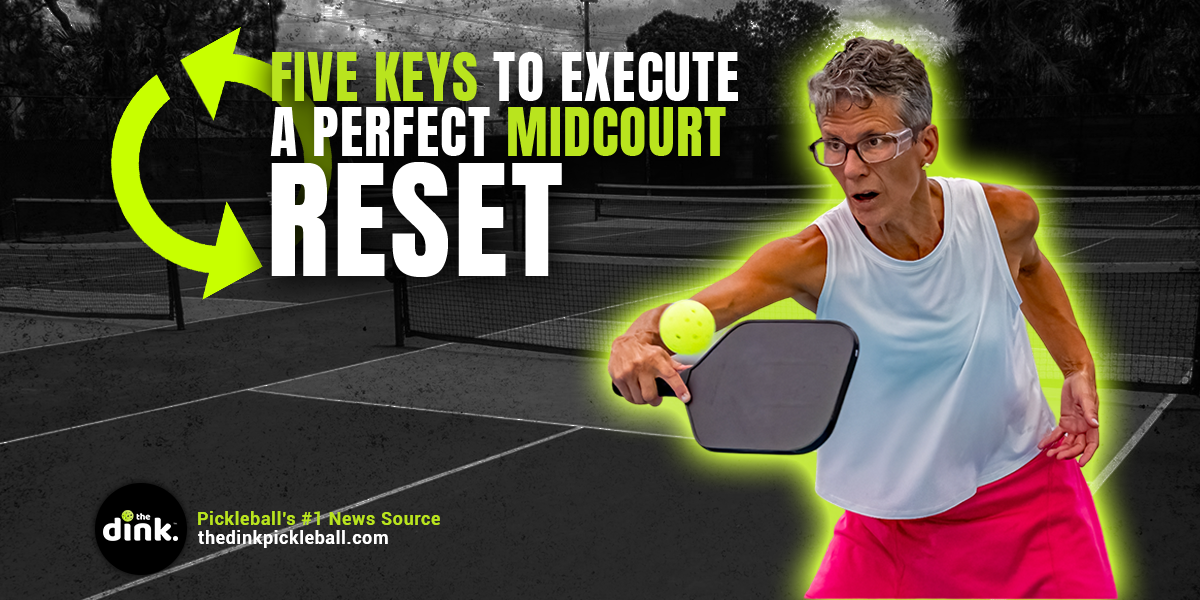
Strategy and positioning after a reset in pickleball
A reset sets up your next move. After playing a reset in pickleball:
- Move forward with your partner to the non-volley zone line
- This puts you in position to attack lifted balls.
- Watch opponent movement and prepare for a lob or drive
- Opponents often lift the ball after a deep reset; be ready to step in.
- Communicate with your partner
- Decide who covers which angles after the reset to avoid confusion.
- Force the opponent into low-percentage shots
- A good reset makes opponents play a neutral or weak reply.
In doubles, timing with your partner is key. I’ve seen teams win long rallies simply by moving together after a well-placed reset.

Frequently Asked Questions of what is a reset in pickleball
What is the main purpose of a reset in pickleball?
The main purpose is to regain neutral court position and remove immediate pressure. It slows the point and creates time to move up to the net.
When should I avoid trying a reset in pickleball?
Avoid a reset when you have a clean attacking shot or your opponent is out of position. Use a reset mainly when you are defensive or need to reset the rally.
Should I always follow a reset by moving to the kitchen line?
Yes. After a reset, move forward with your partner. Being at the kitchen line gives you the best chance to attack the next ball.
How do I make a reset low and hard to attack?
Use a relaxed wrist and short swing, aim near the opponent’s kitchen, and absorb pace at contact. Practice touch and control rather than power.
Can a reset in pickleball be used offensively?
Yes. A well-placed reset can force a weak reply and lead to an offensive opening. It’s often a strategic shot, not just defensive.
Conclusion
A reset in pickleball is a simple, smart shot that stabilizes play and sets up better court position. Mastering what is a reset in pickleball will help you survive tough points and create more attacking chances. Start practicing short, soft resets today, and make them part of your match plan. Try the drills, watch your positioning, and share your progress in the comments — or subscribe for more practical tips and drills.