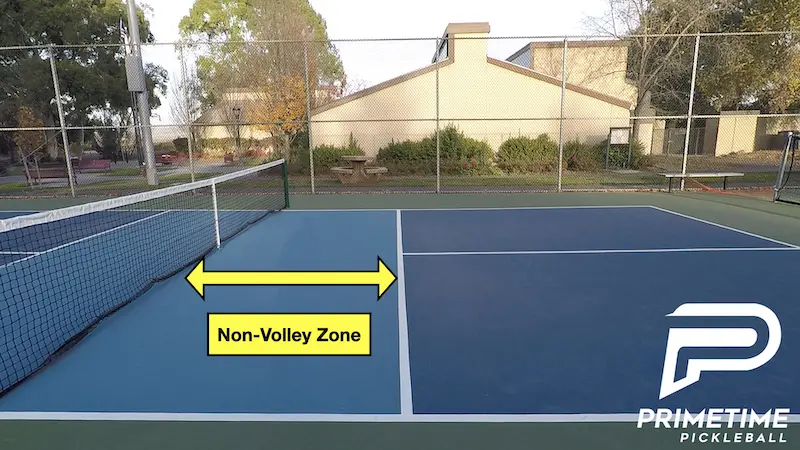
A dink in pickleball is a soft, controlled shot that lands in the opponent's non-volley zone, or "kitchen."
If you've ever watched a high-level pickleball match, you've seen the magic of the dink. It’s the quiet, strategic shot that separates beginners from seasoned players. As someone who has spent countless hours on the court, I can tell you that understanding what is dink in pickleball is more than just learning a new shot—it's about unlocking a whole new level of strategy and control. This guide will break down everything you need to know, from the basic technique to the advanced strategy that will help you dominate the kitchen line.
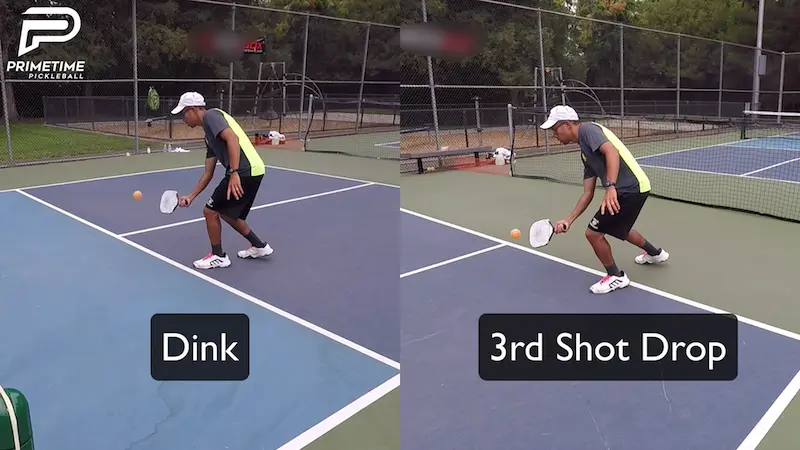
The Anatomy of a Perfect Dink Shot
At its core, a dink is a shot defined by touch, not power. Imagine you’re trying to gently toss the ball over a small fence so it lands softly on the other side. That’s the feeling of a perfect dink. Its primary goal is to make it impossible for your opponent to hit an aggressive, downward volley. By forcing them to hit the ball on the rise after a bounce, you take away their power and reset the point.
The ideal dink has a gentle arc, peaking just as it crosses the net and then dropping quickly into the kitchen. It’s not a flat shot, nor is it a high, loopy one. The key is to land it just a few feet over the net, giving your opponents very little space and time to react with anything other than another dink. This shot is the foundation of the patient, strategic side of pickleball.
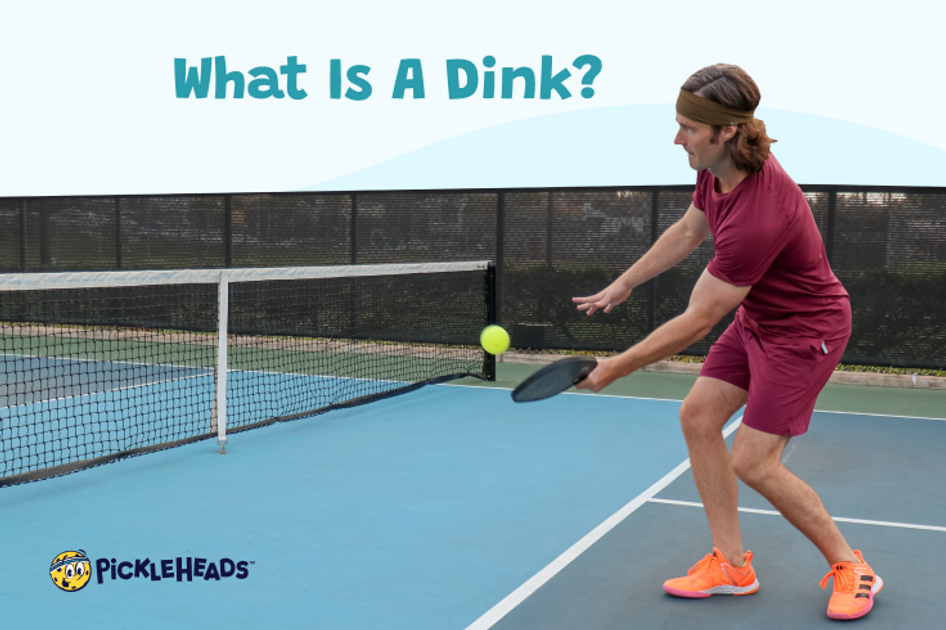
Why is Dinking So Important in Pickleball?
So, why all the fuss about this one little shot? Because dinking is the great equalizer in pickleball. It neutralizes power, controls the pace of the game, and patiently sets you up for the winning shot. When you and your partner are at the non-volley zone line, a dink rally becomes a strategic chess match.
I remember playing against a pair of powerful "bangers" who tried to drive every single ball past us. For the first few points, we were on our heels. Then, we made a conscious decision to slow things down and engage in a dink battle. Their powerful drives became awkward, upward pops from the kitchen. Their frustration grew, their errors increased, and we took complete control of the match. That’s the power of understanding what is dink in pickleball; it’s a tool to dismantle aggressive players and create your own opportunities.

How to Hit a Dink: A Step-by-Step Guide
Learning to dink effectively takes practice, but the technique itself is beautifully simple. It’s less of a swing and more of a controlled push or lift. Here’s a breakdown to get you started.
Get in Position
Your dink starts before the ball even comes to you. Stand at the non-volley zone line with your feet shoulder-width apart and your knees slightly bent. Stay on the balls of your feet, ready to move in any direction. This stable, athletic stance is your foundation for a consistent dink.
The Right Grip and Paddle Face
A continental grip (like you’re shaking hands with the paddle) is ideal for dinking because it works well for both forehand and backhand shots without needing to adjust. Hold the paddle with light pressure—a "death grip" will make your shot too stiff and powerful. Keep your paddle face slightly open, angled toward the sky, to help lift the ball over the net.
The Motion: A Lift, Not a Swing
This is the most important part. The dinking motion is compact and comes from your shoulder, not your wrist or elbow. Think of it as a gentle underhand lift. Your arm moves in a simple, low-to-high path. A common mistake is to swing at the ball, which generates too much power and causes it to sail long or pop up high.
Contact Point and Follow-Through
Try to make contact with the ball out in front of your body. Letting the ball get too close or drop too low makes the shot much harder. After contact, your follow-through should be short and controlled, guiding the ball toward your target. Your paddle should finish pointing where you want the ball to go.
Common Dinking Mistakes to Avoid
As you learn what is dink in pickleball, you'll likely run into a few common hurdles. Here are the most frequent mistakes I see and how to fix them.
Popping the Ball Up
A dink that floats too high is an open invitation for your opponent to smash it. This usually happens from using too much wrist, hitting the ball too hard, or letting the ball drop too low before contact. To fix this, focus on a firm wrist, a soft grip, and making contact with the ball around knee height or higher.
Hitting the Net
Dinking into the net is frustrating, but it’s often an easy fix. It’s typically caused by having a closed paddle face or not lifting the ball enough. Remind yourself to keep that paddle face slightly open and focus on the gentle, low-to-high lifting motion.
Dinking Too Deep
A successful dink lands in the kitchen. If your dinks are landing past the kitchen line, your opponents can volley them for an easy winner. This is a matter of touch and practice. When I was learning, I used to place a towel a few feet from the net as a target. This visual aid really helped me dial in the perfect depth.

Frequently Asked Questions about Dinking in Pickleball
What is the purpose of a dink?
The primary purpose of a dink is to neutralize an opponent's attack by forcing them to hit a soft, upward shot from the kitchen. It slows down the game, reduces errors, and helps you set up a more aggressive shot.
Can you volley a dink?
You can only volley a ball in pickleball when your feet are outside the non-volley zone. If a dink is dropping into the kitchen, you must let it bounce before you can legally hit it.
What is a dink rally?
A dink rally is a sequence where players from both teams exchange soft dink shots back and forth across the net. It's a patient, strategic battle for positioning, where each side waits for the other to make a mistake or pop the ball up.
Is a dink a defensive or offensive shot?
A dink is brilliantly both. It's defensive because it resets a point and protects you from a power shot, but it's also offensive because it applies pressure and can force an error or create an easy put-away for you.
How do I practice dinking?
The best way is with a partner at the kitchen line, practicing dinking straight ahead and cross-court. You can also drill against a wall by drawing a line at net height and focusing on your touch and control.
Conclusion
Mastering what is dink in pickleball is your ticket to becoming a more strategic and formidable player. It’s a shot built on patience, precision, and control rather than brute force. By learning to dink effectively, you can dictate the pace of the game, frustrate aggressive opponents, and create countless opportunities to win points.
Don't shy away from the soft game; embrace it. The next time you step on the court, make a conscious effort to practice your dinks. You’ll be amazed at how quickly it elevates your game and boosts your confidence at the net. Now go out there and start dinking! What’s your favorite dinking drill? Share it in the comments below