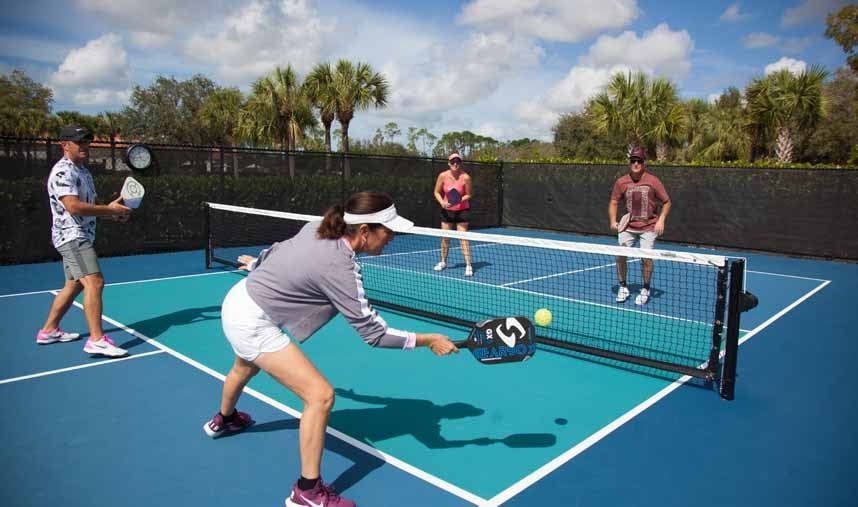
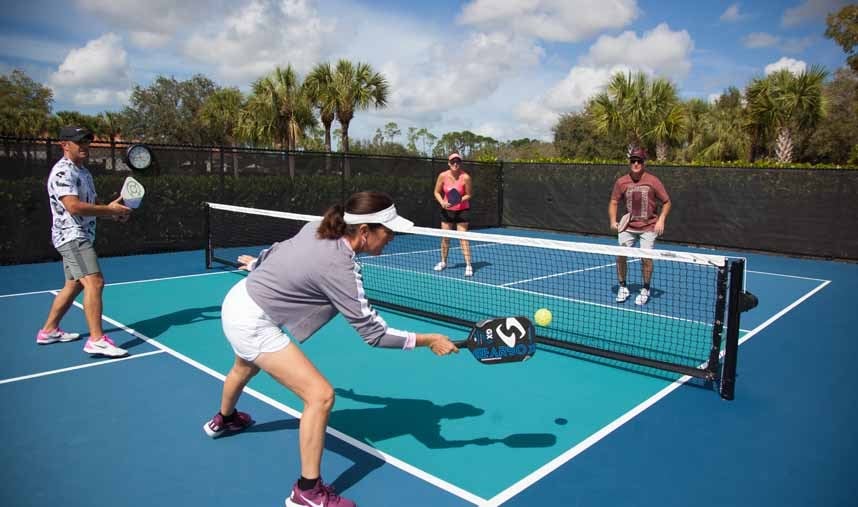
Pickleball is a fast, social paddle sport combining tennis, badminton, and ping-pong.
If you want to understand what is pickleball, you’re in the right place. I’ve coached new players, played countless rec games, and tested gear across many courts. In this friendly guide, I’ll explain what is pickleball, how it works, the rules, gear, tips, and the health perks that keep people coming back.

What is pickleball, explained
At its core, pickleball is a paddle sport played on a small court with a net and a plastic ball. You serve underhand, the ball must bounce once on each side after the serve, and there is a no-volley zone near the net called the kitchen. Games are quick, social, and easy to learn.
If you came here asking what is pickleball, think of it as tennis tactics with ping-pong pace on a badminton-sized court. That mix makes it beginner friendly but still deep for strategy lovers.

A short history and why it exploded
The game began in the 1960s as a backyard mash-up to keep friends and family active. It spread through schools, community centers, and parks because it needs little space and low-cost gear. In recent years, national sports reports show rapid growth across age groups, from teens to retirees.
Why the boom? The rules are simple, rallies are fun, and it welcomes all fitness levels. Many people first search what is pickleball, then try a free clinic and get hooked by the community feel.
Court, paddle, and ball: gear you need
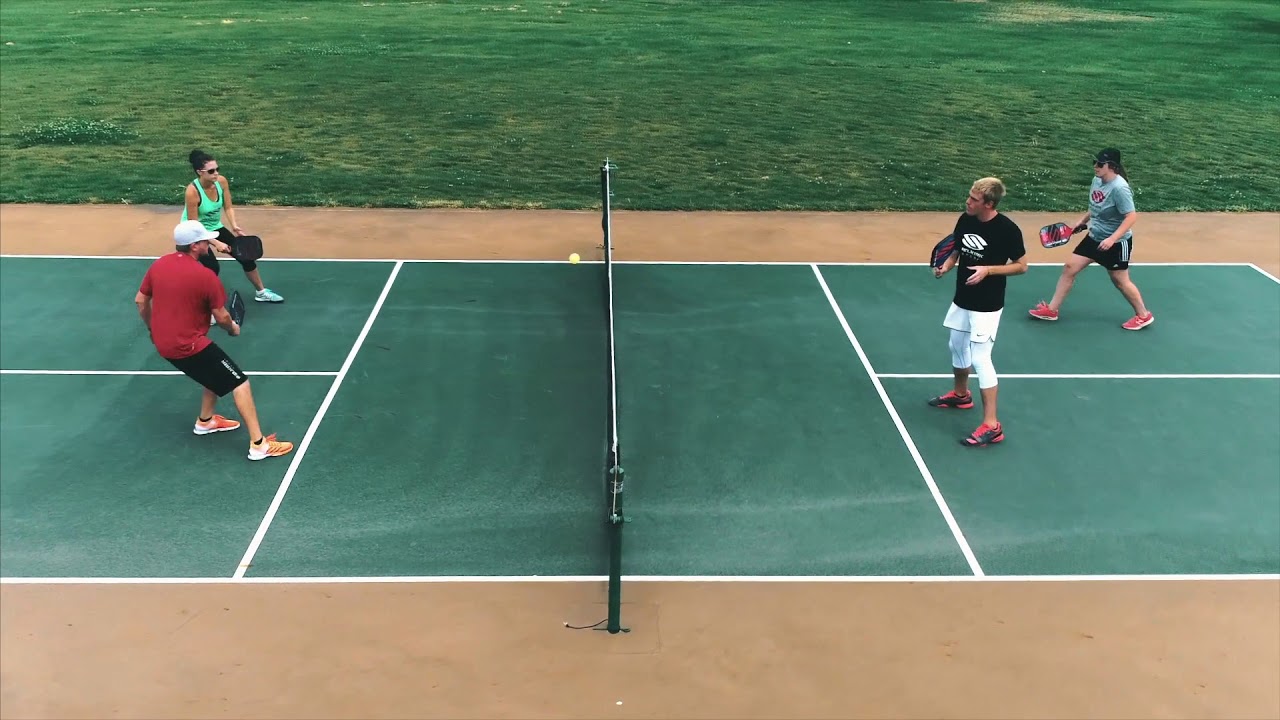
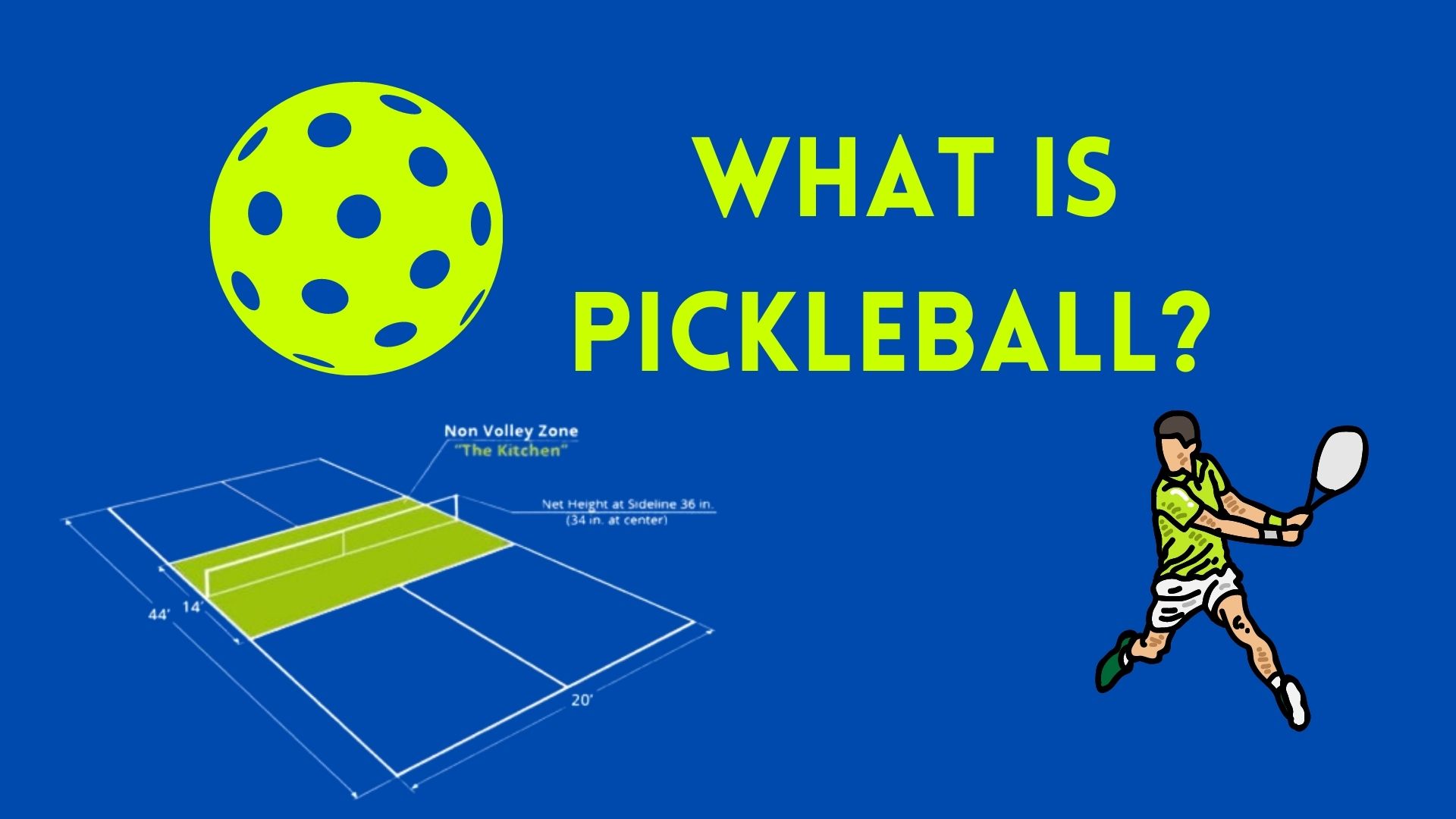
A standard court is 20 by 44 feet with a 7-foot non-volley zone on each side of the net. Net height is 36 inches at the posts and 34 inches at the center. Lines are part of the court, including the kitchen line.
Choose a paddle that fits your hand and style. Most paddles weigh 7 to 8.5 ounces and are 15.5 to 16.5 inches long, with a maximum allowed length of 17 inches in official play. Outdoor balls often have 40 small holes and are a bit harder. Indoor balls often have 26 larger holes and are softer.
Starter checklist:
- Court shoes with good grip
- A midweight composite paddle
- A pack of outdoor balls if you play outside
- A small towel and water bottle
How to play: rules, scoring, and flow
Serve underhand from behind the baseline, diagonally to the opposite service box. The ball must land in the box and clear the kitchen. The server’s arm must move upward on contact and the hit must be below the waist.
Key rules:
- Double bounce rule The serve must bounce once in the receiver’s court, and the return must bounce once in the server’s court before anyone can volley.
- Kitchen rule You cannot volley while touching the kitchen or its line. You may enter to play a ball that bounced, then exit before volleying again.
- Faults Hitting out, into the net, volleying in the kitchen, or missing the serve.
Scoring is usually to 11, win by 2, using side-out scoring. Only the serving team can score in doubles. Call the score as server score, receiver score, then server number in doubles. If you’re still asking what is pickleball after your first game, the scoring will click by game two.

Strategy 101: doubles and singles
In doubles, patience wins. Get to the kitchen line after the two bounces and hold it with soft dinks. Use third-shot drops to neutralize hard returns. Aim at feet, not bodies.
Singles is about court coverage. Serve deep, return deep, then move forward when safe. Keep opponents on the run and attack short balls to take the net.
Practical tips I share with new players:
- Think soft to create mistakes from rivals
- Aim middle to cause confusion
- Reset hard drives with a calm block and open paddle face
Health benefits and who can play
Pickleball is low impact, with short sprints and quick reaction moves. Health research shows moderate-intensity exercise can boost heart health, mood, and sleep. The game also trains balance and agility in a joint-friendly way.
It suits many ages and fitness levels. If you wondered what is pickleball good for, it helps with social ties too. Regular play builds a supportive circle that keeps you active and engaged.

Getting started: step-by-step guide
Follow this simple plan:
- Watch a beginner clinic at a local park.
- Borrow a paddle and play two games to learn the rhythm.
- Practice serves and returns for 10 minutes at the start of each session.
- Learn the kitchen line dance move to get set for dinks.
- Track one focus each week, like third-shot drops.
Beginner drills:
- Target serves into each box ten times
- Wall rally with soft dinks for control
- Partner drop feeds from mid-court and reset to the kitchen

Common mistakes and how to avoid them
Stepping into the kitchen on a volley is the top rookie error. Pause, set your feet, and keep your toes behind the line. Rushing the third shot is next. Aim for a soft arc that lands near the kitchen line.
I made both mistakes early on. I fixed them by counting “bounce-set-hit” on kitchen dinks and by using a relaxed grip for drops. When friends ask me what is pickleball doing to their patience, I say it trains it.
Costs, clubs, and community
You can start for under the price of a dinner out. Entry paddles and balls are affordable, and many public courts are free. You can find open play sessions, ladders, and local leagues at parks and community centers.
Look for:
- Open play hours where all levels mix
- Beginner nights with coaches
- Social events and round robins
- Mixed doubles for fast learning
If you still wonder what is pickleball best known for, it is the warm welcome you feel on day one.
Pickleball etiquette and safety
Call lines fairly and loud enough for both sides. Give new players room and help them learn. Avoid blasting at close range unless the shot is safe and controlled.
Safety basics:
- Warm up for five minutes
- Hydrate before and during play
- Wear proper court shoes
- Call “ball on court” fast to stop play when needed
Frequently Asked Questions
What is pickleball in simple terms?
It is a paddle sport on a small court with a net and a plastic ball. You serve underhand, follow easy rules, and rallies are quick and fun.
Is pickleball hard to learn?
Most beginners learn the basics in one session. Mastery takes time, but you will rally and score on day one.
What equipment do I need to start?
You need a paddle, a few balls, and court shoes. Many parks have free nets and open play sessions.
How is scoring different from tennis?
Only the serving team scores in standard doubles, and games are often to 11 win by 2. You call server score, receiver score, and server number.
Can kids and older adults play together?
Yes. The short court and soft ball make mixed ages common. Just match intensity to the group.
What is the kitchen in pickleball?
It is the non-volley zone near the net. You cannot volley while touching it or its line.
How does wind affect outdoor play?
Wind can push the light ball. Aim lower in headwinds and add margin in crosswinds.
Conclusion
Pickleball blends simple rules, smart strategy, and a welcoming vibe. Now that you know what is pickleball, you can hit the court with clear steps, a light gear list, and beginner-friendly tactics. Start with a clinic, play two games, and focus on soft control at the kitchen.
Take your first swing this week. Bring a friend, share the court, and grow your skills one rally at a time. Want more guides and drills? Subscribe for weekly tips or leave a question, and I’ll help you dial in your next win.