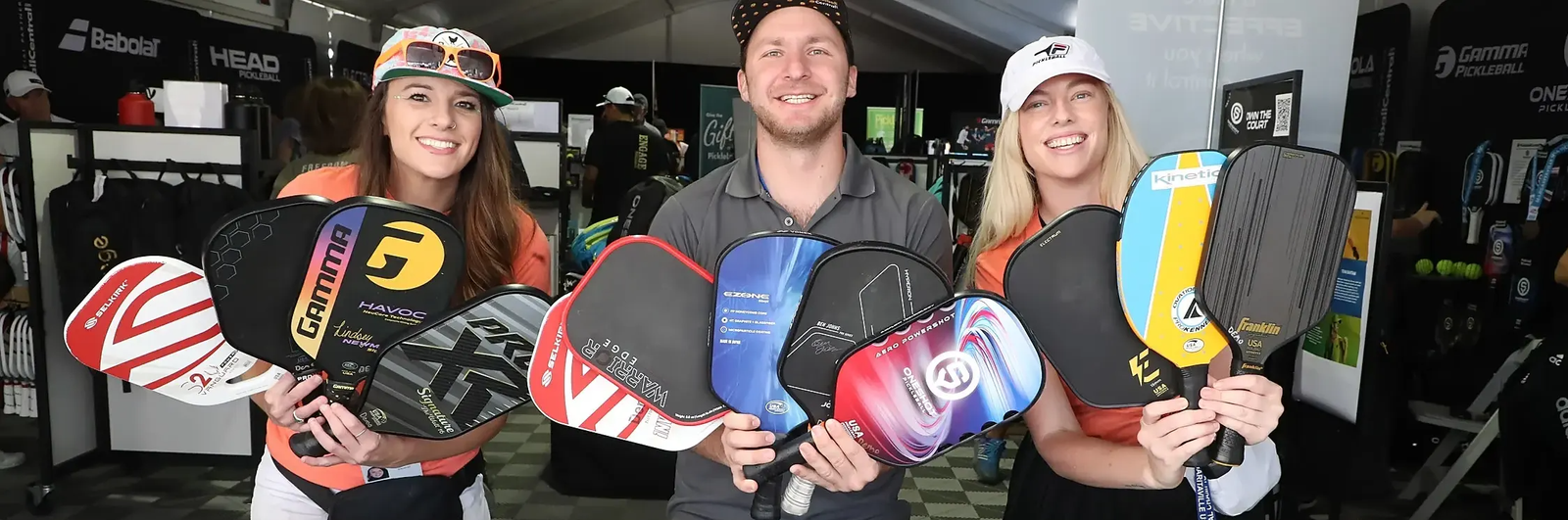
Look for a paddle with the right weight, grip size, material, and shape for your playing style.
I remember standing in front of a wall of pickleball paddles for the first time, feeling completely overwhelmed. The colors, shapes, and technical terms felt like a different language. Picking the right one seemed impossible. If you're feeling that same confusion, you've come to the right place. As someone who has spent years on the court and tested dozens of paddles, I'm here to demystify the process. This guide will walk you through exactly what to look for when buying a pickleball paddle, ensuring you find the perfect partner for your game.
Paddle Weight: The Key to Power and Control
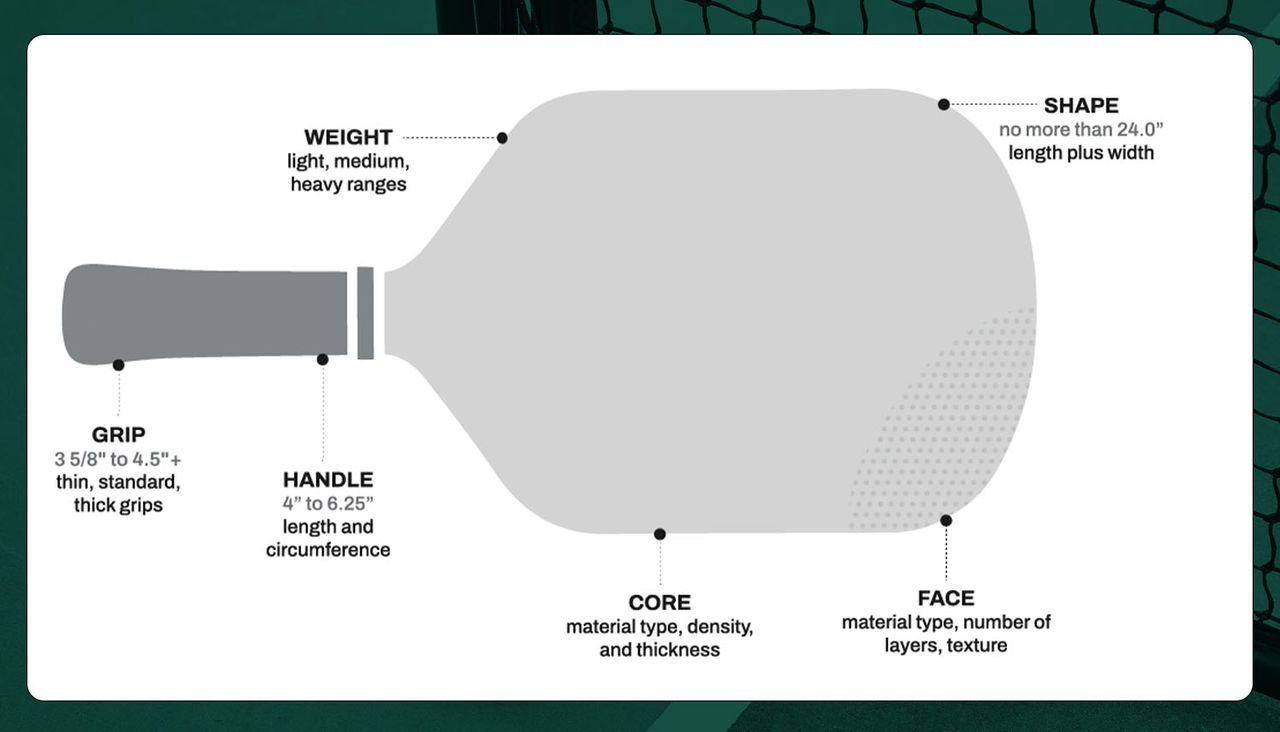
The first and arguably most important factor you'll consider is the paddle's weight. It directly impacts your swing speed, power, and control, and can even affect arm fatigue. Paddles are generally sorted into three categories, and understanding them is a critical step in knowing what to look for when buying a pickleball paddle.
-
Lightweight Paddles (Under 7.3 oz): These are fantastic for players who value quick hands and maneuverability at the net. They allow for faster reactions during quick dinks and volleys. The trade-off is that they generate less power, forcing you to use more of your own strength for serves and deep shots. They can also be less stable against hard-hitting opponents.
-
Midweight Paddles (7.3 oz to 8.4 oz): This is the sweet spot for the vast majority of players, from beginners to advanced. Midweight paddles offer a perfect blend of power, control, and maneuverability. When I first started, I thought a heavier paddle meant more power, but I quickly learned that a midweight option gave me the control I needed without sacrificing too much pop, and my arm thanked me for it.
-
Heavyweight Paddles (8.5 oz and up): If you want to maximize power, a heavyweight paddle is your friend. The extra mass drives the ball with more force and provides excellent stability, absorbing the shock from your opponent's slams. However, this weight can slow down your reaction time at the net and may lead to arm fatigue for some players.
Grip Size: Your Connection to the Paddle
Grip size, or circumference, is often overlooked, but it's your direct link to the paddle. Using the wrong size can not only hinder your performance but also contribute to injuries like tennis elbow. Finding the right fit is a simple but essential part of what to look for when buying a pickleball paddle.
A quick way to find your approximate grip size is the finger test. Hold the paddle with your dominant hand. You should be able to slide the index finger of your other hand into the space between your fingertips and the palm of your hand. If there's too much room, the grip is too big. If there's no room at all, it's too small.
A smaller grip allows for more wrist action, which can help in generating more spin. A larger grip provides more stability and is often more comfortable for players who don't rely on wrist movement. A great piece of advice I received early on is that it's always easier to build up a small grip with an overgrip than it is to shrink a grip that's too large.
Core and Surface Materials: The Science Behind the Shot
The engine of your paddle lies in its core and surface materials. These elements determine how the paddle feels, sounds, and performs. While the technology can sound complex, understanding the basics will help you narrow down your choices. This is a technical but vital aspect of what to look for when buying a pickleball paddle.
Core Materials
The core is the thickest part of the paddle and is responsible for how the ball responds on impact.
-
Polymer (Polypropylene): This is the most popular core on the market today. It consists of a plastic honeycomb structure that is relatively soft and quiet. Polymer cores offer excellent control and a forgiving feel, making them a great choice for players of all skill levels.
-
Nomex: This was the original core material. It's a harder, denser honeycomb material that produces a loud, distinct "pop." Nomex cores are known for providing a lot of power but are less forgiving than polymer cores.
-
Aluminum: Less common now, aluminum cores offer fantastic control and a light feel. However, they lack the power of both polymer and Nomex cores, making them a niche choice for players who prioritize touch above all else.
Surface Materials
The surface, or face, of the paddle is what makes first contact with the ball. It influences spin, feel, and power.
-
Graphite: A very popular choice, graphite surfaces are lightweight and strong. They provide a crisp, responsive feel and excellent ball control. Think of it as the finesse option.
-
Carbon Fiber: Similar to graphite, carbon fiber is incredibly strong and light. It often provides a slightly softer feel than graphite and can enhance the paddle's sweet spot, offering a great blend of power and control. Many modern paddles use raw carbon fiber to generate maximum spin.
-
Fiberglass (Composite): Fiberglass faces are powerful. The material has a bit more flex, creating a trampoline effect that sends the ball flying. If you're a power hitter or want extra pop on your shots, a composite paddle is a great option.
Paddle Shape and Thickness: Fine-Tuning Your Game
Once you've considered weight and materials, the final physical attributes to examine are the paddle's shape and thickness. These factors help you customize the paddle to your specific playing style, making it a key detail in what to look for when buying a pickleball paddle.
Paddle Shape
-
Standard Shape: Also called a wide-body paddle, this is the most common shape. It's roughly square-like, offering a generous sweet spot right in the center. This forgiving design makes it the perfect choice for beginners and players who value consistency.
-
Elongated Shape: These paddles are longer and narrower than standard ones. This design provides extra reach, which is a huge advantage for covering the court, especially in singles. The trade-off is a smaller, less forgiving sweet spot.
-
Edgeless: Some paddles are designed without a protective edge guard. This maximizes the playable surface area, but it also makes the paddle more susceptible to damage if it hits the ground.
Paddle Thickness
Paddle cores come in different thicknesses, which dramatically changes the feel.
-
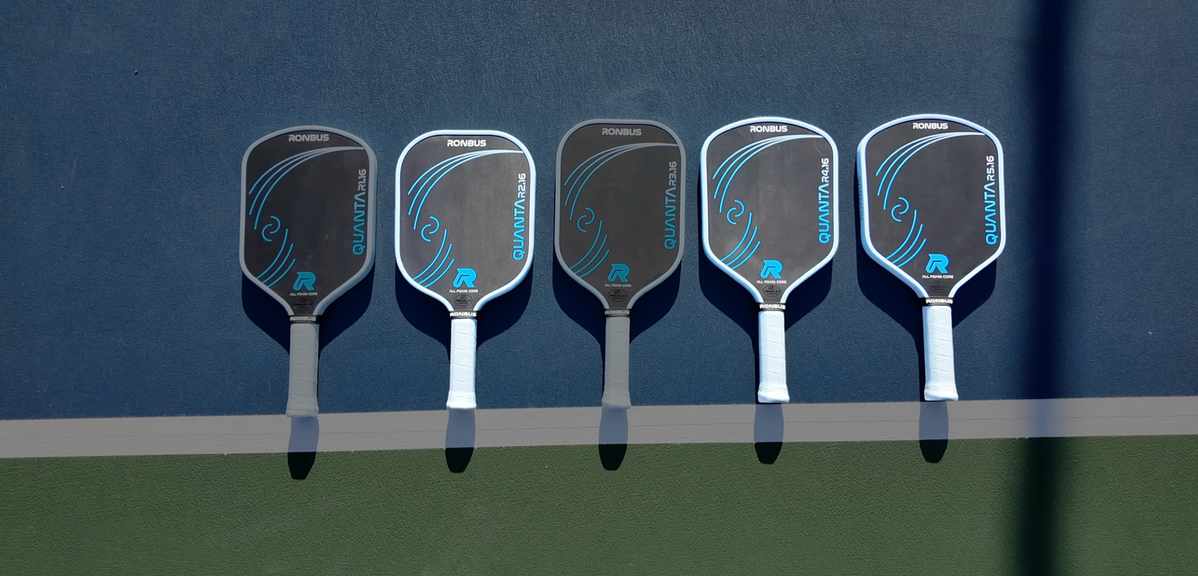
Thick Core (16mm+): A thicker core absorbs more energy from the ball. This translates to greater control, a softer feel, and a more forgiving response on off-center hits. It's a fantastic choice for players focused on the short game and dinking.
-
Thin Core (11mm-14mm): A thinner core provides more power and "pop" because less energy is absorbed on impact. The ball comes off the face faster, but these paddles are generally less forgiving and have a smaller sweet spot.
Budget: What Should You Expect to Spend?
Finally, let's talk about price. You don't need to break the bank to get a great paddle, but understanding the price tiers helps you know what you're getting for your money. Your budget is a practical part of what to look for when buying a pickleball paddle.
-
Beginner Paddles ($40 – $70): In this range, you'll find basic wooden paddles or simple composite models. They are perfect for trying out the sport without a big financial commitment.
-
Intermediate Paddles ($70 – $150): This is the sweet spot for most players. Here you'll find high-quality paddles with polymer cores and graphite or fiberglass faces. They offer excellent performance and durability for the price.
-
Advanced Paddles ($150+): These paddles feature the latest technology, such as raw carbon fiber for spin, thermoformed construction, and specialized core designs. They are built for competitive players seeking every possible advantage on the court.
Remember, the best paddle isn't the most expensive one; it's the one that feels right for you.
Frequently Asked Questions of what to look for when buying a pickleball paddles
What is the most important factor when choosing a pickleball paddle?
Weight is generally considered the most important factor because it directly affects power, control, and arm fatigue. Finding a weight that complements your physical strength and playing style is the best starting point.
How do I know if my pickleball paddle grip is the right size?
Use the finger test: hold the paddle and see if you can slide the index finger of your non-hitting hand snugly between your palm and fingertips. If you can, the grip is likely the correct size for you.
Should a beginner buy an expensive paddle?
No, a beginner does not need an expensive paddle. A mid-range paddle (around $70-$100) with a polymer core and a standard shape is a fantastic starting point that will serve you well as you develop your skills.
What's the difference between a graphite and a carbon fiber paddle?
Both are lightweight and strong, offering great control. Graphite provides a very crisp feel, while carbon fiber often feels slightly softer and can be engineered to produce more spin, especially in its "raw" form.
How long does a pickleball paddle last?
The lifespan of a paddle depends on how often you play. For a casual player, a quality paddle can last for several years, while a competitive player might replace their paddle every 6-12 months as the core softens and performance diminishes.
Conclusion
Choosing the right pickleball paddle doesn't have to be a daunting task. By focusing on the key factors of weight, grip size, materials, and shape, you can confidently narrow down the options. Think of your paddle as an extension of your arm; it should feel comfortable, balanced, and suited to the game you want to play. Remember what to look for when buying a pickleball paddle is about matching the equipment to the player, not the other way around.
Now that you're armed with this knowledge, try to demo a few paddles at your local court if possible. There's no substitute for feeling how a paddle performs in your own hands. Go find the paddle that will help you fall even more in love with this amazing sport. We'd love to hear in the comments which features are most important to you