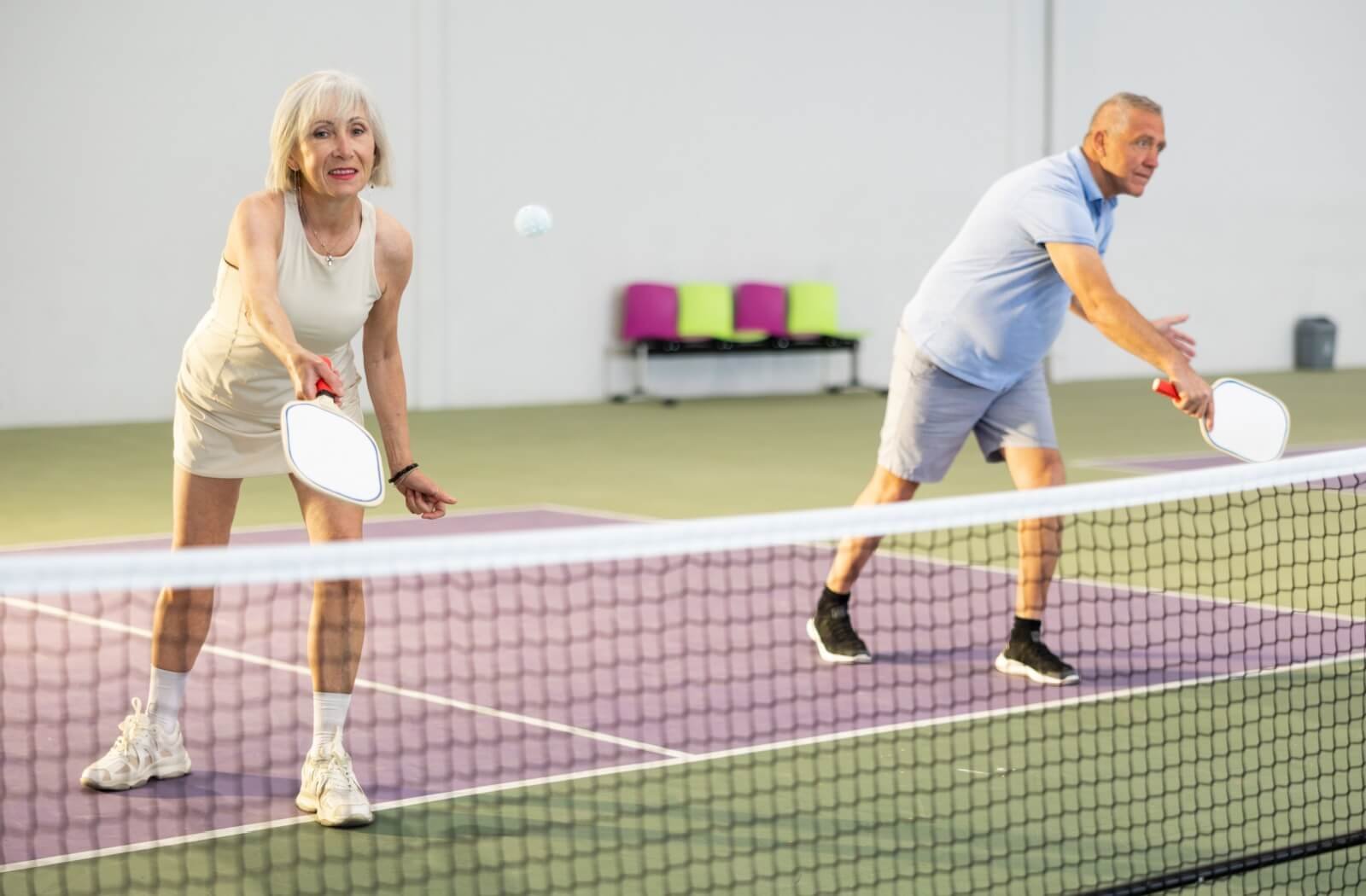
No, in pickleball doubles, you only serve diagonally; after that, you can hit the ball anywhere on your opponent's court.
Welcome to the wonderful world of pickleball! If you're just starting, the court can feel like a confusing grid of lines and boxes. You might be asking yourself, "when 2 people play pickleball do they need to hit in the same court they are standing in?" It's one of the most common questions I hear from new players, and you've come to the right place for a clear answer. As someone who has spent countless hours on the court, both learning the ropes and teaching others, I can tell you that understanding this simple rule is the key to unlocking the game's strategy and fun. This guide will break down exactly where you need to hit the ball and when, so you can step onto the court with confidence.
The Core Rule: It’s All About the Serve and Return
The confusion about where to hit the ball usually comes from the first two shots of every rally: the serve and the return. These initial shots have very strict rules about placement. Think of them as the formal handshake before the real conversation begins. After this initial exchange, the game opens up completely.
So, the short answer to "when 2 people play pickleball do they need to hit in the same court they are standing in" is no, not for the whole game. The restriction only applies to the serve and the return of serve. Once those two shots are complete, any player can hit the ball to any spot on the other side of the net. This shift from strict rules to open play is what makes pickleball so dynamic and exciting.

Decoding the Pickleball Serve: Your First Shot Matters Most
The serve is the most controlled and rule-bound shot in pickleball. It kicks off the point, and doing it correctly is crucial. It’s where the concept of hitting to a specific box is most important.
Serving Diagonally is Non-Negotiable
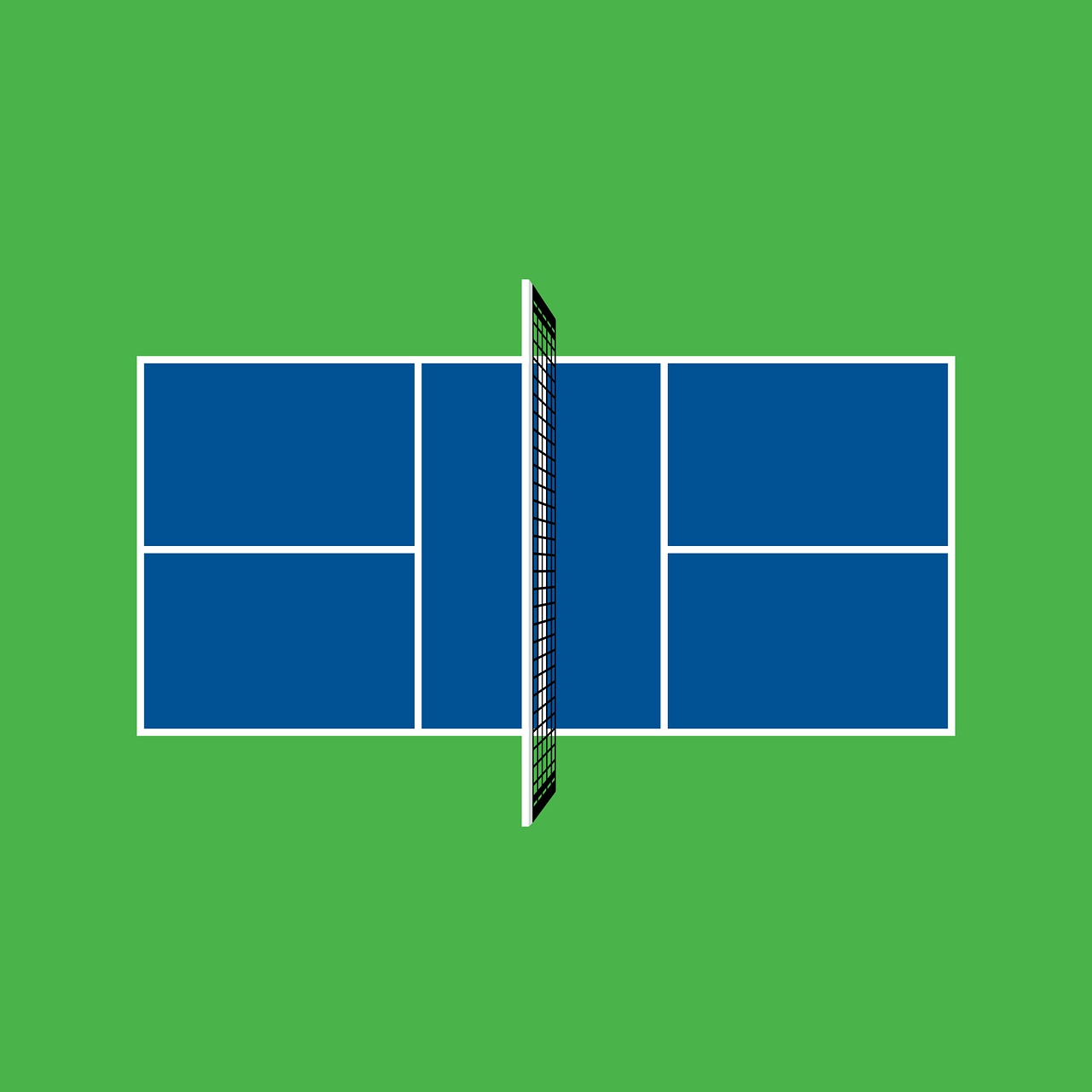
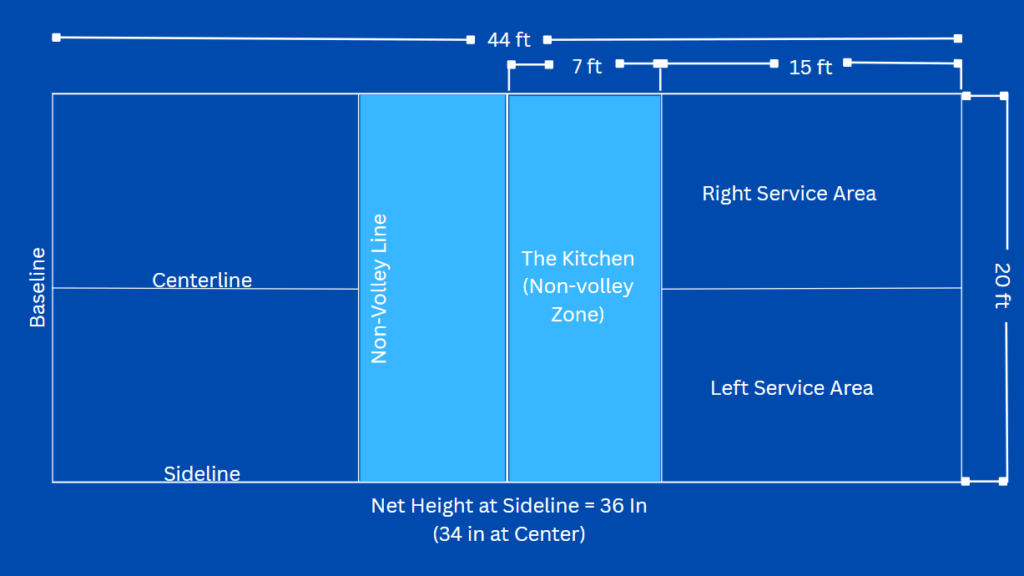
When you are serving, you must hit the ball cross-court into the service box that is diagonal from you. If you are standing on the right side of your court (the even side), you must serve to your opponent's right service box. If you are on the left side (the odd side), you must serve to your opponent's left service box. The ball must land inside this box, not on the non-volley zone line (kitchen line), to be a valid serve.
I remember my first few games were filled with "foot fault!" or "wrong box!" calls from friendly opponents. It felt a little embarrassing, but that's how you learn. The key is to aim for that diagonal square. This specific target is a fundamental part of understanding when 2 people play pickleball and if they need to hit in the same court they are standing in. The answer for the serve is a definite yes, but only to the diagonal court.
Who Serves and From Where?
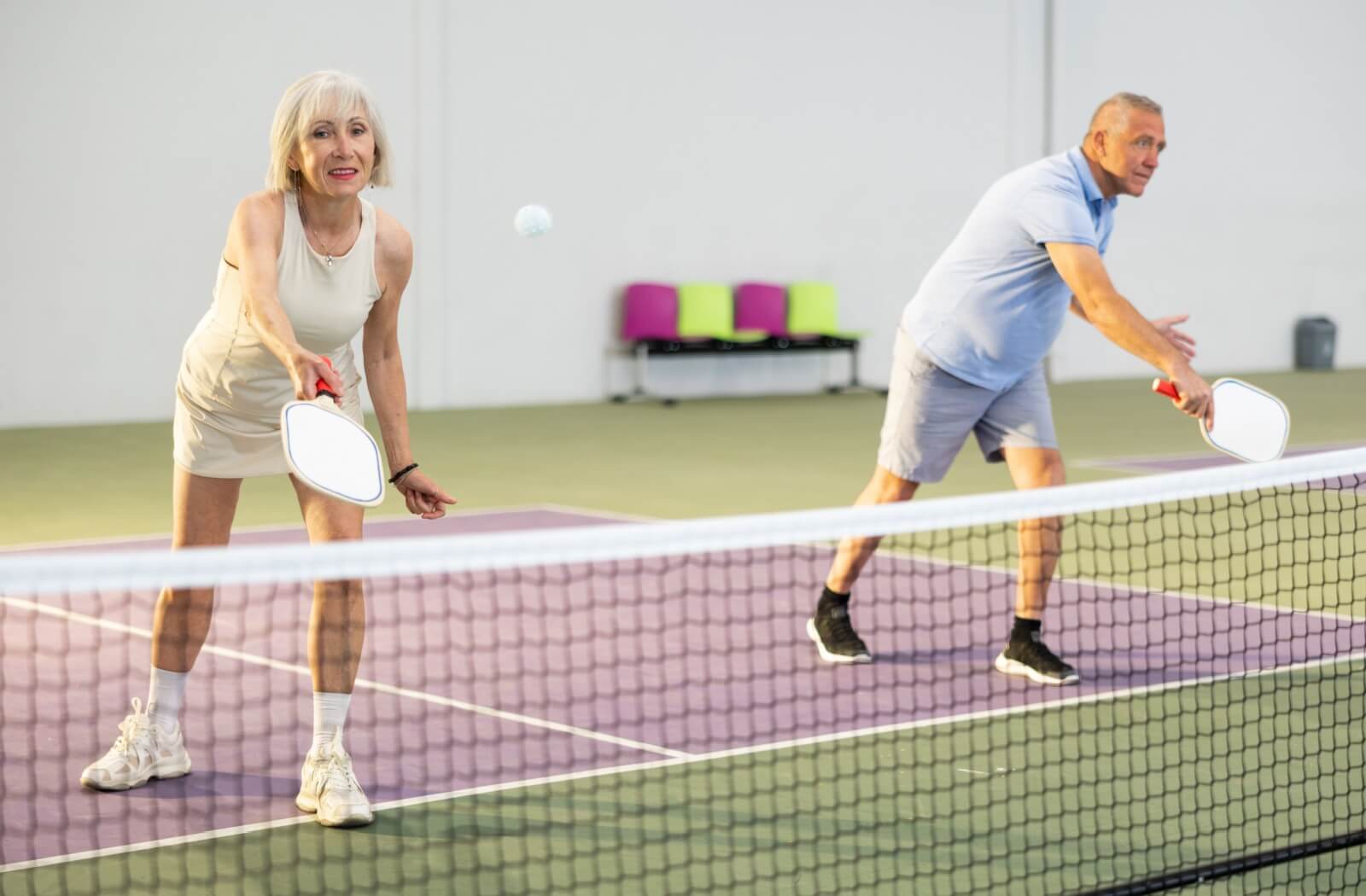
In doubles, the game always starts with the server on the right-hand side of the court, also known as the "even" court. They will serve from this position as long as their team keeps scoring points. After each point won, the server switches to the left-hand side (the "odd" court) and serves to the diagonal box from there. This alternating pattern continues until their team loses a rally.
The Return of Serve: The Receiver's One Job
Just as the server has a specific target, the receiver has a specific job. Only one player on the receiving team is allowed to hit the return of serve. This is where the court positioning really matters.
The player standing in the service box diagonal to the server is the only person who can legally return the serve. If their partner, who is standing in the other service box, hits the ball, it's a fault, and the serving team wins the point. This rule prevents confusion and ensures that the rally starts in a structured way.
This is another area where new players often get tripped up. It’s tempting to jump in and help your partner if a serve comes their way, but you have to let them take that first return. This specific rule helps clarify the question of when 2 people play pickleball do they need to hit in the same court they are standing in; for the return, the answer is yes, the designated receiver must hit it.
Open Play: The Fun Begins After the Third Shot
Now for the fun part! After the serve has been hit and the designated receiver has returned it, the game completely opens up. This is the moment the strict positioning rules dissolve and free-flowing pickleball begins.
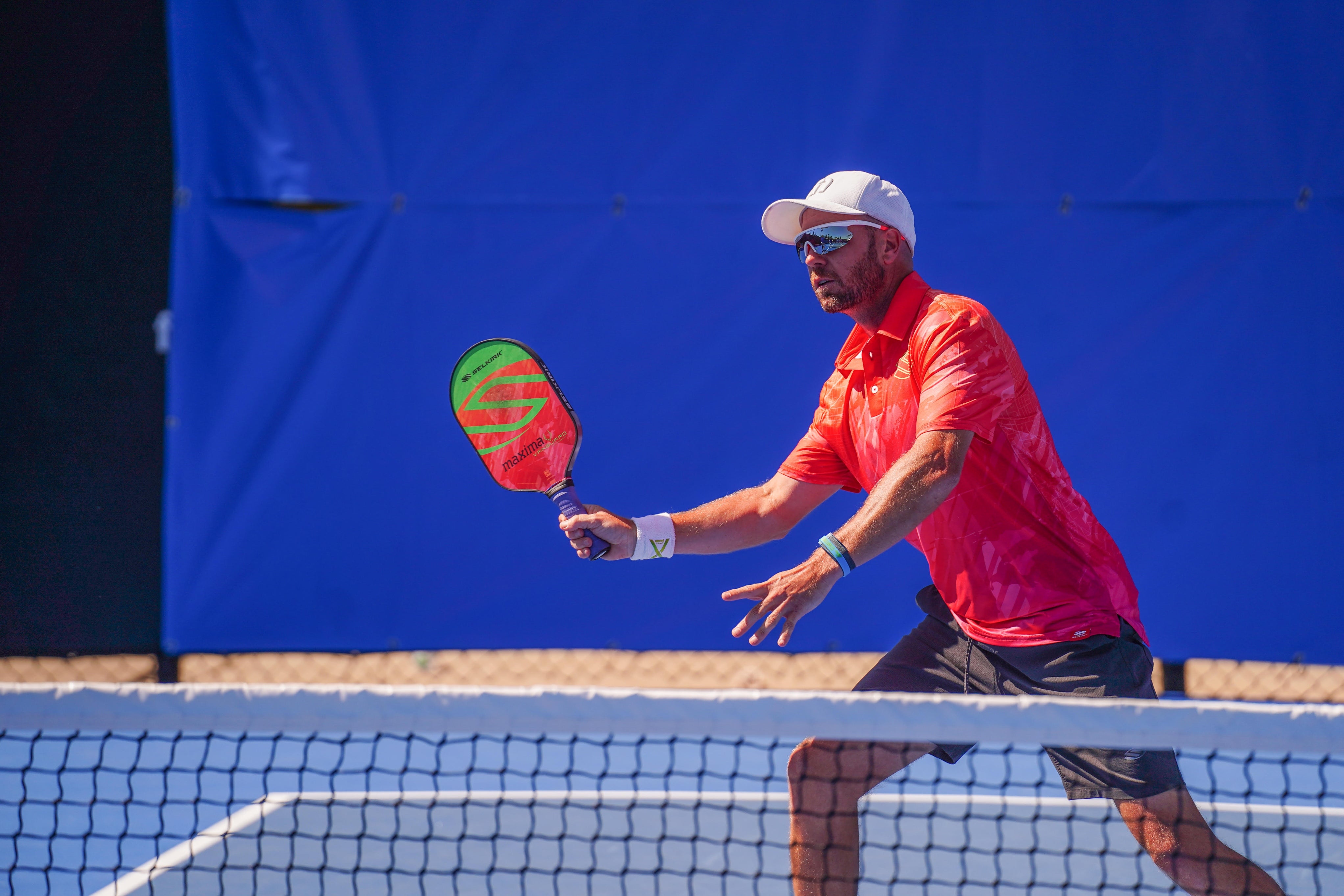
From the third shot onward, any player can hit the ball, and they can hit it anywhere they want on the opponent's side of the court (as long as it's in bounds). You can hit it to the player in front of you, cross-court to their partner, or right down the middle to cause confusion. This is where strategy comes into play. You are no longer restricted to hitting into a small box.
So, during a rally, the answer to "when 2 people play pickleball do they need to hit in the same court they are standing in" is a clear no. The entire court is your target. This is your chance to move your opponents around, find their weaknesses, and set up your winning shots.
Common Mistakes Beginners Make With Court Positioning
Watching new players, I often see the same few mistakes related to court positioning and shot placement. Being aware of these can help you avoid them and play a much smoother game.
- The Wrong Player Returns: The most common error is when the incorrect player returns the serve. Remember, only the player diagonal to the server can hit it back.
- Serving to the Wrong Box: Always double-check where you are standing and serve to the diagonal court. It's a simple mistake that gives away a free point.
- Forgetting to Switch: The serving team switches sides after every point they win. The receiving team never switches sides.
- Crowding the Middle: While hitting down the middle is a good strategy, sometimes partners can get in each other's way. Communication is key to deciding who takes the middle shots.
Avoiding these simple errors will make your games more enjoyable and competitive. The rules might seem tricky at first, but after a few games, they become second nature.
Frequently Asked Questions
Can my partner stand anywhere on the court during the serve?
Yes, your partner can stand anywhere they want, even outside the court lines. However, they typically stand at their own non-volley zone line to be ready for the rally.
What happens if the serve hits the net and goes into the correct box?
This is called a "let" serve, and it is a perfectly legal play. The serve is considered live, and the receiving team must play the ball.
Can we switch sides with our partner during a rally?
Absolutely! Once the rally is underway (after the return of serve), you and your partner can move freely and switch sides as much as you want to cover the court and hit the ball.
Where should I stand when my partner is returning the serve?
You should stand at the non-volley zone line, ready for the third shot. This puts you in an offensive position to react quickly once the rally begins.
Does the two-bounce rule affect where I can hit the ball?
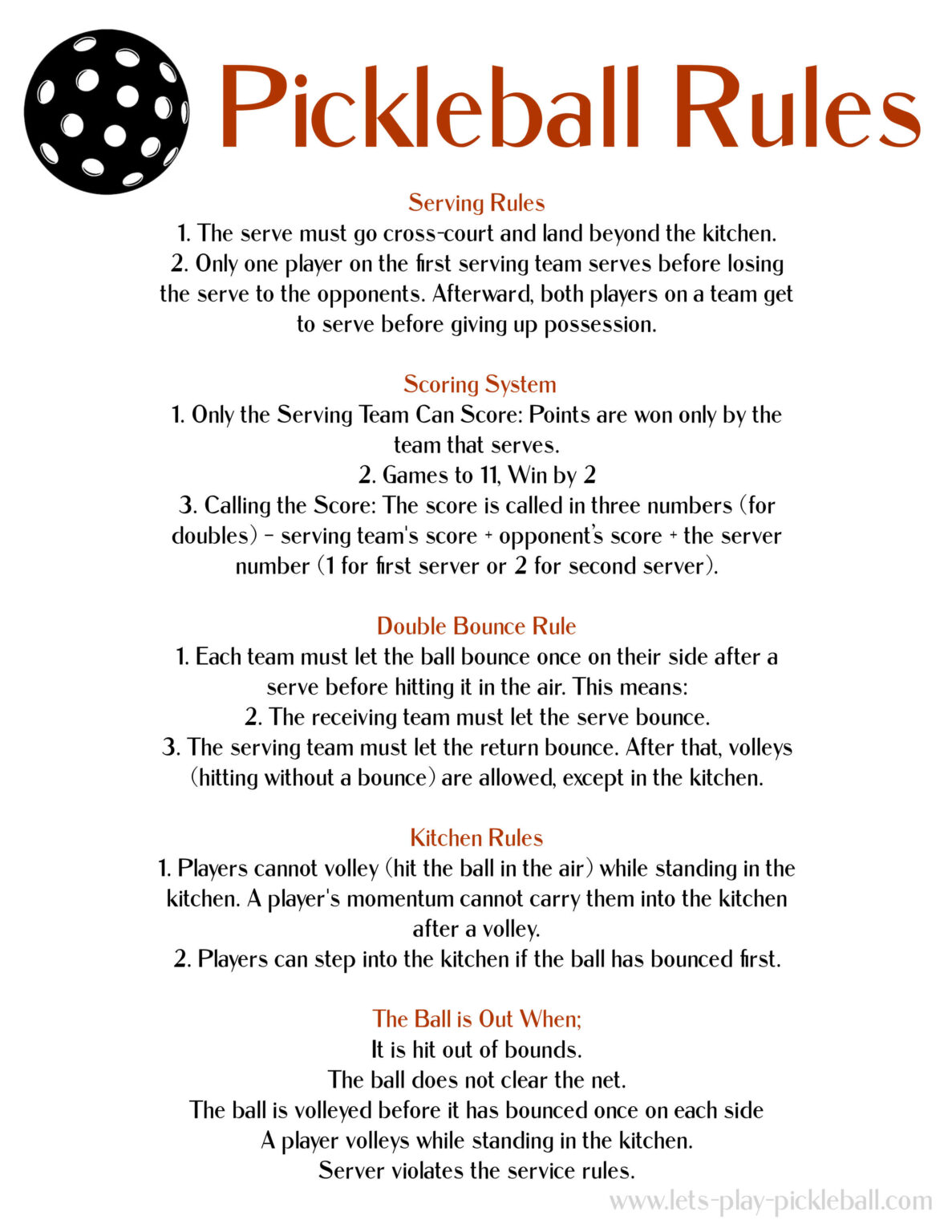
The two-bounce rule dictates that the serve must bounce and the return of serve must bounce before any player can volley (hit the ball out of the air). It doesn't change the rule that after the return, you can hit the ball anywhere on your opponent's court.
Conclusion
Mastering the rules of pickleball positioning is a game-changer. While the serve and return have strict diagonal requirements, the rest of the game is an open canvas for you and your partner to paint with clever shots and smart plays. The next time someone asks "when 2 people play pickleball do they need to hit in the same court they are standing in," you'll know the answer: only for the first two shots, and then the fun really begins.
Now that you have this knowledge, get out on the court and practice! Pay attention to your positioning on the serve and return, and then enjoy the freedom of open play. Let us know in the comments if you have any other beginner questions