Pickleball was created in 1965 on Bainbridge Island, Washington, by three dads.
If you have asked when was pickleball created, you are not alone. I have studied its roots, played for years, and taught new players across ages. In this guide, I break down the story, the timeline, and the myths. You will get a clear answer to when was pickleball created and how it grew from a backyard idea to a global sport.
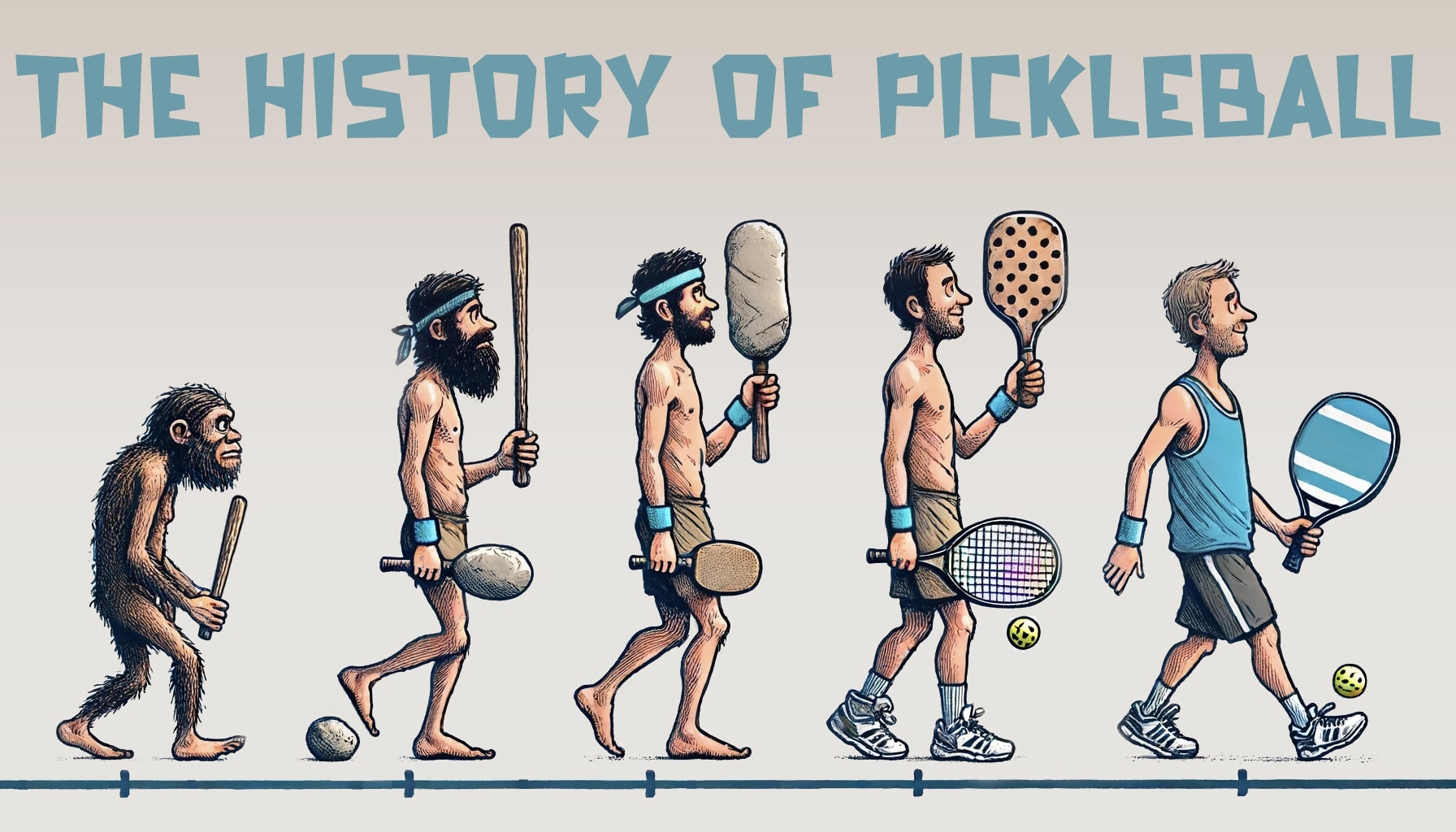
The Birth of Pickleball in 1965
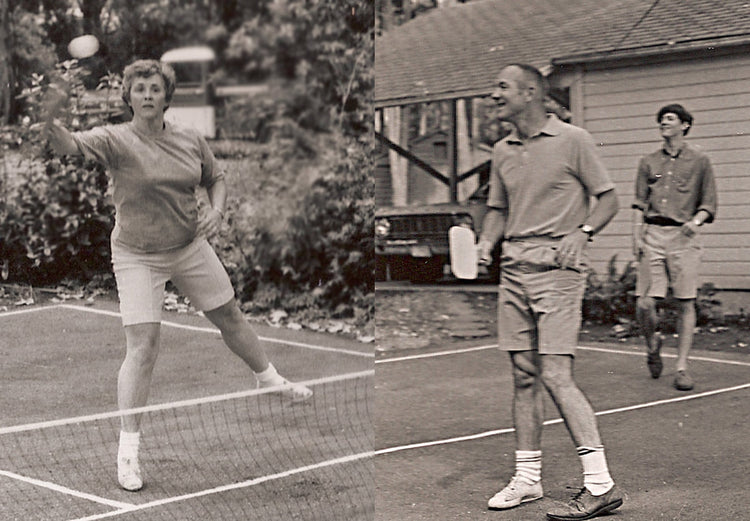
So, when was pickleball created? It began in the summer of 1965 on Bainbridge Island near Seattle. Joel Pritchard and Bill Bell wanted a simple game for their families. They used a badminton court, borrowed ping-pong paddles, and a plastic ball. Neighbor Barney McCallum soon joined, and they shaped the first rules.
They lowered the net and aimed for long rallies, not power. The goal was fun and access for all ages. When was pickleball created is a simple question, but its start was a warm family story. That spirit still guides the sport.

Why and How the Game Started
The founders wanted a game that anyone could jump into on day one. That meant a smaller court, a slow plastic ball, and clear, simple rules. They also added the non-volley zone to keep players from smashing at the net all the time.
When was pickleball created is tied to a need for family play. The original rules rewarded control over strength. That choice made the game friendly to kids, parents, and grandparents.

The Name: Why “Pickleball”?
There are two main stories. One says the name came from a family dog, Pickles, who chased the ball. The other points to a “pickle boat,” a crew term for a boat of mixed rowers. The founders’ family has noted both, and the dog joined the family after the game started.
The pickle boat tale likely came first, and the dog story helped the name stick. Either way, the name is part of the charm. When was pickleball created is clear, but why it is called pickleball will always spark friendly debate.

A Simple Timeline of Growth
- 1965: Pickleball is created on Bainbridge Island by Pritchard, Bell, and McCallum.
- 1967: The first permanent pickleball court is built on Bainbridge Island.
- 1976: The first known tournament is held in Washington State.
- 1984: A national group forms and publishes the first official rulebook.
- 2000s: Public parks and schools add courts across the country.
- 2009: The first national championship draws players from many states.
- 2020s: Media, parks, and clubs fuel a major boom with millions of players.
People often ask when was pickleball created because the growth feels so new. But the roots go back to 1965, and the path shows steady steps over time.
Rules, Court, and Gear: What Changed
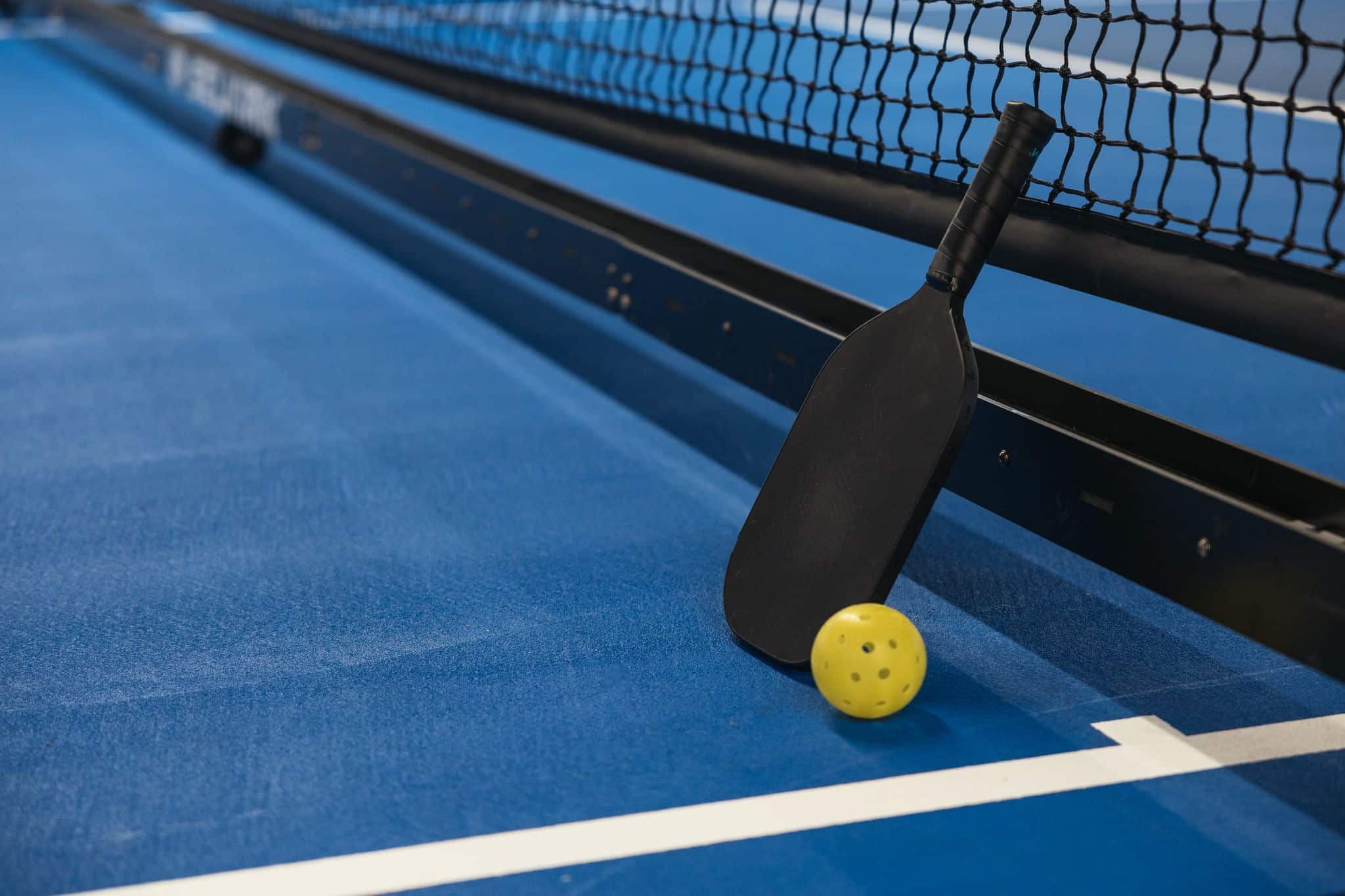
The court size stayed close to badminton, at 20 by 44 feet. The non-volley zone, known as the kitchen, sits seven feet from the net on both sides. Two key rules define play: the double-bounce rule and the non-volley rule. These keep points fair and long.
Gear evolved a lot. Wood paddles gave way to composite faces and polymer cores. Balls now vary for indoor and outdoor play. When was pickleball created matters, but how the gear changed explains why play today is faster and more precise.
Quick tips to start strong:
- Choose a light to midweight paddle for better control.
- Wear court shoes for grip and safe stops.
- Learn the dink and soft game before power shots.
- Call the score loud so everyone tracks the point.
Source: ppatour.com
Why It Took Off: Culture and Media
The sport is easy to learn and social by design. You can get good rallies in your first hour. The small court invites talk, laughs, and quick rematches. Parks can paint lines on old tennis or badminton surfaces, which speeds growth.
Reports show strong year-over-year growth in the 2020s. Media, pro tours, and community clubs helped push it into the spotlight. When was pickleball created might surprise new fans, since the sport feels fresh. The core idea still wins: simple rules, shared fun, and steady play.

My Experience and Tips for New Players
I started playing after a friend dragged me to a local gym. I tried to swing like tennis and lost point after point. A patient player showed me the soft game. Once I slowed down and aimed for the kitchen, I felt in control.
My go-to lessons learned:
- Start at the kitchen line and hold it when you can.
- Aim for consistency over winners.
- Use a loose grip for better touch and control.
- Keep serves deep and returns deeper.
- Warm up your feet, not just your arm.
When was pickleball created comes up a lot when I teach beginners. I share the 1965 story to highlight that this game began for families. That tone helps people relax, learn, and enjoy the ride.

Frequently Asked Questions of when was pickleball created
What year was pickleball invented?
Pickleball was invented in 1965. The founders created it on Bainbridge Island in Washington State.
Who invented pickleball?
Joel Pritchard, Bill Bell, and Barney McCallum shaped the first rules. They built a game that fit the whole family.
Where was pickleball first played?
The game started on Bainbridge Island, near Seattle. It began on a backyard badminton court.
Why is it called pickleball?
Some say it came from a family dog named Pickles. Others trace it to pickle boat, a crew term for mixed teams.
When did pickleball become popular?
It grew slow at first, then exploded in the 2010s and 2020s. Today it has millions of players and strong media attention.
What was the first official rulebook?
A national group released the first rulebook in 1984. The rules set court size, the kitchen, and the double-bounce rule.
Is pickleball only big in the United States?
No. It is growing in Canada, Europe, and Asia. New clubs and national groups launch each year.
Conclusion
Pickleball was born in 1965 to bring families together, and that spirit still leads the game. You now know when was pickleball created, who built it, and how it grew. The rules reward control, patience, and teamwork.
Grab a paddle, find a local court, and try a few dinks at the kitchen line. Share the 1965 story with a friend and invite them to play. Want more? Subscribe for guides, drills, and gear tips, or drop a comment with your own first-game story.