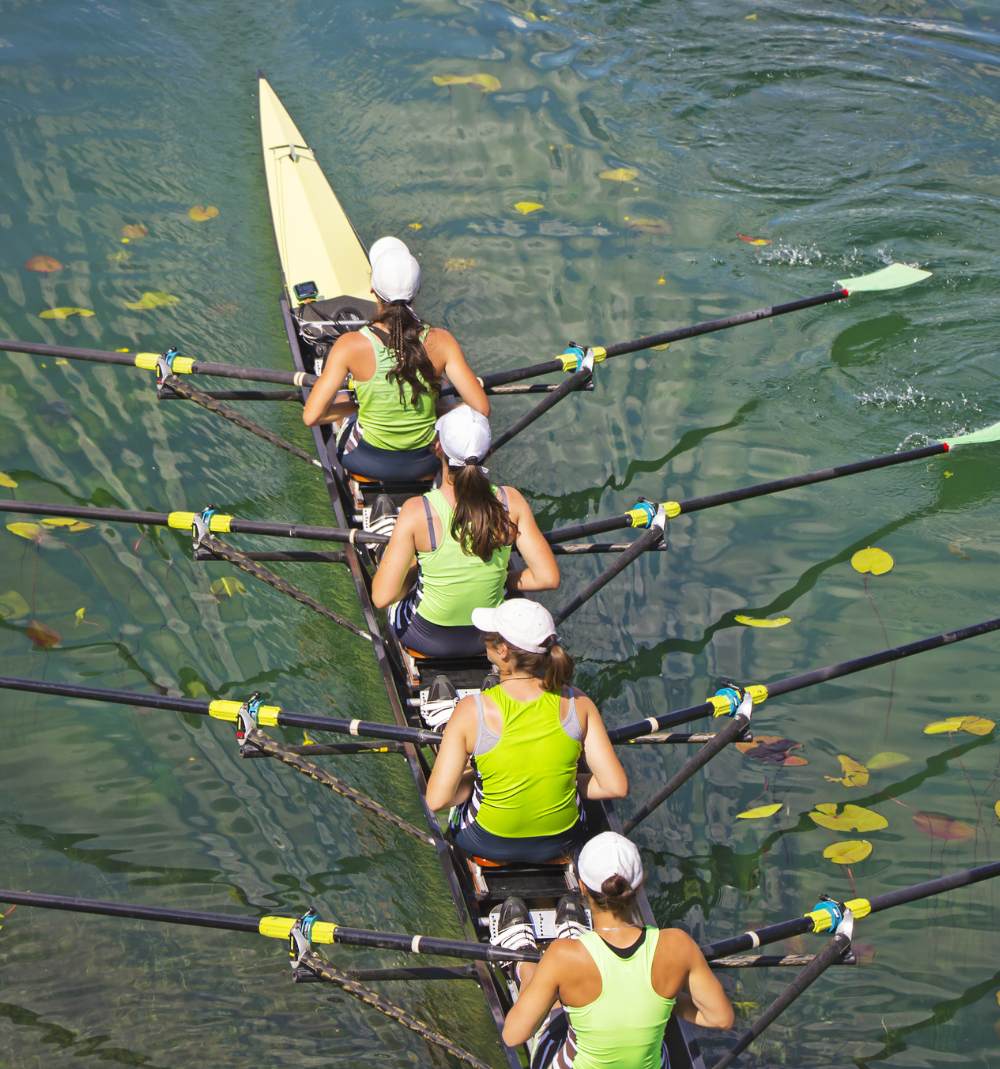
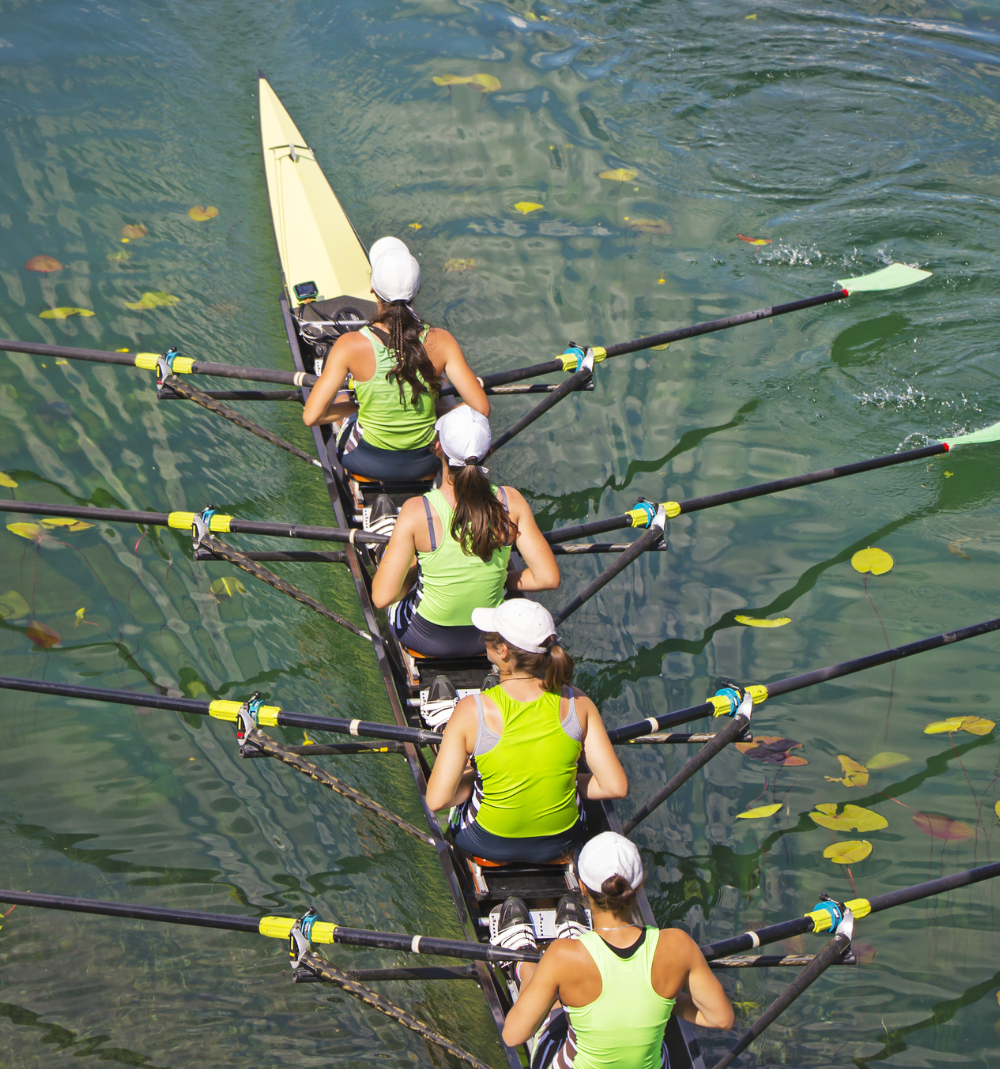
The term 'pickle boat' likely originated from the last fishing boat returning to port with its 'pickled' catch. Have you ever been at a rowing regatta and heard a crew being affectionately called the "pickle boat"? It’s a term that floats around the docks with a mix of humor and respect, but few know its fascinating origins. As someone who has spent countless hours by the water, I've always been intrigued by the unique language of sailors and rowers. Understanding why is it called a pickle boat is more than just a fun fact; it’s a dive into a rich history that connects hardworking fishermen to modern-day athletes. This article will unpack the stories behind the name, exploring its journey from the salty seas to the finish line of a regatta.

The Historical Roots: From Fishing Fleets to Rowing Regattas
The most widely accepted story behind why is it called a pickle boat takes us far from the race course and out to the cold, open sea. Imagine the great fishing fleets of the past, like those off the coast of New England or in the North Sea. These fleets would spend days or even weeks at sea, catching fish to bring back to port. To preserve their haul, they used a process of salting and brining—essentially pickling the fish in barrels.
The boat that took the longest to fill its hold or faced the most challenges was always the last one to return. By the time this straggler vessel made it back to the docks, its catch was thoroughly pickled. This last boat became known as the "pickle boat." It wasn't a mark of shame but a simple fact of the trade. It was the boat that endured the longest journey to complete its task.
Over time, this nautical term was adopted by the rowing community. The analogy was perfect. In a regatta, the last boat to cross the finish line is the one that has been on the water the longest, just like the fishing boat. The term transferred seamlessly, capturing that same spirit of a long, hard-fought journey, even if it ended at the back of the pack. So, when people ask why is it called a pickle boat, the answer starts with fishermen, not rowers.

A Term of Endearment in the Rowing World
While coming in last might sound disappointing, the term "pickle boat" in rowing is often used with a sense of endearment and respect. It acknowledges the crew that refused to give up. Anyone who has rowed knows the sheer exhaustion of a race; completing it, regardless of your position, is a significant accomplishment. The pickle boat crew embodies the spirit of perseverance.
I remember my first major regatta. Our boat was a mismatched crew of novices, and we were hopelessly outpaced from the start. We crossed the finish line a full minute after everyone else. But as we rowed back, we heard cheers for the "pickle boat." It wasn't mocking; it was a genuine celebration of our grit. That experience taught me that the term isn't an insult, but a badge of honor for finishing what you started.
This shared understanding is part of what makes the rowing community so special. It’s a nod to the fact that everyone has been in that position at some point. It builds camaraderie and reinforces the idea that the true victory is in the effort, not just the result. Understanding this cultural context is key to knowing why is it called a pickle boat and what it truly means.

Are There Other Theories? Exploring the "Pickle Barrel" Connection
While the fishing fleet story is the most popular explanation for why is it called a pickle boat, a few other theories also circulate among rowers. One interesting idea connects the term to the old phrase "to be in a pickle," which means to be in a difficult or awkward situation. Finishing last in a race could certainly be described as being "in a pickle," making this a plausible, if less documented, origin.
Another compelling theory involves the "pickle barrel." In the past, a pickle barrel at a general store was often a hodgepodge of different preserved items. Similarly, in rowing clubs, a "pickle boat" is sometimes a crew made up of leftover rowers who couldn't find a spot in the primary boats for a competition. This scratch crew, a jumble of different athletes, mirrors the mixed contents of a pickle barrel.
Both of these theories offer a different lens through which to view the term. However, the historical evidence and maritime tradition strongly support the fishing boat origin. The story of the last boat home with its preserved catch has a depth and logic that resonates most strongly within the nautical and rowing worlds, providing the clearest answer to why is it called a pickle boat.
Frequently Asked Questions
Is being in the pickle boat a bad thing?
Not at all. In the rowing community, being the "pickle boat" is seen as a sign of perseverance and toughness. It's a term of respect for the crew that finished the race, no matter how long it took.
What sport uses the term 'pickle boat'?
The term is primarily used in the sport of rowing, also known as crew. It has also been used in sailing and other boat races to describe the last-place finisher.
Does the term have anything to do with pickleball?
No, there is no connection between the "pickle boat" and the sport of pickleball. The name "pickleball" has its own separate and interesting origin story, reportedly involving a family dog named Pickles.
How did the term transfer from fishing to rowing?
The term likely transferred through the shared maritime culture of sailors and early rowers in the 19th and early 20th centuries. The analogy of the last boat to finish a long journey on the water was a natural fit for rowing regattas.
Are there similar terms in other sports?
Yes, other sports have similar terms. For example, in cycling's Tour de France, the last-place rider is called the "lanterne rouge" (red lantern), a reference to the red light on the back of a train.
Conclusion
The story of the pickle boat is a wonderful example of how language evolves, carrying traditions from one world to another. From the hardy fishing fleets of the past to the determined rowing crews of today, the term has always symbolized endurance over speed. Understanding why is it called a pickle boat reveals a deep respect for the simple act of finishing what you start, a lesson that applies far beyond the water.
So the next time you're at a regatta, listen for the cheers for the last boat crossing the line. You’ll now know the rich history behind their affectionate title. Why not share this story with your crewmates or leave a comment below with your own pickle boat experiences?