It comes from a “pickle boat” joke in rowing, not the family dog.
Curious minds still ask why is pickle ball called pickle ball. I’ve coached beginners and worked with clubs on their welcome scripts, and this one question always pops up. Here, I’ll unpack the stories, the facts, and the fun behind the name. If you’ve wondered why is pickle ball called pickle ball, you’ll leave with a clear, shareable answer that also honors the sport’s roots.

The origin in plain English
Pickleball began on Bainbridge Island, Washington, in 1965. The founders mixed rules and gear from other sports to entertain their families. The name was a nod to a “pickle boat,” a rowing term for a crew made from leftovers. That is the simple answer to why is pickle ball called pickle ball.
Media later amplified a dog story. It made for a cute hook, but the dog came after the game. The family’s own accounts point first to the rowing link. That core insight is key when someone asks, why is pickle ball called pickle ball.

The two stories you will hear on court
You will hear two tales on why is pickle ball called pickle ball. One says the Pritchards had a dog named Pickles who chased balls. The other says the name came from “pickle boat,” the mixed crew, since the game used mixed parts.
Family interviews, early club notes, and national records back the pickle boat story. The dog was beloved, but arrived later and was named after the game. The dog story spread because it is fun to tell. It also fits the sport’s playful vibe, which is why it stuck in casual talk.

What the founders actually said
Joan Pritchard explained that “pickle boat” inspired the name. The family mixed badminton, tennis, and ping-pong ideas. That mix felt like a leftover crew, so the name fit.
Later, the Pritchards did have a dog named Pickles. He did chase balls. But he was named after the game. Archival interviews and organizational histories line up on this point. When I coach, I say both stories, but I stress the rowing root. That keeps the record straight and still lets people smile.

A quick timeline you can retell
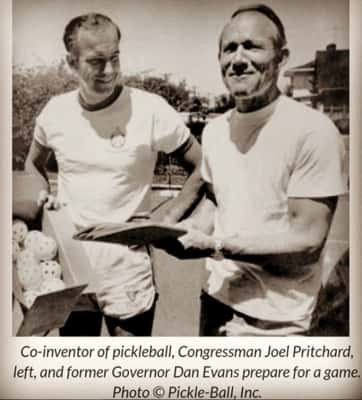
- 1965: Joel Pritchard, Bill Bell, and Barney McCallum set up a game on Bainbridge Island.
- 1965–1966: Rules form by trial and error. A lower net, a kitchen, and a plastic ball.
- 1966–1968: The name “pickleball” gains use. The family later gets a dog named Pickles.
- 1970s: Local press and clubs spread the game.
- 1980s and beyond: National organizations, official rules, and tournaments appear. Growth spikes after 2019.
This timeline helps you explain why is pickle ball called pickle ball in seconds: the game came first, the name came from “pickle boat,” and the dog came later.

Why the name works so well in marketing and culture
Pickleball sounds light and friendly. It lowers the fear of trying a new sport. It is easy to say, easy to spell, and easy to remember. That helps clubs grow.
The odd name also invites a story. People ask, why is pickle ball called pickle ball, and you get a chance to hook them with history. Brands lean on that charm for shirts, clinics, and social posts. A playful name fits a sport that welcomes all ages and speeds.
Common myths to avoid when you explain it
- The sport is not named after pickled cucumbers. There is no brine in the backstory.
- The balls were not soaked in pickle juice. The wiffle-style ball was chosen for bounce and control.
- The dog did not name the game. The dog came later and was named after the game.
- The name is not random. It ties to the “pickle boat” idea of mixed parts.
Clearing these up answers why is pickle ball called pickle ball with care and accuracy.
.webp)
Practical tips to share the story at your club or clinic
- Lead with one line: When asked why is pickle ball called pickle ball, say it comes from “pickle boat,” a rowing term for a mixed crew.
- Add a fun footnote: The founders later had a dog named Pickles who chased balls.
- Keep it short: Use the word “mix.” The game mixed gear and rules, like a mixed crew.
- Use visuals: A quick slide with a boat icon and a paddle helps the story stick.
- Invite a smile: Let the dog story live as a charming extra, not the cause.
I have seen this script calm debates and boost trust. It keeps the legend and the facts in balance.
Frequently Asked Questions of why is pickle ball called pickle ball
Is it pickleball or pickle ball?
Both show up online, but pickleball is standard in rulebooks. Searches for why is pickle ball called pickle ball often use the two-word form.
Did the dog Pickles name the sport?
No. The dog came after the game and was named after it. The rowing “pickle boat” idea is the original source.
What does pickle boat mean in rowing?
It is a crew made from leftover rowers. The founders felt their new game was built from leftover sports parts.
Why do people still tell the dog story?
It is cute and easy to remember. Media liked it, so it spread, even though records point to the rowing origin.
Does the name affect the sport’s growth?
Yes. A playful name lowers barriers and sparks talk. Many people try a game they can laugh about and share.
How should I answer new players fast?
Say the name comes from “pickle boat,” a mixed crew in rowing. Add that the family dog named Pickles came later.
Conclusion
The name pickleball began as a clever nod to a mixed “pickle boat,” not a jar of pickles or a ball-chasing dog. Telling both parts—the rowing root and the later family pet—keeps the story honest and fun. The next time someone asks why is pickle ball called pickle ball, you can answer in one clear line and spark a great chat.
Use this story at open play or your next clinic. It builds trust and gives newcomers a reason to smile. Want more deep dives like this? Subscribe, share this guide with a friend, or drop your own court stories in the comments.