Wooden pickleball paddles are affordable, durable, and perfect for beginners learning the basics of the game.
As someone who has spent countless hours on the court, I've seen the evolution of pickleball gear firsthand. Yet, there’s a timeless appeal to the classic wooden pickleball paddles that started it all. If you're curious about whether these old-school paddles still have a place in today's game or if they're the right choice for you, you've come to the right place. We're going to dive deep into everything you need to know about wooden pickleball paddles, from their history to who should be using them today.

The Enduring Charm of Wooden Pickleball Paddles
There’s something special about holding a wooden pickleball paddle. It connects you to the roots of the sport, which began in 1965 with simple, handmade equipment. These paddles were the original tool of the trade, crafted from plywood and used by the founders of pickleball themselves. They represent the simple, fun-loving spirit of the game.
Today, while composite and graphite paddles dominate the market, wooden pickleball paddles have not disappeared. They remain a popular choice for schools, community centers, and families looking for a low-cost way to enjoy the sport. Their sturdy construction means they can handle the bumps and scrapes of frequent use, making them a reliable option for institutional settings or casual backyard play. The nostalgia and simplicity they offer are a welcome break from the high-tech gear of modern sports.
Who Should Use a Wooden Pickleball Paddle?
The ideal user for a wooden pickleball paddle is someone new to the sport. I often recommend them to friends who just want to try pickleball without a big financial commitment. They are perfect for learning the fundamental strokes and getting a feel for the game. Because they are heavier, they can help beginners develop a smooth, controlled swing.
Wooden paddles are also fantastic for kids. Their durability means parents don't have to worry about expensive equipment getting damaged during a fun family game. Many summer camps and physical education classes rely on wooden pickleball paddles because they are budget-friendly and can withstand the rigors of group play. If you're simply looking for a paddle to hit the ball around with on a sunny afternoon, a wooden one is a practical and fun choice.

Pros and Cons: A Realistic Look at Wood
Like any piece of equipment, wooden pickleball paddles have their strengths and weaknesses. It's important to understand both sides before deciding if one is right for you. I remember feeling the distinct "thwack" of a wooden paddle, which is very different from the pop of a modern one.
The Advantages of Wooden Paddles
- Cost-Effective: They are by far the most affordable option on the market, making pickleball accessible to everyone. You can often buy a set of four wooden paddles for the price of one entry-level composite paddle.
- Durability: Made from multiple layers of wood, these paddles are tough. They can handle being dropped or scraped against the court surface without significant damage.
- Great for Learning: The weight and solid feel provide clear feedback to new players, helping them understand how their swing impacts the ball.
The Disadvantages to Consider
- Weight: Wooden paddles are significantly heavier than their modern counterparts. This can lead to arm fatigue during longer matches and may be difficult for some players to manage.
- Small Sweet Spot: The sweet spot, or the ideal area to hit the ball, is much smaller on a wooden paddle. Mishits are less forgiving and can result in a loss of power and control.
- Limited Performance: For intermediate and advanced players, a wooden pickleball paddle lacks the power, spin, and control offered by composite, graphite, or carbon fiber paddles.

Choosing the Best Wooden Pickleball Paddle
Even though they are simple, not all wooden pickleball paddles are created equal. When you’re shopping for one, there are a few key features to keep in mind to ensure you get a quality product that feels good in your hand.
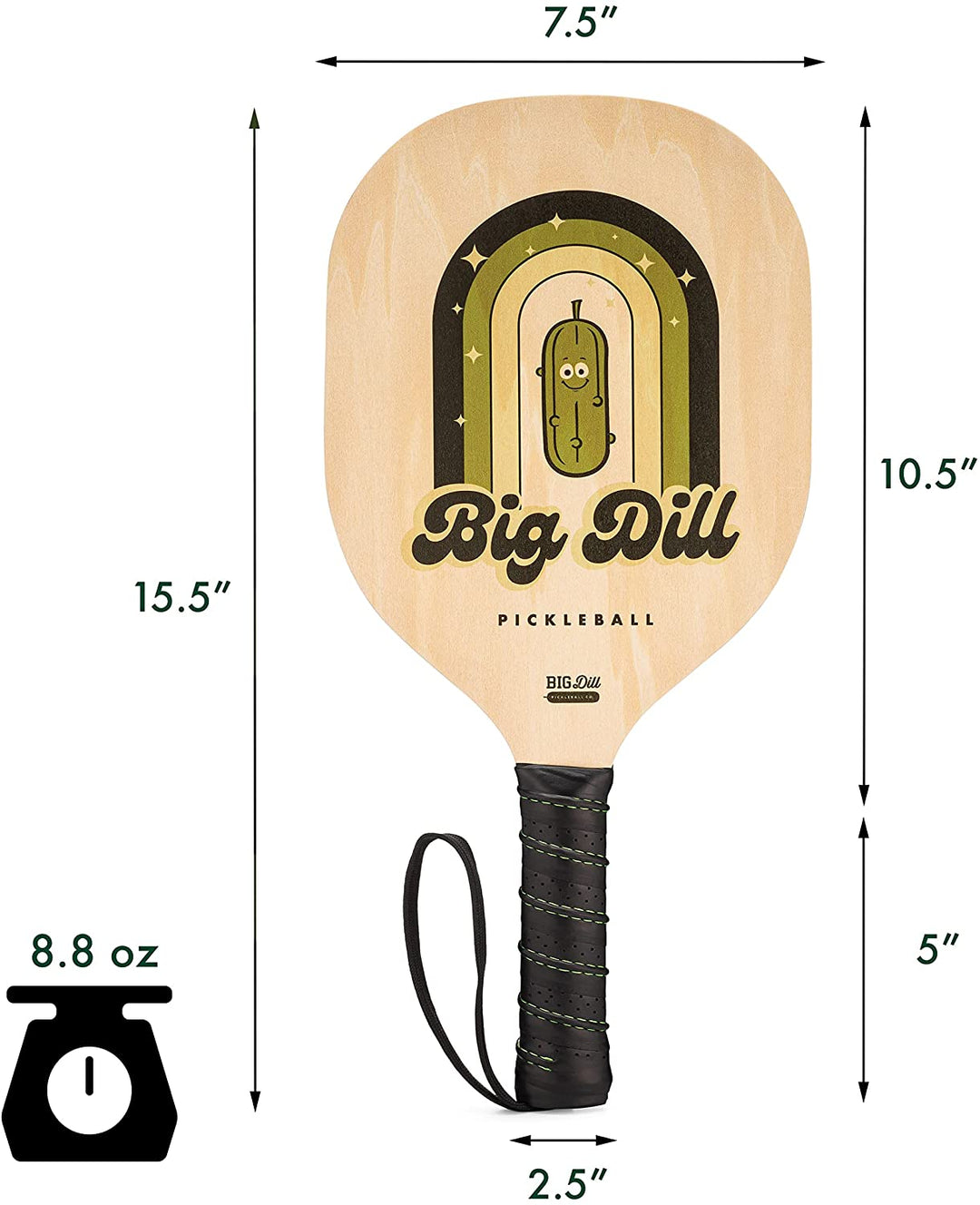
First, consider the weight. Most wooden paddles weigh between 9 and 11 ounces. A slightly lighter one might be better for kids or players concerned about arm fatigue, while a heavier one can provide a bit more power. Next, check the grip. Make sure the handle is comfortable and the grip size fits your hand. A paddle with a cushioned, wrapped grip is often more comfortable than one with a plain wood handle. Finally, look at the construction. A good wooden paddle is typically made from 7-ply maple or a similar hardwood for strength and a solid feel. A safety wrist strap is also a great feature, especially for beginners or group play.

Caring for Your Wooden Paddle
One of the best things about a wooden pickleball paddle is its simplicity, and that extends to its care. With just a little bit of maintenance, your wooden paddle can last for years of recreational fun. Proper care is straightforward but makes a big difference.
The most important thing to remember is to keep your paddle dry. Wood can warp or delaminate if it gets wet, so avoid playing in the rain and wipe it down with a dry cloth if it comes into contact with moisture. Store your paddle indoors, away from extreme heat or cold, which can also damage the wood. If the grip starts to wear out, you can easily replace it with a new overgrip, just like you would with a tennis racket.
Frequently Asked Questions of wooden pickeball paddles
Are wooden pickleball paddles good for serious players?
No, serious or competitive players will find that wooden paddles lack the performance features of modern materials. They are best suited for beginners, children, and very casual recreational play.
How much do wooden pickleball paddles cost?
Wooden paddles are very affordable, typically ranging from $10 to $20 for a single paddle. You can often find sets of two or four paddles with balls for under $50.
Can I add a different grip to my wooden paddle?
Yes, absolutely. You can easily add an overgrip to a wooden paddle to improve comfort and tackiness. This is a simple and inexpensive upgrade that can make a big difference.
Are wooden paddles approved for tournaments?
While some local, non-sanctioned tournaments might allow them, most official tournaments require paddles that meet specific material and construction standards. Wooden paddles generally do not meet these USA Pickleball approved standards.
Why are wooden paddles so heavy?
Wooden paddles are heavy because of the density of the material they are made from, which is typically layered plywood. This solid construction is what makes them durable but also adds significant weight compared to composite paddles with honeycomb cores.
Conclusion
Wooden pickleball paddles hold a cherished place in the history of the sport and continue to be a fantastic entry point for new players. Their affordability, durability, and simplicity make them an unbeatable choice for families, schools, and anyone just looking to have some fun on the court without a major investment. While they may not have the advanced technology of modern paddles, they offer everything you need to learn the game and fall in love with it.
If you're just starting your pickleball journey or want to introduce friends and family to the sport, don't hesitate to pick up a classic wooden pickleball paddle. Grab a paddle, head to a court, and experience the simple joy that started it all. Share your first pickleball experience in the comments below