
All pickleball court lines are 2 inches wide under official rules.
If you’ve wondered whether the kitchen line or baselines follow a special size, you’re in the right place. I build and stripe pickleball courts for clubs and private homes, and I’ll walk you through the exact standard, why it matters, and how to apply it right. We’ll break down all the details behind the phrase all pickleball court lines are response area inches wide so you can play, coach, or build with total confidence.
What the Rulebook Says About Line Width
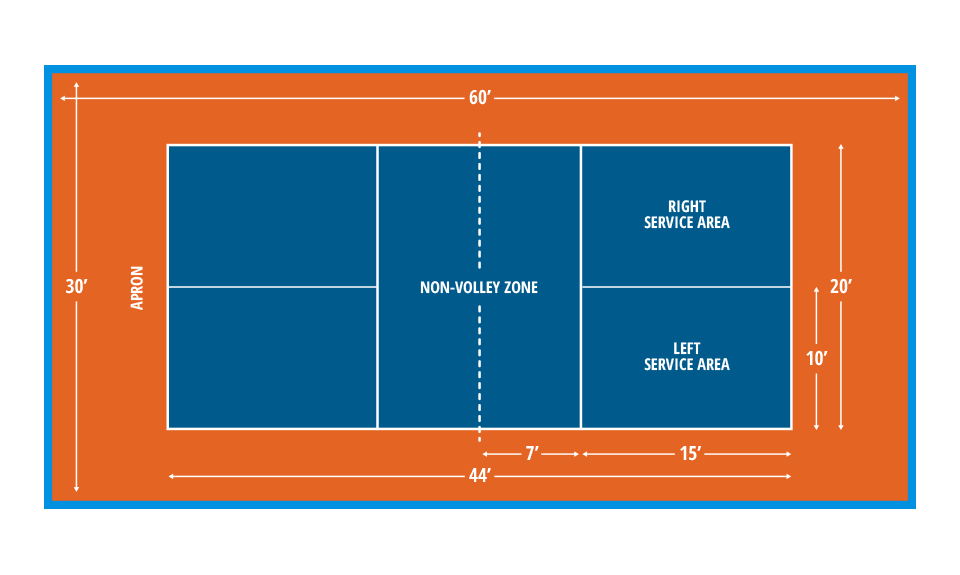
The USA Pickleball Rulebook states that every court line is 2 inches wide. That includes the baseline, sidelines, non-volley zone (kitchen) line, centerline, and service lines. A ball that touches any line is in, except a serve that clips the non-volley zone line. In practice, that means the line itself is part of the court area.
A quick metric note: 2 inches equals 5.08 centimeters. When people search all pickleball court lines are response area inches wide, they’re asking for this exact number. The answer is simple: it’s 2 inches, with no special exceptions.
Why Line Width Matters for Play and Calls
Line width affects fairness and clarity. A true 2-inch line gives players an accurate read for in or out. It also helps refs spot toe faults at the kitchen line.
Bright, consistent lines build trust during matches. If someone says all pickleball court lines are response area inches wide, they’re citing the clear standard that keeps calls clean. Wider or narrower lines can lead to disputes, especially on deep serves or tight dinks.

Full Pickleball Court Dimensions at a Glance
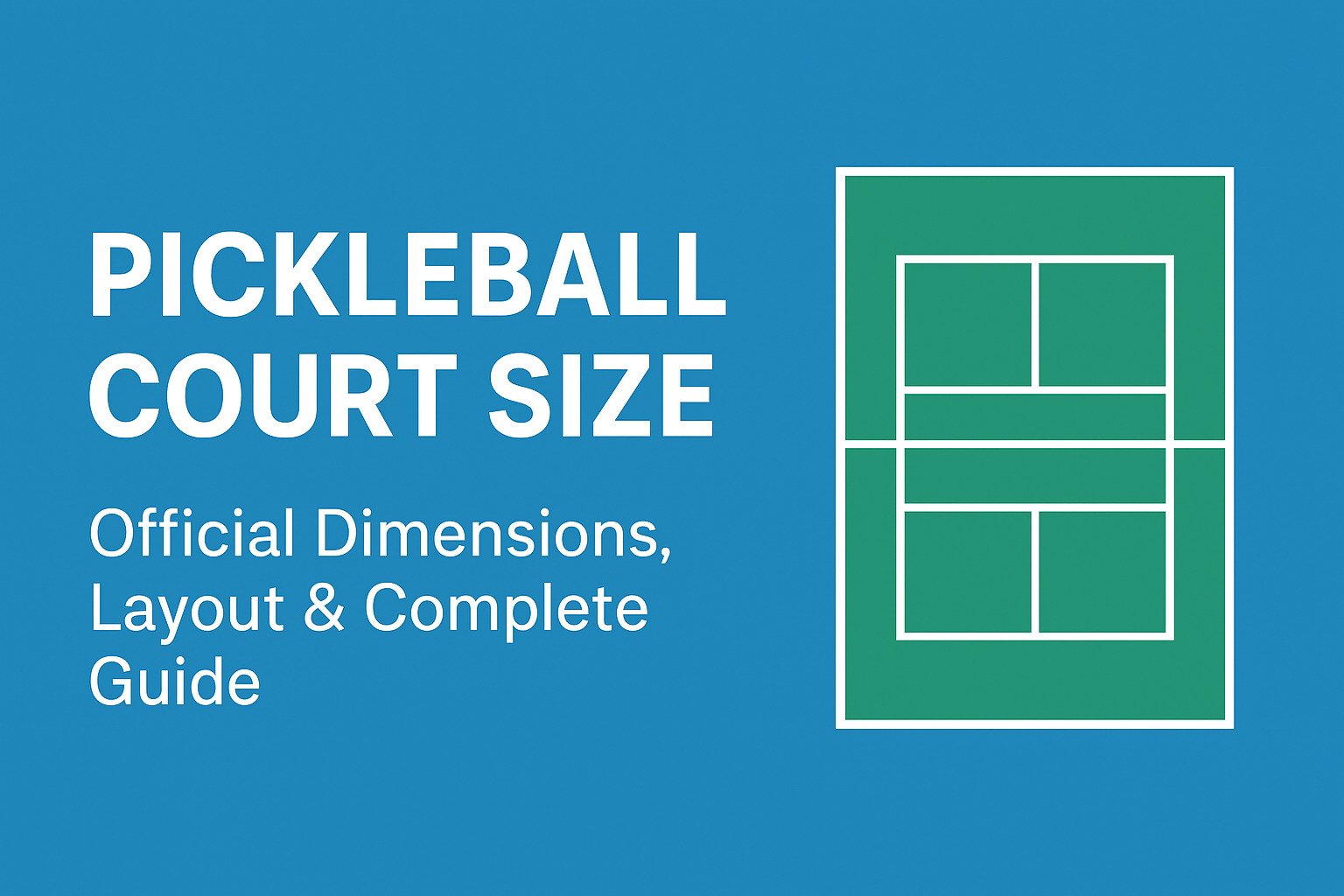
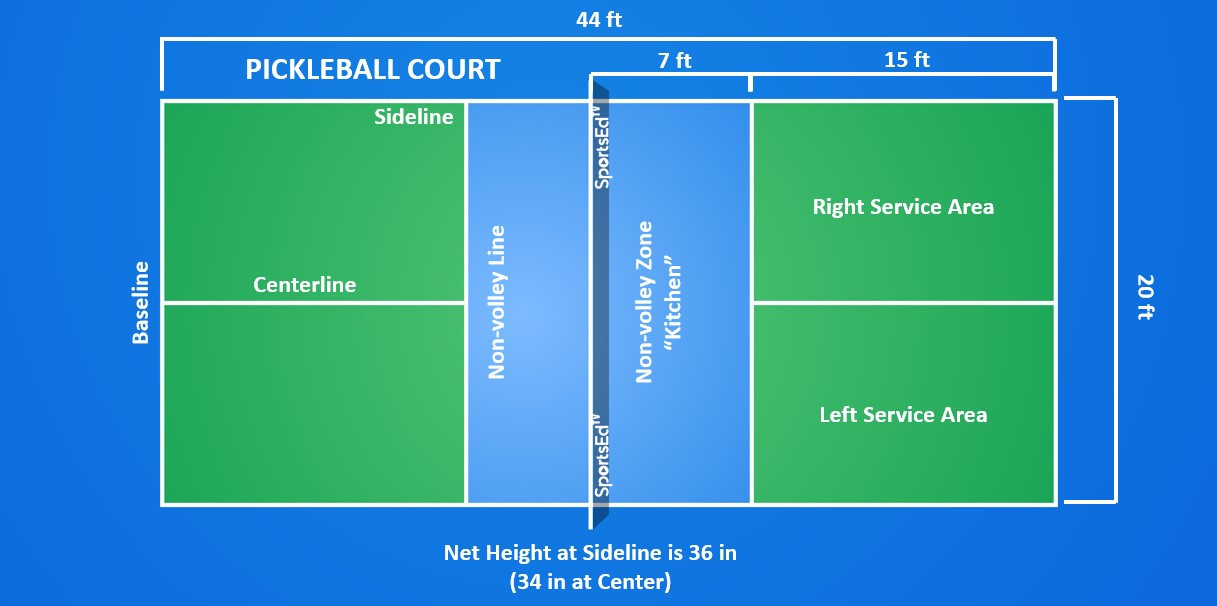
A standard pickleball court is 20 feet wide by 44 feet long. Measurements are to the outside edges of the lines, since those lines are in. The non-volley zone extends 7 feet from the net on both sides, including the NVZ line.
Key dimensions to remember:
- Court: 20 feet by 44 feet, measured to the outer edges of the lines
- Non-volley zone: 7 feet from the net on each side
- Service areas: Each side splits into two 10-by-15-foot rectangles
- Net height: 36 inches at the sidelines and 34 inches at the center
Many people search all pickleball court lines are response area inches wide to verify specs when measuring. Keep the 2-inch rule in mind during layout so your inside dimensions remain true.
Materials and Tips for Painting or Taping Lines
I’ve marked dozens of courts in parks, gyms, and driveways. The easiest way to stay true to the standard is to use 2-inch painter’s tape or a line striping machine set to 2 inches. That way, all pickleball court lines are response area inches wide without guesswork.
Recommended tools and supplies:
- 2-inch painter’s tape for crisp edges
- Chalk line for marking straight guides
- Outdoor acrylic sport surface paint for durability
- Measuring tape, straight edge, and a good level
- A small foam roller or line striping machine
Simple steps to get pro results:
- Snap chalk lines for the full 20-by-44-foot rectangle.
- Tape both edges so the painted gap is exactly 2 inches wide.
- Press tape edges down to stop paint bleed.
- Apply thin coats and let each coat dry before the next.
- Pull tape while the final coat is still tacky for clean lines.
Two extra tips from the field:
- Measure to the outside edges of your lines. The outer edge is your legal boundary.
- If using preformed tape, check its exact width. All pickleball court lines are response area inches wide, so confirm the tape is truly 2 inches. I’ve seen rolls mislabeled at the store.

Common Mistakes and How to Avoid Them
I’ve made a few of these myself, and they’re easy to dodge with a checklist.
Common pitfalls:
- Using 1.5-inch tape. This throws off both look and play.
- Measuring to the inside edge of a line. That shrinks the court.
- Skipping surface prep. Paint won’t bond to dusty or oily concrete.
- Rushing dry times. Paint peels fast if it doesn’t cure.
- Inconsistent color or gloss. Lines should be bright and uniform.
How to avoid them:
- Before you start, say it out loud: all pickleball court lines are response area inches wide. Then check your tape width.
- Clean the surface with a mild degreaser and rinse well.
- Prime slick floors if needed, especially in gyms.
- Use the same paint batch for all lines to match tone.
How Line Width Affects Strategy and Footwork
That slim 2-inch band matters more than most players think. On dinks, your toes may hover near the kitchen line. A clear 2-inch line helps you set a safe stance. On deep serves and returns, shots that graze the baseline are in, so a bold line supports confident edge targets.
I coach players to use the kitchen line as a visual anchor. With true 2-inch lines, spacing becomes routine, not a guess. It also helps new players trust calls. When people repeat all pickleball court lines are response area inches wide, they reinforce the visual standard that supports better footwork and fewer arguments.
Maintenance and Repainting Schedule
Lines wear down with sun, rain, and play. Outdoor paint can fade in a year under strong UV. Indoor tape can lift with floor cleaners. Check your court quarterly and plan to touch up every 12 to 24 months.
Good upkeep habits:
- Sweep and rinse lines to remove grit.
- Spot paint thin areas early to avoid full repaints.
- Store extra paint for color matching.
- For tapelines, roll edges with a seam roller after cleaning.
Keep the sizing tight with each refresh. All pickleball court lines are response area inches wide, and that consistency keeps the court legal and the play fair.

Frequently Asked Questions of all pickleball court lines are response area inches wide.
Are all lines on a pickleball court the same width?
Yes. Every line, including the kitchen line, baseline, sidelines, and centerline, is 2 inches wide. This is the official standard.
Do I measure the court to the inside or outside of the lines?
Measure to the outside edges. The 20-by-44-foot size includes the lines, since the lines are in.
Can I serve onto the non-volley zone line?
No. If the serve touches the non-volley zone line, it’s a fault. All other service court lines count as in.
What tape should I use if all pickleball court lines are response area inches wide?
Choose tape that is exactly 2 inches wide. Painter’s tape or heavy-duty sport tape works well for both temporary and semi-permanent courts.
How can I make sure my lines stay straight and true?
Use a chalk line, measure twice, and lock the tape with firm pressure. Work in small sections to keep edges crisp and width consistent.
Why do some courts look off even if all pickleball court lines are response area inches wide?
Layout errors can cause problems even with 2-inch lines. If the dimensions weren’t measured to the outside edges, the court can end up narrow or short.
Do brighter line colors help with calls?
Yes. High-contrast lines improve visibility, especially for fast rallies. Use a bright, UV-stable paint to keep calls clear.
Is there ever a reason to use wider lines?
Not for regulation play. If you’re doing a kids’ clinic, extra-bold training lines can help, but they’re not tournament legal.
Conclusion
The standard is simple and powerful: every court line is 2 inches wide, and the lines are in. Follow that rule, measure to the outside edges, and you’ll build a court that plays fair and looks great.
If you’re striping your first court, save this guide and take it step by step. Want more hands-on tips and templates? Subscribe for field-tested layouts, gear lists, and pro paint schedules.