Professional pickleball is a rapidly growing, high-energy sport featuring elite athletes competing for significant prize money in organized tours.
Having watched pickleball evolve from a casual park game to a nationally televised spectacle, I've seen firsthand the incredible dedication and skill required at the top. The world of professional pickleball is more exciting and complex than ever, with rival tours, superstar players, and ever-advancing strategies. If you've ever wondered what separates the weekend warriors from the pros, how the tours work, or what it truly takes to compete at the highest level, you've come to the right place. This guide will take you inside the kitchen, behind the baseline, and into the thrilling world of the pros.
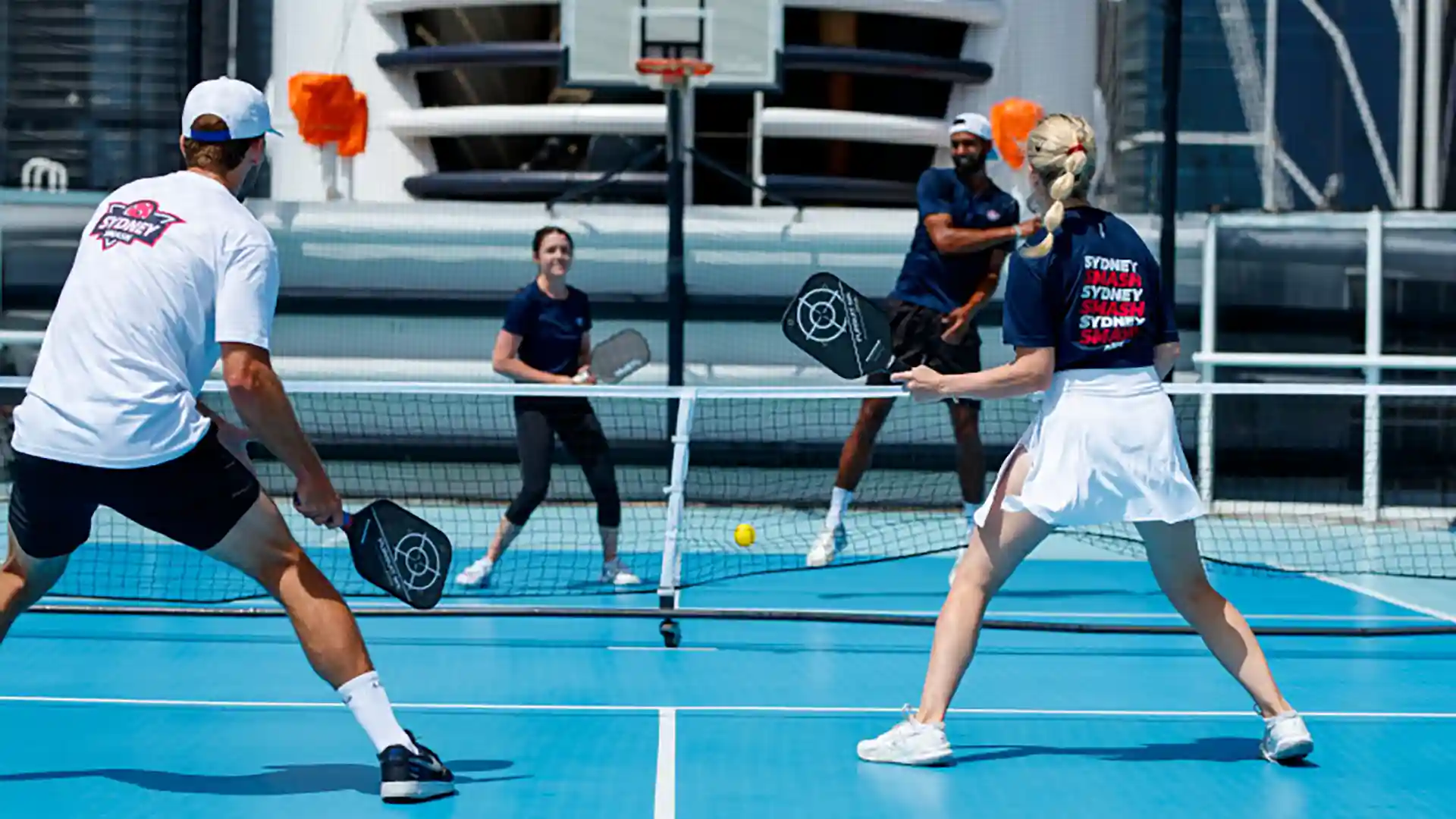
The Rise of Professional Pickleball: From Backyard Fun to Prime-Time Sport
Not long ago, pickleball was a niche sport, a well-kept secret among retirees and local communities. But its simple rules, social nature, and addictive gameplay created the perfect storm for explosive growth. What started as a backyard game has transformed into a legitimate professional sport, complete with dedicated stadiums, broadcast deals with major networks like ESPN and CBS, and a growing legion of passionate fans. This incredible journey is a testament to the game's universal appeal.
The transition from amateur to professional was fueled by visionaries and investors who saw the sport's potential. They established the first professional tours, creating a platform for the best players to showcase their talents. As prize money grew, so did the level of competition. Athletes from other racquet sports like tennis, table tennis, and badminton began making the switch, bringing new levels of power, strategy, and athleticism to the court. Today, professional pickleball is a fast-paced, dynamic sport that demands precision, speed, and incredible hand-eye coordination.

Meet the Pros: Key Players and Personalities
The heart of any sport is its athletes, and professional pickleball is filled with captivating personalities and incredible talent. At the top of the game, a few names consistently dominate the podiums. Ben Johns is often called the GOAT (Greatest of All Time) for his strategic mind, unflappable demeanor, and a near-unbeatable record in men's and mixed doubles. His consistency and court IQ are simply on another level.
On the women's side, Anna Leigh Waters has been a force of nature since she burst onto the scene as a young teenager. Her combination of power, aggressive play, and fierce competitive spirit makes her a must-watch player in every event she enters. Other stars like Riley Newman, Catherine Parenteau, and James Ignatowich bring their own unique styles and flair to the game, creating compelling rivalries and unforgettable matches. Following these players is the best way to understand the evolving strategies and skills that define professional pickleball.

The Professional Pickleball Tours: PPA vs. APP vs. MLP
Navigating the landscape of professional pickleball can be a bit confusing with multiple tours in play. The three main organizations are the PPA Tour, the APP Tour, and Major League Pickleball (MLP). Each offers a slightly different experience for players and fans, and understanding them is key to following the sport.
- PPA Tour (Carvana PPA Tour): This is often considered the premier individual tour. The PPA has exclusive contracts with many of the top-ranked players, meaning you'll see the biggest names competing here for individual glory in traditional tournament brackets (singles, doubles, mixed doubles).
- APP Tour (Association of Pickleball Professionals): The APP Tour prides itself on being an inclusive tour for professionals, seniors, and amateurs alike. It offers a pathway for aspiring players to rise through the ranks and features a mix of established pros and up-and-coming talent.
- MLP (Major League Pickleball): MLP introduced a thrilling, team-based format that has energized the sport. Players are drafted onto city-based teams and compete in a unique format that includes men's doubles, women's doubles, and two mixed doubles matches. The energy is electric, with on-court coaching and a major focus on teamwork.
Recently, the PPA and MLP have merged their parent companies, creating a more unified structure for the sport's top talent while maintaining their distinct tour formats.

What Does It Take to Go Pro?: The Path to Professional Pickleball
The dream of becoming a professional pickleball player is more attainable than ever, but the path requires immense dedication. It's no longer enough to be the best player at your local park. The journey involves a structured approach that builds skill, experience, and visibility within the competitive community. It starts with honing your fundamentals—dinks, drops, drives, and resets—until they are second nature.
From there, the path typically involves:
- Competitive Experience: You have to prove yourself in sanctioned tournaments. Start with local events, then progress to regional and national qualifiers. Winning at these levels is essential for getting noticed.
- Achieving a High Rating: Your DUPR (Dynamic Universal Pickleball Rating) is your passport in the competitive world. Aspiring pros need a DUPR of 5.5 or higher to even be considered for pro-level draws, with the elite players sitting at 6.5 and above.
- Full-Time Commitment: Professional pickleball is a full-time job. This means daily drilling, strength and conditioning workouts, studying film, and traveling constantly for tournaments. It's a significant financial and personal investment before you ever see a prize money check.

The Gear of a Pro: Paddles, Shoes, and More
While skill is paramount, professional pickleball players rely on high-performance gear to gain a competitive edge. The single most important piece of equipment is the paddle. Pros use paddles engineered for a specific balance of power, control, and spin. Carbon fiber surfaces are now the industry standard, allowing players to generate incredible topspin on drives and cuts on dinks. Companies work directly with top pros to design signature paddles tailored to their playing styles.
Beyond the paddle, court-specific footwear is non-negotiable. Pickleball involves rapid, lateral movements, and players need shoes that provide stability, support, and excellent grip on the court surface to prevent injury. You'll also see pros using accessories like lead tape to customize the weight and balance of their paddles, high-quality grips for better feel, and athletic apparel designed for breathability and movement. Choosing the right gear is a crucial part of maximizing performance at the professional level.

The Money in Professional Pickleball: Prize Money and Sponsorships
The financial landscape of professional pickleball has changed dramatically. Just a few years ago, players struggled to make a living from the sport. Today, top players can earn seven figures annually. The primary source of income is prize money from tournaments, with major events on the PPA Tour offering purses well into the six figures.
However, for most pros, sponsorships are even more crucial. Endorsements from paddle manufacturers, apparel companies, and even non-endemic brands like car dealerships and health supplements provide a stable income. The most marketable players also earn money through appearance fees, coaching clinics, and building their personal brands on social media. While the money is concentrated at the very top, the growing financial opportunities are drawing more and more elite athletes to professional pickleball.

Frequently Asked Questions of professional pickleball
Who is the best professional pickleball player?
Ben Johns is widely considered the best overall male player due to his long-standing dominance in all three divisions. On the women's side, Anna Leigh Waters is viewed as the top player, known for her incredible power and consistency.
How much do professional pickleball players make?
The earnings vary greatly, but the top 10 players can earn over $1 million per year through prize money and sponsorships. Many other touring pros make a comfortable living, earning between $50,000 and $200,000 annually.
What is the difference between the PPA and MLP?
The PPA Tour is focused on individual achievement in traditional tournament formats (singles, doubles, mixed). Major League Pickleball (MLP) is a team-based league where players compete for a city-based franchise in a more collaborative and high-energy format.
What is a DUPR rating?
DUPR stands for Dynamic Universal Pickleball Rating and is the most widely accepted rating system in the sport. It's a number between 2.0 and 8.0 that reflects a player's skill level based on their match results against other rated players.
Can anyone become a professional pickleball player?
While technically anyone can try, becoming a professional requires elite athletic ability, thousands of hours of dedicated training, and success in high-level tournaments. It is an extremely difficult path that demands a full-time commitment.
Conclusion
The world of professional pickleball is a thrilling mix of athleticism, strategy, and personality. What was once a simple driveway game has blossomed into a legitimate professional sport with a bright and exciting future. The path to becoming a pro is demanding, but for fans, the sport offers endless entertainment through its dynamic tours and captivating stars.
Whether you're a casual player looking to improve or a new fan trying to understand the competitive scene, there has never been a better time to get involved. I encourage you to watch a professional tournament, follow your favorite players on social media, and see the highest level of this incredible sport for yourself.
What part of professional pickleball excites you the most? Share your thoughts in the comments below