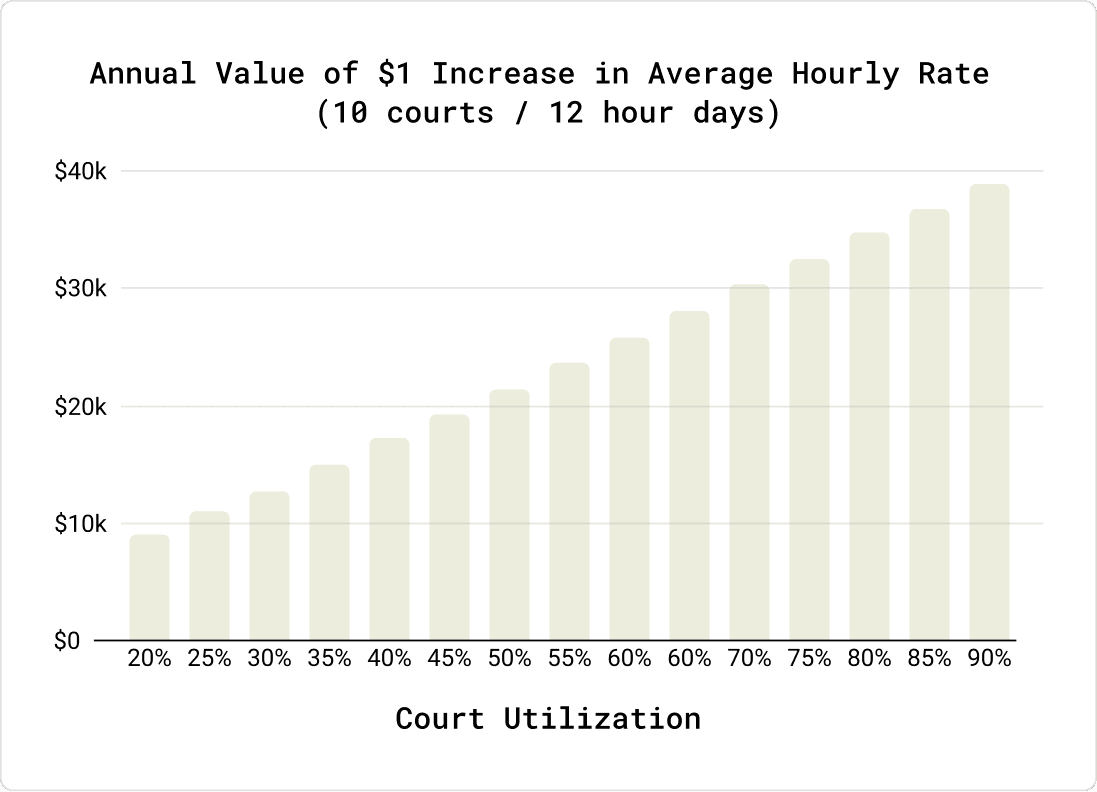
Rate pickleball measures skill, match intensity, and player rank on a simple scale.
I have spent years playing, coaching, and tracking games, so I know how useful a clear rate pickleball system can be. This guide explains what rate pickleball means, how to measure it, and practical steps to improve scores. Read on if you want a simple, reliable way to rate pickleball matches and players, backed by real-world tips and tested methods.
What does rate pickleball mean?
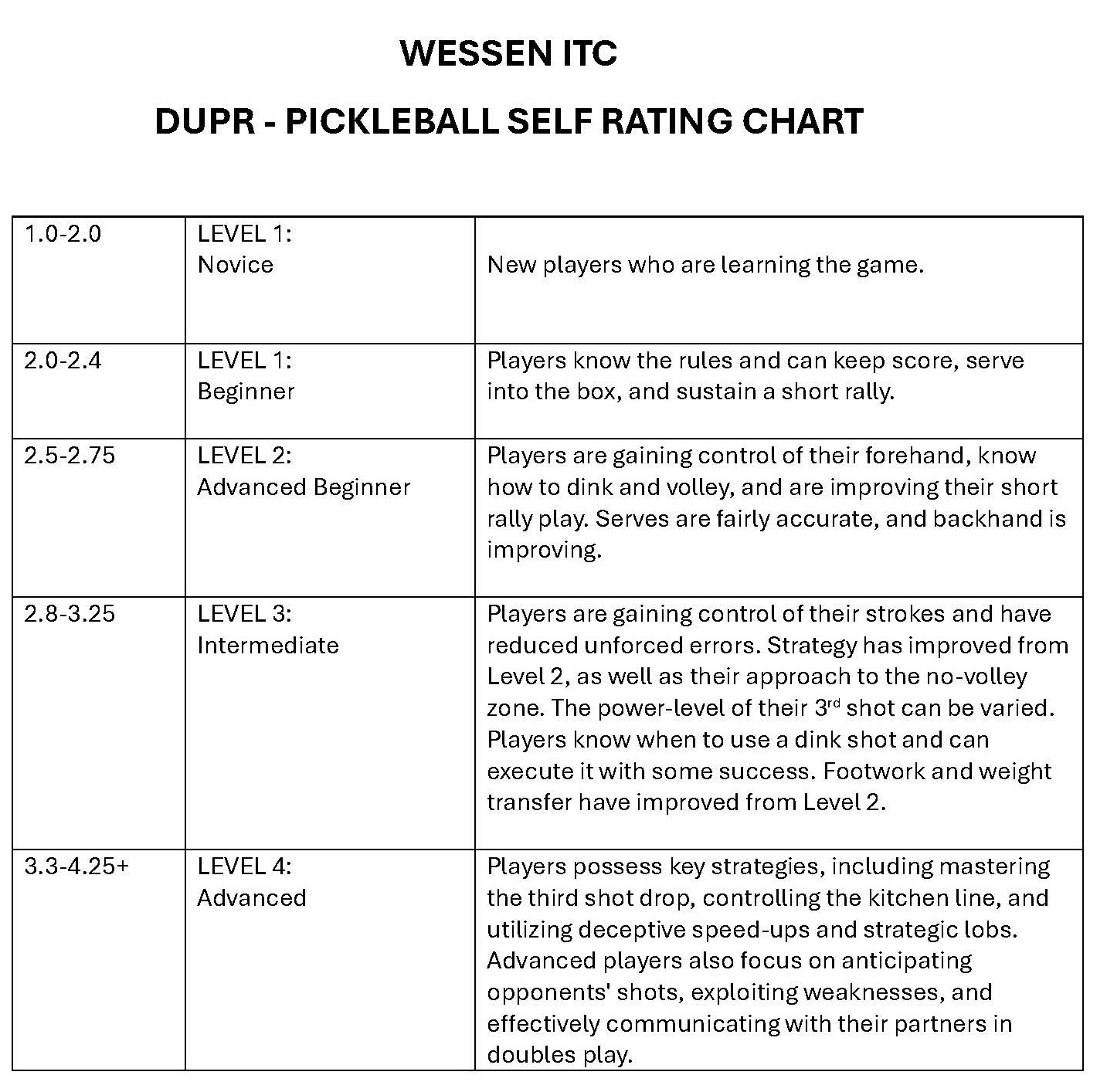
Rate pickleball is a way to score or rank players and matches.
It can be a numeric score, stars, or tier levels that reflect skill and consistency.
Coaches, clubs, and apps use rate pickleball to match players and track progress.
A good system stays simple, fair, and repeatable.

Why rate pickleball matters
Rate pickleball helps players find fair opponents and set goals.
It makes league play smoother and improves match balance.
Clubs use rate pickleball to seed tournaments and create levels for lessons.
For new players, a clear rate pickleball shows quick progress and keeps motivation high.
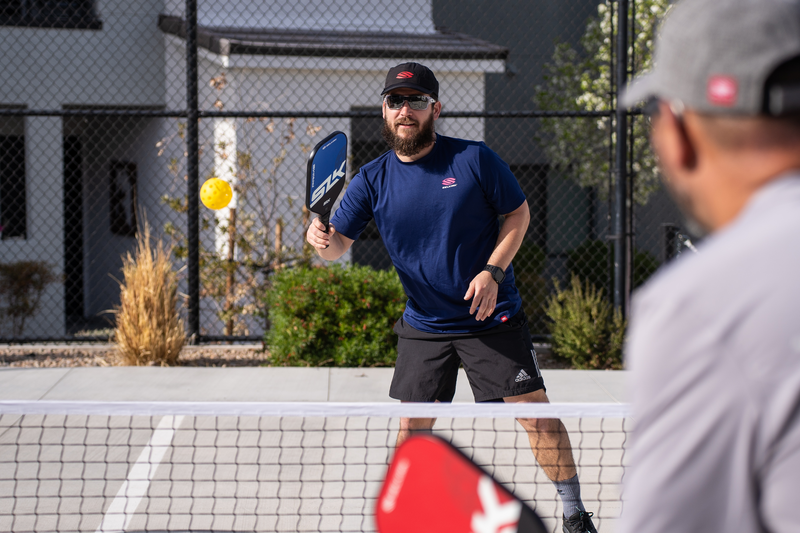
How to rate pickleball: criteria and a step-by-step method
Here are clear criteria to use when you rate pickleball:
- Serve consistency: How often serves land in and start the point.
- Return quality: Ability to return deep and neutralize opponents.
- Third-shot control: Skill on the third shot to set the team up.
- Dinking and net play: Soft game, reflexes, and control at the kitchen.
- Movement and positioning: Court coverage and anticipation.
- Shot selection: Choice of shots under pressure.
Step-by-step to rate pickleball for a player or match:
- Observe three full matches or 15 points from a player.
- Score each criterion on 1 to 5.
- Add scores and convert to a 1–10 or 1–100 scale for clarity.
- Average scores over three sessions to reduce bias.
- Update the rate pickleball score monthly or after coaching cycles.
This method keeps ratings fair and easy to repeat. Use the same rubric each time to track real change.
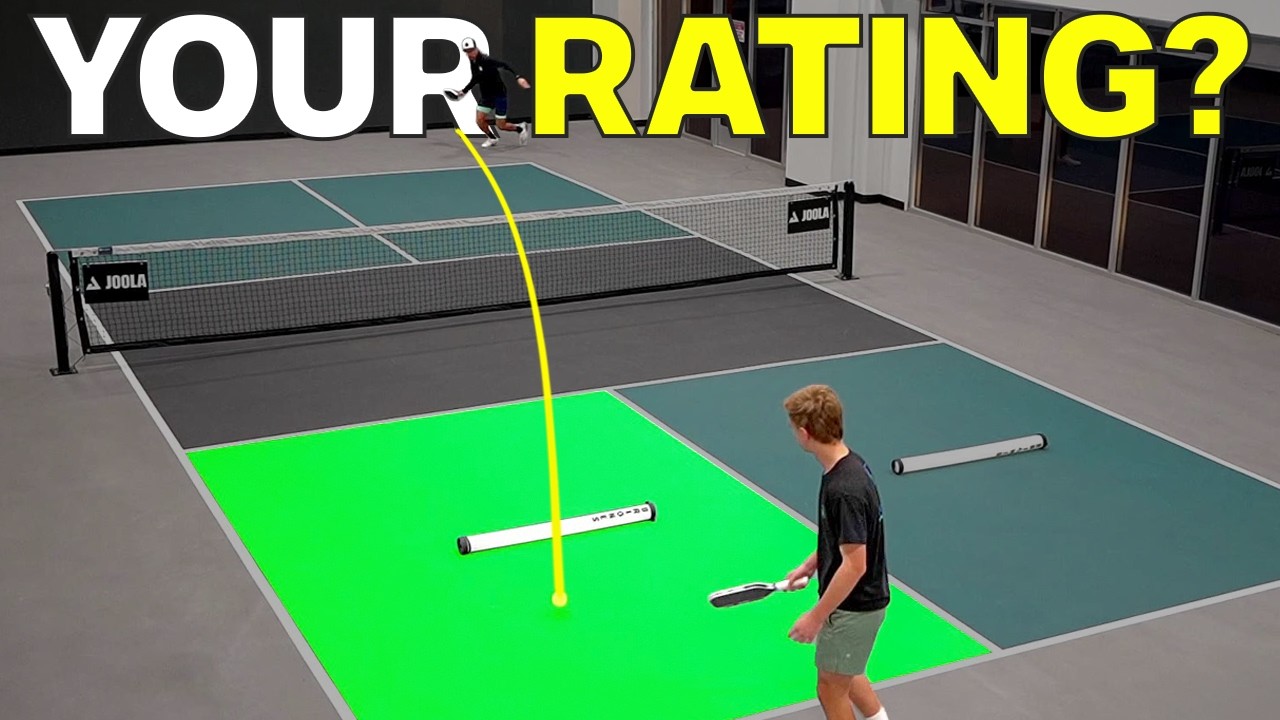
Tips to improve your rate pickleball
Small changes raise your rate pickleball faster than you think.
- Focus on serve placement rather than power. Good serves win free points.
- Practice the third shot drop and drive for match control.
- Work on dinks with a partner for 10 minutes per session.
- Improve footwork with short drills to boost movement and recovery.
- Record matches and review two clips per session to correct errors.
- Play with slightly better players to learn faster and push limits.
From my coaching, players who follow these steps raise their rate pickleball by noticeable margins in weeks.

Tools and platforms to rate pickleball
You can use simple tools or modern apps to rate pickleball.
- Paper rubrics: Low tech and reliable for clubs and coaches.
- Spreadsheet trackers: Easy to average scores and see trends.
- Match recording apps: Record games and tag events to rate later.
- Rating platforms: Some apps let players rate pickleball skill and match stats publicly.
- Wearables: Track movement and hits to add objective data to your ratings.
I used a mix of spreadsheets and video tools. The combo gave the fastest and clearest improvements to my students’ rate pickleball scores.

Common mistakes when you rate pickleball
Avoid these traps that skew rate pickleball results.
- Rating after just one game. One match can mislead you. Always use multiple samples.
- Mixing different formats. Singles and doubles skills differ, so rate them separately.
- Letting bias affect scores. Use clear criteria and a short checklist.
- Chasing perfection. Small consistent gains in basic skills beat flashy plays.
- Ignoring physical condition. Fatigue can drop rate pickleball for a day, not skill level.
Correcting these mistakes makes your rating system fairer and more useful.
Personal experience and lessons learned
Early in my coaching I relied on gut feel to rate players.
That caused inconsistency and unhappy players.
Switching to a simple rubric fixed that. Players saw clear targets and felt progress.
One student raised his rate pickleball from a 4 to a 7 in three months by focusing on third-shot drops and footwork.
My lesson: clear criteria and steady practice matter more than one brilliant match.

Frequently Asked Questions of rate pickleball
How often should I rate pickleball for a player?
Rate pickleball once every 4 to 6 weeks for adults. For new players, rate every 2 to 3 weeks to track quick gains.
Can I use the same rate pickleball system for singles and doubles?
No. Singles and doubles demand different skills. Create separate rubrics to rate pickleball for each format.
Is technology necessary to rate pickleball accurately?
No. Technology helps, but a simple paper rubric or spreadsheet can be accurate when used consistently to rate pickleball.
How do I avoid bias when I rate pickleball?
Use clear criteria, score multiple matches, and have a second rater if possible to keep rate pickleball fair.
Will raising my rate pickleball make me win more matches?
Yes. A higher rate pickleball usually reflects better skills and decision-making, which leads to more wins when applied consistently.
Conclusion
A clear, simple system to rate pickleball makes play fairer, training smarter, and progress visible. Pick or build a rubric, track multiple sessions, and focus on small daily improvements like serve placement and third-shot control. Use tools and honest feedback to keep your ratings fair and useful. Try the steps in this guide, measure results for a month, and share your progress or questions in the comments to keep learning.