
No — are pickel ball and tenis courts the same? No; they differ in size, lines, and net specs.
I’ve played and coached both sports for years, so I know the practical differences between are pickel ball and tenis courts the same. This guide breaks down rules, court size, net height, surface needs, and how to convert a tennis court for pickleball play. Whether you manage facilities or just want to play, read on for clear, friendly, and expert advice that answers are pickel ball and tenis courts the same in plain language.
Court size and layout: clear measurements and why they matter
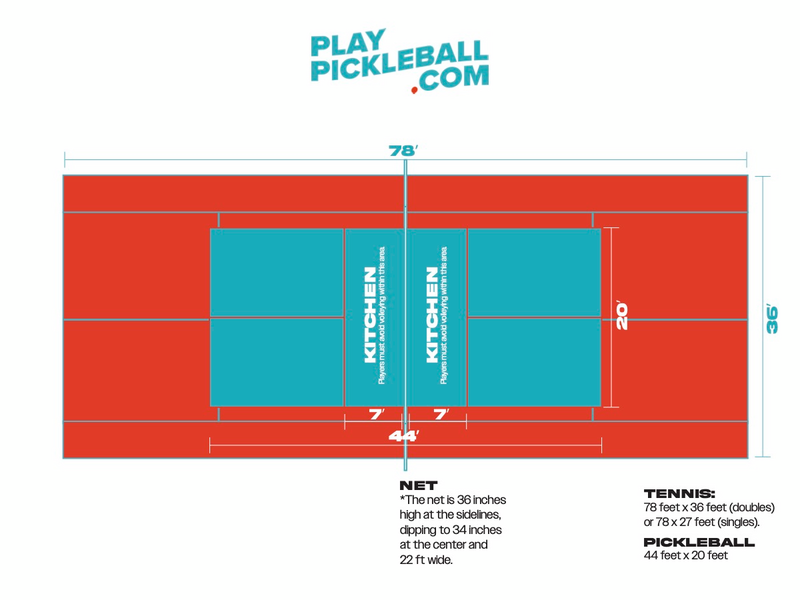
The most obvious difference when asking are pickel ball and tenis courts the same is size. Tennis uses a much larger court. A full tennis court is 78 feet long and 36 feet wide for doubles. A pickleball court is 44 feet long and 20 feet wide. That makes pickleball less about long runs and more about quick footwork.
Court lines are different too. Tennis has wider baselines, no kitchen, and distinct singles sidelines. Pickleball has a 7-foot non‑volley zone called the kitchen that changes play near the net. These layout shifts change strategy and player movement.

Net height and placement: small differences, big impact
Net height matters a lot for both games. Tennis net height at the center is about 36 inches, with posts higher at the sides. Pickleball nets are lower in the middle at 34 inches, and often 36 inches at the posts. That lower center makes the pickleball game focus more on dinks and soft net play.
A lower net plus a smaller court makes volleys and touch shots far more common in pickleball than in tennis. When comparing are pickel ball and tenis courts the same, net specs are one of the quickest ways to see they are not.
Surface types and line markings: what to expect
Both sports can be played on hard courts, clay, and grass. Most public courts are hard surface. Surface texture affects ball bounce and shoe grip. Pickleball uses a plastic perforated ball that bounces differently than a tennis ball, so the same surface can feel different.
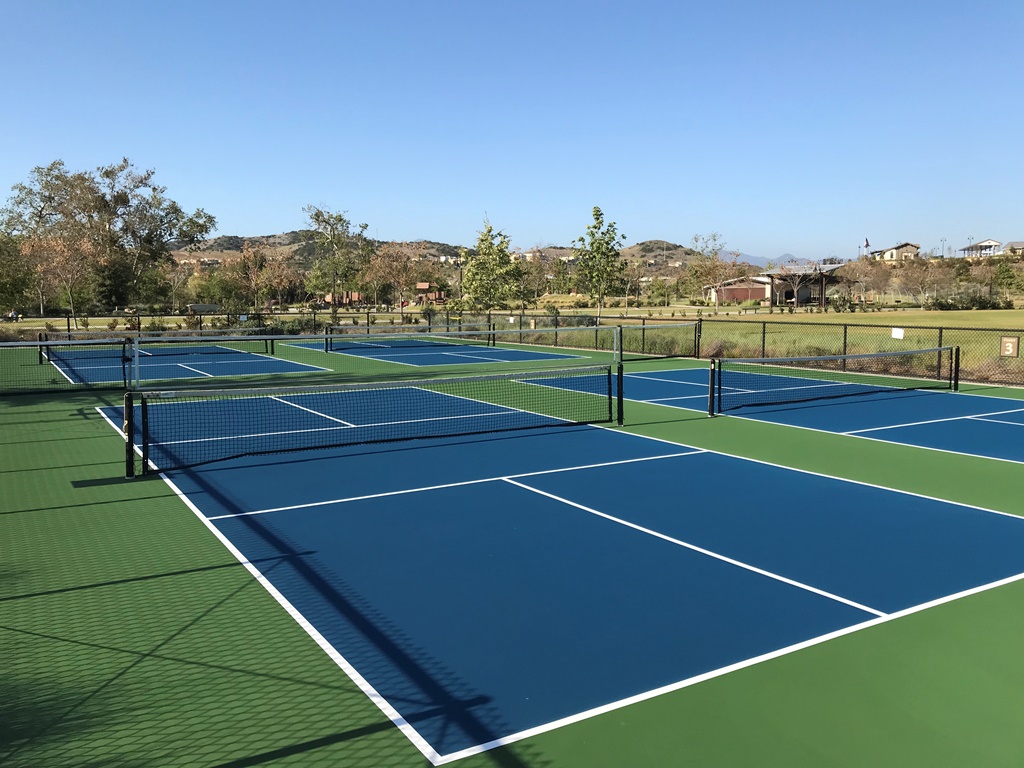
Line markings also differ. Tennis lines are broader and placed for longer baseline play. Pickleball lines are closer together and include the kitchen. If you walk onto a tennis court and see a small rectangle of pickleball lines inside, that’s a sign people often play both sports on one space.
Rules and scoring: play style changes with court design
Rules shape how courts are used. Pickleball has an underhand serve, a double-bounce rule, and the kitchen zone that limits volleying. Tennis allows overhand serves and has no double-bounce rule. Scoring is another split: tennis uses 15-30-40 scoring (or advantage), while pickleball often uses rally or side-out scoring depending on format.
These rule differences tie directly to court design. So when you ask are pickel ball and tenis courts the same, remember rules and court shape work together to create distinct games.
Equipment and how it affects court use
Rackets and balls shape court needs. Tennis players use strings and a longer racket frame. Pickleball players use solid paddles that are shorter and stiffer. Balls differ in weight, size, and bounce.
Because pickleball balls are lighter and bounce lower, players prefer courts with less abrasive surfaces. This equipment contrast reinforces that are pickel ball and tenis courts the same is not accurate; the gear optimizes different court specs.

Converting a tennis court for pickleball: practical tips
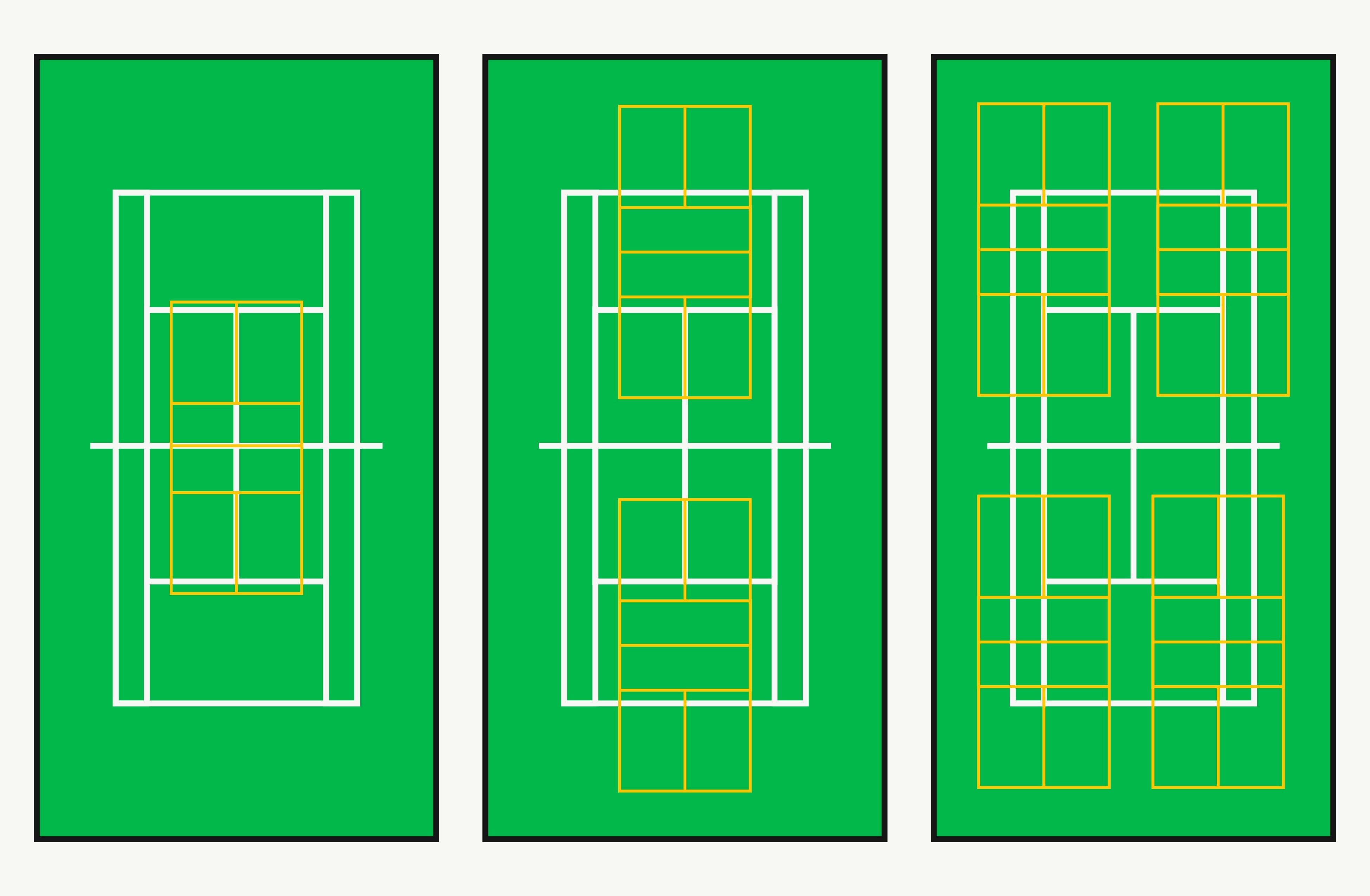
Many communities convert tennis courts to include pickleball lines. This is a common question tied to are pickel ball and tenis courts the same. You can fit up to four pickleball courts inside one tennis court. Conversion steps often include:
- Measure and mark four 20-by-44-foot rectangles inside the tennis court.
- Install portable or permanent lower nets for correct pickleball net height.
- Paint or tape new lines that won’t confuse tennis players.
- Add windscreens or temporary barriers to keep balls in play.
I once helped lay four pickleball courts inside a high school tennis court. We used temporary nets first to test traffic flow. That saved time and money before painting permanent lines.
Maintenance, cost, and scheduling considerations
Maintaining multiple sports on one court needs planning. Painting extra lines is cheap. Installing permanent nets and posts costs more. You also must book time for each sport to avoid conflicts.
From my facility work, a multi-use court is popular. But mixing play fast can wear the surface quicker. If your goal is long-term durability, decide if you want a tennis-first or pickleball-first setup. That choice answers are pickel ball and tenis courts the same for your budget and goals.

Etiquette and safety when sharing courts
Sharing courts is common. Respect makes it work. If players set up pickleball on a tennis court, follow these simple rules:
- Ask athletes already using the court if you can add lines or net.
- Put nets up and down safely to avoid damage.
- Keep play areas clear of equipment.
- Rotate court time fairly so both sports get access.
Following polite habits helps facilities serve more people. That collaborative spirit shows why people often compare whether are pickel ball and tenis courts the same.
Personal tips from experience
I teach beginners in both sports. My top tips when moving between courts are simple and useful.
- Step small on pickleball. The court is tight and quick.
- Expect more net play in pickleball than in tennis.
- Use temporary nets first when testing conversions.
- Check local rules before painting permanent lines.
These small habits saved me headaches and helped players enjoy both sports without conflict.
Frequently Asked Questions of are pickel ball and tenis courts the same
What is the main difference between pickleball and tennis courts?
The main difference is size. Pickleball courts are much smaller at 20 by 44 feet. Tennis courts are 78 by 36 feet for doubles, so they are far larger.
Can you play pickleball on a tennis court?
Yes, you can play pickleball on a tennis court by adding lines and a lower net. Many communities mark multiple pickleball courts inside one tennis court.
Do nets need to be changed to play pickleball on a tennis court?
You should use a lower net for pickleball to match official height. Portable nets are a common and simple solution during mixed use.
How many pickleball courts fit on one tennis court?
Typically, you can fit up to four pickleball courts within one tennis court footprint. Exact fit depends on orientation and buffer space.
Will painting pickleball lines ruin a tennis court?
No, painting lines is standard and safe if done with proper court paint. Use colors that don’t confuse players and follow facility rules.
Is surface type more important for tennis or pickleball?
Both care about surface, but pickleball players often prefer slightly smoother, less abrasive surfaces. Tennis needs varied surface types for different play styles.
Conclusion
Pickleball and tennis courts are not the same. Size, net height, lines, and rules all set them apart. If you manage courts or play both sports, you can convert spaces smartly by using temporary nets, clear lines, and fair scheduling. Try a small test setup before making permanent changes. If you enjoyed this guide, try marking a court, testing play, and sharing your experience in the comments or subscribe for more practical tips on court conversions and play.