A heavy paddle adds power but increases fatigue and changes stroke timing on the water.
I have spent years teaching paddling and testing gear, and I know the trade-offs of a heavy paddle inside out. This guide breaks down what a heavy paddle means, how it affects your speed, endurance, and technique, and how to pick or tune one for your needs. Expect clear advice, real-world tips from my outings, and easy steps to get the best from a heavy paddle whether you paddle a kayak, canoe, or SUP.
What is a heavy paddle?
A heavy paddle is any paddle whose weight is above the average for its type. For kayaks, that often means a paddle heavier than 700–800 grams. For canoe or SUP paddles, heavy can mean anything noticeably heavier than what you normally use.
Heavy paddle can refer to different gear:
- Kayak paddles that feel dense in the hands.
- Canoe paddles with thicker shafts and larger blades.
- SUP paddles made of solid wood or heavy composites.
- Sport paddles like some pickleball paddles described as heavy for added plow-through.
The key is how the blade and shaft weight change your stroke feel. A heavy paddle makes each pull feel stronger. It also makes your body do more work. That simple change alters your speed, control, and fatigue on the water.

How weight affects paddle performance
Weight influences efficiency, control, and comfort in clear ways.
- Increased power per stroke
- A heavy paddle can push more water with each stroke. This gives a sense of more immediate forward motion.
- Faster muscle fatigue
- Extra weight taxes shoulder and core muscles faster. That can cut trip time or reduce your stroke quality late in a session.
- Change in stroke timing
- Heavier paddles move differently. You may need to slow or lengthen your stroke to maintain control.
- Stability and feel
- Some paddlers feel a heavy paddle helps keep rhythm and balance, especially in rough water.
A balanced view is important. Research shows heavier paddles raise muscle activation but can decrease endurance. Choose based on what you want: short bursts of speed, long endurance, or extra control.
Pros and cons of a heavy paddle
Here are clear pros and cons to help decide if a heavy paddle suits you.
Pros
- More power per stroke for quick acceleration.
- Better for strong paddlers who want momentum.
- Can feel more stable in choppy water.
- Durable materials often mean longer life.
Cons
- Causes fatigue faster, especially on long routes.
- Can strain shoulders or wrists if technique is weak.
- Slower stroke cadence for some users.
- Not ideal for beginners who need light, forgiving gear.
Think of a heavy paddle like a heavier hammer: good for big tasks, but tiring if you swing all day.

How to choose the right heavy paddle
Pick a heavy paddle the smart way. Match it to your body, craft, and goals.
- Know your craft
- Kayaks need different length and blade shapes than SUPs or canoes.
- Test before you buy
- Try a demo or rent to feel how a heavy paddle changes your stroke.
- Check shaft material
– Solid wood feels heavier and absorbs vibration. Heavy carbon or fiberglass blends add weight but stay stiff. - Watch blade size
- Large blades with weight give power but increase strain.
- Consider grip and shaft diameter
- Thicker shafts can feel heavier even at the same mass. Try grips that fit your hands.
I recommend testing a heavy paddle in calm water first. Spend 15–30 minutes to judge fatigue and control. If you can keep technique clean for that time, the paddle may work for longer trips.

Technique tips for using a heavy paddle
Good technique reduces injury and makes a heavy paddle feel smarter.
- Use your core
- Drive the stroke with torso rotation, not just shoulders. This spreads effort to larger muscles.
- Shorten your stroke cadence
- A slightly slower, stronger stroke often beats rapid weak strokes with heavy gear.
- Keep elbows relaxed
- Locking elbows invites strain. Keep joints soft and use the spine.
- Rest strategically
- Plan short breaks or switch to a lighter paddle if fatigue builds.
When I switched to a heavier paddle, rotating the torso more and shortening my stroke saved my shoulders. Those small changes matter.

Maintenance and safety for heavy paddle users
Heavier paddles need care and mindful use to last and stay safe.
- Inspect for cracks
- Weight can stress joints. Check blade edges and shaft regularly.
- Protect contacts
- Use paddle leashes and guards to avoid drops and dings.
- Store properly
- Keep heavy paddles off the floor to avoid warping.
- Warm up before long sessions
- Extra weight raises injury risk. Do simple shoulder and torso warm-ups.
If you feel sharp pain, stop and rest. Heavy paddles magnify small technique faults into real injuries if left unchecked.
Personal experience: lessons from the water
I switched to a heavy paddle for river runs and sprint training. I learned three key lessons.
- Test both short and long runs
- A paddle that felt great for 10 minutes burned me on a 2-hour trip.
- Torque matters more than raw weight
- A well-balanced heavy paddle felt lighter than a poorly balanced light paddle.
- Adjust gear, not ego
- I had to slow my cadence and lean on technique. That shift made the heavy paddle an asset.
The mistakes I made taught me to pair the heavy paddle with stronger core work and shorter sessions. That fixed fatigue and kept my strokes clean.
Heavy paddle vs light paddle: quick comparison
Here is a simple side-by-side for quick decision-making.
- Heavy paddle
- Better power. More fatigue. Good for strong paddlers and short bursts.
- Light paddle
- Easier endurance. Less impact on shoulders. Great for long trips and beginners.
Pick the heavy paddle if you want power and control. Pick the light paddle if you prize comfort and long distance.
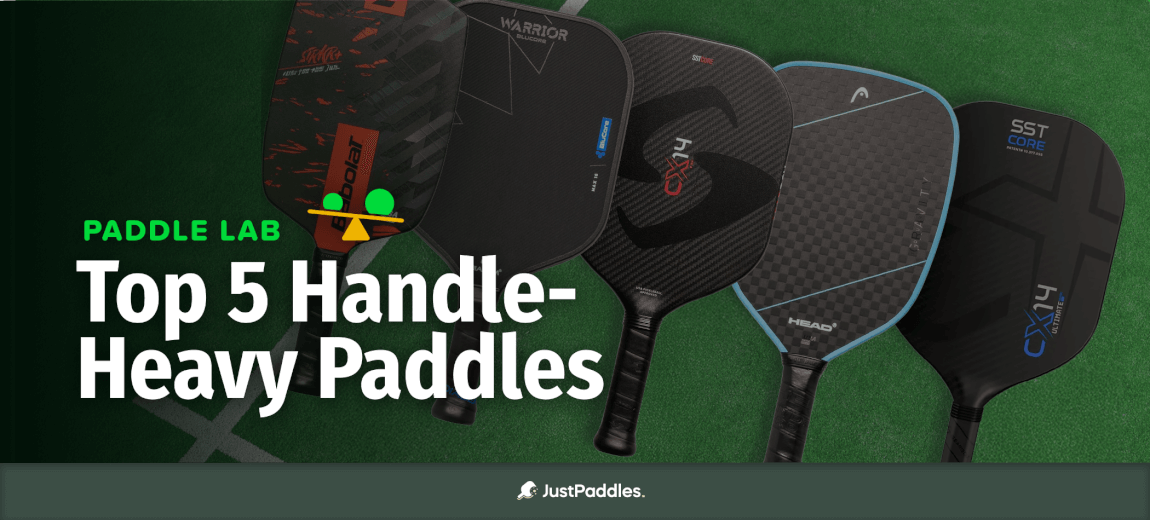
Frequently Asked Questions of heavy paddle
What counts as a heavy paddle for a kayak?
A kayak paddle over 700–800 grams is often called heavy. Rider size and strength also change that threshold.
Will a heavy paddle make me faster?
It can increase speed per stroke, but fatigue may reduce average speed over time. Short efforts benefit most.
Can a heavy paddle cause injury?
Yes, if you use poor technique or overuse it. Warm up, use core rotation, and stop if you feel sharp pain.
Is a heavy paddle better for rough water?
Many paddlers prefer heavier paddles in choppy water for stability and control. It depends on skill and conditions.
Should beginners use a heavy paddle?
Not usually. Beginners do better with lighter paddles to learn clean technique and avoid strain.
Conclusion
A heavy paddle offers more raw power and a different feel on the water. It can be a great choice for short, intense outings or for paddlers who favor a solid, stable stroke. But it also raises fatigue and injury risk if technique and conditioning are not right. Try before you buy, focus on torso-driven strokes, and keep sessions sensible. If you test and train smart, a heavy paddle can become a useful tool in your kit.
Try a demo, tune your form, and share your experience in the comments or subscribe for more gear tips.