
A standard pickleball team has two players for doubles; singles uses one per side.
If you came here to confirm how many players are on a pickleball team, you’re in the right place. I play, I coach new players, and I follow the rulebook. In this clear guide, I explain when a team is two, when a roster is bigger, and how formats change things. Stick with me, and you will know the rules, the strategy, and the real-life tips that help you win more games.
What “team” means in pickleball
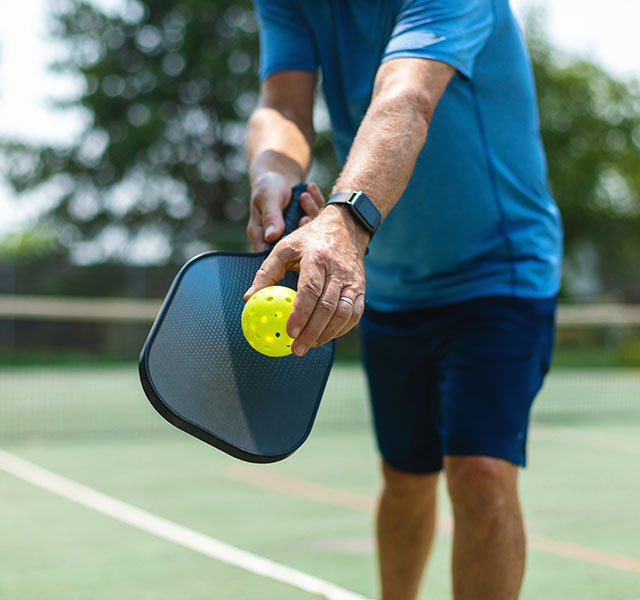
Most people think “team” means the players on the court. In pickleball, that is true. Doubles has two players per side. Singles has one per side. So the short answer to how many players are on a pickleball team is two for doubles and one for singles.
But many leagues use team to mean a roster. A roster can hold more than two players. This lets captains cover travel, injuries, and match formats. I will break down both meanings so you can plan with ease.
I also share what I see in clubs and events. These details help new players save time and avoid mix-ups.

Singles vs doubles: how many players are on a pickleball team
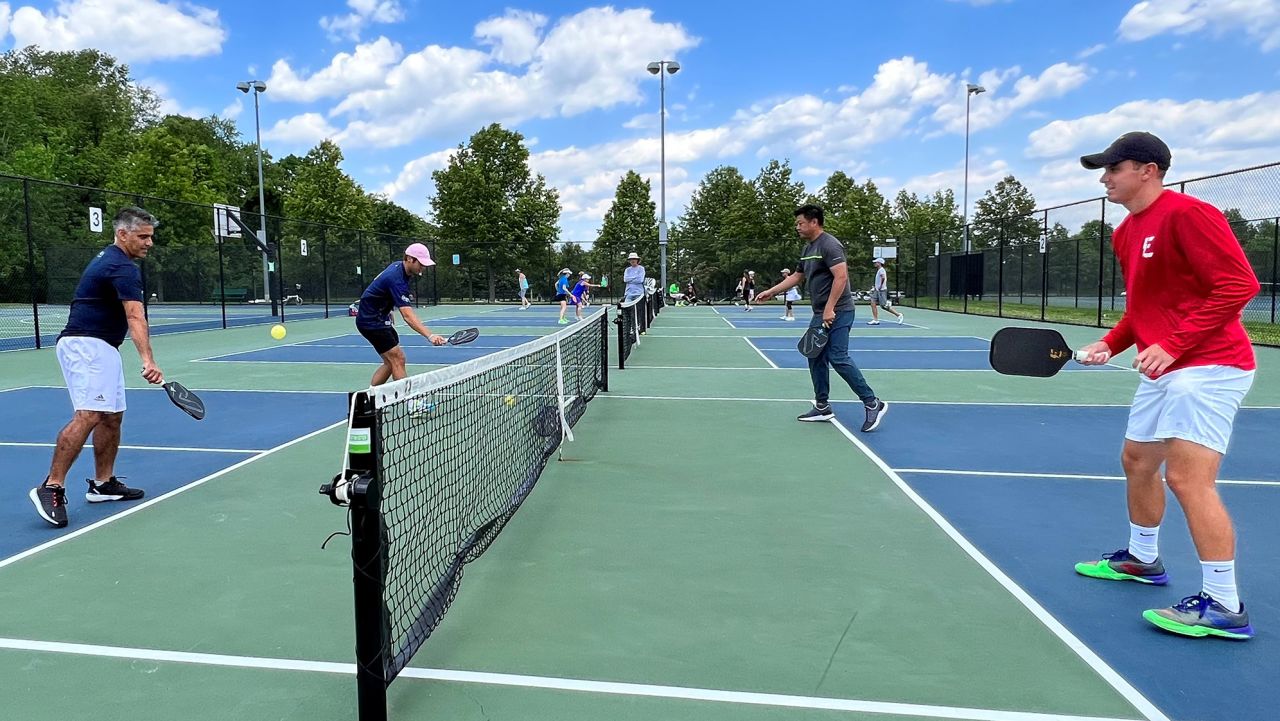
Doubles is the most common format. Most open play and leagues use it. That means a pickleball team on court is two players. Singles is popular for training and some events. That means one player per side.
Here is how it plays out in real life:
- Open play at parks: Almost all doubles. Two per team.
- Round robins at clubs: Mostly doubles. Two per team.
- Tournaments: Doubles and mixed doubles are common. Two per team.
- Singles ladders: One per side. Faster points, more running.
When people ask how many players are on a pickleball team, they usually mean doubles. The answer is two.
Rosters for leagues and events
How many players are on a pickleball team can also mean roster size. That depends on the format. Here is what I see most often:
- Social leagues: Three to six players on a roster. Captains rotate pairs.
- Club team matches: Four to eight players. Teams play several lines of doubles.
- School programs: Six to ten players. Coaches set pairs by skill or age.
- Tournaments (non-team): You register as a pair. Two players only. No in-match subs.
- Team tournaments: Four to six players. Teams play lines, like tennis.
From my league days, four is the sweet spot. You have two players on court and two as backups. That keeps energy high and avoids last-minute scrambles.

Substitutions, lineups, and partner changes
Subs keep a season moving. But the rules change by setting. In casual play, swaps are fine at any time. In leagues, subs must be listed or approved. In tournaments, partner changes mid-match are not allowed. Some events allow a replacement before play starts.
Tips I give captains:
- Post the lineup the night before.
- Confirm who will serve first in each pair.
- Keep two spare paddles on hand for subs.
- Log scores and court numbers to avoid disputes.
These small habits build trust. They also make your team feel tight and ready.
Strategy basics for a two-player pickleball team
How many players are on a pickleball team matters because it shapes strategy. Doubles play is all about teamwork and space control. Here are keys that work at every level:
- Start with clear roles. One player calls middle balls. One player tracks the score.
- Use the soft game. Dinks slow down hard hitters and force errors.
- Move as a unit. Shift together from the baseline to the kitchen line.
- Attack the middle. It is the safest power target and causes confusion.
- Talk often. Say “mine,” “yours,” “bounce,” and “out” early and loud.
In mixed doubles, find what each player does best. Some pairs use the stronger forehand in the middle. Others stack to protect a weaker backhand. Try both in practice and stick with the one that feels smooth.

Equipment and court setup for teams
The gear list for a two-player pickleball team is simple. But small upgrades help a lot.
- Paddles: Bring two. Have a backup if one cracks.
- Balls: Carry three to five, same brand and color.
- Shoes: Court shoes with good grip and side support.
- Tape or towel: Mark gear and dry wet hands.
- Eyewear: Clear lenses help under lights.
Court lines and nets are standard. The kitchen (non-volley zone) is the same for singles and doubles. If your league plays at night, bring a hat and a spare shirt. Fast sweat changes your grip and your shots.

Scoring and rotation for doubles teams
Doubles scoring uses three numbers: serving team score, receiving team score, and server number. At the start, the first server is the second server by rule. So the call starts at 0-0-2. That keeps the start fair.
Key points that help new teams:
- Each side has two servers before a side-out, except the first turn.
- The serve must land in the diagonal box. No bounce needed for the serve, but the two-bounce rule still applies: return must bounce, then the next shot must bounce.
- After a side-out, the right-side player serves first if your team’s score is even.
Practice score calls out loud. It keeps both players locked in. It also calms nerves in tight games.
Common mistakes new doubles teams make
How many players are on a pickleball team may be simple. Playing well as two is the hard part. Avoid these common errors:
- Both players rush the net on the return. Only do that after a deep return.
- Swinging at every middle ball. Set rules for who takes the middle.
- Serving too soft. Aim deep and safe, with steady pace.
- No plan for lobs. Decide who runs and who covers the middle.
- Silent courts. Talk every point. Silence costs points.
One fix that helps fast: film two games. Watch footwork and spacing. You will see patterns at once.
Choosing a partner and building your team
Pick a partner who matches your style and goals. Skill matters, but fit matters more.
Look for:
- Steady serve and return under pressure
- Clear voice and quick calls
- Good footwork at the kitchen line
- Shared goals for leagues or events
Run this tryout drill:
- Ten cross-court dinks each side
- Ten third-shot drops per player
- Five lobs and five overheads each
If both of you pass that stress test, you have a solid base. That small check can answer how many players are on a pickleball team for your roster today. Two on court, plus a trusted sub.
Frequently Asked Questions of how many players are on a pickleball team
Is a pickleball team two or four players?
On the court, a team is two players in doubles. In singles, it is one per side, so two total players in play.
How many players are on a pickleball team in a league?
Leagues often carry three to six players. You still play two at a time, but you rotate pairs across lines or weeks.
Can I switch partners during a tournament?
Not during a match. Some events allow a partner change before your first match if you get approval.
What about mixed doubles—does team size change?
Mixed doubles is still two players per team. One man and one woman pair up in most divisions.
Do wheelchair pickleball teams have a different number of players?
No. Wheelchair doubles still uses two players per team. There are rule tweaks for two-bounce allowances.
How many players are on a pickleball team at schools or clubs?
Most school and club teams roster six to ten players. They set pairs to play several doubles lines.
Is singles less common than doubles?
Yes. Doubles is the main format for rec play and events. Singles is used for training, ladders, and some brackets.
Conclusion
When people ask how many players are on a pickleball team, the clear answer is two for doubles and one for singles. Rosters can be larger in leagues to cover lines and subs, but only two play at once. Build pairs that talk, move as one, and play a steady soft game.
Ready to play smarter? Pick a partner, set simple roles, and run the tryout drill above. Want more tips like this? Subscribe, share this guide with your crew, or drop your questions in the comments.