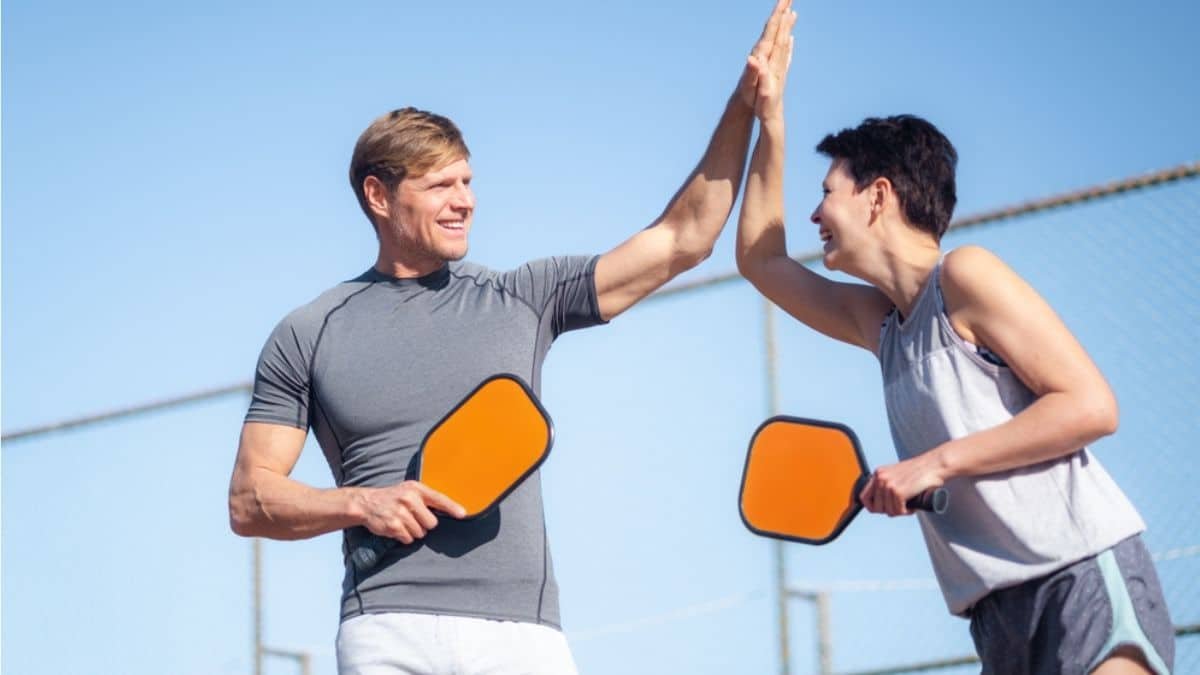
To become a pickleball instructor, you must master the game, get certified, and gain hands-on teaching experience.
The explosive growth of pickleball isn't just a trend; it's a full-blown phenomenon creating an incredible demand for skilled coaches. You’ve seen the packed courts and heard the constant pop-pop-pop of the ball. Now, you're wondering if you can turn your passion for the game into a fulfilling career. As someone who has navigated this path, I can tell you it's one of the most rewarding journeys you can take. This guide will provide you with a clear, step-by-step roadmap on exactly how to become a pickleball instructor, taking you from a passionate player to a confident, certified professional.
Master the Game: Your Foundation for Teaching
Before you can teach others, you need a deep, unshakable understanding of pickleball yourself. This goes far beyond knowing how to hit a good dink or a powerful third-shot drop. Being a great player doesn't automatically make you a great instructor, but having a solid foundation is non-negotiable. You need to understand the why behind every shot, strategy, and rule.
Think of it like this: anyone can follow a recipe, but a real chef understands how ingredients interact to create a delicious meal. As an instructor, you are the chef. You need to grasp the nuances of spin, the importance of court positioning, and the strategic thinking that separates intermediate players from advanced ones. I remember a time early in my playing career when I was consistently beaten by a player who wasn't more athletic but was ten steps ahead of me strategically. That's when I realized that to truly teach, I had to master the mental game as much as the physical one. This is the first critical step in your journey of how to become a pickleball instructor.
To build this foundation, you should:
- Play consistently against a variety of opponents to understand different styles.
- Study the official rulebook until you know it inside and out.
- Analyze professional matches to see high-level strategies in action.
- Consider playing in local leagues or tournaments to test your skills under pressure.
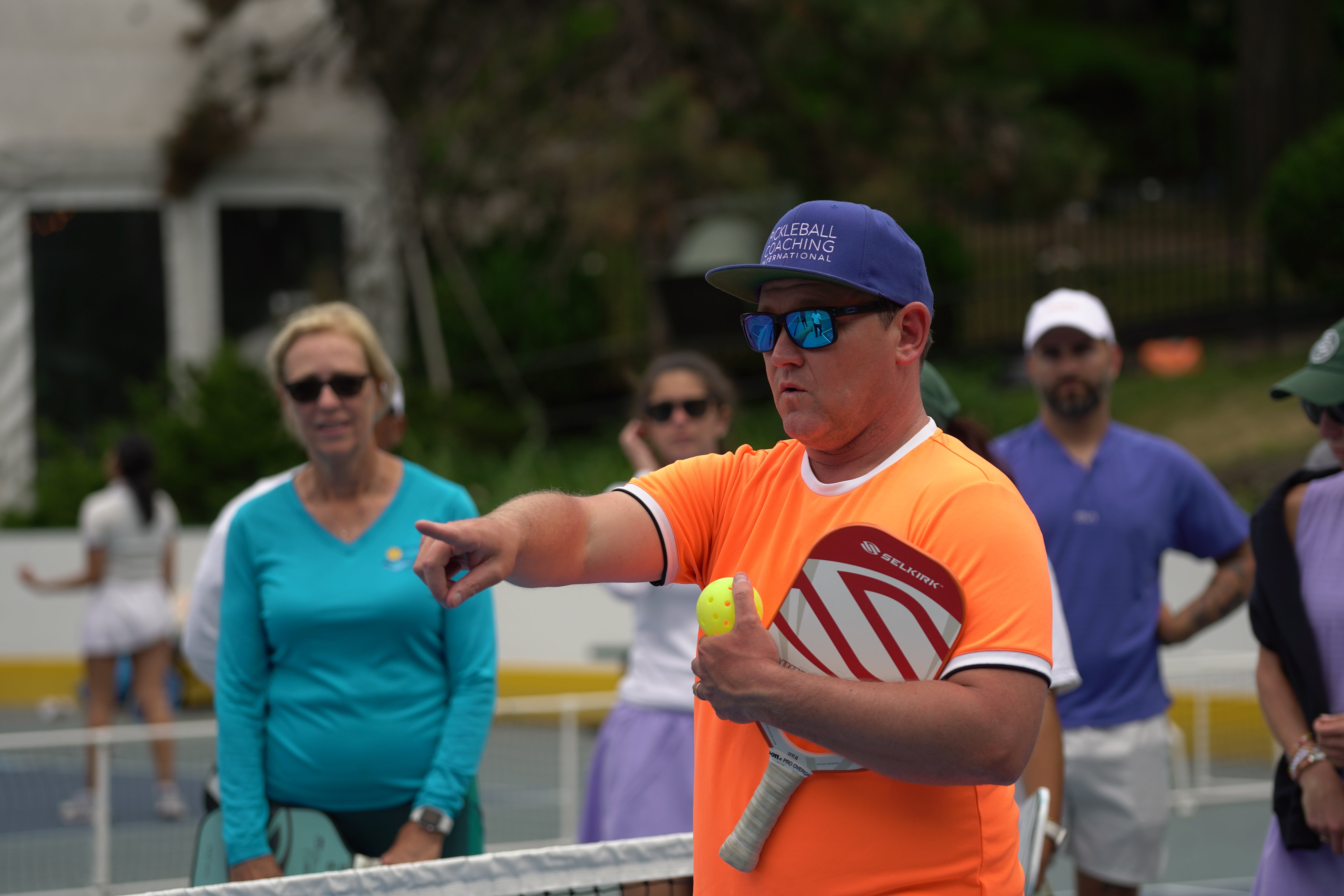
Get Certified: The Key to Credibility
Once you have a firm grasp of the game, the next step is getting certified. Certification is your badge of honor. It tells potential students, clubs, and employers that you have met a professional standard of knowledge and teaching ability. It provides you with credibility and, just as importantly, often comes with liability insurance, which is essential for any coach. This is a vital part of learning how to become a pickleball instructor.
In the United States, there are a few main organizations that are widely recognized for their pickleball instructor certification programs. Each has a slightly different approach, but all are dedicated to creating high-quality coaches.
Here are the primary certification bodies to explore:
- PPR (Professional Pickleball Registry): Known for its comprehensive training workshops, PPR focuses heavily on teaching methodology and practical on-court skills.
- IPTPA (International Pickleball Teaching Professional Association): IPTPA prides itself on a rigorous testing process that ensures its certified members have a deep understanding of shot mechanics and error correction.
- PCI (Pickleball Coaching International): PCI offers a robust online learning platform combined with in-person workshops, making it accessible for people with busy schedules.
The certification process typically involves attending a workshop, passing a written exam on rules and methodology, and successfully completing an on-court skills and teaching assessment. Don't be nervous about this process; view it as an opportunity to learn from seasoned professionals and refine your own teaching skills.
Gain Practical Teaching Experience
A certificate on your wall is a great start, but nothing replaces real-world teaching experience. This is where you translate your knowledge into effective communication. The best way to learn how to become a pickleball instructor is by actually instructing. You’ll quickly discover that explaining a concept and demonstrating a skill are two very different things.
My first-ever lesson was with a group of complete beginners. I had a detailed plan, but I quickly learned that I was talking too technically. They didn't need to know the physics of topspin; they needed to learn how to make contact with the ball. That day taught me the power of simplicity and patience, lessons you can only learn by doing.
Here are some great ways to start gaining experience:
- Offer to teach friends and family for free. This is a low-pressure way to practice your explanations and drills.
- Volunteer at a local community center or parks and recreation department. They are often looking for help with beginner clinics.
- Ask a respected local instructor if you can shadow or assist them. You can learn an immense amount by observing an expert at work.
- Host a free "Intro to Pickleball" clinic at a public court to build your confidence and gather testimonials.
Develop Your Coaching Philosophy and Style
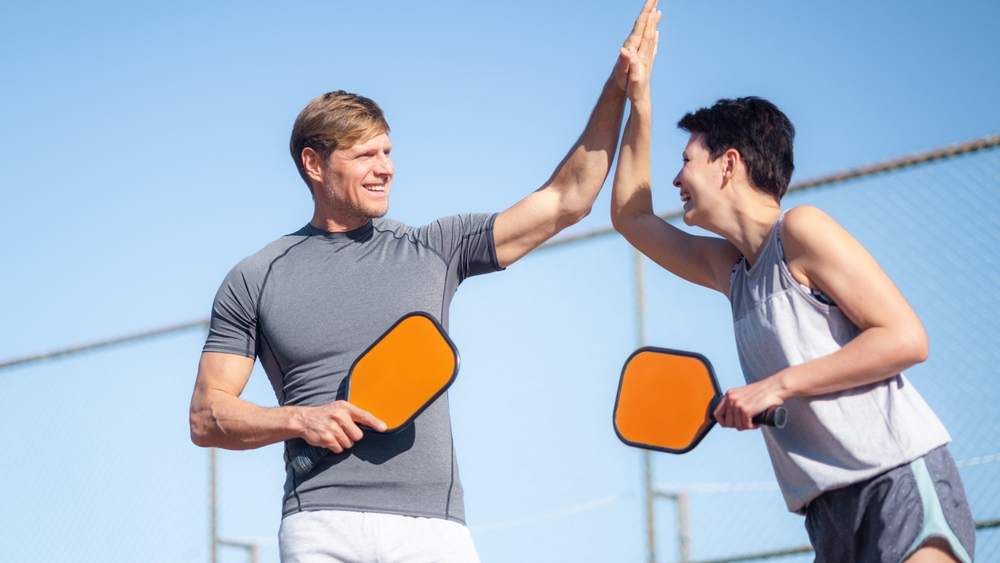
As you gain experience, you'll begin to develop your own unique coaching style. Are you a high-energy motivator who thrives on drills and fast-paced action? Or are you more of a calm, analytical coach who focuses on fine-tuning technique? There is no single "right" way to teach. The best instructors adapt their style to the needs of their students.
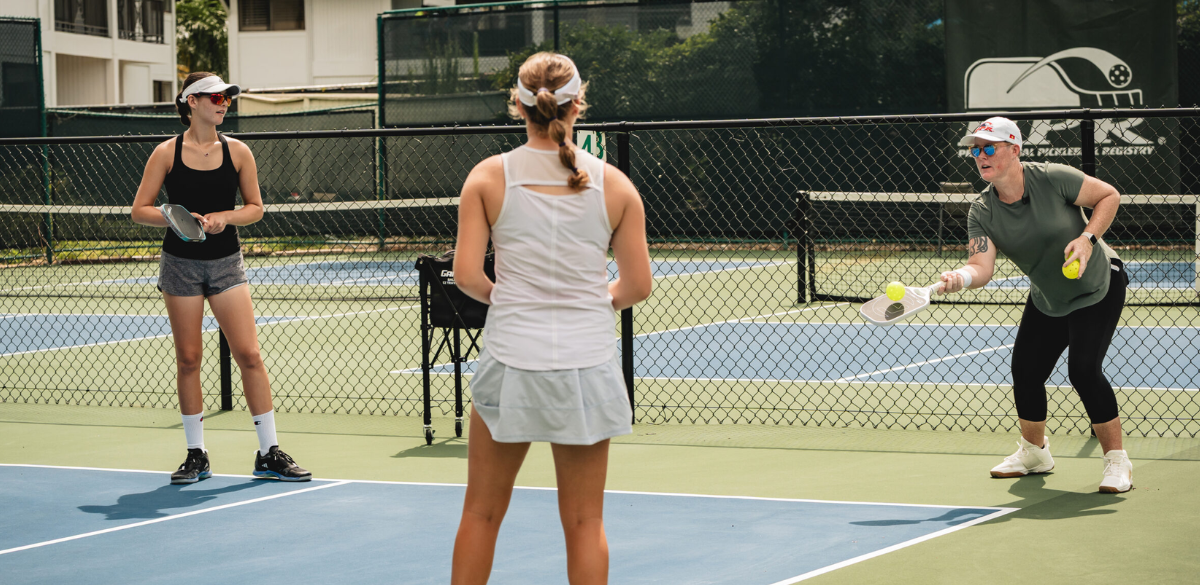
Part of developing your style is deciding who you want to teach. Your approach for coaching children will be very different from how you instruct competitive tournament players or active seniors. Thinking about your ideal student will help you create effective lesson plans. A good instructor never just wings it. They arrive at the court with a clear plan for what they want to accomplish during the session, whether it's improving the serve or mastering the third-shot drop. This planning is a hallmark of a professional who knows how to be a pickleball instructor.
Handle the Business Side of Coaching
Finally, to be a successful pickleball instructor, you need to think like a business owner. This part can feel intimidating, but breaking it down into small, manageable steps makes it much easier. You have the skills to teach; now you just need to build the structure to support your new career.
This is the practical side of how to become a pickleball instructor that often gets overlooked. You need to protect yourself and present a professional image to your clients.
Key business tasks to tackle include:
- Getting Liability Insurance: This is non-negotiable. Certification bodies often offer insurance options, or you can find policies specifically for sports instructors.
- Setting Your Rates: Research what other certified instructors in your area are charging. Factor in your experience, certification level, and the type of lesson (private, semi-private, or group).
- Marketing Yourself: Start simple. Create a basic flyer to post at local courts. Start a social media page to share tips and post your availability. Word-of-mouth is powerful, so do a great job with your first few clients.
- Managing Bookings: Use a simple calendar app or a dedicated online booking tool to manage your schedule and accept payments. This keeps you organized and makes it easy for students to book with you.

Frequently Asked Questions
How much do pickleball instructors make?
The income for a pickleball instructor can vary widely based on location, experience, and the number of clients. Generally, instructors charge anywhere from $40 to $100+ per hour for private lessons.
Do I need to be a pro player to teach pickleball?
No, you do not need to be a 5.0-rated tournament champion to be an excellent instructor. It is more important to be a clear communicator and have a deep understanding of the fundamentals and strategies of the game.
How long does it take to get certified as a pickleball instructor?
The certification process itself, including the workshop and testing, can typically be completed over a weekend. However, the time it takes to gain the necessary playing skill and knowledge beforehand will vary for each individual.
What is the best certification for a new instructor?
The "best" certification depends on your learning style and goals. PPR, IPTPA, and PCI are all highly respected, so it's a good idea to research each one to see which program's philosophy aligns best with yours.
Can I teach pickleball without being certified?
While you technically can, it is not recommended. Certification provides you with credibility, essential teaching methodologies, and access to liability insurance, which protects both you and your students.
Conclusion
The path to becoming a pickleball instructor is a blend of passion, dedication, and smart preparation. It starts with truly mastering the game, moves on to validating your skills through certification, and blossoms as you gain hands-on experience and develop your unique coaching voice. By handling the business side with professionalism, you can build a rewarding and sustainable career in the sport you love.
The demand for knowledgeable and inspiring instructors has never been higher. You have the roadmap, so the only question left is: what's your first move? Take that first step, whether it's signing up for a tournament or researching certification workshops. The courts are waiting for you.