Regripping a pickleball paddle involves removing the old grip, cleaning the handle, and wrapping a new grip on tightly.
As a long-time pickleball player, I've seen countless matches won or lost not because of skill, but because of equipment. A worn-out grip can betray you at the worst moment, causing a slip that sends your dink into the net. This guide is more than just a set of instructions; it's the experience I've gained from regripping hundreds of paddles for myself and my club members. We'll walk you through exactly how to regrip a pickleball paddle, ensuring your connection to your paddle is as strong and reliable as your third-shot drop.
Why Regripping Your Paddle is a Game-Changer
Think of your paddle's grip as the tires on a car. When they’re fresh, you have perfect traction, control, and confidence. But as they wear down, you start to slip and lose that precise feel. Regripping your paddle restores that "like-new" connection, giving you a huge advantage on the court.
A fresh grip improves your shot accuracy by preventing the paddle from twisting in your hand during impact. It also absorbs sweat and vibrations more effectively, which reduces fatigue in your hand and arm. For me, the biggest benefit is the confidence boost. Knowing my grip is secure allows me to focus completely on my strategy, not on whether my paddle will slip. Learning how to regrip a pickleball paddle is a fundamental skill for any serious player.

Signs You Need to Regrip Your Paddle
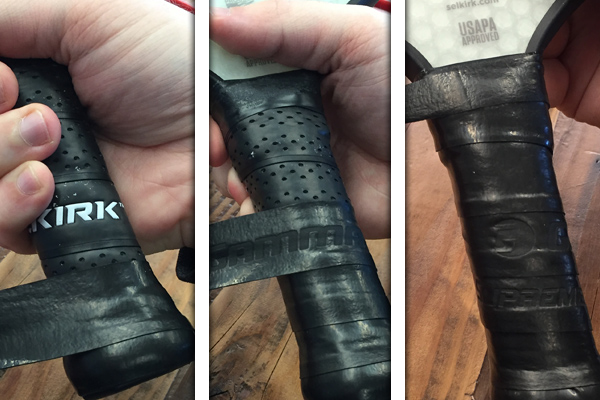
Your paddle will give you clear signals when it’s time for a new grip. The most obvious sign is visible wear and tear. You might see thinning spots, fraying edges, or areas where the grip has become smooth and shiny from use. It's time for a change if the grip feels slick or you find yourself constantly adjusting your hand.
Another telltale sign is a loss of tackiness. A good grip should feel slightly sticky, giving you a secure hold. If it feels more like a dusty old book, its best days are behind it. I personally check my grip before every game; if I can't feel that familiar tackiness or if my hand slips even slightly, I know it's time to learn how to regrip a pickleball paddle. Don't wait for it to cost you a point to make a change.

Gathering Your Supplies: What You'll Need
Before you start, it's best to have everything you need laid out and ready to go. This makes the process smooth and prevents any mid-project scrambling. Thankfully, you don’t need a full workshop to get the job done.
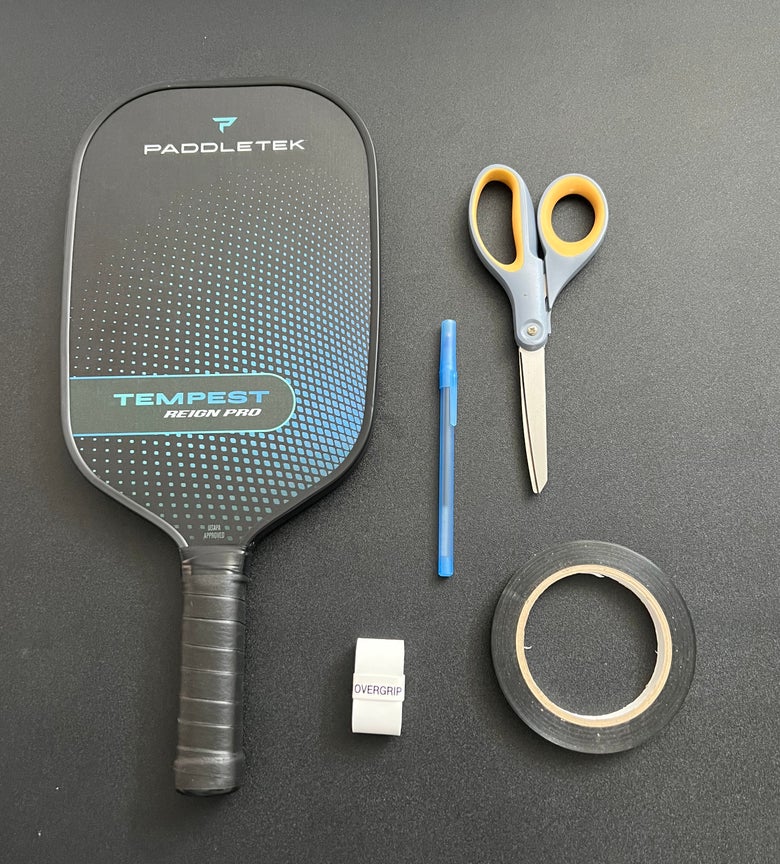
Here’s a simple checklist of the essentials:
- A new pickleball replacement grip or overgrip.
- A pair of scissors for trimming the excess tape.
- The finishing tape that usually comes with the new grip.
- Optional: A flat-head screwdriver or a key to help pry off the old staple.
- Optional: Rubbing alcohol and a cloth to clean any old adhesive off the handle.
Having these items on hand will make the entire process of how to regrip a pickleball paddle take less than ten minutes.
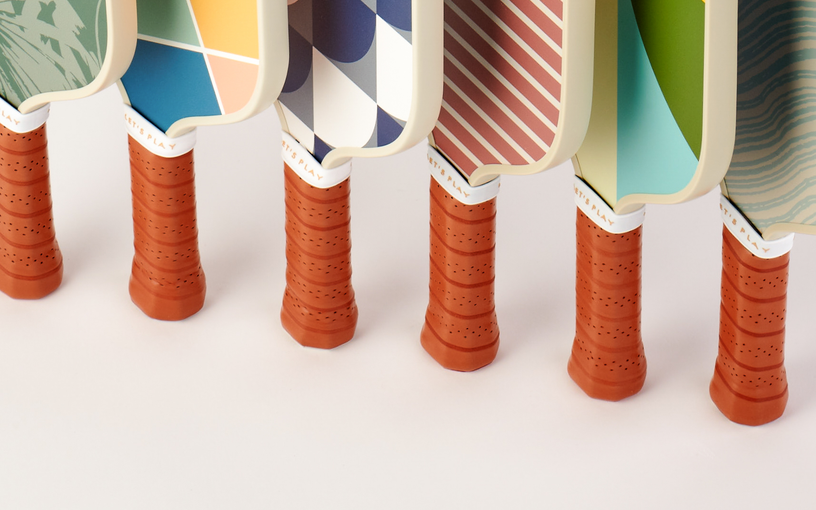
Step-by-Step Guide on How to Regrip a Pickleball Paddle
Ready to give your paddle a new lease on life? Follow these simple steps. I’ve broken down the process exactly how I do it, ensuring a perfect, tight wrap every time. Take your time on your first try, and soon you'll be a pro.
- Remove the Old Grip: Start by peeling off the finishing tape at the top of the handle. Then, begin unwrapping the old grip from top to bottom. Once you reach the butt cap, you might find a small staple holding it in place; you can use a screwdriver or key to gently pry it out.
- Clean the Handle: Once the old grip is off, you might see some leftover adhesive residue. To ensure the new grip sticks properly, wipe the handle down with a cloth and a little rubbing alcohol. This creates a clean, smooth surface for the new grip to adhere to.
- Prepare the New Grip: Unroll your new grip. You'll notice one end is tapered, and there's a small piece of adhesive on the back of it. Peel off the backing from this adhesive tab. Most grips also have a thin plastic film over the entire front side; leave this on until you are completely finished wrapping.
- Start Wrapping at the Butt Cap: Take the tapered end of the grip and stick it to the bottom of the paddle handle, right on the butt cap. Some players like to start at a slight angle, while others start parallel to the edge of the butt cap. I find starting parallel gives a cleaner look.
- Wrap Up the Handle: Now, begin wrapping the grip up the handle. The key here is to maintain consistent tension and overlap. You should overlap the grip by about 1/8 of an inch with each rotation. This creates those nice, even ridges you see on a professionally gripped paddle. Keep the grip taut as you go, but don't stretch it out too much.
- Cut the Excess Grip: Once you reach the top of the handle, continue wrapping at the same angle until you run out of handle space. Mark the point where the grip ends with your thumbnail. Unwrap it slightly, and use your scissors to cut a straight line along that mark for a clean finish.
- Secure with Finishing Tape: Re-wrap the final section of the grip and hold it firmly in place. Take the finishing tape that came with your grip and wrap it around the top edge, securing the grip to the handle. Make sure half the tape is on the grip and half is on the paddle neck for a secure hold. Now you can peel off the protective plastic film, and you're done!

Common Mistakes to Avoid When Regripping
Learning how to regrip a pickleball paddle is easy, but a few common errors can lead to a less-than-perfect result. The first mistake I see is not applying enough tension. If the wrap is too loose, it will bunch up and slide around during play, which is both uncomfortable and dangerous.
Another frequent issue is inconsistent overlapping. If you overlap too much, you'll run out of grip before reaching the top of the handle. If you overlap too little, you'll leave gaps where the bare handle is exposed. Aim for that sweet spot of about 1/8 inch for a comfortable, professional-feeling result. Finally, remember to wrap in the correct direction for your dominant hand to prevent the seams from rolling under your fingers.
Replacement Grip vs. Overgrip: What's the Difference?
Understanding the difference between a replacement grip and an overgrip is crucial. A replacement grip is the primary grip that is applied directly to the bare handle of the paddle. It's thicker, has a cushioned feel, and comes with an adhesive backing to stick it securely. This is what you use when your original factory grip is completely worn out.
An overgrip, on the other hand, is a much thinner grip that is wrapped on top of your existing replacement grip. It’s designed to be changed frequently and is perfect for players who want extra tackiness, sweat absorption, or to slightly build up the size of their handle. You should never apply an overgrip directly to the bare paddle handle, as it provides no cushioning. Knowing which one you need is the first step in knowing how to regrip a pickleball paddle correctly.

Frequently Asked Questions
How often should I regrip my pickleball paddle?
This depends on how often you play. A general rule of thumb is to regrip it as many times a year as you play in a week. So, if you play three times a week, you should plan on regripping it about three times a year.
Can I put a new grip over the old one?
You should only do this with an overgrip. Never put a new replacement grip over an old one, as it will make the handle too thick and lumpy. Always remove the old replacement grip before installing a new one.
Does regripping my paddle change its balance?
Yes, but only slightly. A new grip can add a few grams of weight to the handle, which can make the paddle feel a little more head-light. Most casual players will not notice a significant difference in performance.
What is the difference between a tacky and a dry grip?
A tacky grip has a sticky feel that helps you hold onto the paddle securely, which is great for control. A dry grip is designed to absorb sweat and is preferred by players with very sweaty hands to prevent slipping.
Can I use tennis grip on a pickleball paddle?
Yes, you can absolutely use a tennis replacement grip or overgrip on a pickleball paddle. The materials and application process are identical. Just make sure the length is sufficient for your paddle's handle.
Conclusion
Mastering how to regrip a pickleball paddle is a simple yet powerful skill that puts you in control of your game. It ensures your equipment is always in top condition, giving you the confidence to play your best shots without worrying about a slippery handle. A fresh grip can genuinely transform how your paddle feels and performs on the court.
Now that you have the knowledge, don't wait for a worn-out grip to cost you a match. Grab a new grip and give your paddle the upgrade it deserves. You’ll be surprised at what a difference ten minutes and a fresh wrap can make. What are your go-to grips? Share your favorites in the comments below