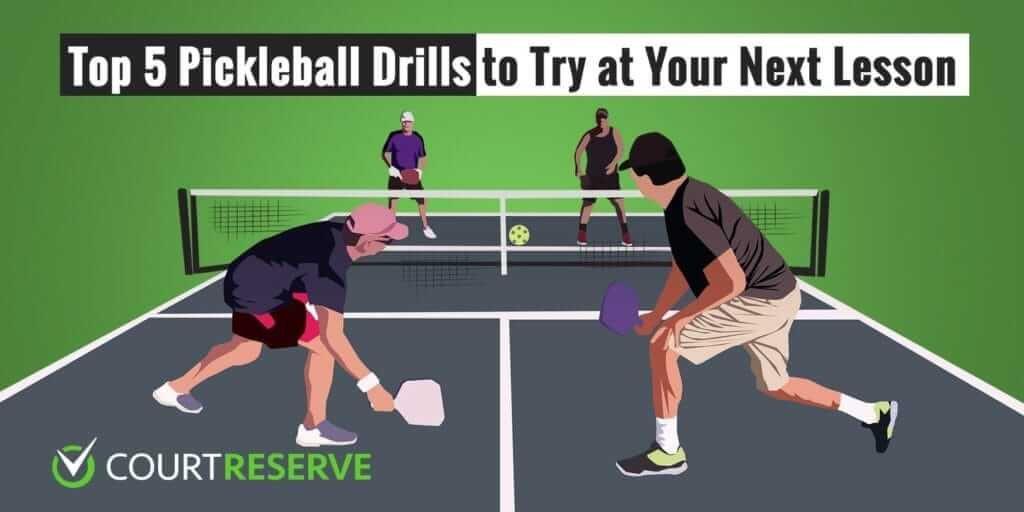
Pickleball can be hard on your lower back due to its quick twisting motions and constant forward-leaning posture.
You've fallen in love with pickleball—the fast pace, the social atmosphere, the satisfying pop of the ball. But after a few games, you might have noticed a new, unwelcome partner on the court: a nagging ache in your lower back. As a long-time player and enthusiast, I’ve seen this happen to countless friends and have felt that familiar twinge myself. The question, "is pickleball hard on your lower back?" is one of the most common I hear. The truth is, it certainly can be, but it doesn't have to be a game-ender. In this guide, we’ll dive deep into why pickleball challenges your back and, more importantly, what you can do to play pain-free for years to come.

Why Pickleball Can Strain Your Lower Back
Pickleball seems like a low-impact sport, and in many ways, it is. The court is smaller than a tennis court, meaning less ground to cover. However, the unique mechanics of the game place specific demands on your body, particularly your lumbar spine. Understanding these movements is the first step to protecting yourself.
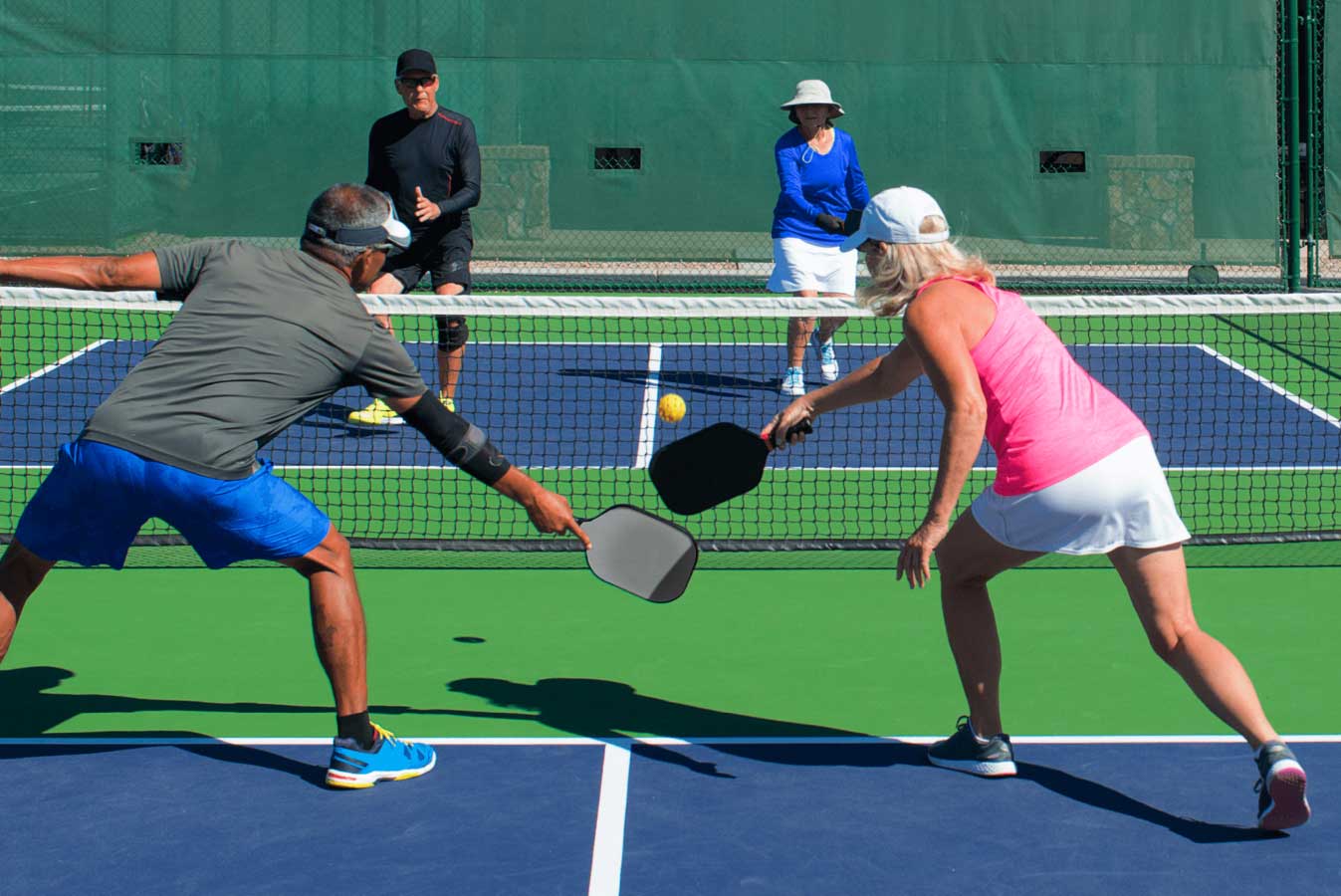
The biggest culprit is the constant "ready" position. Players spend a significant amount of time in a semi-squat, bent forward at the waist. This posture places continuous stress on the muscles and ligaments supporting your lower back. Think of it like holding a bowling ball out in front of you; it gets heavy fast. Your back muscles are doing that same work for your entire upper body throughout the game.
Another major factor is the rapid, rotational movement. When you swing to hit a forehand or backhand, you are twisting your torso. If this rotation comes primarily from your lower back instead of your hips and core, you’re putting your spinal discs at risk. Add in the quick stops, starts, and lunges for low dinks near the net, and you have a perfect recipe for lower back strain. The repetitive nature of these movements compounds the issue, turning minor stress into a chronic ache. This is a key reason why so many players wonder if pickleball is hard on your lower back.

Are You at Higher Risk for Back Pain from Pickleball?
Not everyone who steps onto a pickleball court will walk off with a sore back. Several factors can increase your susceptibility to injury. Knowing where you stand can help you take proactive steps to prevent pain before it starts. Your personal fitness and history play a huge role.
One of the most significant risk factors is a weak core. Your core muscles—the abdominals, obliques, and lower back muscles—act as a natural brace for your spine. When they are weak, your spine is less supported, and the stress from pickleball's twisting and bending movements is transferred directly to your spinal joints and discs. It’s like trying to build a house on a shaky foundation.
Similarly, poor flexibility, especially in your hamstrings and hip flexors, can contribute to back pain. Tight hamstrings pull on your pelvis, flattening the natural curve of your lower back and increasing stress. Tight hip flexors can also alter your pelvic alignment, forcing your lower back to compensate. If you already have a pre-existing back condition, like a herniated disc or spinal stenosis, the demands of the sport can certainly make the problem worse.
How to Protect Your Lower Back While Playing Pickleball
The great news is that you don't have to choose between your back and your favorite sport. By incorporating a few key strategies into your routine, you can significantly reduce the strain on your lower back and keep playing comfortably. It’s all about playing smarter, not just harder.
Always Warm-Up and Cool-Down
Jumping onto the court cold is a major mistake. A proper warm-up increases blood flow to your muscles, making them more pliable and less prone to injury.
- Start with 5 minutes of light cardio, like jogging in place or jumping jacks.
- Follow up with dynamic stretches. These are active movements that take your joints and muscles through a full range of motion. Think leg swings, arm circles, and torso twists.
- After your game, a cool-down is just as important. Perform static stretches, holding each for 20-30 seconds. Focus on your hamstrings, glutes, hip flexors, and lower back.
Focus on Proper Form
How you move on the court matters more than anything.
- Bend your knees, not your waist. When going for a low shot, get down by squatting. This engages your powerful leg muscles and takes the pressure off your back.
- Stay balanced. Keep your feet shoulder-width apart to maintain a stable base.
- Rotate through your hips. When you swing, initiate the movement from your hips and core, not by twisting your lower back. This generates more power and protects your spine.
Strengthen Your Core and Supporting Muscles
A strong core is your best defense against back pain. Incorporate exercises that target the muscles around your midsection.
- Planks: These are excellent for building overall core stability.
- Bird-dog: This exercise strengthens your deep core muscles and improves balance.
- Glute bridges: Strong glutes help support the pelvis and lower back, reducing strain.
Choose the Right Equipment
Your gear can make a difference. Wear supportive court shoes with good cushioning to absorb impact. Some players also find that using a paddle with a slightly longer handle can help reduce the need to bend over as far for low shots, which can be a small but helpful adjustment if you are concerned that pickleball is hard on your lower back.
Frequently Asked Questions about Pickleball and Lower Back Pain
Is pickleball worse for your back than tennis?
Not necessarily. While tennis involves more powerful rotation and ground coverage, pickleball’s constant forward posture and quick, jerky movements can also be very taxing. The strain is different but can be just as significant for some individuals.
Can I play pickleball with a pre-existing back condition?
You should always consult your doctor or physical therapist first. In many cases, playing with modifications, proper form, and a focus on core strength is possible, but it depends entirely on your specific condition.
What are the first signs of a back injury from pickleball?
Early warning signs include a dull ache in the lower back after playing, stiffness in the morning, or sharp pain during specific movements like twisting or bending. Don't ignore these signals; they are your body's way of telling you to ease up.
How long should I rest my back if it hurts after playing?
For minor muscle soreness, a day or two of rest, gentle stretching, and maybe some ice might be enough. If the pain is sharp, persistent, or radiates down your leg, it's crucial to stop playing and see a medical professional.
Are there any specific pickleball shots that are tougher on the back?
Low dinks are often the most problematic shot because they require significant forward bending from the waist. Aggressive overhead smashes can also strain the back if you over-arch without engaging your core.
Conclusion
So, is pickleball hard on your lower back? It has the potential to be, but the power to prevent pain is largely in your hands. By focusing on a solid warm-up, using proper form, and building a strong, flexible body off the court, you can mitigate the risks. Pickleball is a fantastic sport for people of all ages, and a little proactive care ensures that a sore back won't keep you from enjoying it.
Now that you have the tools to protect your spine, it's time to put them into practice. Listen to your body, make these strategies a regular part of your routine, and get ready to enjoy many more hours on the court. What are your favorite tips for keeping your back healthy while playing? Share them in the comments below