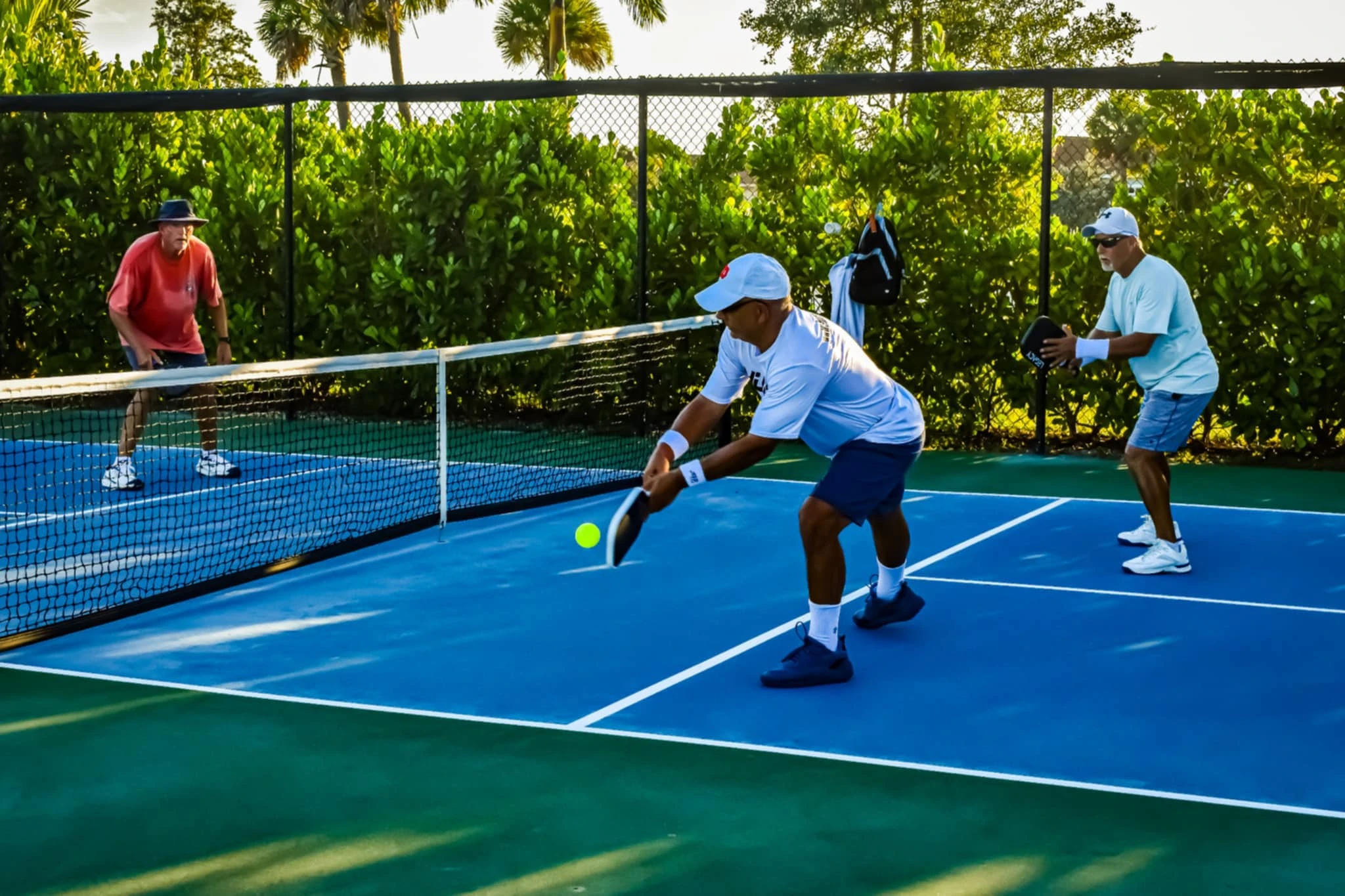
Pickle ball can strain the back, but with smart play and care it usually is not harmful.
I have worked with recreational players and read clinical research on sports injuries. I will walk you through whether is pickle ball bad for your back, why some players get pain, and how to play safely. This guide blends real-world tips, expert insight, and easy steps you can use today to protect your spine while enjoying the game.

How pickleball affects your back
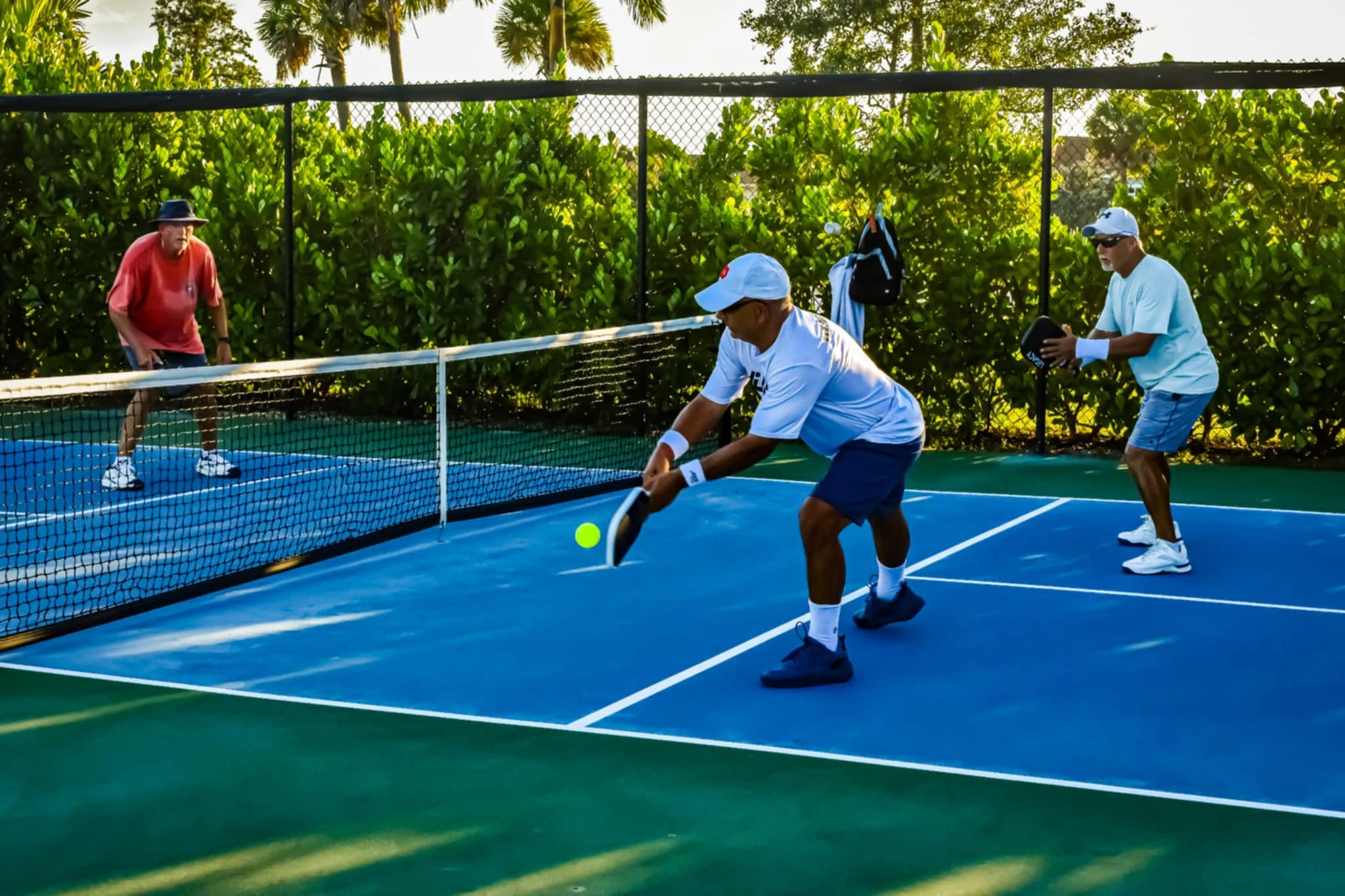
Pickleball is a fast game with quick moves. Is pickle ball bad for your back? For many people, no. For others, repetitive twists and sudden lunges can trigger pain. Your spine reacts to force, posture, and fatigue. If you have a weak core or past spine issues, the game can flare symptoms.
Common spine stresses in pickleball include:
- Sudden rotation from hitting a volley.
- Forward bend during low shots.
- Quick lateral steps and stops.
- Repetitive short sprints and reach.
I have seen players with mild low back strain after a long match. They often lifted with the wrong muscles or played while tired. Simple technique fixes and drills cut their pain fast.

Common back injuries linked to pickleball
Many injuries are not severe. Is pickle ball bad for your back in terms of injury risk? It can cause or worsen:
- Muscle strain in the lower back from overuse.
- Lumbar sprain after a twist or fall.
- Disc irritation when bending and rotating under load.
- Sciatic-like pain if a nerve is pinched.
Most of these are avoidable. Proper warm-up and pacing keep risk low. If pain is sharp, radiates down a leg, or lasts more than a few days, seek medical care. Studies show most recreational court sports cause more soft-tissue aches than serious spine damage.

Who is at higher risk
Is pickle ball bad for your back for everyone? No. But some people face higher risk:
- Older players with prior spine problems.
- People with weak core or glute muscles.
- Players with poor footwork or rigid technique.
- Those who return from injury too fast.
If you have chronic back pain, ask your doctor or physical therapist about a tailored plan. A short fitness program that builds core tone and hip mobility makes a big difference.
How to prevent back pain while playing
Preventing pain is simple and practical. Ask “is pickle ball bad for your back” and then use these steps to answer it with action:
- Warm up for 8 to 10 minutes with light cardio and gentle spine moves.
- Do dynamic stretches for hips, hamstrings, and low back before play.
- Build core strength with simple moves done three times per week.
- Learn footwork to reduce reaching and twisting.
- Use body rotation from hips, not only the lower back.
- Rest during long play and ice any flare-ups early.
From my experience, players who do five minutes of core work and a short mobility routine feel stronger and play longer. Small habits avoid most pain.
Equipment, technique, and court choices
The right kit helps a lot. Is pickle ball bad for your back if you use poor gear? Often yes. Consider:
- Paddle weight: Too heavy a paddle can increase strain on your back and shoulder.
- Shoes: Use court shoes with good lateral support and cushioning.
- Court surface: Softer courts reduce impact over hard surfaces.
- Grip and swing: A compact swing with body rotation reduces load on your lumbar spine.
I once saw a player switch to a lighter paddle and add daily hamstring stretches. Their back pain dropped within two weeks. Gear and technique work together to protect your spine.

When to see a professional
If you ask “is pickle ball bad for your back” because you feel real worry, watch your symptoms. See a professional if you have:
- Severe pain that started suddenly.
- Pain that radiates into a leg or causes numbness.
- Weakness in a foot or leg.
- Pain that does not improve with rest and short home care.
A clinician can test movement, rule out serious problems, and guide rehab. They may recommend a short exercise plan. Early action often prevents a long layoff.
My personal lessons from the court
I have played many matches and worked with players who feared the game. Here are real lessons I learned:
- Warm up every time. I skip matches less when I prepare.
- Keep core work simple. Ten minutes, three times a week helped me avoid flare-ups.
- Rest is not weakness. If my back feels off, I skip one match to avoid pain later.
- Learn to let balls go. Reaching for every shot risks my back and adds little benefit.
These small steps saved me weeks of pain in the past. They can help you too.

Sample warm-up and core routine (easy to follow)
Try this 10-minute prep before play:
- Five minutes light cardio such as brisk walking or easy jogging.
- Hip swings and leg swings, 10 per side.
- Cat-cow spine moves, 10 slow reps.
- Glute bridges, 12 reps.
- Bird-dog holds, 8 per side.
Do short core sets on off days too. Consistency beats intensity.

Is pickle ball bad for your back — final assessment
Is pickle ball bad for your back? For most people, no. It can cause pain if you have prior issues, poor technique, or weak core muscles. With the right warm-up, gear, and movement habits, pickleball is a safe and fun way to stay fit. If you have signs of serious nerve issues, get help right away. Play smart, and the game will help your health, not harm it.
Frequently Asked Questions of is pickle ball bad foe your back
Will pickleball make my old back injury worse?
Pickleball can aggravate old injuries if you push too hard. Use gradual return-to-play and follow rehab advice from a clinician.
How can I stop my lower back from hurting during play?
Warm up, strengthen your core, use good footwork, and avoid overreaching. Short rests and icing after play can help too.
Are lighter paddles better for back health?
Lighter paddles often reduce strain on the back and shoulder. Try a few options to find a weight that feels balanced.
Can stretching alone protect my back for pickleball?
Stretching helps but is not enough alone. Combine mobility work with strength and technique training for best protection.
When should I stop playing and see a doctor?
Stop and seek care if you have severe pain, numbness, weakness, or pain that lasts more than a few days despite rest.
Conclusion
Pickleball can be played safely. Use warm-ups, core work, good gear, and smart technique to lower risk. If you feel unsure, get a quick check from a clinician and follow a short rehab plan. Take one small step today: try a simple warm-up and a lighter paddle next time you play. Share your experience or questions below, and consider subscribing for more tips on safe play and injury prevention.