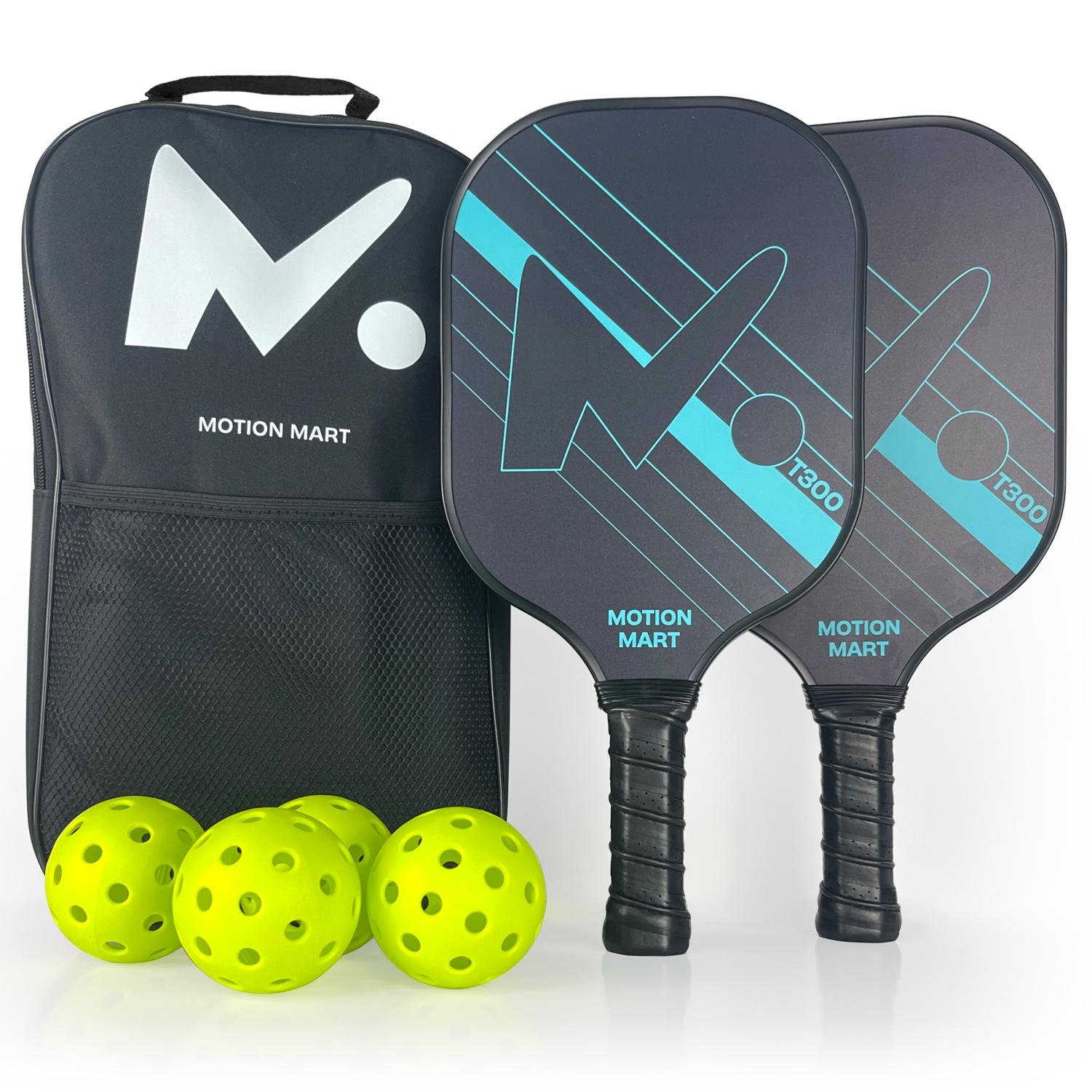
Intermediate pickleball paddles balance power, control, and feel for players improving fast.
I’ve played and tested many paddles over the past five years, and I know what works for advancing players. This guide on pickleball paddles intermediate is based on hands-on play, player feedback, and equipment testing. Read on to get clear advice, real lessons, and practical steps to pick the right intermediate paddle that fits your style and helps your game grow.

Why choose intermediate pickleball paddles?
Intermediate players need gear that helps them improve. Pickleball paddles intermediate models sit between beginner forgiving paddles and pro-level specialty tools. They blend control, power, and feel so you can learn volleys, dinks, and drives without fighting the paddle.
Choosing a proper intermediate paddle speeds learning. You will hit more consistent shots. You will make fewer unforced errors and gain confidence at the net.
Pickleball paddles intermediate designs often tune sweet spot size, surface texture, and weight. These adjustments help you develop stroke mechanics and shot placement. That makes practice translate faster to match wins.
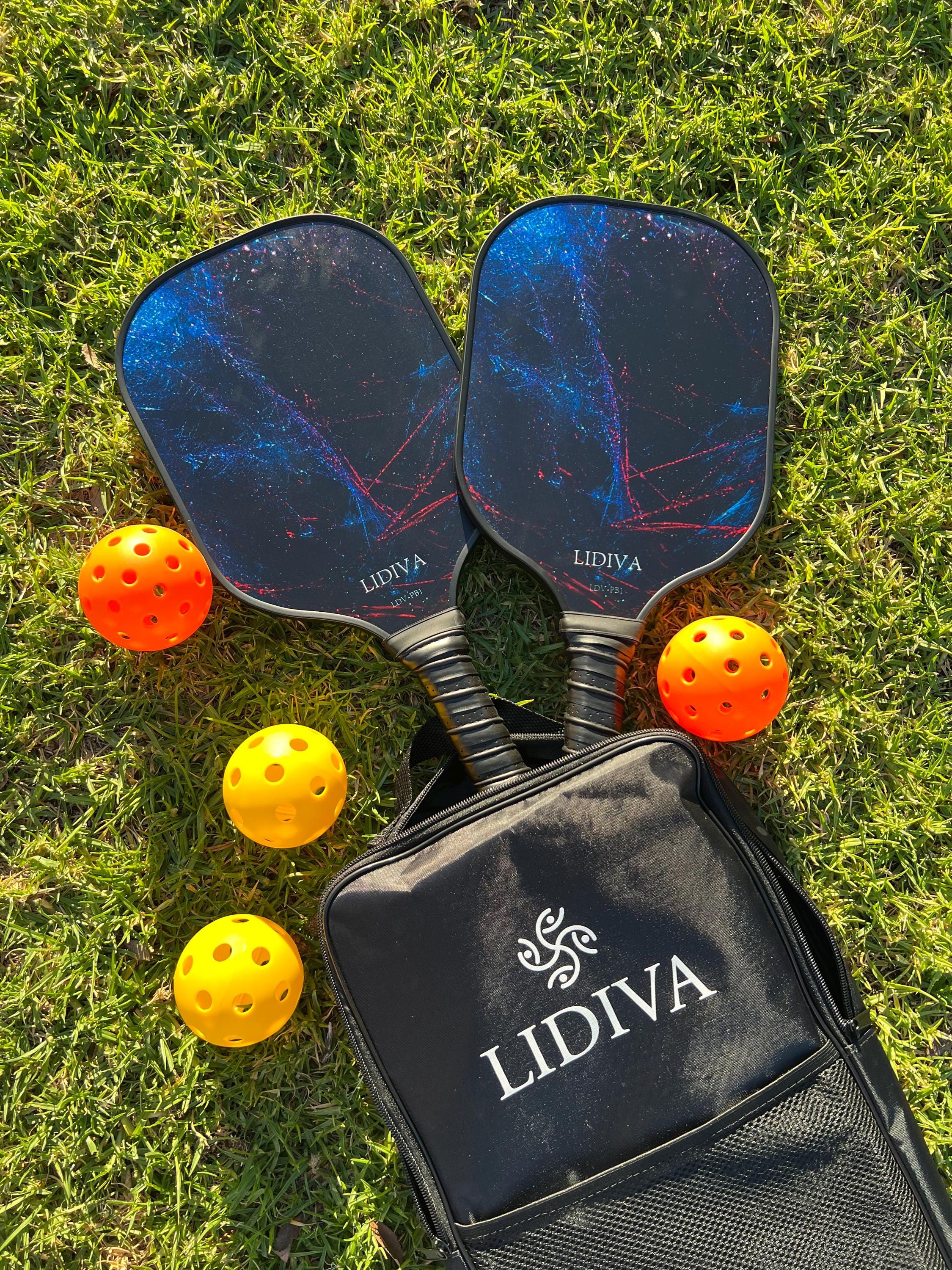
Key features of intermediate paddles
When shopping for pickleball paddles intermediate options, focus on these features. Each affects how the paddle feels and how you play.
- Weight
- Midweight range 7.6–8.2 oz is common for intermediate players. It balances power and control and reduces fatigue on long sessions.
- Grip size
- Choose a grip that fits your hand. A correct grip improves wrist control and reduces injury risk.
- Core material
- Polymer cores give soft feel and control. Nomex or aluminum cores add pop and speed. Pick a core to match your style.
- Face material
- Graphite faces give crisp feel and control. Fiberglass adds power. Composite faces aim to balance both.
- Paddle shape
- Standard shapes give a good sweet spot. Elongated shapes add reach and power but reduce sweet spot size.
- Surface texture
- Slight texture helps spin without being too grabby. Too much roughness can be unpredictable.
- Balance and sweet spot
- Even balance helps maneuverability. A larger sweet spot helps consistent contact and skill building.
These features define what you get from pickleball paddles intermediate models. Match the features to your current skill gaps and goals.

How to choose the right intermediate paddle
Follow a simple process to pick a paddle you will keep using.
- Assess your style and goals
- Are you a baseline player who wants power? Or a net player who needs touch? Your style steers choices.
- Test weight and grip
- Try paddles in the 7.6–8.2 oz range first. Hold the paddle for several swings to feel comfort and control.
- Compare core and face materials
- If you want more control, try polymer core with graphite face. If you want drive power, try fiberglass face or stiffer core.
- Check shape and balance
- A wider paddle helps dinking. An elongated paddle helps reach and drive. Pick the shape that matches your strengths.
- Demo before buying
- Play at least one set with a paddle. Short demos can feel different in real play than in a store.
- Factor budget and warranty
- Mid-tier paddles give best value for intermediate players. Look for a warranty and good customer service.
Following these steps reduces buyer’s remorse and helps you improve with the right tool.
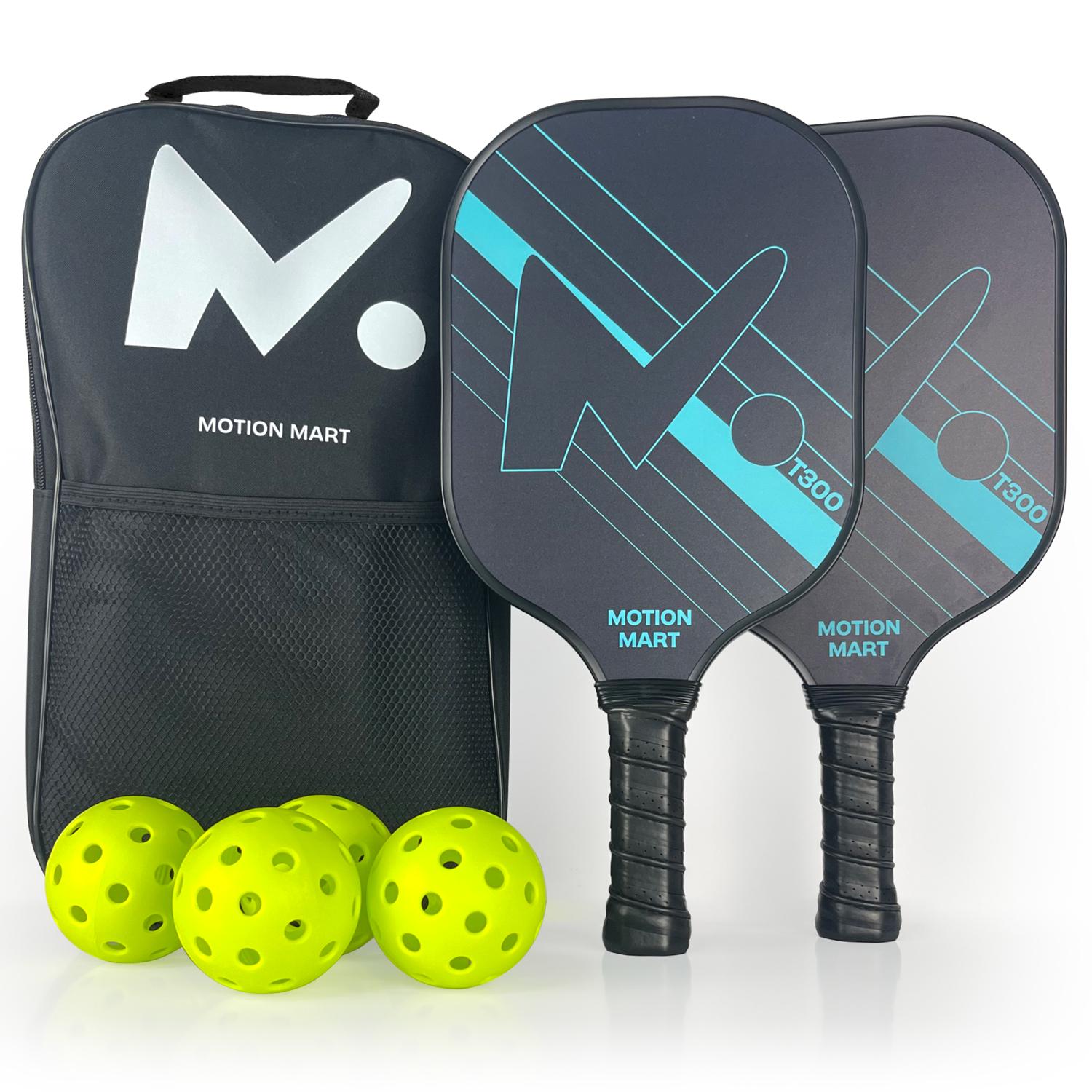
Practical recommendations and play-tested tips
Here are practical suggestions based on play tests and coaching sessions.
- For control-first players
- Try a midweight graphite-face paddle with a polymer core. Expect better feel and softer returns.
- For power-first players
- Consider a slightly heavier paddle with a fiberglass face or firmer core. You will gain speed on drives.
- For all-around improvement
- Choose a balanced shape and midweight paddle. This lets you work on dinks, volleys, and groundstrokes equally.
- Grip and tape tips
- Replace worn grips quickly. Use a thin overgrip if you need a slightly smaller size.
- Edge guards and sweet spot
- A good edge guard protects the paddle. Practice hitting different spots to expand your sweet spot.
Personal note: I switched from a heavy fiberglass paddle to a midweight graphite model at an intermediate level. My net play and dinks improved in two weeks. That switch cut my unforced errors and made rallies longer and more manageable.

Maintenance and care for intermediate paddles
Keep your paddle in top shape. Simple care extends life and performance.
- Clean the face gently after play with a damp cloth and mild soap.
- Avoid leaving paddles in hot cars; heat can warp cores and glue.
- Replace grips when they feel slick or compressed.
- Check edge guards for wear and replace if dented or loose.
- Store paddles in a padded bag to prevent dents and scratches.
Good care keeps feel consistent. It also protects your investment in pickleball paddles intermediate models.
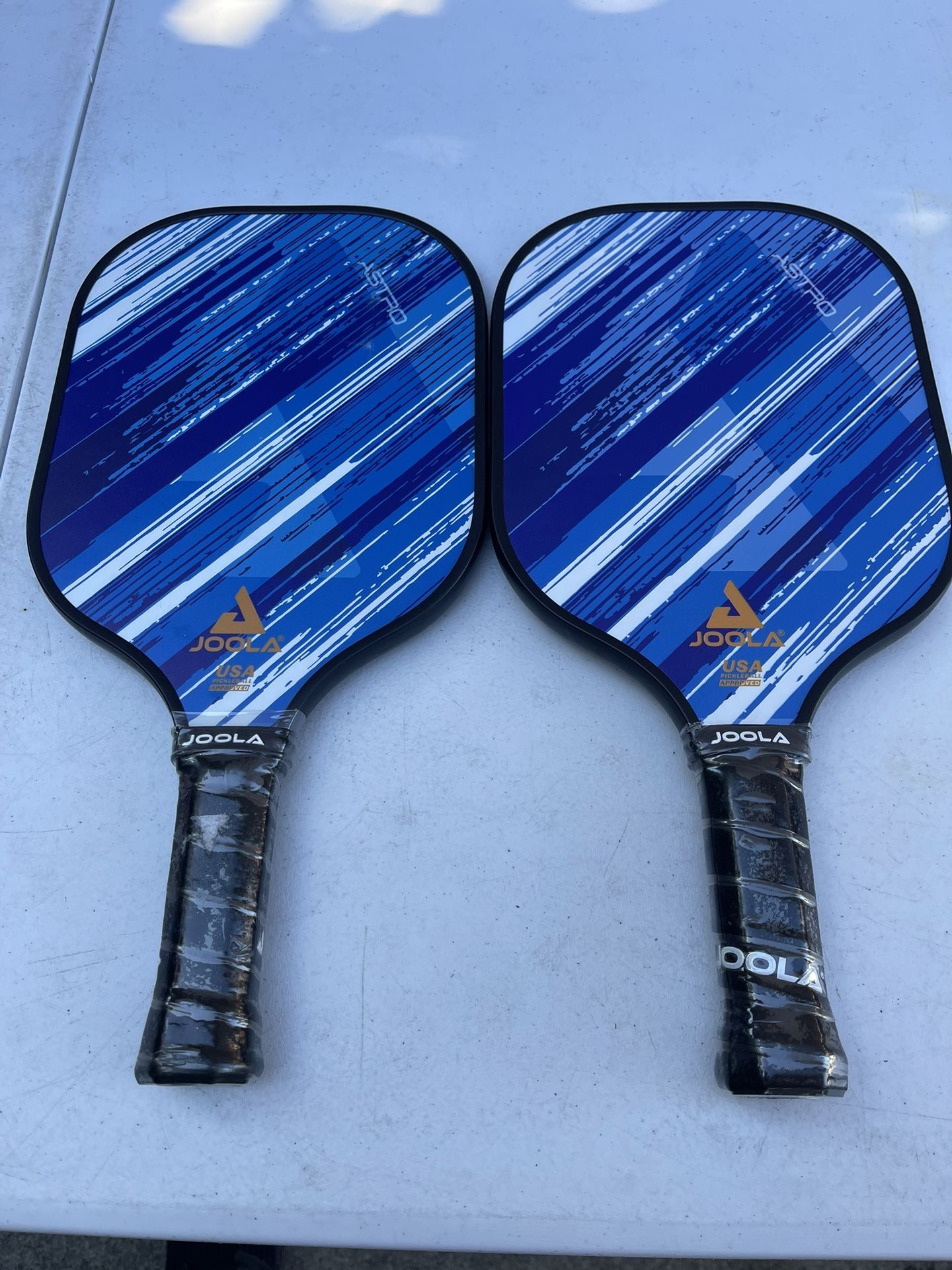
Common mistakes and tuning from experience
I’ve seen players make the same mistakes. Avoid these to speed your progress.
- Picking the heaviest paddle thinking weight equals power
- Heavy paddles can slow reaction time and tire your wrist.
- Choosing wrong grip size
- Too large grips reduce wrist control and increase injury risk.
- Buying solely on looks or endorsements
- Pick based on feel and play, not just brand or color.
- Skipping demos and quick returns
- Trying before buying prevents costly mismatches.
- Neglecting maintenance
- A neglected paddle feels worse and can break sooner.
Lessons learned: match paddle specs to your style, keep demos short and real, and maintain gear consistently.

Frequently Asked Questions of pickleball paddles intermediate
What weight is best for pickleball paddles intermediate players?
Most intermediate players do best in the midweight range, around 7.6–8.2 ounces. This range balances power and control while reducing fatigue.
How does core material affect play for intermediate paddles?
Polymer cores feel softer and give more control. Nomex or aluminum cores offer more pop and power but can be firmer and less forgiving.
Should intermediate players choose graphite or fiberglass faces?
Graphite faces tend to give better touch and control. Fiberglass faces add power and a livelier feel, which suits aggressive hitters.
Does paddle shape matter for intermediate players?
Yes. Wider shapes increase forgiveness and control at the net. Elongated shapes add reach and power but reduce the sweet spot size.
How long do pickleball paddles intermediate models typically last?
With regular play and proper care, a paddle can last 1–3 years or longer depending on use and maintenance. Replacing grips and avoiding extreme heat helps extend life.
Conclusion
Choosing the right pickleball paddles intermediate players is about balance. Focus on weight, grip, core, and face to match your style. Test paddles, learn from play, and care for your gear to keep progress steady.
Try one change at a time and track how your shots improve. If you found this useful, test a demo, leave a comment with your experience, or subscribe for gear guides and play tips.