Pickleball safety glasses protect your eyes from fast balls, paddles, and sun glare.
I’ve spent years testing different pickleball safety glasses, from basic wraparounds to pro-grade, impact-rated models. In this guide, I’ll show you what matters, what to skip, and how to pick the best pickleball safety glasses for your play, budget, and vision needs. Stick with me, and you’ll leave with a clear plan and no guesswork.

Why eye protection matters in pickleball
A plastic ball may look harmless, but it can move fast and hit hard at close range. A mis-hit at the kitchen line can send the ball straight to your eyes. The risk grows in doubles, crowded courts, and windy days.
Eye doctors see corneal abrasions and even fractures from racquet sports. Standards like ANSI Z87.1 and ASTM F803 exist for a reason. Pickleball safety glasses give you impact resistance, full coverage, and clear vision so you can play with confidence.
I learned this the hard way after a net-cord deflection tagged my eyebrow. A wraparound lens saved my eye. Since then, I never step on court without reliable pickleball safety glasses.
Key features that make great pickleball safety glasses
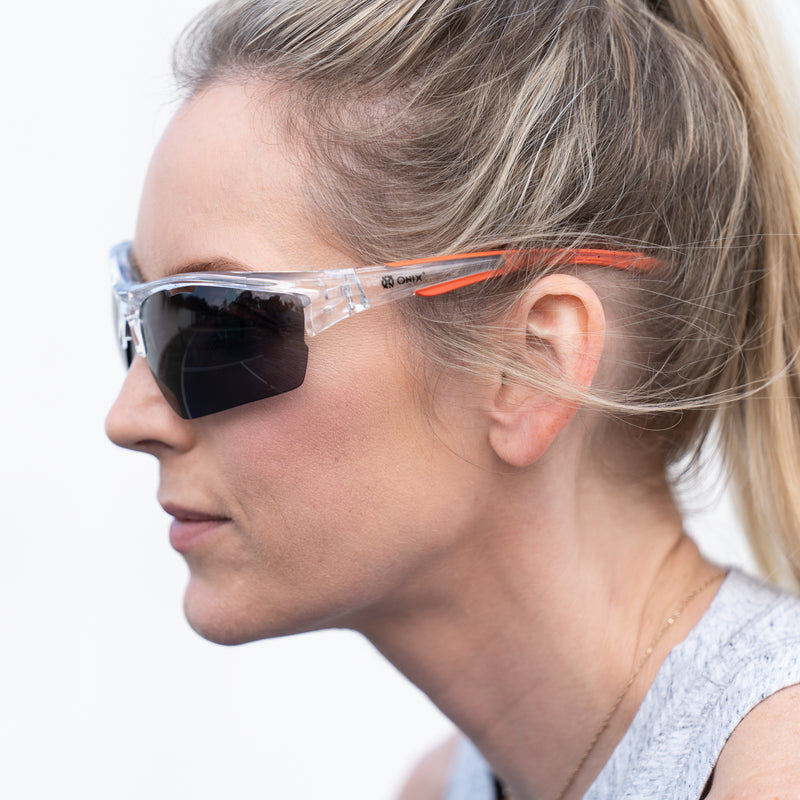
- Impact rating: Look for ANSI Z87.1+ or ASTM F803 for sports. These standards test real impacts and high-velocity hits.
- Lens material: Polycarbonate and Trivex are light, tough, and shatter-resistant. They block 99–100% of UVA/UVB.
- Coverage: A wraparound design with side protection shields from angles and ricochets.
- Venting: Cut-outs or channels reduce fog. This matters in humid gyms and on hot days.
- Anti-fog coatings: Permanent, factory-applied coatings work best. Hydrophilic coatings spread moisture into a clear film.
- Scratch resistance: A hard coat keeps the lens clear longer. No lens is scratch-proof, so care still matters.
- Fit adjustability: Adjustable nose pads, flexible temples, and an optional strap help the glasses stay put.
- Comfort: Light weight and soft contact points prevent pressure on the nose and ears.
- Optical clarity: Look for distortion-free lenses and a wide field of view. Clean optics help you track the ball early.
- Compatibility: Options for prescription inserts, direct-Rx lenses, or over-the-glasses frames cover every player.
When a pair checks most of these boxes, you’re looking at solid pickleball safety glasses.
Getting the right fit and comfort
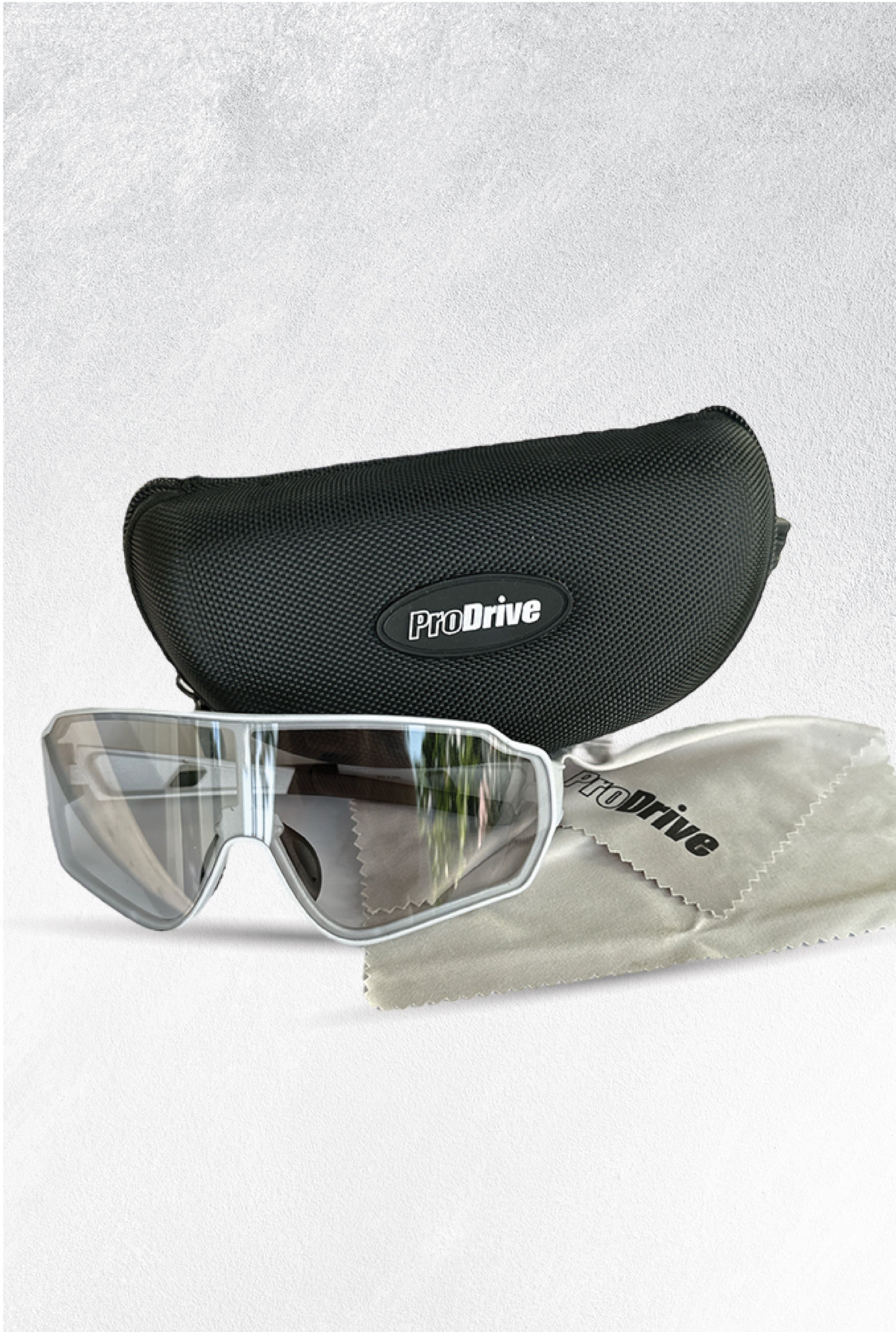
Fit is safety. If your pickleball safety glasses slide, you will push them up mid-rally. That is when accidents happen.
Test the three contact points. The nose bridge should feel even and stable. The temples should be snug, not tight, and not bend your ears. The frame should sit close to your face without touching your lashes.
Do a quick shake test. Look down and side to side. Hop twice. If they move, adjust the nose pads or add a strap. For smaller faces, try youth or narrow frames. For beards and sweaty play, choose frames with deeper venting.
Lens tints and when to use them
The right tint boosts contrast and cuts glare. That helps you read spin and speed sooner.
- Clear: Best for indoor courts, night play, and low light.
- Amber or yellow: Great for overcast mornings or dim gyms. Adds contrast to the ball.
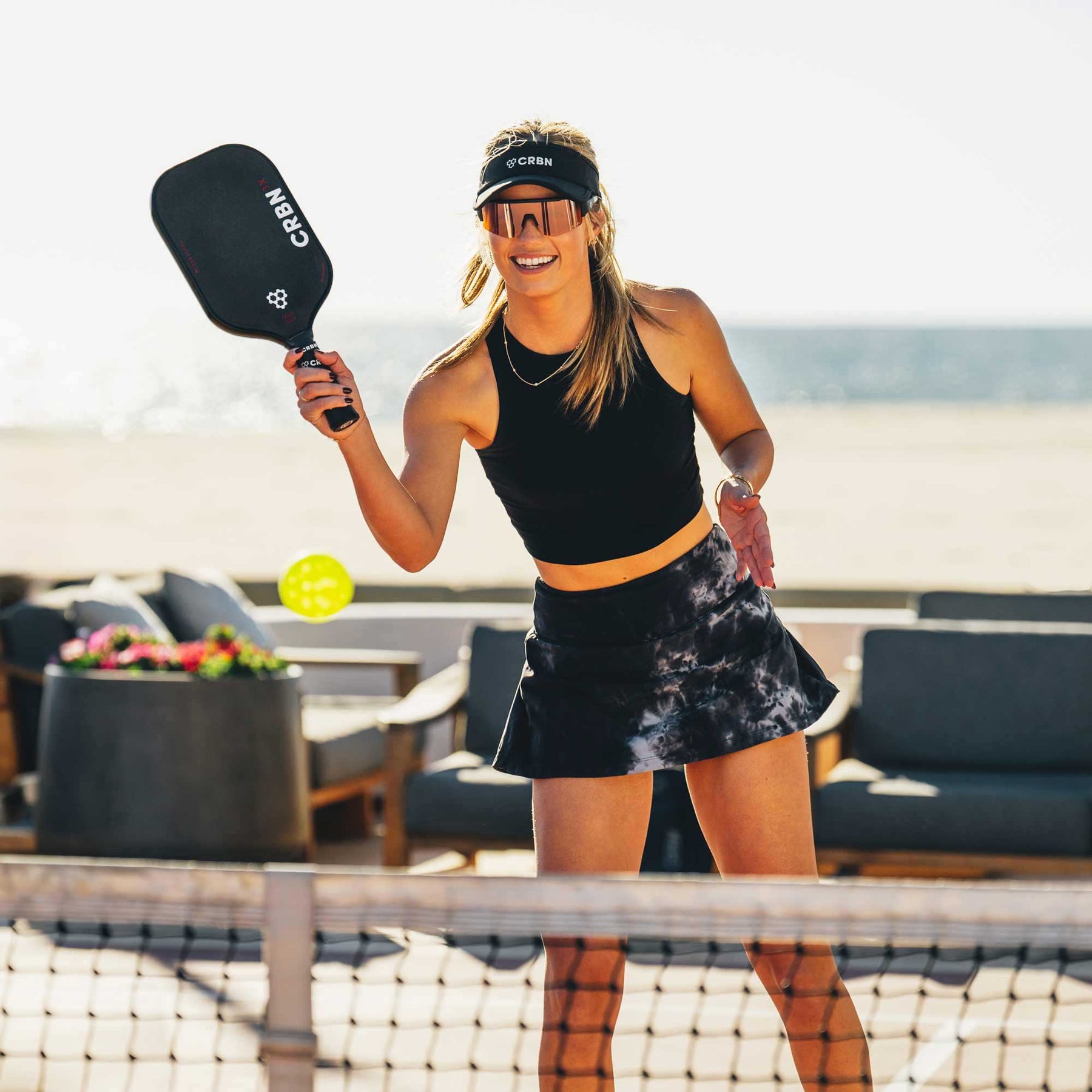
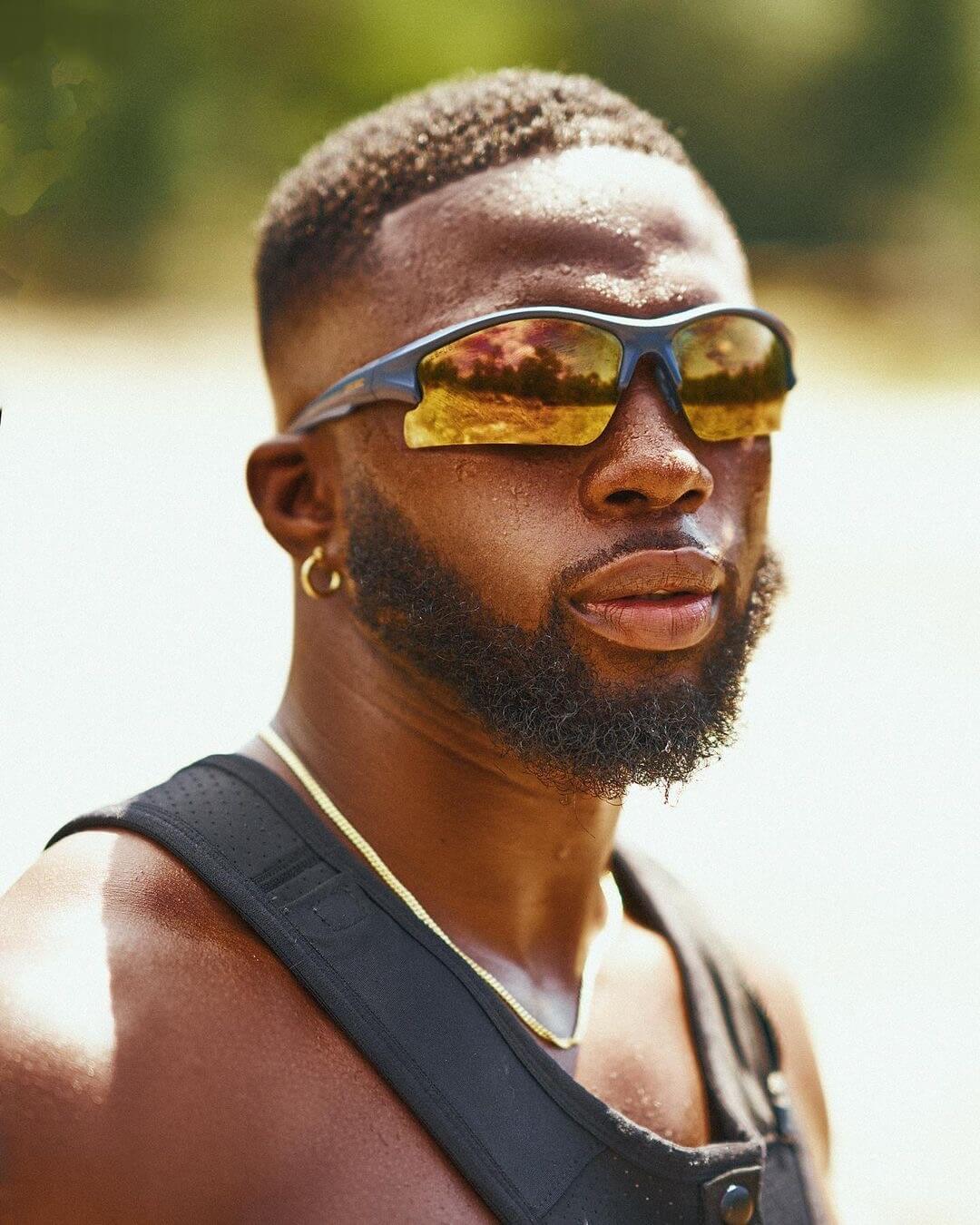
- Brown or copper: Excellent contrast outdoors. Works well on green and blue courts.
- Smoke or gray: Best for bright sun. Neutral color with glare control.
- Photochromic: Shifts from clear to dark in changing light. Handy if you move between shade and sun.
What about polarized lenses? They cut glare, but can reduce ball shimmer cues on some courts. Many players prefer non-polarized for pickleball safety glasses to keep depth and spin cues sharp. If your eyes are sensitive to glare, try polarized outdoors and test before league night.
Prescription and over-glasses solutions
If you wear glasses, you still have great options for pickleball safety glasses.
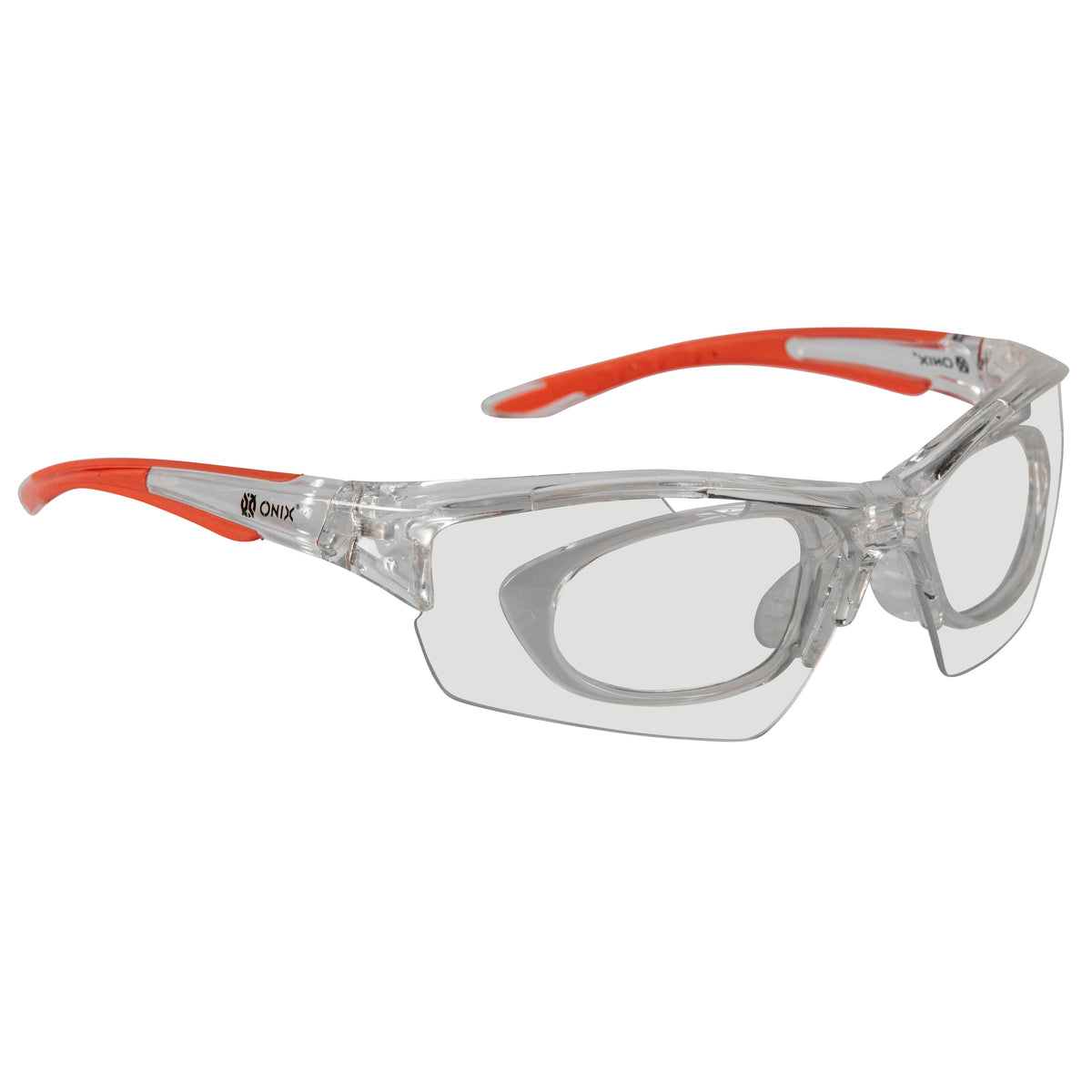
- Rx inserts: A small prescription insert sits behind the safety lens. Easy to update, low cost, and keeps the outer lens impact-rated.
- Direct-Rx lenses: Your prescription is built into the sports frame. Great optics, but pricier and harder to replace.
- Over-the-glasses (OTG): A larger frame goes over your everyday glasses. Choose models with certified impact ratings and good venting.
Contacts also work well with pickleball safety glasses. Keep rewetting drops in your bag, and pick frames with soft foam or rubber at the brow to block sweat.

Anti-fog, care, and maintenance
Fog can ruin a rally. You can prevent it with the right setup and care.
- Start with clean lenses. Rinse with lukewarm water. Use mild soap if needed. Pat dry with a microfiber cloth.
- Avoid alcohol and harsh cleaners on anti-fog coatings. They can strip the layer.
- Use vents and a strap. A strap keeps the frame stable so air can flow and heat can escape.
- Try a dedicated anti-fog drop if your model allows it. Always test in a small area first.
Replace your pickleball safety glasses after a hard impact, deep scratch, or if the lens coating peels. Store them in a hard case. Wipe sweat after play to protect the coatings. A little care keeps your pickleball safety glasses clear and safe for longer.

Buying guide: budget, mid, and pro picks
You do not need to overspend. Buy based on your play style and hours on court.
- Budget: Basic wraparound polycarbonate with UV protection and some venting. Good starter choice. Check for ANSI Z87.1 if possible.
- Mid-range: Impact-rated, better anti-fog, adjustable nose pads, and improved optics. Great for league players.
- Pro-level: Full sports certification (like ASTM F803), robust anti-fog, premium optics, and advanced fit features. Ideal for daily players and tournament use.
Look for clear warranty terms and easy replacement parts. If you play three or more times per week, the step up to mid-range or pro often pays off in comfort and clarity. This is where many players find their forever pickleball safety glasses.

Common mistakes to avoid
- Playing with regular fashion sunglasses. Most are not impact-rated.
- Ignoring fit. A loose frame fogs more and slips at the worst time.
- Skipping a strap during intense play. Straps add safety without much weight.
- Using paper towels to clean. They scratch lenses. Use microfiber only.
- Storing glasses loose in a bag. That is how lenses get ruined fast.
- Choosing the wrong tint for your court. Match tint to light for best ball tracking.
Avoid these and your pickleball safety glasses will last longer and protect better.
Quick decision guide by player type
- New players: Start with clear, impact-rated pickleball safety glasses. Keep it simple and safe.
- League or tournament players: Mid or pro models with strong anti-fog and precise fit.
- Outdoor-only players: UV protection, brown or gray tints, and good sweat management.
- Glasses wearers: Rx insert or OTG models with ample venting and certified impact ratings.
- Juniors: Youth frames with flexible temples and a strap. Light weight keeps them on.
If you are unsure, choose a mid-range, impact-rated frame with a clear lens. Add a second lens tint later.
Frequently Asked Questions of pickleball safety glasses
Do I really need pickleball safety glasses?
Yes. Even a soft dink can deflect and hit your eye at close range. Impact-rated glasses reduce the risk and help you see the ball sooner.
Can I wear regular sunglasses for pickleball?
Regular sunglasses rarely meet impact standards. Choose pickleball safety glasses with ANSI Z87.1 or sports-rated protection for real coverage.
What tint is best for indoor play?
Clear or light amber works best indoors. They keep your vision bright and add contrast in dim gyms.
Are polarized lenses good for pickleball?
They cut glare, which helps on sunny days. Some players prefer non-polarized to keep ball cues and depth more natural.
How do I stop fogging on court?
Start with clean lenses and a good anti-fog coating. Use frames with vents and a strap to keep air moving.
Can I wear contacts with pickleball safety glasses?
Yes. Contacts plus impact-rated glasses give sharp vision and strong protection. Pack eye drops to prevent dryness.
Conclusion
Your eyes do so much work on court. Protect them with well-fitted, impact-rated pickleball safety glasses that match your light and play style. Focus on standards, fit, venting, and a tint that helps you see the ball faster.
Try a few pairs, test the fit, and keep them clean. Make the upgrade today, play with confidence tomorrow. If this helped, share it with your doubles partner, subscribe for more gear tips, or drop your questions in the comments.