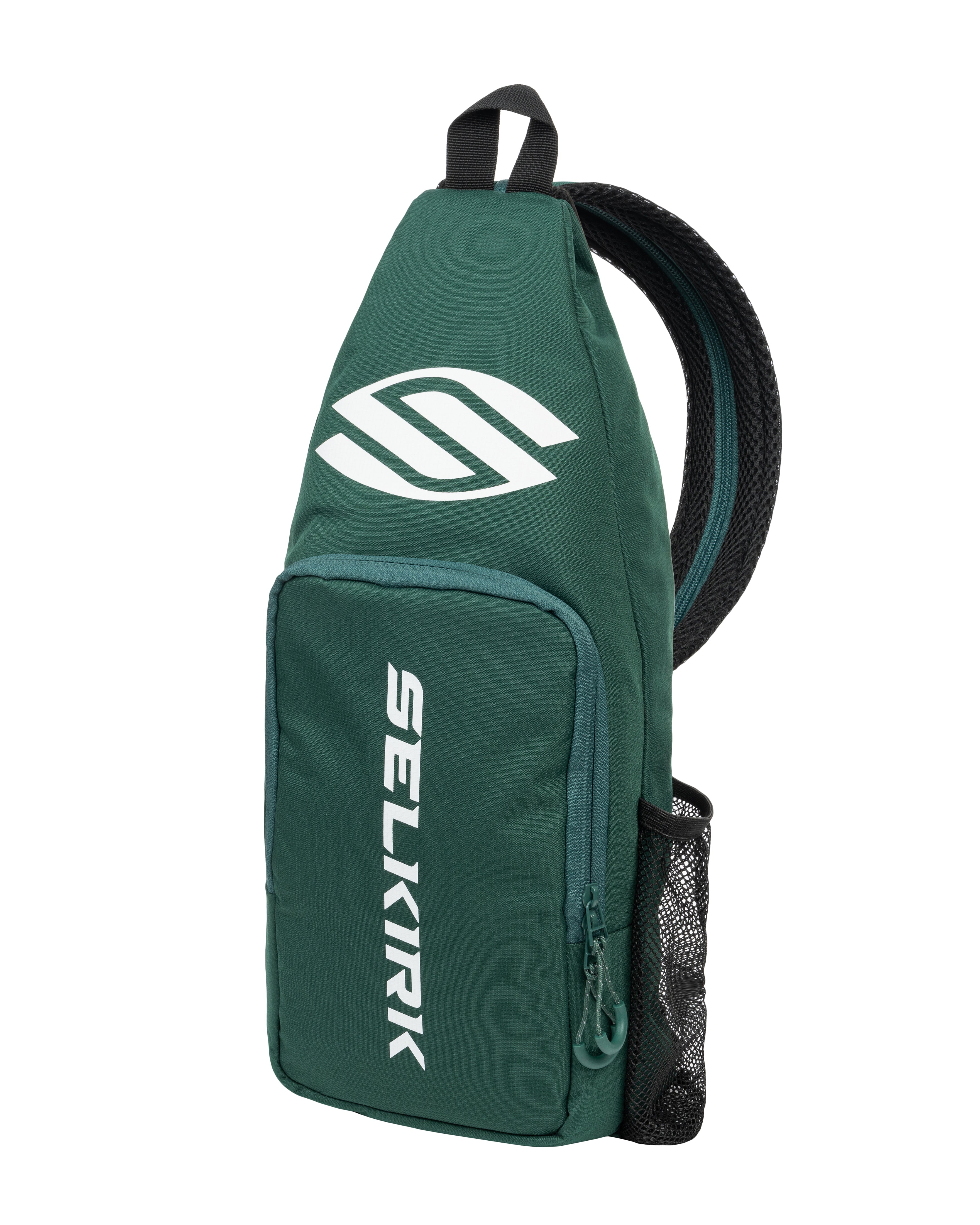
A pickleball sling bag keeps your paddle, balls, water, and essentials close and easy to carry.
I have used and tested many gear bags, and a well-designed pickleball sling bag can change how you play and travel to the court. This guide breaks down why the sling bag matters, what to look for, how to pack it, how to care for it, and real-world tips from my time on the court. If you want a light, smart, and court-ready solution, read on to learn how to pick the best pickleball sling bag and use it like a pro.
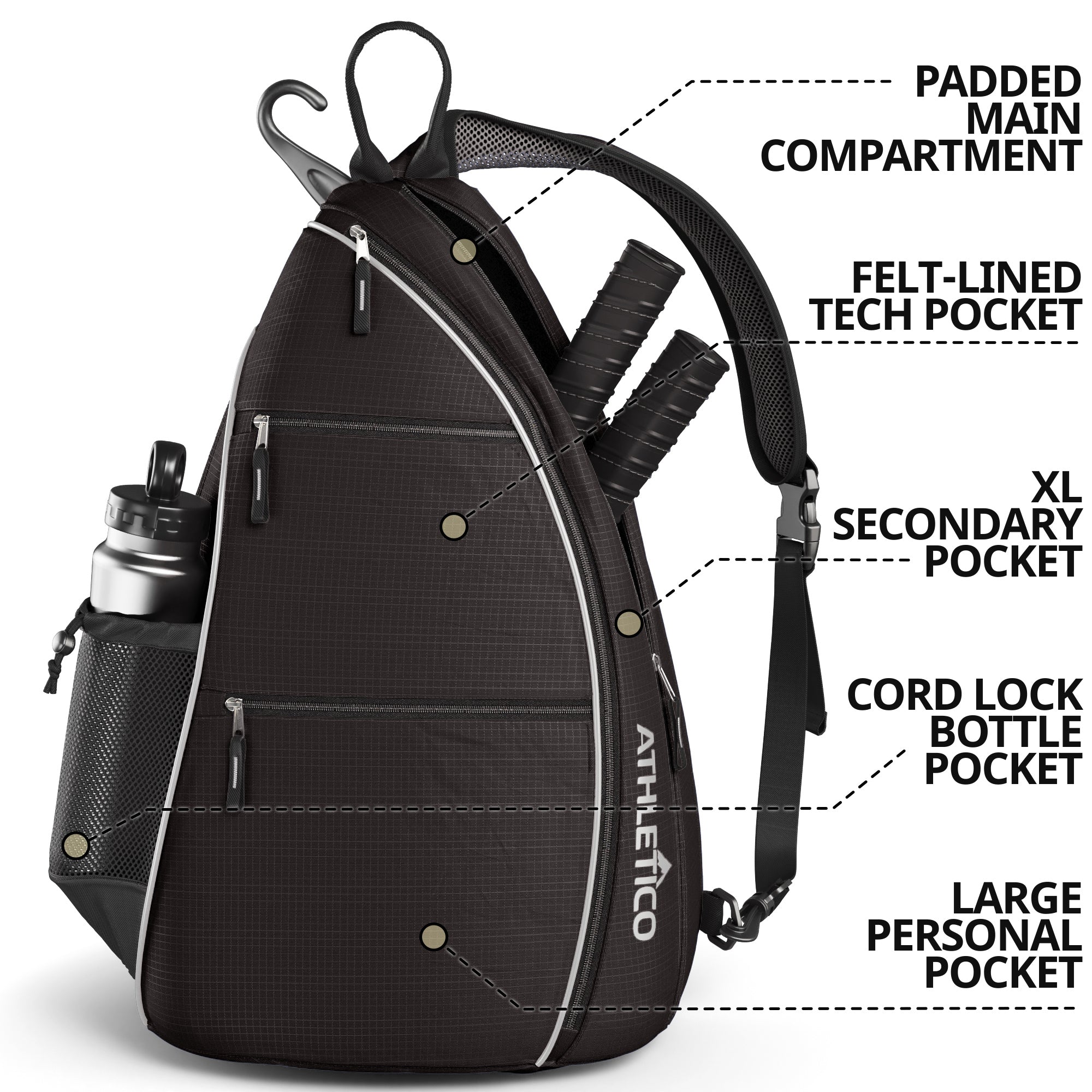
Why a pickleball sling bag matters
A pickleball sling bag gives you fast access to gear without bulky weight. It sits snugly on one shoulder or across the chest so you can move, run, and swing freely. For players who value quick access and light travel, a sling bag is often better than a backpack. I switched to a sling bag after losing time digging through a big pack. The change saved me minutes and kept my paddles safe while I warmed up.

Key features to look for in a pickleball sling bag
Choose a bag with sport-focused features. The right features make your gear last and your routines smoother.
- Paddle pocket: A secure, padded pocket sized for one or two paddles. This keeps the paddle face safe and stops wear on edges.
- Ball pocket: A small, easy-access pocket for two to six balls. Look for stretchy mesh or zip closure.
- Water bottle holder: A side pocket or internal slot to keep drinks upright.
- Quick-access pocket: A top or front pocket for keys, wallet, and phone.
- Adjustable strap: A strap that fits short or long torsos and allows easy flip to the front.
- Durable zipper and pull tabs: Strong zippers avoid jams mid-game.
- Weather resistance: Water-repellent fabric or a rain flap helps on damp days.
- Low profile and light weight: The bag should stay slim while carrying essentials.
- Ventilation and padding: Back padding and airflow reduce sweat when worn for long periods.
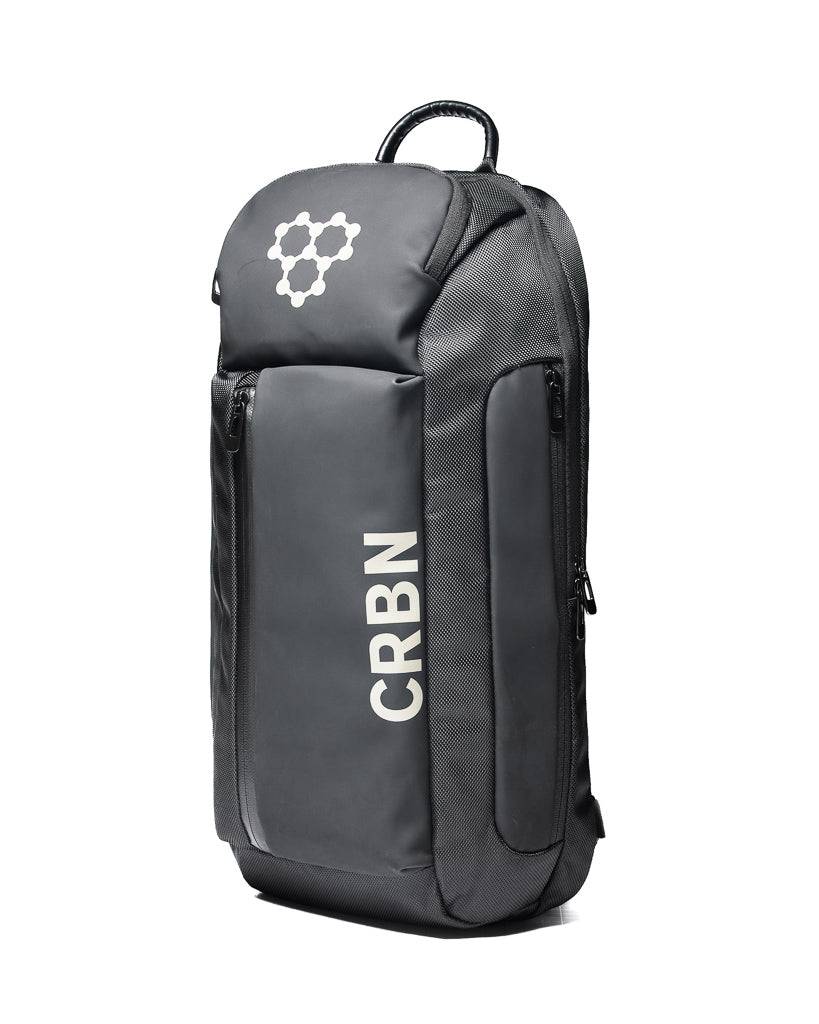
Source: crbnpickleball.com
Best materials and build quality
Material matters for feel, weight, and life span. Pick materials that match your climate and play style.
- Nylon or ripstop nylon: Lightweight and tear-resistant. Good for daily use.
- Polyester blends: Durable and cost effective. Often treated for water resistance.
- Canvas: Heavier but rugged. Great if you want a vintage look and toughness.
- PU or TPU coating: Adds water resistance without much weight.
- YKK or branded zippers: Longer life and fewer failures.
Look for reinforced stitching at stress points and padding where the paddle sits. A solid build helps the bag handle outdoor courts, car trunks, and locker rooms without falling apart.

Source: gloveit.com
How to choose the right size and fit
Sizing matters more than people think. A bag that is too large swings and slaps your hip. A too-small bag won’t fit your paddle or water bottle.
- Measure your paddle length and width and compare to pocket dimensions.
- Try on the bag crossbody and on one shoulder. Walk and bend to test strap comfort.
- Check strap adjustability range for both short and tall players.
- Consider capacity needs: one paddle and ball set for quick play, or extra gear for long sessions.
I prefer a mid-size sling that fits two paddles and a small towel. It is compact but roomy enough for match essentials.

Source: swintonpickleball.com
Packing tips and organization for match day
A good routine makes match prep smooth. Pack the bag the same way every time for speed and safety.
- Essentials to pack: paddle, two to four balls, water bottle, sweat towel, wristbands, mini first-aid, sunscreen, and phone.
- Quick access items: Place keys, ID, and cash in the top pocket.
- Protect the paddle: Use a padded sleeve or keep paddle face against the bag’s padding.
- Balance weight: Put heavier items closer to your back for comfort.
- Keep spare clothes dry: Use a small zip pouch or plastic bag for damp shirts.
I learned to keep a small repair kit and spare grip tape in my sling after a snapped grip once. It saved a match.
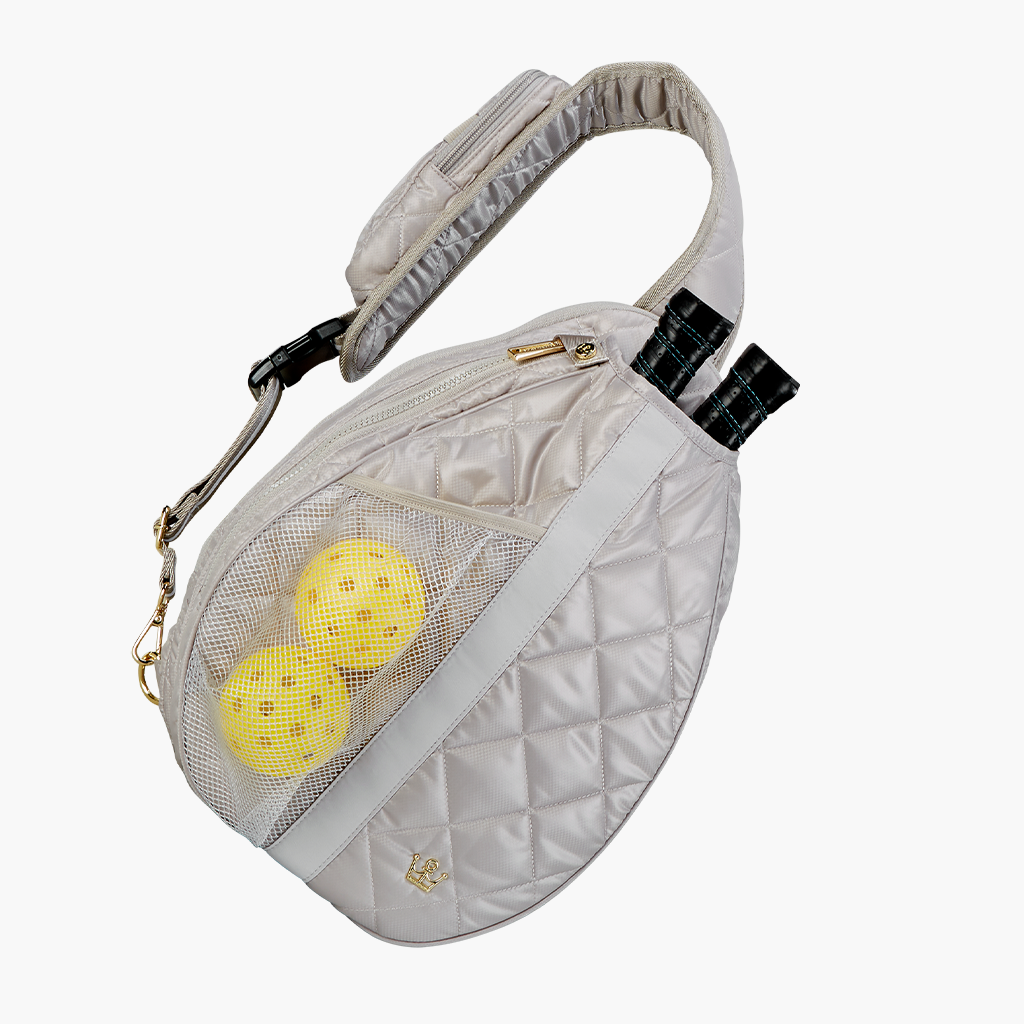
Source: theoliverthomas.com
Care and maintenance of your pickleball sling bag
A little care extends bag life and keeps your gear fresh. Clean and store it right.
- Routine cleaning: Empty the bag and wipe with a damp cloth. Air dry completely.
- Spot cleaning: Use mild soap and soft brush for stains.
- Deep clean: Hand wash or machine wash only if the manufacturer says it’s safe. Use a gentle cycle and cool water.
- Drying: Avoid direct heat. Hang to air dry.
- Zippers and hardware: Lubricate zippers lightly if they stick. Check straps and seams for wear.
- Odor control: Use baking soda in a breathable pouch to absorb smells between uses.
I once left a damp towel in a sling overnight. The smell stuck for weeks. Now I always air-dry wet items before packing.
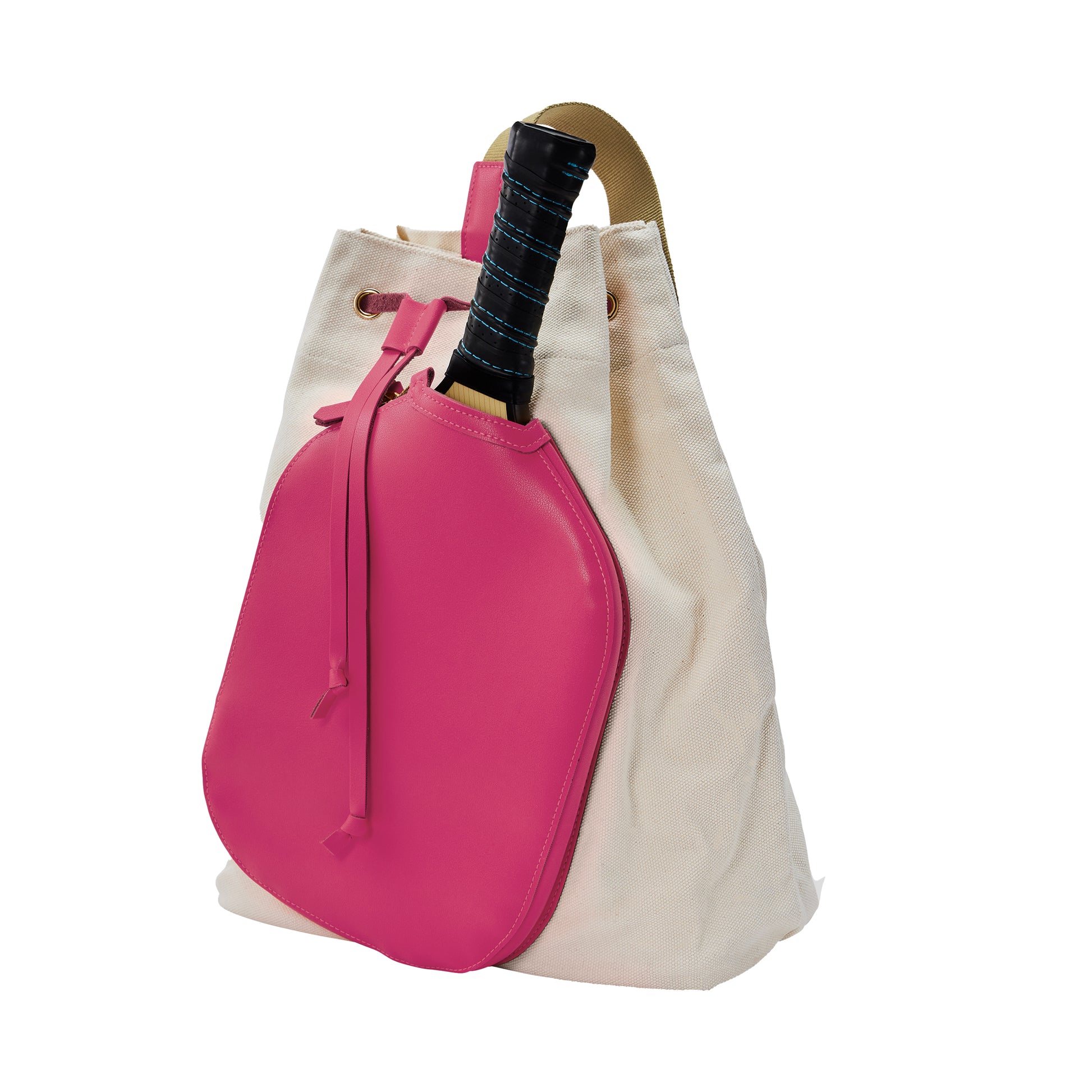
Source: pickleballbella.com
My personal picks and real-world testing notes
I tested several sling bags over two seasons. These notes are from real court use and travel.
- Everyday sling for local play: I used a mid-size sling that fit one paddle, three balls, and a water bottle. It was light and quick to access.
- Travel-friendly sling: A compact sling with a zippered paddle sleeve fit under airplane seats. It was perfect for away tournaments.
- Heavy-duty sling for gear lovers: A larger sling with reinforced straps handled extra grips and a small towel easily.
Lessons learned: - Avoid overpacking. Too much weight makes the bag swing and causes shoulder pain.
- Test paddle fit before buying. Some slings claim to fit paddles but are too tight for thicker edge guards.
- Crossbody wear beats one-shoulder wear for long walks. It keeps the bag stable and reduces strain.
Source: selkirk.com
Frequently Asked Questions of pickleball sling bag
What size pickleball sling bag should I buy?
Choose a bag that fits your paddle and a minimum set of essentials. Measure your paddle and compare to the bag pocket size to ensure a good fit.
Can a sling bag hold two paddles?
Yes, many sling bags have pockets for two paddles or a roomy main compartment. Check the product specs for paddle capacity before buying.
Are pickleball sling bags waterproof?
Most sling bags are water-resistant, not fully waterproof. Look for TPU coatings or rain flaps if you need better protection.
How do I clean a pickleball sling bag?
Empty the bag, wipe with a damp cloth, and air dry. For deep stains, use mild soap and a soft brush, and avoid high heat when drying.
Is a sling bag better than a backpack for pickleball?
A sling bag is better for quick access and light travel, while a backpack is better for heavy loads. Choose what matches your routine and comfort.
Can I use a sling bag for other sports?
Yes. Sling bags work well for tennis, badminton, gym sessions, and casual travel. They are versatile for light sport gear and daily items.
Conclusion
A well-chosen pickleball sling bag makes your court routine faster, lighter, and more enjoyable. Pick a bag with the right paddle fit, smart pockets, solid straps, and durable material. Start small, pack only what you need, and keep items organized for quick access. Try one on, test it with your paddle, and adjust your routine for best results. If you found this guide useful, try a sling bag for your next game, share your experience below, or subscribe for more gear tips.