Pros commonly attach edge guards, lead tape, overgrips, vibration dampeners, and custom weights.
I’ve played and tested gear with top-level players for years, so I know what works and why. This article answers what are the pickleball attachments pros use, explains how each attachment changes play, and gives practical tips for choosing, installing, and staying legal. Read on to learn which attachments pros rely on and how you can apply the same ideas to improve your game.
Why pros use attachments
Pros use attachments to fine-tune feel, balance, and spin. Small changes can make big differences in control and power. Attachments let players tweak paddles without buying a whole new model.
What are the pickleball attachments pros use? Pros choose attachments that adjust weight, reduce vibration, protect the paddle, or improve grip. These changes help them target specific weaknesses and play styles.
Common pickleball attachments pros use
Below are the attachments you will most often see on pro paddles, with short, clear explanations and practical tips.
- Edge guards — Protects paddle edges from dings and can change balance slightly. Pros pick low-profile guards to avoid added drag.
- Lead tape or weighted tape — Adds weight to the paddle head or handle to change balance and power. Pros place this tape near the top or sides to increase pop or near the handle for more control.
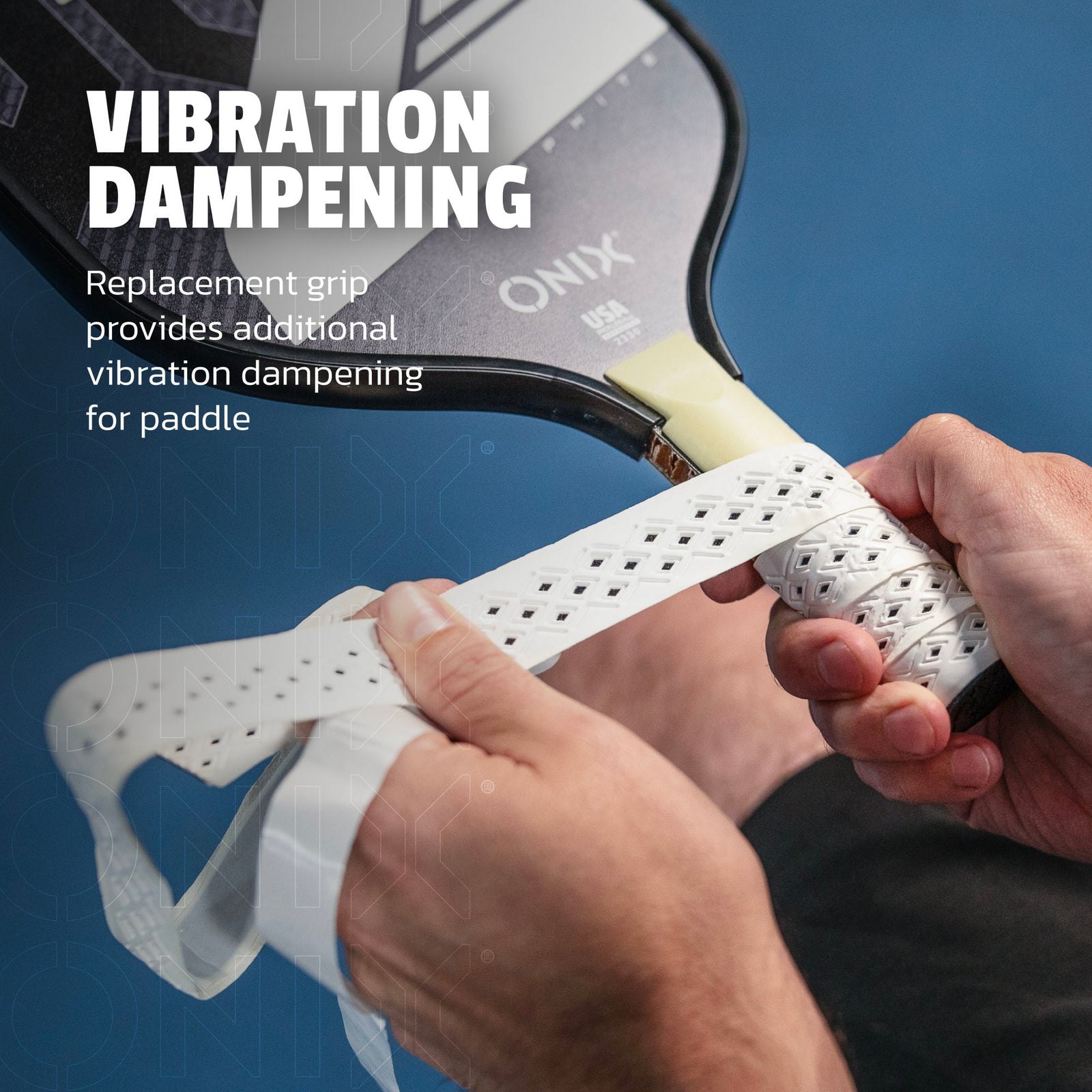
- Overgrips and replacement grips — Improves tack, absorbs sweat, and can slightly increase grip diameter. Pros often stack overgrips for precise feel.
- Vibration dampeners — Small inserts or clips that reduce sting on mishits. Pros use soft dampeners in the handle or head for comfort without losing feel.
- Paddle face tape or grip tape for spin — Adds texture to the paddle surface to boost spin. Used sparingly and checked for rule compliance.
- Butt-cap weights and interchangeable cores — Allows quick balance changes without altering the paddle face. Pros who test setups use these for practice vs match tweaks.
- Edge tape reinforcement (clear or fabric) — Extra protection for intense play. Keeps edge guards secure and reduces moisture intrusion.
- Handle extenders and flared extensions — For players who need extra length or two-handed options. Rare but useful for specific styles.
- Paddle skins and wraps — Cosmetic protection and slight surface change. Pros sometimes use thin skins to protect new faces without changing feel much.
- Clip-on scorekeepers, towel hooks, and bag attachments — Not on the paddle, but part of a pro’s kit for convenience during matches.
What are the pickleball attachments pros use most? The top five in real play are edge guards, lead tape, overgrips, vibration dampeners, and butt-cap weights. I’ve used each on-court and find these give the best tradeoff between performance and legality.
How each attachment changes play (practical effects)
Understanding how attachments affect touch and power helps you make smart choices.
- Edge guards — Slightly shifts balance down the handle if heavy. Protects paddle life. Keeps a consistent sweet spot longer.
- Lead tape — Moves the sweet spot toward the added weight. Adding tape near the head increases power; near the handle improves control.
- Overgrips — Small diameter changes alter wrist feel. A thicker grip reduces wrist snap for more stability.
- Vibration dampeners — Lowers sting on off-center hits. May slightly mute feedback, so use the lightest dampener that works.
- Face tape for spin — Roughens contact surface, increasing grip on the ball. Check rules first to ensure surface changes are allowed.
From my experience, adding a small amount of lead tape to the edge gives predictable power gains without killing touch. Overdoing it makes the paddle slow. Keep changes small and test over several sessions.
Choosing attachments like a pro: a simple checklist
Use this checklist before you attach anything.
- Check weight limits and rules — Make sure additions don’t break tournament regulations. A legal paddle must meet set specs.
- Start small — Add a little weight or a thin overgrip first. Incremental changes are easier to reverse.
- Test in practice sessions — Play volleys, serves, and dinks for at least a week with the change.
- Prioritize feel over hype — If it feels off, remove it. Pros trust feel more than brand promises.
- Consider durability — Some attachments (cheaper tapes, thin edges) wear fast. Invest in better materials for daily play.
What are the pickleball attachments pros use to tweak balance? Pros use lead tape and butt-cap weights most often and test placement carefully to dial in the exact swing weight they want.

Installation tips and mistakes to avoid
Simple steps to get clean installs and avoid common errors.
- Clean surfaces thoroughly — Wipe paddle face or handle with alcohol before applying tape or skins.
- Use thin layers — Thick tape or many overgrips add bulk and change swing weight a lot.
- Keep symmetry in mind — If you add tape to one side, consider mirroring small changes to keep balance predictable.
- Don’t over-modify competition paddles — Reserve radical changes for practice paddles.
- Replace edge guards properly — Poorly installed edge guards can peel and damage the paddle.
I once added too much lead tape to a new paddle right before a tournament. The added head weight threw off my volley timing for two matches. That taught me to always test changes in practice, not right before play.
Rules and compliance: what to check before you modify
Attachments can be legal or not, depending on placement and effect. Always confirm rules for your event.
- Surface changes — Adding texture to a paddle face can be illegal in some competitions. Verify before applying.
- Weight and size limits — Ensure total paddle weight and dimensions stay within allowed ranges.
- Attachment permanence — Removable attachments are sometimes treated differently than permanent changes; know the rulebook.
What are the pickleball attachments pros use while staying legal? Pros often favor reversible options like overgrips and lead tape because they can be removed if required.
Care, maintenance, and replacement
Keep attachments working and looking good with simple care.
- Inspect edge guards and tape weekly — Replace if peeling or torn.
- Rotate overgrips often — Swap when tackiness fades to keep grip and hygiene optimal.
- Remove and reapply tape when it loses stickiness — Old adhesive can collect dirt and damage paddle finish.
- Store paddles in a cool, dry bag — Heat and moisture damage both paddle cores and adhesives.
From experience, a well-kept paddle with simple attachments lasts longer and performs more consistently than a neglected “custom” one.
My top recommendations for players testing attachments
A short roadmap for trying the most useful attachments.
- Try a new overgrip for a week to test comfort and sweat control.
- Experiment with a small strip of lead tape near the handle to feel increased control.
- Add a low-profile vibration dampener if off-center hits sting your hand.
- Use a quality edge guard to protect your paddle and preserve balance.
- Reassess after 3–5 practice sessions and adjust or remove what doesn’t help.
What are the pickleball attachments pros use when experimenting? Start with removable options so you can easily revert to your preferred setup.
Frequently Asked Questions of what are the pickleball attachments pros use
What attachments do pro pickleball players use to add power?
Pros commonly use lead tape placed near the paddle head or sides to increase swing weight and add power. They add small amounts and test to keep control.
Are vibration dampeners legal in tournaments?
Vibration dampeners are generally allowed but must not alter the paddle face or give unfair advantage. Check specific event rules to be safe.
Can I add tape to the paddle face to get more spin?
Adding surface tape for spin can be risky for legality. Some competitive rules ban surface modifications, so verify before applying permanent texture.
How much lead tape should I add to change balance?
Start with 1 to 3 grams and test. Small increments are safer; too much tape can slow your swing and reduce touch.
Do edge guards affect play?
Edge guards mainly protect the paddle and have minimal effect if they are low-profile. Bulky guards can slightly change balance and should be chosen carefully.
Is replacing the grip allowed in tournaments?
Yes, replacing grips or using overgrips is widely accepted and commonly done by pros for comfort and sweat control.
Should I modify my match paddle before a tournament?
Avoid major changes right before a tournament. Pros test modifications in practice and lock in changes well before match day.
Can butt-cap weights be adjusted during a match?
Butt-cap weights that are easily removable might be changed between matches but check tournament rules and avoid on-court fiddling that could be questioned.
Conclusion
Attachments give players a precise way to tune paddles for power, control, comfort, and durability. Focus on small, reversible changes first. Test each attachment in practice, keep legal limits in mind, and maintain gear carefully. If you try one thing today, start with a fresh overgrip and a tiny strip of lead tape; you’ll feel the difference without risking your paddle’s feel or your tournament eligibility. Share your experiences or questions below, subscribe for more gear tips, and try one simple attachment change this week.