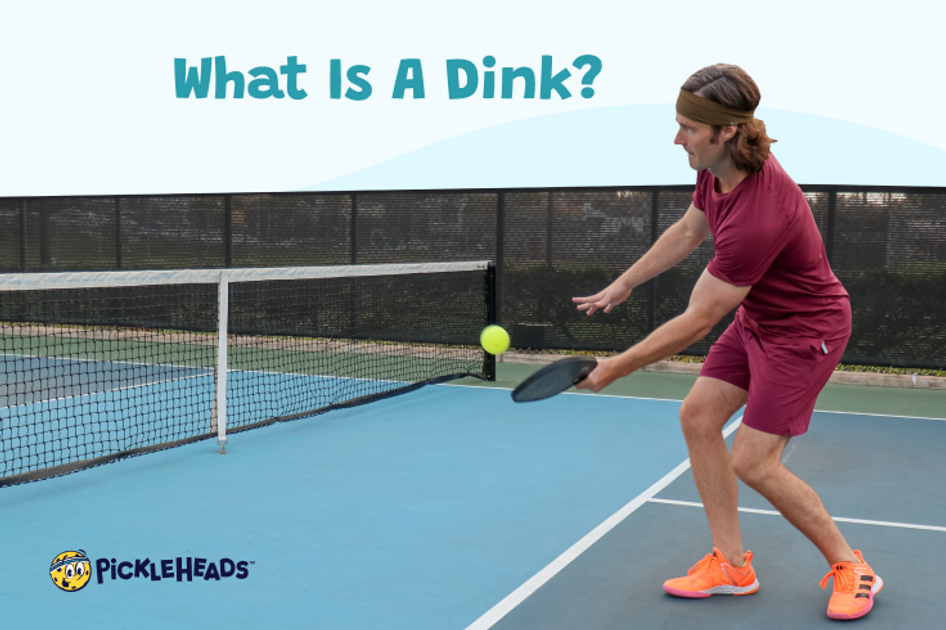
A dink is a soft, controlled shot that lands in the kitchen.
If you want to win more points with less risk, learn this shot. In this guide, I break down what is a dink in pickleball with clear steps, smart strategy, and simple drills. You will see when to use it, how to practice it, and how it fits into your game at every level.

Understanding what is a dink in pickleball
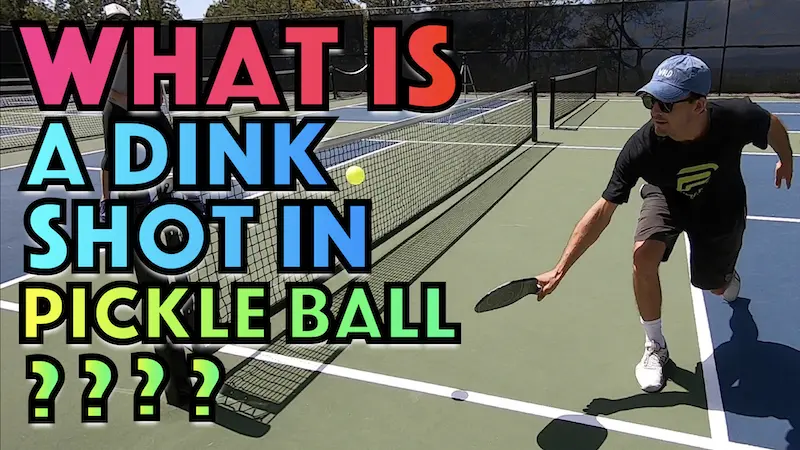
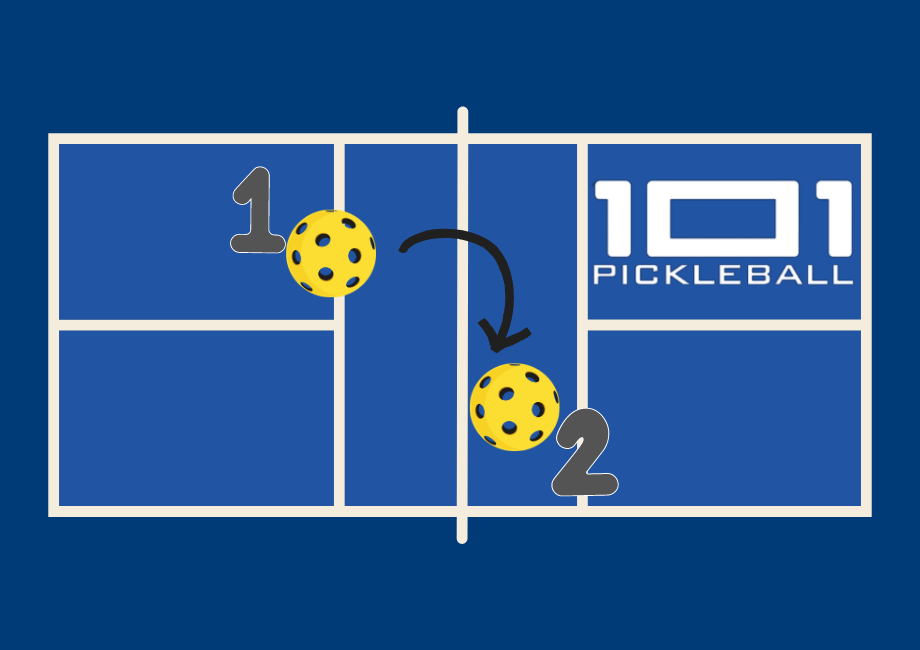
At its core, what is a dink in pickleball? It is a low, gentle shot that arcs over the net and lands in your opponent’s non-volley zone, also called the kitchen. The goal is not power. The goal is control, placement, and patience.
A good dink keeps the ball low after the bounce. Your opponent must hit up on the next ball. That gives you time to move, reset pressure, or attack the next sitter. Think of the dink as chess in slow motion. You set traps, wait, and strike at the right time.
A drop shot and a dink are cousins. A drop shot brings you from the baseline to the kitchen. A dink keeps you in the soft game once you are already at the line. Both shots unlock control.
Rules and court zones for smart dinks
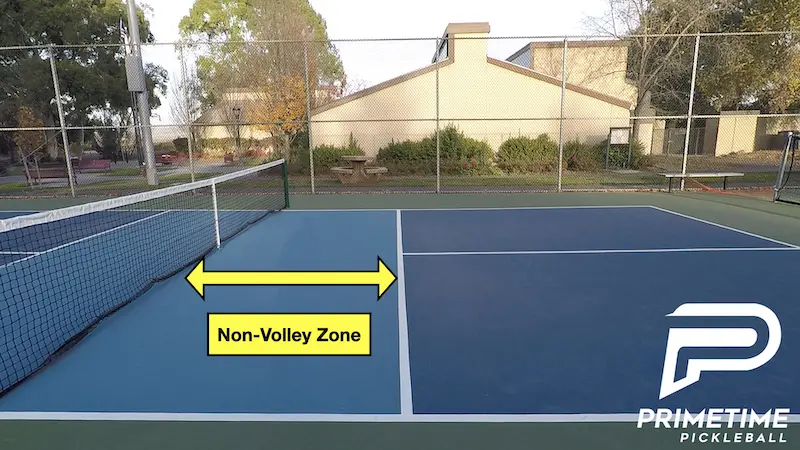
To master what is a dink in pickleball, you must know the kitchen rules. The non-volley zone extends 7 feet from the net on both sides. You cannot volley a ball while any part of you touches the kitchen or the line. If you volley and your momentum carries you into the zone, it is a fault.
Most dinks are played after a bounce at the kitchen line. You can also play a volley dink from outside the zone if you have room and balance. Keep the ball below net height. A low contact point makes the next ball harder for your rival.
These points match the official rules used in sanctioned play. Learn them well. They shape shot choice and footwork.
Step-by-step technique to hit a clean dink
If someone asks what is a dink in pickleball and how to hit it, here is the simple form I teach.
- Start at the kitchen line. Feet shoulder-width apart. Knees soft. Paddle up near chest height.
- Use a continental grip. Hold the paddle like a hammer. Keep it light and relaxed.
- Short backswing. Think “push, not swing.” Your shoulder and core guide the paddle.
- Contact in front. Paddle face slightly open. Brush up a little to add lift.
- Aim for a slow arc that peaks just over the net. Land it in their kitchen near the sideline.
- Keep the ball below net height off your paddle. Low in, low out.
- Recover to ready at the line. Paddle up. Feet stable. Eyes forward.
Simple cue: quiet hands, busy feet. Your feet move you into position. Your hands stay calm and steady.

Strategy and shot selection
Strategy turns a dink from a soft shot into a weapon. To answer what is a dink in pickleball at a high level, think in patterns.
- Crosscourt first. The net is lower in the middle. You get more space and time. Crosscourt dinks also pull your rival wide.
- Straight ahead when they float the ball. Attack their paddle hip or the middle seam.
- Change depth and pace. Mix deep dinks to the back of the kitchen with short ones that die near the net.
- Target feet, not lines. A ball at the shoelaces is tough to attack.
- Be patient. Take many calm dinks to earn one easy ball. Then step in and finish.
In doubles, talk early and often. Claim the middle. If your partner dinks crosscourt, hold your line and look for a pop-up in the middle.
Common mistakes and easy fixes
Players who ask what is a dink in pickleball often struggle with these basics. These quick fixes help fast.
- Swinging too big. Fix: shorten your motion. Elbow close. Push from the shoulder.
- Hitting too hard. Fix: loosen the grip. Think “soft toss.” Let the paddle do the work.
- Contact too low or too far back. Fix: move your feet. Meet the ball in front at knee height.
- Lifting with the wrist. Fix: lock the wrist neutral. Use forearm and shoulder for control.
- Standing tall at the line. Fix: bend your knees. Stay athletic. Lower center equals better touch.
If the ball pops up a lot, reduce paddle face angle and aim lower over the net. Height kills control.
Drills that build a world-class dink
Practice makes the dink feel natural. If your goal is to own what is a dink in pickleball under pressure, use these drills.
- Kitchen-to-kitchen rally. Both players at the line. Count consecutive dinks that land in. Aim for 50.
- Target squares. Lay two small cones near the sideline in the kitchen. Drop 10 in each target.
- Deep-short mix. Alternate one deep dink to the back of the kitchen and one short near the net.
- Wall work. Stand 10–12 feet from a wall. Dink soft to a taped box at knee height. Keep it low.
- Pressure rounds. Start 0–0. First to 7. A point only counts if you win it off a dink or dink setup.
Track your best streak weekly. Add one or two reps every session. Small gains stack.

Gear checks that help your dink
Your gear can help touch and control. This matters when you fine-tune what is a dink in pickleball.
- Paddle face. A textured face can add grip on the ball. That helps with shape and spin.
- Core type. A softer core often gives more dwell time. That boosts feel on short shots.
- Grip size. If your grip is too big, touch suffers. Pick a size that lets you relax your hand.
- Overgrip. A tacky overgrip keeps light pressure steady, even when hands sweat.
- Ball choice. Outdoor balls run faster and skip more. Indoors are softer. Adjust your arc.
None of this replaces skill. But the right setup supports your style.

Dink vs other shots
To grasp what is a dink in pickleball, compare it with related shots.
- Drop shot. Hit from near the baseline. It lands in the kitchen and lets you move in.
- Reset. A soft block that turns a fast exchange into a slow dink rally.
- Volley dink. A gentle volley from outside the kitchen that drops into the zone.
- Speed-up. A fast flick off a higher dink to surprise your rival.
- Lob from the kitchen. An option when rivals crowd the net, but risky if short.
Pick the right tool for the right moment. The goal is control first, then attack.
Lessons from the court
Early in my coaching, I tried to win with pace. That worked until better players fed me nothing to hit. They dragged me into the kitchen. I learned the hard way that control beats power most days.
My tip for students who ask what is a dink in pickleball: treat it like a handshake, not a punch. Keep your frame calm. Look for their paddle hip. Breathe between shots. When you feel rushed, slow your feet and aim bigger. That pause brings back control.
Another lesson: patience is a skill. Count three calm breaths each rally before you attack. It cuts errors fast.
Track progress with a simple plan
Make your soft game visible. If you measure what is a dink in pickleball progress, it improves quicker.
- Warm-up: five minutes of wall dinks to a knee-high box.
- Main set: three rounds of kitchen-to-kitchen to 50 in a row.
- Targets: two cones each side, 20 total makes per side.
- Pressure: race to 7, dink-only points with a partner.
- Review: note best streak, miss types, and goals for next time.
Aim for three short sessions a week. Ten focused minutes beats one long unfocused hour.
Frequently Asked Questions of what is a dink in pickleball
What is a dink in pickleball for beginners?
It is a soft shot that lands in the non-volley zone and stays low. You hit it to control tempo and force a weak reply.
Is a dink the same as a drop shot?
No. A drop shot comes from the baseline to get you to the net. A dink happens at the kitchen and keeps the rally soft.
Can I volley a dink?
Yes, if you are outside the kitchen and your momentum does not carry you in. Keep the volley soft and low.
Where should I aim my dinks?
Aim at feet, the middle seam, or wide crosscourt. Pick safe targets with a ball that stays low.
How do I stop popping up my dinks?
Shorten your swing and loosen your grip. Contact in front with a slightly closed face and aim lower over the net.
How long should a dink rally last?
As long as needed to get a high ball. Be patient, take space, and attack only when the ball sits up.
What grip is best for dinking?
A light continental grip works for most players. It gives easy control and a smooth face angle.
Conclusion
Mastering what is a dink in pickleball gives you control, calm, and a clear plan to win points. Use a soft arc, aim at smart targets, and wait for the sitter. When it comes, step in and finish with confidence.
Build a short routine, track your best streak, and practice three times a week. Ready to level up? Save this guide, try the drills today, and share your progress or questions in the comments.